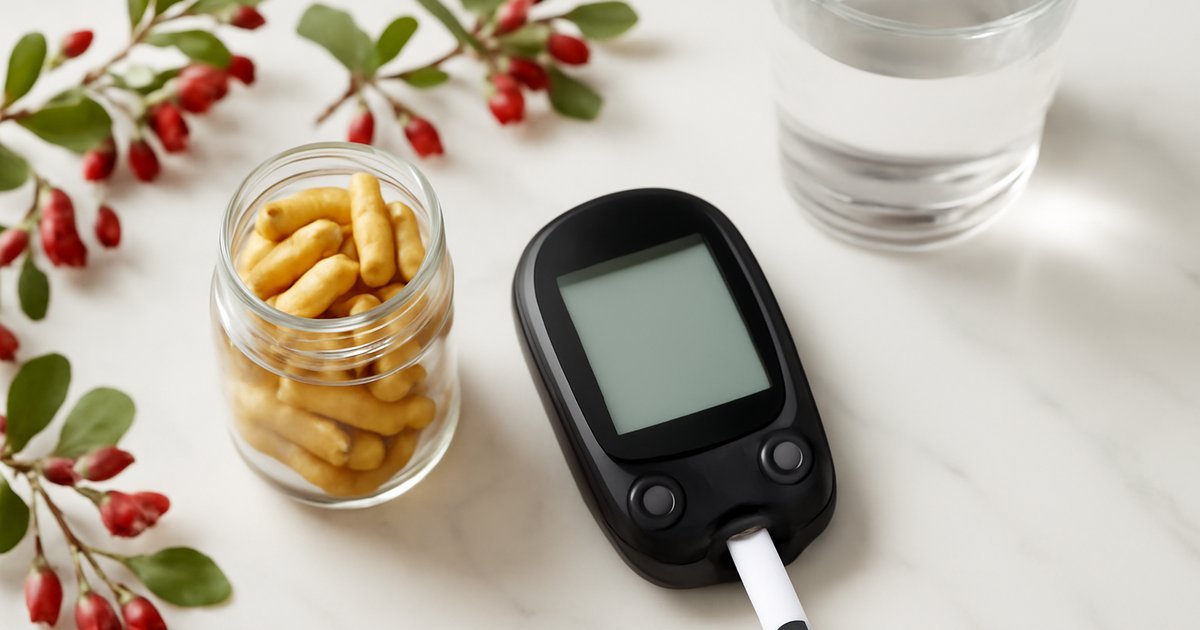
Berberine: Blood Sugar, Weight & Metabolic Health Benefits
A natural compound backed by clinical trials — but what does the evidence really say about berberine and metabolic health?
Introduction
Mark, 54, had been told his fasting blood sugar was "borderline" for two years. His doctor recommended lifestyle changes, but he wanted to explore every option available — including natural supplements that had some science behind them.
He kept hearing about berberine. So do millions of Americans. According to the CDC, more than 96 million U.S. adults have prediabetes, and a large portion of them are actively seeking complementary approaches to support conventional care.
Berberine is a plant-derived compound that has been studied in clinical trials for its effects on blood sugar regulation, weight management, and overall metabolic health. It is not a medication, and it is not a cure — but it has generated genuine interest in the medical and research communities.
In this article, you will learn what berberine is, what the clinical evidence says about its benefits and limitations, how it compares to conventional approaches, and what to discuss with your doctor before trying it.
What Is Berberine?
Berberine is a bioactive alkaloid — a naturally occurring chemical compound — found in several plants, including barberry (Berberis vulgaris), goldenseal, Oregon grape, and tree turmeric. It has been used in traditional Chinese and Ayurvedic medicine for centuries, primarily for digestive and inflammatory conditions.
In modern integrative medicine, berberine has gained attention primarily for its potential effects on metabolic function — particularly blood glucose control, lipid (fat) levels in the blood, and body weight regulation.
What makes berberine scientifically interesting is its proposed mechanism of action. Research suggests it activates an enzyme called AMP-activated protein kinase, commonly known as AMPK. AMPK is sometimes called a "metabolic master switch" because it plays a central role in regulating how cells produce and use energy.
According to a review published by the National Institutes of Health (NIH), AMPK activation is associated with improved insulin sensitivity — meaning cells respond more effectively to insulin — as well as reduced glucose production in the liver and enhanced fat metabolism.
Berberine is available in the United States as a dietary supplement. It is not FDA-approved as a drug, and it is not a replacement for prescription medications like metformin or statins. However, it has been studied in clinical settings with notable results, which we will review carefully.
Signs Your Metabolic Health May Be Struggling
Berberine is most often discussed in the context of metabolic health. Before understanding why this compound has drawn scientific interest, it helps to recognize what metabolic dysfunction can look like in everyday life.
Early signs that your metabolic health may need attention include:
- Persistent fatigue, especially after meals
- Difficulty losing weight despite consistent effort
- Frequent sugar cravings or energy crashes mid-afternoon
- Elevated fasting blood glucose on lab work (100–125 mg/dL is the prediabetes range)
- High triglycerides or low HDL ("good") cholesterol on a lipid panel
- Increased waist circumference — particularly above 35 inches in women and 40 inches in men
- Brain fog or difficulty concentrating
More advanced warning signs that require prompt medical evaluation include:
- Fasting blood sugar consistently at or above 126 mg/dL
- Unexplained significant weight loss combined with increased thirst and urination
- Chest pain, shortness of breath, or irregular heartbeat
- Numbness or tingling in the feet or hands (a possible sign of nerve damage)
A 2023 report from the American Diabetes Association noted that metabolic syndrome — a cluster of conditions including high blood pressure, high blood sugar, excess abdominal fat, and abnormal cholesterol — affects approximately one in three U.S. adults. If you recognize several of the early signs above, a conversation with your doctor about metabolic screening is a smart first step.
What Causes Metabolic Dysfunction? Risk Factors to Know
Metabolic health is shaped by a combination of genetic, lifestyle, and environmental factors. Understanding where your risk comes from helps determine how aggressively to pursue intervention — including whether supplements like berberine might be worth discussing with your provider.
Genetic factors: Family history of type 2 diabetes, cardiovascular disease, or obesity significantly raises your risk. Certain gene variants affect how efficiently your body processes glucose and stores fat.
Lifestyle factors: A diet high in refined carbohydrates and added sugars, physical inactivity, poor sleep quality, and chronic stress all contribute to insulin resistance — the underlying driver of most metabolic dysfunction. According to the CDC, fewer than 25% of American adults meet both aerobic and muscle-strengthening activity guidelines.
Environmental and demographic factors: Age is a significant risk factor. Insulin sensitivity tends to decline after age 40, and hormonal changes during perimenopause and menopause in women can accelerate metabolic shifts. Certain medications, including corticosteroids and some antipsychotics, can also impair glucose regulation.
Gut microbiome health: Emerging research suggests that the composition of gut bacteria plays a meaningful role in metabolic regulation. Interestingly, some researchers believe part of berberine's effect may be mediated through its influence on gut microbiota — though this area is still being studied. If you're curious about the gut's broader role in health, our article on The Gut-Brain Connection: How Your Digestive Health Affects Your Mind provides helpful context.
What Does the Clinical Evidence Say About Berberine?
Berberine has been the subject of more rigorous clinical research than most dietary supplements. Here is what the evidence currently suggests — and where meaningful gaps remain.
Blood Sugar Regulation
The most studied application of berberine is its effect on blood glucose levels. A widely cited meta-analysis published in the journal Metabolism and referenced by NIH-indexed literature analyzed 14 randomized controlled trials involving patients with type 2 diabetes or metabolic syndrome. The pooled results suggested that berberine significantly reduced fasting blood glucose, postprandial (after-meal) blood glucose, and HbA1c — a marker of long-term blood sugar control.
In some trials, berberine performed comparably to metformin, a first-line prescription medication for type 2 diabetes. However, clinical experts caution strongly against interpreting this as an endorsement to replace metformin or any prescribed medication with berberine without physician guidance.
Research suggests berberine may work by reducing glucose production in the liver, slowing carbohydrate absorption in the gut, and improving how muscle cells take up glucose in response to insulin.
Lipid (Cholesterol) Levels
Clinical evidence indicates berberine may modestly lower LDL ("bad") cholesterol and triglycerides while having a neutral or slight positive effect on HDL cholesterol. A systematic review cited by the NIH found meaningful reductions in total cholesterol and triglycerides among adults taking berberine over 8–12 weeks.
These findings are preliminary, and berberine is not a replacement for statin medications in people who have been prescribed them for cardiovascular risk reduction.
Weight and Body Composition
Several small clinical trials have reported modest reductions in body weight and waist circumference in adults taking berberine alongside lifestyle changes. The mechanisms proposed include reduced fat storage, improved insulin sensitivity, and potential effects on gut microbiome composition.
However, the weight loss effects observed in studies are generally modest — typically 2 to 5 pounds over several months — and are not comparable to GLP-1 receptor agonist medications (such as semaglutide) or other medically supervised weight management approaches. Clinical evidence indicates berberine may support weight management efforts but should not be viewed as a primary weight loss intervention.
Inflammation and Oxidative Stress
Some laboratory and early clinical research suggests berberine has anti-inflammatory and antioxidant properties. These effects may partially explain its broader metabolic benefits, since chronic low-grade inflammation is a known driver of insulin resistance and cardiovascular disease. More large-scale human trials are needed to confirm the clinical significance of these findings.
Berberine and Conventional Treatment: How They Fit Together
It is essential to frame berberine correctly within the landscape of metabolic health management. Here is a realistic picture of where it fits:
Conventional medical treatments remain the cornerstone: For diagnosed type 2 diabetes, hypertension, or dyslipidemia (abnormal cholesterol), prescription medications backed by decades of large-scale trials are the primary standard of care. These include metformin, SGLT-2 inhibitors, GLP-1 agonists, statins, and ACE inhibitors, among others. Most physicians recommend these first.
Lifestyle modifications are non-negotiable: Regular physical activity, a diet rich in vegetables, lean proteins, and whole grains with limited refined sugars, adequate sleep, and stress management form the evidence-based foundation of metabolic health. The American Diabetes Association emphasizes that lifestyle intervention alone can delay or prevent progression from prediabetes to type 2 diabetes by up to 58% — a result more powerful than most supplements.
Berberine as a complement, not a replacement: For adults with prediabetes or borderline metabolic markers who are already pursuing lifestyle changes and working with their physician, berberine may be worth discussing as an adjunct — a complementary strategy. It is not appropriate as a stand-alone treatment for diagnosed metabolic conditions.
If you are managing type 2 diabetes or closely monitoring your metabolic health, discuss any supplement additions with your care team, as berberine can interact with diabetes medications and potentially cause hypoglycemia (blood sugar that drops too low).
Safety, Side Effects, and Important Cautions
Berberine is generally considered well-tolerated in short-term studies, but it is not without risk — especially for certain populations.
Common side effects reported in clinical trials include:
- Gastrointestinal discomfort, including nausea, diarrhea, constipation, or stomach cramping — particularly at higher doses
- These effects are often reduced by starting at a lower dose and taking berberine with meals
Drug interactions to know: Berberine may interact with several medications, including:
- Metformin and other diabetes medications (risk of hypoglycemia)
- Blood thinners such as warfarin
- Certain antibiotics and antifungals
- Cyclosporine (used after organ transplants)
- Some blood pressure medications
Populations who should avoid berberine:
- Pregnant or breastfeeding women (berberine is not considered safe during pregnancy)
- Children and adolescents
- People with liver or kidney disease without medical supervision
Because berberine is sold as a dietary supplement in the United States, it is not subject to the same FDA regulatory standards as prescription drugs. Product quality can vary significantly between brands. If you choose to try berberine, clinical evidence suggests looking for products that have undergone third-party testing for purity and potency — organizations like NSF International and USP provide this kind of certification.
When to Call Your Doctor or Seek Emergency Care
If you are considering berberine or already taking it, there are several situations that warrant prompt medical attention:
Contact your doctor soon if you experience:
- Persistent gastrointestinal symptoms that do not improve after one to two weeks
- Unexplained fatigue, dizziness, or shakiness (possible signs of blood sugar fluctuation)
- Any new symptoms after starting a supplement regimen
- Fasting blood sugar readings outside the normal range (below 70 or above 126 mg/dL consistently)
Go to the emergency room or call 911 immediately if you experience:
- Severe dizziness, confusion, loss of consciousness, or seizure (signs of severe hypoglycemia)
- Chest pain, difficulty breathing, or arm pain
- Signs of severe allergic reaction: hives, swelling of the face or throat, difficulty swallowing
At your next routine appointment, it is worth discussing your full supplement list — including berberine — with your primary care physician. Many people do not mention supplements to their doctors, but this information is medically important, especially when prescription medications are also in the picture.
Frequently Asked Questions About Berberine
Is berberine the same as metformin?
No. Berberine is a dietary supplement derived from plants. Metformin is a prescription medication with decades of large-scale clinical trial evidence behind it. While some studies suggest berberine may have similar mechanisms of action to metformin in certain respects, they are not interchangeable. Metformin remains the gold standard first-line medication for type 2 diabetes management. Never substitute berberine for a prescribed medication without your doctor's guidance.
How long does it take for berberine to work?
This varies from person to person. In clinical trials, meaningful changes in fasting blood glucose and lipid levels were typically observed after 8 to 12 weeks of consistent use. Some individuals may notice changes sooner or later depending on their baseline health status, diet, and activity levels.
Can berberine help with weight loss on its own?
Research suggests berberine may modestly support weight management when combined with dietary changes and regular physical activity. However, clinical evidence does not support using berberine as a primary or stand-alone weight loss strategy. The weight reductions seen in studies are typically modest and occur in the context of broader lifestyle changes.
Is berberine safe to take long-term?
Most clinical trials on berberine have lasted 3 to 6 months. Long-term safety data beyond this window is limited. Most integrative medicine physicians who recommend berberine suggest periodic breaks and regular monitoring of blood glucose, liver enzymes, and kidney function. Always discuss long-term supplement use with your healthcare provider.
Does berberine affect thyroid function?
Some preliminary research suggests berberine may influence thyroid hormone levels in certain individuals. If you are managing a thyroid condition, this is especially important to discuss with your physician before starting berberine. For a broader look at thyroid health, our article on Thyroid Health After 50: Signs, Causes & Treatment offers helpful background.
Conclusion
Berberine is one of the more clinically studied natural supplements available today. The evidence suggests it may offer meaningful support for blood sugar regulation, lipid management, and metabolic health — particularly when used alongside a healthy diet, regular exercise, and appropriate medical care.
But "clinically studied" does not mean "proven safe and effective for everyone," and it certainly does not mean "a replacement for your doctor's recommendations." Berberine works best as a complement to evidence-based care, not a shortcut around it.
If your metabolic health is a concern — whether you have prediabetes, elevated cholesterol, or simply want to be proactive — the most powerful step you can take is an honest, informed conversation with your physician. Bring your questions, bring your supplement list, and make your health decisions together.
This article is for informational and educational purposes only. It does not constitute medical advice, diagnosis, or treatment. Always consult your physician or a qualified healthcare provider before making changes to your health routine or treatment plan.
Medically reviewed by our editorial health team. Content follows evidence-based standards aligned with CDC and NIH guidelines.
Leave a Reply