Tag: natural wellness

  • Rhodiola Rosea: Benefits for Energy, Stress & Mental Clarity

    Rhodiola Rosea: Benefits for Energy, Stress & Mental Clarity

    Clinical research suggests this adaptogenic herb may help your body handle stress more efficiently — but here’s what the evidence actually shows.

    Mark, 52, had been dragging himself through every afternoon for the better part of two years. His doctor had ruled out thyroid problems, anemia, and sleep apnea. His labs looked fine. But the persistent mental fog, low energy, and feeling of being constantly overwhelmed just wouldn’t quit. When his integrative medicine physician mentioned rhodiola rosea as part of a broader stress-management plan, he was skeptical — but willing to try.

    Stories like Mark’s are increasingly common. According to the American Psychological Association’s 2025 Stress in America report, more than 75% of U.S. adults report physical or emotional symptoms of stress — and a growing number are asking their healthcare providers about natural, evidence-based options to support their resilience.

    Rhodiola rosea has been used in traditional medicine across Scandinavia, Russia, and Central Asia for centuries. In recent decades, it has attracted serious scientific attention as a potential adaptogen — a class of botanicals that may help the body adapt to physical and psychological stress. In this guide, you’ll learn what rhodiola rosea is, what the clinical evidence says about its benefits, who may benefit most, and how to use it safely alongside conventional care.

    What Is Rhodiola Rosea?

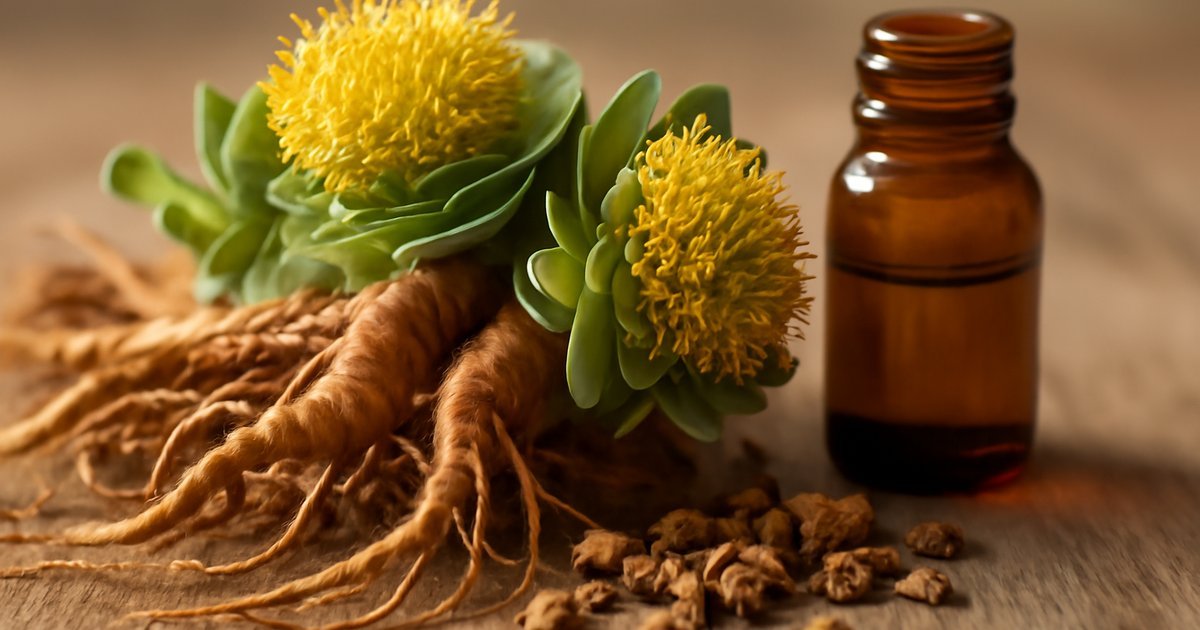
    Rhodiola rosea (also known as golden root, arctic root, or king’s crown) is a flowering plant native to cold, mountainous regions of Europe and Asia. Its root has been used in traditional healing systems for generations — reportedly to enhance physical endurance, reduce fatigue, and improve mood under harsh environmental conditions.

    Botanically, it belongs to the Crassulaceae family and grows at high altitudes, which is thought to be why it develops a particularly rich concentration of bioactive compounds as a survival mechanism.

    From a pharmacological standpoint, rhodiola is classified as an adaptogen — a term coined by Soviet researchers in the 1940s to describe substances that help normalize the body’s response to stressors without causing significant side effects. Unlike stimulants, adaptogens are thought to work by modulating the hypothalamic-pituitary-adrenal (HPA) axis, which governs your body’s stress response system.

    The primary active compounds in rhodiola root are rosavins (a group of phenylpropanoids unique to rhodiola) and salidroside (a phenolic glycoside also found in other plants). Most standardized rhodiola supplements are formulated to contain specific percentages of these compounds.

    According to the NIH National Center for Complementary and Integrative Health, rhodiola rosea is one of the more rigorously studied adaptogens, with dozens of clinical trials examining its effects on fatigue, cognitive function, and stress resilience.

    Signs You Might Benefit From Adaptogenic Support

    Rhodiola isn’t a treatment for any specific medical condition, but clinical research suggests it may offer meaningful support for people experiencing certain patterns of chronic stress and fatigue. You may want to discuss adaptogenic herbs with your healthcare provider if you recognize several of the following:

    • Persistent mental fatigue — difficulty concentrating or sustaining attention, even after adequate sleep
    • Burnout-related exhaustion — feeling drained despite a full night’s rest
    • Stress-induced performance decline — reduced productivity, motivation, or work capacity under pressure
    • Mild mood changes — feeling emotionally flat, irritable, or mildly anxious without a clinical diagnosis
    • Physical fatigue — reduced endurance or slower recovery from exercise
    • Difficulty adapting to seasonal transitions, high-altitude travel, or shift work schedules

    These experiences exist on a spectrum. This varies from person to person, and none of these symptoms should be dismissed or self-treated without a proper medical evaluation first. Thyroid dysfunction, anemia, depression, sleep disorders, and other treatable conditions can present with similar symptoms.

    A 2020 systematic review published in the journal Phytomedicine identified fatigue and stress-related cognitive decline as the two areas with the strongest clinical signal for rhodiola’s potential benefits across 11 randomized controlled trials.

    What Causes Burnout and Stress Fatigue — And Where Rhodiola May Help

    To understand why rhodiola rosea is being studied so actively, it helps to understand what happens in your body during chronic stress.

    When your brain perceives a threat — whether it’s a work deadline or an emotional crisis — it triggers your HPA axis to release cortisol, the primary stress hormone. In short bursts, cortisol is helpful: it sharpens focus, mobilizes energy, and suppresses inflammation temporarily.

    The problem arises with chronic, low-grade stress. Sustained high cortisol disrupts sleep architecture, impairs memory consolidation, suppresses immune function, increases cardiovascular strain, and depletes serotonin and dopamine signaling — leaving you feeling mentally foggy, emotionally brittle, and physically exhausted.

    Research suggests rhodiola may influence this system in several ways:

    • HPA axis modulation: Preclinical and some clinical evidence indicates rhodiola may help regulate cortisol secretion under stress, potentially blunting excessive cortisol spikes.
    • Monoamine neurotransmitter support: Salidroside appears to inhibit monoamine oxidase (MAO), the enzyme that breaks down serotonin, dopamine, and norepinephrine — neurotransmitters critical for mood and motivation.
    • Mitochondrial energy production: Rosavins may enhance ATP synthesis efficiency in mitochondria, the energy-generating units of your cells.
    • Anti-inflammatory signaling: Chronic stress drives inflammation; rhodiola compounds appear to modulate pro-inflammatory cytokines in animal and early human studies.

    According to research supported by the Swedish Herbal Institute and replicated in European clinical trials, oral rhodiola extract demonstrably reduced self-reported burnout scores and fatigue indices compared to placebo in working-age adults — though effect sizes were modest and more large-scale trials are still needed.

    What the Clinical Evidence Actually Shows

    Let’s be clear: rhodiola rosea is not a cure for burnout, chronic fatigue syndrome, depression, or any clinical condition. But the body of research supporting its modest benefits for stress resilience and fatigue is more robust than for many other popular botanical supplements. Here’s an honest look:

    For mental fatigue and cognitive performance: A well-cited randomized, double-blind, placebo-controlled trial (Shevtsov et al., published in Phytomedicine) found that rhodiola extract significantly improved cognitive performance and reduced mental fatigue in physicians working night shifts — a high-stress, sleep-deprived population with clear external validity. Effects were noted within a single dose period.

    For burnout and work-related stress: A 2018 randomized clinical trial published in Neuropsychiatric Disease and Treatment followed 118 participants with life-stress symptoms. Those taking standardized rhodiola extract showed significant improvements in burnout, exhaustion, and quality of life scores compared to placebo over 12 weeks, with a favorable safety profile.

    For physical endurance: Evidence here is more mixed. Some studies suggest rhodiola may modestly reduce perceived exertion and accelerate recovery after exercise, likely through mitochondrial and anti-inflammatory pathways. However, a 2013 study published in the Journal of Strength and Conditioning Research found no significant effect on endurance performance in trained athletes — suggesting benefit may be more pronounced in untrained or highly stressed individuals.

    For mood and anxiety: Clinical evidence suggests rhodiola may offer mild antidepressant and anxiolytic (anxiety-reducing) effects, though it should never replace prescribed treatment for clinical depression or anxiety disorders. A pilot study by Darbinyan et al. found significant improvement in mild-to-moderate depression scores using a standardized rhodiola extract, but the study size was small.

    The NIH Office of Dietary Supplements notes that while preliminary findings are encouraging, more large-scale, long-term randomized controlled trials are needed before definitive clinical recommendations can be made.

    Safe Use, Dosing Considerations, and What to Tell Your Doctor

    If you and your healthcare provider decide that rhodiola rosea is appropriate for your situation, here is what current clinical evidence and expert consensus generally support — without making specific dosage recommendations, which must come from your physician or pharmacist.

    Standardization matters: Look for supplements standardized to contain 3% rosavins and 1% salidroside, which reflects the most commonly studied formulation in clinical trials. The FDA does not regulate supplements with the same rigor as prescription drugs, so third-party testing certification (NSF International, USP, ConsumerLab) is strongly recommended.

    Timing consideration: Most clinical protocols administer rhodiola in the morning or early afternoon, as it may have mild stimulating properties that could interfere with sleep if taken late in the day.

    Duration: Most trials have evaluated use over 4 to 12 weeks. Research on long-term use beyond 12 weeks remains limited.

    Known interactions and contraindications to discuss with your doctor:

    • Monoamine oxidase inhibitors (MAOIs) — potential additive effects on neurotransmitter levels
    • Anticoagulants and antiplatelet drugs — theoretical interaction based on salidroside’s platelet effects
    • Diabetes medications — salidroside may have mild glucose-lowering effects; monitor blood sugar
    • Immunosuppressants — theoretical immune-modulating interactions
    • Pregnancy and breastfeeding — insufficient safety data; generally not recommended

    For individuals with bipolar disorder, rhodiola’s MAO-inhibiting properties theoretically raise the risk of manic episodes. Always disclose all supplements to your prescribing physician.

    If you’re already managing thyroid health or other chronic conditions, you may find it helpful to read our overview on Turmeric and Curcumin for Inflammation and Natural Wellness and our guide on Metabolic Syndrome in Men, which discusses lifestyle strategies that overlap with adaptogenic care.

    Living Well: Integrating Rhodiola Into a Broader Wellness Plan

    Rhodiola rosea is best understood as one potential tool within a comprehensive stress-management strategy — not a standalone solution. Clinical evidence consistently shows that lifestyle interventions remain the most powerful modifiers of chronic stress and fatigue.

    Research supports combining any adaptogenic supplement with:

    • Sleep optimization: The CDC recommends 7-9 hours of quality sleep for adults. Chronic sleep deprivation independently elevates cortisol, undermining any supplement benefit.
    • Regular aerobic exercise: The American Heart Association recommends at least 150 minutes of moderate-intensity activity per week. Exercise is among the most evidence-backed interventions for mood, cognitive function, and HPA axis regulation.
    • Mindfulness-based stress reduction (MBSR): Harvard Health and the NIH both cite MBSR as an evidence-supported intervention for cortisol regulation and burnout recovery.
    • Anti-inflammatory nutrition: A Mediterranean-style diet rich in omega-3 fatty acids, colorful vegetables, and whole grains supports neurotransmitter production and reduces systemic inflammation.
    • Social connection and boundary-setting: Behavioral and relational factors are powerful modulators of the chronic stress response — often underestimated relative to supplementation.

    You might also find value in exploring our article on Lion’s Mane Mushroom for Brain Health and Cognitive Support for additional context on evidence-based botanical nootropics.

    When to Call Your Doctor — And What Not to Self-Treat

    Certain symptoms that overlap with stress and fatigue require urgent medical evaluation. Do not self-treat with rhodiola or any supplement if you experience:

    • Persistent exhaustion lasting more than 6 weeks without a known cause — this warrants thyroid, CBC, and metabolic panel workup
    • Significant unintentional weight changes (loss or gain) alongside fatigue
    • Depressive symptoms — persistent sadness, hopelessness, loss of interest in activities, or thoughts of self-harm
    • Heart palpitations, chest tightness, or shortness of breath with exertion or at rest
    • Cognitive changes that are sudden or progressive — memory lapses, word-finding difficulty, confusion
    • Insomnia that does not improve with sleep hygiene measures after 2-3 weeks

    These are potential red flags for underlying medical conditions — from cardiovascular disease to endocrine disorders to clinical depression — that require proper diagnosis and treatment, not supplement substitution.

    At your next wellness visit, consider discussing: your current stress load, sleep quality, any supplements you’re taking, and whether fatigue testing (TSH, ferritin, vitamin B12, vitamin D, CBC, metabolic panel) would be appropriate for your age and risk profile.

    Frequently Asked Questions About Rhodiola Rosea

    Is rhodiola rosea safe for long-term use?
    Current clinical trials have evaluated rhodiola primarily over 4 to 12-week periods, with a generally favorable safety profile in healthy adults. Long-term safety data beyond three months is limited. Most integrative medicine practitioners recommend periodic breaks and ongoing monitoring, especially in individuals on other medications. Always discuss duration of use with your healthcare provider.

    Can rhodiola rosea help with anxiety?
    Some clinical evidence suggests rhodiola may offer mild anxiolytic effects, likely through its influence on serotonin and dopamine pathways. However, it is not a substitute for clinically validated treatments for anxiety disorders, including cognitive behavioral therapy (CBT), SSRIs, or SNRIs. If your anxiety is significantly impacting daily function, speak with a mental health professional.

    How quickly does rhodiola rosea work?
    Some studies have observed acute effects on cognitive fatigue within a single dose. For stress resilience and burnout-related fatigue, most trials report meaningful changes after 2 to 4 weeks of consistent use. Individual responses vary considerably based on stress load, baseline health, and supplement quality.

    Is rhodiola rosea the same as ashwagandha?
    No — while both are classified as adaptogens, they are botanically distinct plants with different bioactive compounds and somewhat different mechanisms of action. Ashwagandha (Withania somnifera) is associated more strongly with cortisol reduction and nighttime relaxation, while rhodiola rosea tends to have mild energizing and cognitive-sharpening effects. Some practitioners use them together, but combining supplements should always be done under professional guidance.

    Can I take rhodiola rosea with my prescription medications?
    Possibly — but this requires a conversation with your prescribing physician or pharmacist. Rhodiola has theoretical interactions with MAOIs, anticoagulants, blood sugar medications, and immunosuppressants. Never add any supplement to your regimen without disclosing it to your healthcare team.

    The Bottom Line on Rhodiola Rosea

    Rhodiola rosea stands out among botanical supplements for one key reason: there is a legitimate, peer-reviewed body of evidence supporting its use for stress-related fatigue and cognitive performance — even if that evidence is still growing and the effect sizes are modest.

    It is not a miracle herb, and it won’t replace the fundamentals of good health: consistent sleep, regular exercise, balanced nutrition, and professional medical care when needed. But for adults navigating the demands of high-stress modern life, rhodiola may offer meaningful support as part of a thoughtful, physician-guided wellness plan.

    Talk to your doctor before starting any new supplement, share your full medication list, and set realistic expectations. The most sustainable path to energy, resilience, and mental clarity is always a comprehensive one.


    Medical Disclaimer: This article is for informational and educational purposes only. It does not constitute medical advice, diagnosis, or treatment. Always consult your physician or a qualified healthcare provider before making changes to your health routine or treatment plan.

    Medically reviewed by our editorial health team. Content follows evidence-based standards aligned with CDC and NIH guidelines.

  • Lion’s Mane Mushroom: Brain Health & Cognitive Benefits

    Lion’s Mane Mushroom: Brain Health & Cognitive Benefits

    Lion’s Mane Mushroom: Brain Health & Cognitive Benefits

    Clinical research suggests this ancient medicinal fungus may support nerve growth, memory, and mental clarity — here’s what the evidence actually shows.

    Introduction

    Marcus, 54, noticed he was forgetting names, losing his train of thought mid-sentence, and struggling to focus during long work meetings. His physician ruled out serious neurological issues, but Marcus still wanted to be proactive. That’s when he started reading about lion’s mane mushroom — and wondering if it was hype or genuinely helpful.

    He’s not alone. According to the CDC, approximately 16 million Americans live with some form of cognitive impairment, and millions more report mild but frustrating mental fog as they age. More adults than ever are turning to natural wellness strategies to complement conventional care and preserve their cognitive edge.

    Lion’s mane mushroom (Hericium erinaceus) has attracted serious scientific attention in recent years. In this guide, you’ll learn what lion’s mane actually is, what peer-reviewed research says about its effects on brain health, how it’s used, who may benefit most, and what precautions to keep in mind before adding it to your routine.

    What Is Lion’s Mane Mushroom?

    Lion’s mane mushroom is a large, white, shaggy fungus that grows on hardwood trees across North America, Europe, and Asia. Its name comes from its distinctive appearance — long, cascading white spines that resemble a lion’s mane.

    For centuries, it has been used in traditional Chinese and Japanese medicine to support digestive health, nervous system function, and mental clarity. Today, it’s commercially available in the US as a dietary supplement in capsule, powder, and extract form, as well as a culinary mushroom sold fresh or dried.

    What makes lion’s mane scientifically interesting is its content of two unique bioactive compounds: hericenones (found in the fruiting body) and erinacines (found in the mycelium, or root-like structure). Research published through the NIH’s PubMed database suggests these compounds may stimulate the production of nerve growth factor (NGF) — a protein essential for the growth, maintenance, and survival of neurons in the brain.

    Lion’s mane is not a pharmaceutical drug. It is classified by the FDA as a dietary supplement, meaning it does not undergo the same rigorous approval process as prescription medications. This distinction matters when evaluating claims.

    What Research Says About Brain Health Benefits

    The most compelling science around lion’s mane centers on its potential to support neurological function through NGF stimulation. Here’s what clinical and preclinical evidence currently shows.

    A landmark double-blind, placebo-controlled clinical trial published in Phytotherapy Research followed 30 Japanese adults aged 50 to 80 with mild cognitive impairment. Participants who took lion’s mane extract for 16 weeks scored significantly higher on cognitive function tests than the placebo group — though cognitive scores declined again after supplementation stopped. This suggests an ongoing relationship between supplementation and benefit, rather than a permanent change.

    Additional research published in journals indexed by the NIH indicates that lion’s mane may support:

    • Memory and recall: Animal studies show improved spatial memory in models with hippocampal damage — the hippocampus is the brain region most associated with memory formation
    • Mood and anxiety reduction: A small study of menopausal women found that four weeks of lion’s mane consumption was associated with reduced irritability and anxiety compared to placebo
    • Nerve regeneration: In vitro (laboratory) studies demonstrate that erinacines can cross the blood-brain barrier and promote NGF synthesis, which may have implications for peripheral nerve injury recovery
    • Neuroprotection: Preliminary animal studies suggest potential protective effects against amyloid plaques — the protein deposits associated with Alzheimer’s disease — though human trials on this specific outcome remain limited

    It’s important to note: most human trials have been small (under 100 participants) and short in duration. Research suggests promise, but lion’s mane is not a proven treatment for Alzheimer’s disease, dementia, or any neurodegenerative condition. Larger, longer-term trials are still needed.

    Other Potential Health Benefits

    Beyond cognitive support, lion’s mane has been studied for several additional health applications that may interest health-conscious adults.

    Digestive health: Research suggests lion’s mane may have gastroprotective properties, potentially supporting the stomach lining and reducing inflammation in the gut. A study in the International Journal of Molecular Sciences found that lion’s mane extract helped protect against ulcer development in animal models — though human data remains early-stage. If you’re exploring gut health more broadly, our guide on Celiac Disease: Symptoms, Diagnosis & Gut Health Guide may also be helpful.

    Anti-inflammatory effects: Like other medicinal mushrooms, lion’s mane contains polysaccharides — long-chain carbohydrates — with documented anti-inflammatory and antioxidant properties. Chronic low-grade inflammation is linked to many age-related conditions, making this a relevant benefit for adults over 40. For related reading, see our article on Turmeric & Curcumin: Natural Anti-Inflammatory Benefits.

    Immune system support: Polysaccharides in lion’s mane, particularly beta-glucans, have been shown in clinical research to modulate immune response — enhancing immune surveillance without overstimulating the immune system.

    Mental health support: Early-stage research suggests that lion’s mane may influence levels of serotonin and dopamine — neurotransmitters that regulate mood — though the mechanisms are not yet fully understood. This is an active area of investigation.

    Who May Benefit Most From Lion’s Mane?

    Lion’s mane is not for everyone, and individual results vary considerably. However, clinical evidence suggests the following groups may see the most relevant benefits:

    • Adults over 50 experiencing mild cognitive changes: Age-related memory lapses, reduced mental sharpness, and slower processing speed are common, and lion’s mane’s NGF-stimulating properties may offer modest support
    • Individuals managing stress-related mental fog: Chronic stress elevates cortisol, which can impair memory and focus. Lion’s mane may complement other stress-reduction strategies
    • Those with a family history of neurological conditions: While lion’s mane is not a preventive treatment, some individuals choose to incorporate it as part of a broader cognitive wellness approach — always in consultation with a physician
    • People seeking natural digestive support: Its anti-inflammatory and gastroprotective properties may benefit those with mild GI discomfort

    This varies from person to person, and no supplement replaces comprehensive medical evaluation if you’re concerned about memory or neurological function.

    Forms, Dosing Ranges, and Quality Considerations

    Lion’s mane is available in several forms, each with different potency and bioavailability profiles. This section describes general research-based usage ranges — always consult your healthcare provider before beginning any new supplement.

    Forms available:

    • Capsules and tablets: The most standardized form, often containing whole mushroom powder or a dual extract (fruiting body + mycelium)
    • Powder: Can be mixed into coffee, smoothies, or soups; quality and potency vary significantly by brand
    • Liquid extracts: Higher concentration per dose, typically used by those seeking more pronounced effects
    • Fresh or dried mushroom: Culinary use is safe and enjoyable; the concentration of bioactive compounds is lower than in concentrated supplements

    Quality matters enormously. Because dietary supplements are not FDA-approved before sale, quality varies widely. When choosing a lion’s mane product, look for:

    • Third-party testing verification (NSF International, USP, or Informed Sport certification)
    • Products standardized to known percentages of beta-glucans
    • Clear labeling indicating whether the extract comes from the fruiting body, mycelium, or both — the fruiting body is generally considered to contain more hericenones
    • Reputable US-based manufacturers with transparent sourcing

    The clinical trial showing cognitive benefits used 3 grams per day of dried mushroom powder. However, extract products are often more concentrated, meaning effective amounts differ. Your doctor or a registered dietitian can help you evaluate specific products.

    Safety, Side Effects, and Drug Interactions

    Lion’s mane has a favorable safety profile in most adults, based on available clinical data. In the 16-week Japanese clinical trial, no serious adverse events were reported. However, like any bioactive compound, it is not without potential concerns.

    Reported side effects (uncommon but possible):

    • Digestive discomfort, bloating, or nausea — particularly at higher doses
    • Skin rashes or itching — possible signs of an allergic reaction
    • Breathing difficulty — rare, but reported in individuals with mushroom allergies; requires immediate medical attention

    Important precautions:

    • Mushroom allergies: If you are allergic to other fungi or mushrooms, avoid lion’s mane and speak with your allergist first
    • Blood sugar effects: Preliminary research suggests lion’s mane may have mild blood glucose-lowering properties. If you take diabetes medications, monitor glucose carefully and inform your physician
    • Anticoagulant interactions: Some animal studies suggest lion’s mane may affect platelet aggregation (blood clotting). If you take blood thinners such as warfarin, consult your doctor before use
    • Pregnancy and breastfeeding: Insufficient safety data exists. Most clinicians recommend avoiding supplemental lion’s mane during pregnancy or nursing
    • Autoimmune conditions: Because lion’s mane modulates immune function, individuals with autoimmune diseases should discuss use with their rheumatologist or primary care provider

    Living Well: Integrating Lion’s Mane Into a Brain-Healthy Lifestyle

    No single supplement — including lion’s mane — operates in isolation. Clinical evidence consistently shows that the most effective approach to long-term cognitive health is multi-layered.

    If you choose to incorporate lion’s mane, consider pairing it with these evidence-based brain-health strategies:

    • Regular aerobic exercise: The American Heart Association recommends at least 150 minutes of moderate-intensity exercise per week. Exercise promotes brain-derived neurotrophic factor (BDNF), a protein similar to NGF that supports neuron health
    • Quality sleep: The brain clears metabolic waste — including amyloid proteins — during sleep. Adults over 50 who consistently sleep less than 6 hours show higher cognitive decline risk, per NIH research
    • Mediterranean-style diet: Rich in vegetables, fatty fish, olive oil, and whole grains, this dietary pattern is associated with reduced dementia risk in multiple large cohort studies
    • Stress management: Chronic stress is neurotoxic. Mindfulness, therapy, and social connection have documented protective effects on the aging brain
    • Cognitive engagement: Learning new skills, reading, and social interaction support neuroplasticity — the brain’s ability to form new connections

    Lion’s mane fits most naturally as one tool within this broader framework — not as a replacement for it. For adults interested in other natural wellness supplements with complementary mechanisms, our guide on Berberine: Blood Sugar, Weight & Metabolic Health Benefits explores another evidence-supported option.

    When to See Your Doctor About Cognitive Concerns

    Mild forgetfulness is a normal part of aging. But certain symptoms require prompt medical evaluation — not supplements.

    Schedule an appointment with your physician if you notice:

    • Frequent memory lapses that affect daily functioning (missing appointments, forgetting familiar names repeatedly)
    • Difficulty with problem-solving, planning, or completing familiar tasks
    • Confusion about time, dates, or location
    • Changes in mood, personality, or behavior that others have commented on
    • Getting lost in familiar places

    Seek emergency care immediately if you experience:

    • Sudden severe confusion or disorientation
    • Sudden weakness, numbness, or loss of coordination
    • Sudden difficulty speaking or understanding speech
    • Sudden severe headache described as the worst of your life

    These may indicate a stroke or other neurological emergency. Call 911 without delay.

    At your next appointment, consider telling your doctor: "I’ve been reading about lion’s mane mushroom for cognitive support. I’d like your input on whether it’s appropriate for me given my current health profile and medications."

    Frequently Asked Questions

    Does lion’s mane mushroom actually improve memory?
    Research suggests it may modestly support memory in adults with mild cognitive impairment, based on a small but well-designed clinical trial. However, it has not been proven to reverse or prevent dementia. Effects appear to be most notable during active supplementation.

    How long does it take for lion’s mane to work?
    The most cited human clinical trial observed improvements after 16 weeks of consistent use. Most practitioners and researchers suggest allowing at least 8 to 12 weeks before assessing benefits. Individual variation is significant.

    Can I take lion’s mane every day?
    Most clinical trials used daily supplementation, and available safety data suggests it is generally well-tolerated for daily use in healthy adults. However, long-term safety data beyond one year remains limited. Discuss ongoing use with your physician.

    Is lion’s mane safe to take with other supplements or medications?
    It may interact with diabetes medications, blood thinners, and immunosuppressive drugs. Always disclose all supplements to your healthcare provider to screen for potential interactions.

    What’s the difference between lion’s mane fruiting body and mycelium?
    The fruiting body (the visible mushroom cap and spines) contains primarily hericenones, while the mycelium (the underground root-like network) contains erinacines. Both compounds appear to stimulate NGF. Some research suggests the fruiting body extract may be more potent for cognitive applications, but dual-extract products are also widely studied. Quality of extraction matters more than source alone.

    Conclusion

    Lion’s mane mushroom is one of the more scientifically credible options in the growing field of natural cognitive wellness. Its ability to stimulate nerve growth factor production sets it apart from many other supplements, and early human clinical trials — while limited in size — offer genuinely promising signals.

    That said, it is not a cure, it is not a replacement for medical care, and it works best as part of a comprehensive brain-healthy lifestyle that includes quality sleep, regular exercise, a nutrient-rich diet, and proactive conversations with your doctor.

    If you’re considering lion’s mane, bring it up at your next appointment. Your physician can help you evaluate whether it fits your specific health profile, flag any interactions, and set realistic expectations. Your brain health is worth a thoughtful, evidence-informed approach.


    Medical Disclaimer: This article is for informational and educational purposes only. It does not constitute medical advice, diagnosis, or treatment. Always consult your physician or a qualified healthcare provider before making changes to your health routine or treatment plan.

    Medically reviewed by our editorial health team. Content follows evidence-based standards aligned with CDC and NIH guidelines.
  • Turmeric & Curcumin: Natural Anti-Inflammatory Benefits

    Turmeric & Curcumin: Natural Anti-Inflammatory Benefits

    Decades of clinical research have positioned curcumin — the active compound in turmeric — as one of the most studied natural anti-inflammatory agents in integrative medicine today.

    A Spice With a Surprisingly Long Medical History

    Margaret, 54, had been dealing with chronic knee stiffness every morning for two years. Her rheumatologist confirmed mild osteoarthritis and discussed several management strategies — including lifestyle changes and anti-inflammatory support. During a follow-up appointment, Margaret asked about turmeric. "I kept seeing it everywhere," she said, "but I didn't know if there was real science behind it."

    Her question is one millions of Americans are asking. According to the National Institutes of Health (NIH), chronic inflammation plays a central role in conditions affecting more than 60% of American adults — including heart disease, type 2 diabetes, arthritis, and certain cancers. As interest in natural wellness grows, turmeric and its primary bioactive compound, curcumin, have moved from kitchen spice to one of the most researched botanical supplements in the United States.

    In this article, you'll learn what the clinical evidence actually says about turmeric and curcumin, how inflammation works in the body, who may benefit, what limitations exist, and how to use this supplement safely alongside conventional medical care.

    What Are Turmeric and Curcumin?

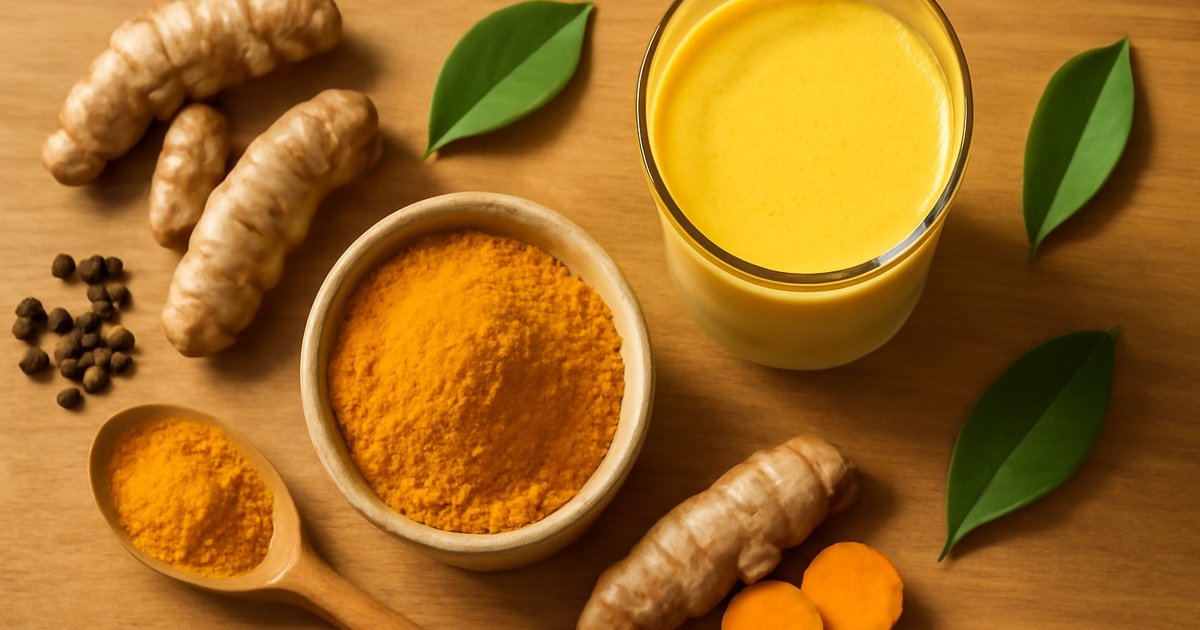
    Turmeric (Curcuma longa) is a flowering plant in the ginger family, native to South and Southeast Asia. The root is ground into the bright yellow-orange spice used in curries, mustards, and traditional medicine for centuries.

    Curcumin is the most pharmacologically active of turmeric's natural compounds, called curcuminoids. It's what gives turmeric its deep color — and most of its studied health effects. Turmeric root contains roughly 2–8% curcumin by weight, which means food sources alone provide relatively small amounts. Most clinical research has focused on concentrated curcumin extracts in supplement form.

    According to data from the NIH National Center for Complementary and Integrative Health (NCCIH), turmeric is among the top-selling botanical supplements in the United States, with Americans spending hundreds of millions of dollars annually on curcumin-based products. That level of consumer interest has driven significant academic and clinical research over the past two decades.

    How Curcumin Affects Inflammation in the Body

    To understand why curcumin matters, it helps to understand inflammation itself. Inflammation is your immune system's natural defense response — when it's short-term and localized, it's protective. But when inflammation becomes chronic and low-grade, persisting throughout the body over months or years, it begins to damage tissues and contributes to disease.

    Curcumin works through multiple biological pathways simultaneously. Research published in journals indexed by the NIH National Library of Medicine identifies curcumin as a potent inhibitor of NF-κB (nuclear factor kappa B), a protein complex that controls the transcription of inflammatory genes. It also appears to suppress COX-2 enzymes — the same enzymes targeted by common nonsteroidal anti-inflammatory drugs (NSAIDs) like ibuprofen — without the gastrointestinal side effects that NSAIDs can cause in some people.

    A 2021 meta-analysis published in the journal Phytotherapy Research, reviewing data from 15 randomized controlled trials, found that curcumin supplementation significantly reduced circulating levels of C-reactive protein (CRP) — a key blood marker of systemic inflammation. This finding has important implications for chronic disease prevention and management.

    That said, curcumin's clinical application faces one significant challenge: bioavailability. On its own, curcumin is poorly absorbed by the digestive tract. Most of it passes through the gut without entering the bloodstream. This is why modern formulations often include piperine (black pepper extract), which research suggests can increase curcumin absorption by up to 2,000%, or use lipid-based and nanoparticle delivery systems.

    Signs That Chronic Inflammation May Be Affecting Your Health

    Because chronic, low-grade inflammation is often "silent," many people don't realize it's occurring. Here are some early and more advanced signs that systemic inflammation may be playing a role in your health:

    Early or Mild Signs:

    • Persistent fatigue that doesn't improve with rest
    • Morning joint stiffness lasting more than 30 minutes
    • Frequent low-grade headaches
    • Digestive discomfort, bloating, or irregular bowel habits
    • Skin changes such as redness, rashes, or unexplained flushing
    • Elevated CRP or ESR (erythrocyte sedimentation rate) on routine bloodwork

    More Advanced or Concerning Signs:

    • Painful, swollen joints consistently (may indicate autoimmune involvement)
    • Unintended weight changes alongside fatigue
    • Recurring infections or slow healing wounds
    • Chest discomfort or shortness of breath (requires immediate evaluation)
    • Neurological symptoms such as brain fog, memory lapses, or mood changes

    Clinical evidence from the Cleveland Clinic suggests that chronically elevated CRP levels above 3.0 mg/L are associated with significantly higher cardiovascular risk — making anti-inflammatory strategies, both medical and lifestyle-based, an important focus for preventive care.

    What the Research Says: Key Areas of Evidence

    Curcumin has been studied across a wide range of conditions. Here is what current clinical evidence actually shows — with appropriate context about the strength of that evidence.

    Osteoarthritis and Joint Health

    This is where curcumin's evidence base is most robust. A 2022 systematic review published in Nutrients analyzed 11 randomized controlled trials involving patients with knee osteoarthritis. The review found that curcumin supplementation was associated with meaningful reductions in pain scores and improved physical function compared to placebo — with an effect size comparable to low-dose ibuprofen in some studies. Importantly, participants on curcumin reported fewer gastrointestinal side effects.

    If you're managing joint discomfort alongside conventional care, this is an area where many integrative medicine physicians now consider curcumin a reasonable adjunct — meaning a complementary addition, not a replacement for prescribed treatment. For more on protecting joint health as you age, you may also want to read our guide on Bone Density After 50: How to Protect Your Skeleton.

    Cardiovascular Inflammation Markers

    The American Heart Association recognizes chronic inflammation as a major independent risk factor for cardiovascular disease. Several clinical trials have found that curcumin supplementation reduces inflammatory markers such as CRP, interleukin-6 (IL-6), and tumor necrosis factor-alpha (TNF-α) — all of which are associated with arterial inflammation and plaque formation.

    A 2019 randomized controlled trial published in The American Journal of Cardiology found that curcumin supplementation in adults with metabolic syndrome led to significant improvements in endothelial function (the health of blood vessel linings) over 12 weeks. Research suggests these effects are promising, though larger, longer-duration trials are still needed before definitive clinical recommendations can be made.

    Gut Health and Digestive Inflammation

    Emerging research indicates that curcumin may benefit gut health by modulating the intestinal microbiome and reducing mucosal inflammation — the inflammation of the intestinal lining. A 2020 pilot trial found that curcumin supplementation alongside standard care reduced symptom scores in adults with mild-to-moderate ulcerative colitis.

    This connection between gut health and systemic inflammation is an active area of research. If you're interested in how digestive health affects overall wellness, our article on The Gut-Brain Connection: How Your Digestive Health Affects Your Mind provides additional clinical context.

    Metabolic Health and Blood Sugar Regulation

    Research published in the journal Diabetes Care and reviewed by the NIH suggests that curcumin may improve insulin sensitivity and reduce inflammatory markers associated with metabolic syndrome — a cluster of conditions including high blood sugar, excess abdominal fat, and high blood pressure that raises the risk of type 2 diabetes.

    A landmark 9-month randomized trial involving pre-diabetic adults found that those taking curcumin extract were significantly less likely to progress to full type 2 diabetes compared to a placebo group. These findings are intriguing, though they require replication in larger populations before becoming standard clinical guidance. For related reading, see our article on Berberine: Blood Sugar, Weight & Metabolic Health Benefits.

    Causes and Risk Factors for Chronic Inflammation

    Understanding what drives chronic inflammation helps you see why lifestyle-based interventions — including dietary supplements like curcumin — can play a meaningful role in a comprehensive wellness strategy.

    The primary drivers of chronic systemic inflammation include:

    • Diet: High intake of ultra-processed foods, refined sugars, and trans fats promotes inflammatory signaling. The standard American diet (SAD) is frequently cited in CDC and NIH literature as a major contributor to population-level chronic inflammation.
    • Physical inactivity: Sedentary behavior is independently associated with elevated CRP and IL-6 levels, according to research from the American Heart Association.
    • Chronic stress: Prolonged psychological stress activates the HPA (hypothalamic-pituitary-adrenal) axis, elevating cortisol and promoting inflammatory cytokine production.
    • Poor sleep: The CDC reports that more than 1 in 3 American adults don't get sufficient sleep — a pattern strongly linked to elevated inflammatory markers.
    • Excess body fat: Adipose tissue (body fat), particularly visceral fat around the abdomen, actively secretes pro-inflammatory compounds called adipokines.
    • Smoking and alcohol: Both are well-established promoters of oxidative stress and systemic inflammation.
    • Age: The NIH describes "inflammaging" — the gradual increase in background inflammatory activity that occurs with aging — as a key driver of age-related chronic disease.

    How to Use Turmeric and Curcumin Safely

    If you and your healthcare provider decide that curcumin supplementation is appropriate for you, here is what the current evidence supports regarding safe and effective use:

    Form and bioavailability matter: Look for products standardized to 95% curcuminoids and formulated with piperine (BioPerine), phospholipid complexes (Meriva), or advanced lipid-based delivery systems to improve absorption. Plain turmeric powder supplements have very limited bioavailability without these enhancements.

    Dosage ranges studied in clinical trials: Most research has used doses ranging from 500 mg to 2,000 mg of curcumin extract daily, divided into two or three doses with meals. However, you should never self-prescribe a specific dosage — always work with your physician or a registered dietitian to determine what's appropriate for your individual health status.

    Potential interactions to discuss with your doctor:

    • Blood thinners (warfarin, aspirin, clopidogrel): Curcumin has mild antiplatelet effects and may enhance bleeding risk when combined with anticoagulants.
    • Diabetes medications: May lower blood sugar — monitor levels closely if you take insulin or oral hypoglycemics.
    • Chemotherapy drugs: Some early research suggests curcumin may interact with certain cancer treatments; always inform your oncologist.
    • Iron absorption: High-dose curcumin may reduce dietary iron absorption in some individuals.

    Food-based turmeric: Using turmeric in cooking — golden milk, curries, smoothies — is a low-risk, enjoyable way to include this spice in an anti-inflammatory diet. While the amounts are smaller than supplement doses, consistent dietary inclusion is generally considered beneficial as part of an overall healthy eating pattern.

    When to Call Your Doctor or Seek Emergency Care

    Curcumin is generally considered safe for most adults at recommended supplement doses, but certain situations require prompt medical attention:

    Call your doctor if you experience:

    • New or worsening digestive symptoms after starting curcumin (nausea, diarrhea, stomach cramping)
    • Unusual bruising or prolonged bleeding — especially if you take blood thinners
    • Yellowing of the skin or eyes (jaundice) — rare but reported cases of liver injury have been documented with very high-dose curcumin use
    • Allergic reactions: hives, rash, or itching
    • Any worsening of the condition you're trying to manage

    Seek emergency care immediately if you notice:

    • Chest pain, difficulty breathing, or sudden swelling of the face, lips, or throat (signs of anaphylaxis or cardiac emergency)
    • Severe abdominal pain with vomiting
    • Sudden neurological changes: confusion, slurred speech, severe headache

    It's also important to tell every member of your healthcare team about all supplements you take — including turmeric and curcumin. The FDA does not regulate dietary supplements with the same rigor as prescription drugs, so transparency with your providers is essential.

    Frequently Asked Questions

    Q: Is turmeric the same as curcumin?
    No — turmeric is the whole spice, while curcumin is its primary active compound. Turmeric contains only about 2–8% curcumin by weight. Most clinical studies use concentrated curcumin extracts, not plain turmeric powder, so the research does not directly apply to cooking with the spice.

    Q: How long does it take for curcumin to reduce inflammation?
    This varies from person to person. Clinical trials have observed measurable reductions in inflammatory markers within 4 to 12 weeks of consistent supplementation. Most practitioners suggest giving a high-quality curcumin supplement at least 8 weeks before evaluating its effect.

    Q: Can I take curcumin if I'm on blood pressure or cholesterol medication?
    Possibly, but you should consult your prescribing physician first. Curcumin may have additive effects with some cardiovascular medications, and your provider may want to monitor certain labs more closely if you add this supplement.

    Q: Is curcumin safe for older adults?
    For most older adults without underlying liver conditions or blood-clotting disorders, curcumin at standard supplement doses appears to be well-tolerated, according to research reviewed by the NIH. However, older adults often take multiple medications, so a medication interaction review with your pharmacist or physician is strongly recommended before starting.

    Q: Can curcumin replace NSAIDs for arthritis pain?
    Research suggests curcumin may provide comparable relief to low-dose NSAIDs for mild-to-moderate osteoarthritis symptoms in some individuals — but it should not be considered a replacement without your physician's guidance. For moderate-to-severe arthritis or conditions like rheumatoid arthritis, conventional medical treatment remains the standard of care.

    Conclusion: A Promising Natural Tool — Within a Broader Health Strategy

    Turmeric and curcumin represent one of the most evidence-backed natural wellness supplements available today, particularly for supporting the body's inflammatory response. The science is genuinely promising — especially for joint health, cardiovascular inflammation markers, and metabolic support. But it's important to hold that enthusiasm alongside realistic expectations: curcumin is a complement to comprehensive medical care, not a cure or replacement for it.

    The most effective approach to chronic inflammation is still a multi-layered one — including a nutrient-dense diet, regular physical activity, quality sleep, stress management, and close partnership with your healthcare team. Curcumin, used thoughtfully and transparently with your providers, may be a meaningful addition to that strategy.

    Always bring supplement discussions to your next medical appointment. A well-informed provider is your best resource for personalizing a natural wellness plan that's safe and effective for your unique health picture.


    Medical Disclaimer: This article is for informational and educational purposes only. It does not constitute medical advice, diagnosis, or treatment. Always consult your physician or a qualified healthcare provider before making changes to your health routine or treatment plan.

    Medically reviewed by our editorial health team. Content follows evidence-based standards aligned with CDC and NIH guidelines.
  • Berberine: Blood Sugar, Weight & Metabolic Health Benefits

    Berberine: Blood Sugar, Weight & Metabolic Health Benefits

    Berberine: Blood Sugar, Weight & Metabolic Health Benefits

    A natural compound backed by clinical trials — but what does the evidence really say about berberine and metabolic health?

    Introduction

    Mark, 54, had been told his fasting blood sugar was "borderline" for two years. His doctor recommended lifestyle changes, but he wanted to explore every option available — including natural supplements that had some science behind them.

    He kept hearing about berberine. So do millions of Americans. According to the CDC, more than 96 million U.S. adults have prediabetes, and a large portion of them are actively seeking complementary approaches to support conventional care.

    Berberine is a plant-derived compound that has been studied in clinical trials for its effects on blood sugar regulation, weight management, and overall metabolic health. It is not a medication, and it is not a cure — but it has generated genuine interest in the medical and research communities.

    In this article, you will learn what berberine is, what the clinical evidence says about its benefits and limitations, how it compares to conventional approaches, and what to discuss with your doctor before trying it.

    What Is Berberine?

    Berberine is a bioactive alkaloid — a naturally occurring chemical compound — found in several plants, including barberry (Berberis vulgaris), goldenseal, Oregon grape, and tree turmeric. It has been used in traditional Chinese and Ayurvedic medicine for centuries, primarily for digestive and inflammatory conditions.

    In modern integrative medicine, berberine has gained attention primarily for its potential effects on metabolic function — particularly blood glucose control, lipid (fat) levels in the blood, and body weight regulation.

    What makes berberine scientifically interesting is its proposed mechanism of action. Research suggests it activates an enzyme called AMP-activated protein kinase, commonly known as AMPK. AMPK is sometimes called a "metabolic master switch" because it plays a central role in regulating how cells produce and use energy.

    According to a review published by the National Institutes of Health (NIH), AMPK activation is associated with improved insulin sensitivity — meaning cells respond more effectively to insulin — as well as reduced glucose production in the liver and enhanced fat metabolism.

    Berberine is available in the United States as a dietary supplement. It is not FDA-approved as a drug, and it is not a replacement for prescription medications like metformin or statins. However, it has been studied in clinical settings with notable results, which we will review carefully.

    Signs Your Metabolic Health May Be Struggling

    Berberine is most often discussed in the context of metabolic health. Before understanding why this compound has drawn scientific interest, it helps to recognize what metabolic dysfunction can look like in everyday life.

    Early signs that your metabolic health may need attention include:

    • Persistent fatigue, especially after meals
    • Difficulty losing weight despite consistent effort
    • Frequent sugar cravings or energy crashes mid-afternoon
    • Elevated fasting blood glucose on lab work (100–125 mg/dL is the prediabetes range)
    • High triglycerides or low HDL ("good") cholesterol on a lipid panel
    • Increased waist circumference — particularly above 35 inches in women and 40 inches in men
    • Brain fog or difficulty concentrating

    More advanced warning signs that require prompt medical evaluation include:

    • Fasting blood sugar consistently at or above 126 mg/dL
    • Unexplained significant weight loss combined with increased thirst and urination
    • Chest pain, shortness of breath, or irregular heartbeat
    • Numbness or tingling in the feet or hands (a possible sign of nerve damage)

    A 2023 report from the American Diabetes Association noted that metabolic syndrome — a cluster of conditions including high blood pressure, high blood sugar, excess abdominal fat, and abnormal cholesterol — affects approximately one in three U.S. adults. If you recognize several of the early signs above, a conversation with your doctor about metabolic screening is a smart first step.

    What Causes Metabolic Dysfunction? Risk Factors to Know

    Metabolic health is shaped by a combination of genetic, lifestyle, and environmental factors. Understanding where your risk comes from helps determine how aggressively to pursue intervention — including whether supplements like berberine might be worth discussing with your provider.

    Genetic factors: Family history of type 2 diabetes, cardiovascular disease, or obesity significantly raises your risk. Certain gene variants affect how efficiently your body processes glucose and stores fat.

    Lifestyle factors: A diet high in refined carbohydrates and added sugars, physical inactivity, poor sleep quality, and chronic stress all contribute to insulin resistance — the underlying driver of most metabolic dysfunction. According to the CDC, fewer than 25% of American adults meet both aerobic and muscle-strengthening activity guidelines.

    Environmental and demographic factors: Age is a significant risk factor. Insulin sensitivity tends to decline after age 40, and hormonal changes during perimenopause and menopause in women can accelerate metabolic shifts. Certain medications, including corticosteroids and some antipsychotics, can also impair glucose regulation.

    Gut microbiome health: Emerging research suggests that the composition of gut bacteria plays a meaningful role in metabolic regulation. Interestingly, some researchers believe part of berberine's effect may be mediated through its influence on gut microbiota — though this area is still being studied. If you're curious about the gut's broader role in health, our article on The Gut-Brain Connection: How Your Digestive Health Affects Your Mind provides helpful context.

    What Does the Clinical Evidence Say About Berberine?

    Berberine has been the subject of more rigorous clinical research than most dietary supplements. Here is what the evidence currently suggests — and where meaningful gaps remain.

    Blood Sugar Regulation

    The most studied application of berberine is its effect on blood glucose levels. A widely cited meta-analysis published in the journal Metabolism and referenced by NIH-indexed literature analyzed 14 randomized controlled trials involving patients with type 2 diabetes or metabolic syndrome. The pooled results suggested that berberine significantly reduced fasting blood glucose, postprandial (after-meal) blood glucose, and HbA1c — a marker of long-term blood sugar control.

    In some trials, berberine performed comparably to metformin, a first-line prescription medication for type 2 diabetes. However, clinical experts caution strongly against interpreting this as an endorsement to replace metformin or any prescribed medication with berberine without physician guidance.

    Research suggests berberine may work by reducing glucose production in the liver, slowing carbohydrate absorption in the gut, and improving how muscle cells take up glucose in response to insulin.

    Lipid (Cholesterol) Levels

    Clinical evidence indicates berberine may modestly lower LDL ("bad") cholesterol and triglycerides while having a neutral or slight positive effect on HDL cholesterol. A systematic review cited by the NIH found meaningful reductions in total cholesterol and triglycerides among adults taking berberine over 8–12 weeks.

    These findings are preliminary, and berberine is not a replacement for statin medications in people who have been prescribed them for cardiovascular risk reduction.

    Weight and Body Composition

    Several small clinical trials have reported modest reductions in body weight and waist circumference in adults taking berberine alongside lifestyle changes. The mechanisms proposed include reduced fat storage, improved insulin sensitivity, and potential effects on gut microbiome composition.

    However, the weight loss effects observed in studies are generally modest — typically 2 to 5 pounds over several months — and are not comparable to GLP-1 receptor agonist medications (such as semaglutide) or other medically supervised weight management approaches. Clinical evidence indicates berberine may support weight management efforts but should not be viewed as a primary weight loss intervention.

    Inflammation and Oxidative Stress

    Some laboratory and early clinical research suggests berberine has anti-inflammatory and antioxidant properties. These effects may partially explain its broader metabolic benefits, since chronic low-grade inflammation is a known driver of insulin resistance and cardiovascular disease. More large-scale human trials are needed to confirm the clinical significance of these findings.

    Berberine and Conventional Treatment: How They Fit Together

    It is essential to frame berberine correctly within the landscape of metabolic health management. Here is a realistic picture of where it fits:

    Conventional medical treatments remain the cornerstone: For diagnosed type 2 diabetes, hypertension, or dyslipidemia (abnormal cholesterol), prescription medications backed by decades of large-scale trials are the primary standard of care. These include metformin, SGLT-2 inhibitors, GLP-1 agonists, statins, and ACE inhibitors, among others. Most physicians recommend these first.

    Lifestyle modifications are non-negotiable: Regular physical activity, a diet rich in vegetables, lean proteins, and whole grains with limited refined sugars, adequate sleep, and stress management form the evidence-based foundation of metabolic health. The American Diabetes Association emphasizes that lifestyle intervention alone can delay or prevent progression from prediabetes to type 2 diabetes by up to 58% — a result more powerful than most supplements.

    Berberine as a complement, not a replacement: For adults with prediabetes or borderline metabolic markers who are already pursuing lifestyle changes and working with their physician, berberine may be worth discussing as an adjunct — a complementary strategy. It is not appropriate as a stand-alone treatment for diagnosed metabolic conditions.

    If you are managing type 2 diabetes or closely monitoring your metabolic health, discuss any supplement additions with your care team, as berberine can interact with diabetes medications and potentially cause hypoglycemia (blood sugar that drops too low).

    Safety, Side Effects, and Important Cautions

    Berberine is generally considered well-tolerated in short-term studies, but it is not without risk — especially for certain populations.

    Common side effects reported in clinical trials include:

    • Gastrointestinal discomfort, including nausea, diarrhea, constipation, or stomach cramping — particularly at higher doses
    • These effects are often reduced by starting at a lower dose and taking berberine with meals

    Drug interactions to know: Berberine may interact with several medications, including:

    • Metformin and other diabetes medications (risk of hypoglycemia)
    • Blood thinners such as warfarin
    • Certain antibiotics and antifungals
    • Cyclosporine (used after organ transplants)
    • Some blood pressure medications

    Populations who should avoid berberine:

    • Pregnant or breastfeeding women (berberine is not considered safe during pregnancy)
    • Children and adolescents
    • People with liver or kidney disease without medical supervision

    Because berberine is sold as a dietary supplement in the United States, it is not subject to the same FDA regulatory standards as prescription drugs. Product quality can vary significantly between brands. If you choose to try berberine, clinical evidence suggests looking for products that have undergone third-party testing for purity and potency — organizations like NSF International and USP provide this kind of certification.

    When to Call Your Doctor or Seek Emergency Care

    If you are considering berberine or already taking it, there are several situations that warrant prompt medical attention:

    Contact your doctor soon if you experience:

    • Persistent gastrointestinal symptoms that do not improve after one to two weeks
    • Unexplained fatigue, dizziness, or shakiness (possible signs of blood sugar fluctuation)
    • Any new symptoms after starting a supplement regimen
    • Fasting blood sugar readings outside the normal range (below 70 or above 126 mg/dL consistently)

    Go to the emergency room or call 911 immediately if you experience:

    • Severe dizziness, confusion, loss of consciousness, or seizure (signs of severe hypoglycemia)
    • Chest pain, difficulty breathing, or arm pain
    • Signs of severe allergic reaction: hives, swelling of the face or throat, difficulty swallowing

    At your next routine appointment, it is worth discussing your full supplement list — including berberine — with your primary care physician. Many people do not mention supplements to their doctors, but this information is medically important, especially when prescription medications are also in the picture.

    Frequently Asked Questions About Berberine

    Is berberine the same as metformin?
    No. Berberine is a dietary supplement derived from plants. Metformin is a prescription medication with decades of large-scale clinical trial evidence behind it. While some studies suggest berberine may have similar mechanisms of action to metformin in certain respects, they are not interchangeable. Metformin remains the gold standard first-line medication for type 2 diabetes management. Never substitute berberine for a prescribed medication without your doctor's guidance.

    How long does it take for berberine to work?
    This varies from person to person. In clinical trials, meaningful changes in fasting blood glucose and lipid levels were typically observed after 8 to 12 weeks of consistent use. Some individuals may notice changes sooner or later depending on their baseline health status, diet, and activity levels.

    Can berberine help with weight loss on its own?
    Research suggests berberine may modestly support weight management when combined with dietary changes and regular physical activity. However, clinical evidence does not support using berberine as a primary or stand-alone weight loss strategy. The weight reductions seen in studies are typically modest and occur in the context of broader lifestyle changes.

    Is berberine safe to take long-term?
    Most clinical trials on berberine have lasted 3 to 6 months. Long-term safety data beyond this window is limited. Most integrative medicine physicians who recommend berberine suggest periodic breaks and regular monitoring of blood glucose, liver enzymes, and kidney function. Always discuss long-term supplement use with your healthcare provider.

    Does berberine affect thyroid function?
    Some preliminary research suggests berberine may influence thyroid hormone levels in certain individuals. If you are managing a thyroid condition, this is especially important to discuss with your physician before starting berberine. For a broader look at thyroid health, our article on Thyroid Health After 50: Signs, Causes & Treatment offers helpful background.

    Conclusion

    Berberine is one of the more clinically studied natural supplements available today. The evidence suggests it may offer meaningful support for blood sugar regulation, lipid management, and metabolic health — particularly when used alongside a healthy diet, regular exercise, and appropriate medical care.

    But "clinically studied" does not mean "proven safe and effective for everyone," and it certainly does not mean "a replacement for your doctor's recommendations." Berberine works best as a complement to evidence-based care, not a shortcut around it.

    If your metabolic health is a concern — whether you have prediabetes, elevated cholesterol, or simply want to be proactive — the most powerful step you can take is an honest, informed conversation with your physician. Bring your questions, bring your supplement list, and make your health decisions together.

    This article is for informational and educational purposes only. It does not constitute medical advice, diagnosis, or treatment. Always consult your physician or a qualified healthcare provider before making changes to your health routine or treatment plan.

    Medically reviewed by our editorial health team. Content follows evidence-based standards aligned with CDC and NIH guidelines.
  • CoQ10 Benefits: Energy, Heart Health & Aging

    CoQ10 Benefits: Energy, Heart Health & Aging

    CoQ10 Benefits: Energy, Heart Health & Aging

    A coenzyme your cells depend on — and why levels drop as you age.

    Mark, 54, had been feeling inexplicably tired for months. His labs were normal, his sleep was decent, and his diet was reasonably healthy. When he mentioned it to his cardiologist during a routine follow-up for mild hypertension, the doctor asked a straightforward question: "Are you taking a statin?" Mark was. His cardiologist explained that statins — among the most widely prescribed medications in the United States — can reduce levels of a critical molecule in the body called coenzyme Q10, or CoQ10. Within a few weeks of supplementing under medical supervision, Mark noticed a meaningful difference in his energy levels.

    Stories like Mark's are more common than many people realize. According to the NIH Office of Dietary Supplements, CoQ10 is one of the most studied compounds in the field of mitochondrial health and cardiovascular function. Yet millions of Americans who might benefit from understanding it have never heard the term. In this guide, you'll learn what CoQ10 is, what the clinical evidence actually says about its benefits, who may need more of it, and how to have an informed conversation with your doctor about whether it belongs in your wellness routine.

    What Is CoQ10?

    Coenzyme Q10 is a fat-soluble, vitamin-like compound found naturally in virtually every cell of your body. Its primary role is to help your mitochondria — the energy-producing structures inside cells — convert food into adenosine triphosphate (ATP), the molecule your body uses as fuel for nearly every biological process.

    Think of CoQ10 as a critical component in your cells' energy assembly line. Without adequate CoQ10, the mitochondrial machinery slows down, and cells — especially those with high energy demands, like heart muscle cells, neurons, and skeletal muscle fibers — begin to function less efficiently.

    CoQ10 also plays a second, equally important role as a powerful antioxidant. It neutralizes free radicals — unstable molecules that damage cell membranes, DNA, and proteins — and helps regenerate other antioxidants like vitamin E. This dual function makes it uniquely relevant to aging, cardiovascular disease, neurological health, and metabolic conditions.

    The compound exists in two primary forms: ubiquinol (the active, reduced form) and ubiquinone (the oxidized form that must be converted by the body). Both are available as supplements, and research suggests that ubiquinol may be more readily absorbed, particularly in older adults.

    According to data published in the journal Nutrients, CoQ10 concentrations in the heart decline by approximately 72% between young adulthood and age 80 — a statistic that helps explain why cardiovascular function and physical energy often diminish with aging, independent of disease.

    Signs You May Have Low CoQ10 Levels

    Your body produces CoQ10 naturally, but production begins declining around age 30 and continues falling throughout life. Certain health conditions and medications can accelerate this decline significantly.

    Early and general signs of low CoQ10 may include:

    • Persistent fatigue despite adequate sleep and nutrition
    • Muscle weakness or soreness not explained by exercise
    • Brain fog or difficulty concentrating
    • Exercise intolerance — feeling unusually winded during normal activity
    • Frequent headaches or migraines
    • Generalized weakness or low physical stamina

    Populations at higher risk for CoQ10 deficiency include:

    • Adults over 50, due to natural decline in biosynthesis
    • People taking statin medications (HMG-CoA reductase inhibitors), which block the same pathway used to make CoQ10
    • Individuals with heart failure, diabetes, or cancer
    • People with mitochondrial disorders
    • Those with nutritional deficiencies or malabsorption conditions

    It's important to note that these symptoms overlap with many other conditions. Low CoQ10 is not the only possible explanation for fatigue or muscle weakness. A proper medical evaluation is essential before attributing symptoms to any single cause. This varies from person to person, and no symptom checklist can replace a clinical assessment.

    Causes and Risk Factors for CoQ10 Decline

    Understanding why CoQ10 levels drop helps clarify who is most likely to benefit from supplementation — and why some people may need more than others.

    Age-related decline is the most universal factor. CoQ10 biosynthesis requires a complex, multi-step process involving several vitamins and enzymes. As we age, this process becomes less efficient. The decline is especially pronounced in tissues with high energy demands, including the heart and brain.

    Statin medications represent one of the most clinically significant drivers of CoQ10 depletion. Statins work by inhibiting an enzyme called HMG-CoA reductase, which regulates cholesterol production — but this same enzyme is also involved in CoQ10 synthesis. A 2015 meta-analysis published in the Journal of the American College of Cardiology confirmed that statin use is associated with significantly reduced plasma CoQ10 levels. The CDC estimates that approximately 93 million American adults take prescription cholesterol-lowering medications, making this a widespread clinical concern.

    Chronic diseases such as heart failure, type 2 diabetes, Parkinson's disease, and cancer have all been associated with lower CoQ10 levels in research studies. Whether low CoQ10 contributes to these conditions or results from them — or both — is still being studied.

    Dietary factors also matter. CoQ10 is found in food sources including organ meats (heart, liver, kidney), fatty fish (sardines, mackerel, salmon), beef, pork, and some plant foods (spinach, broccoli, cauliflower, peanuts). However, dietary intake alone is generally insufficient to compensate for age-related decline or medication-induced depletion. A typical diet provides roughly 3–6 mg of CoQ10 daily, while therapeutic supplemental doses studied in clinical trials range considerably higher — always under a physician's guidance.

    Diagnosis: How CoQ10 Levels Are Assessed

    There is no standard, universally adopted screening test for CoQ10 deficiency in routine clinical practice. However, plasma CoQ10 levels can be measured through specialized blood tests, and some integrative medicine physicians and cardiologists order them in specific clinical contexts.

    If you're experiencing unexplained fatigue, muscle symptoms on statin therapy, or managing heart failure, it's worth discussing CoQ10 testing with your provider. Be prepared to share your full medication list, any supplements you currently take, and a clear description of your symptoms.

    Your doctor may also evaluate thyroid function, iron levels, B12, vitamin D, and other markers before considering CoQ10 as a contributing factor — since these deficiencies can produce similar symptoms. Learn more about thyroid health after 50, as low thyroid function is one of the most commonly overlooked causes of fatigue in adults.

    In cases of suspected mitochondrial disease — a group of rare inherited disorders affecting cellular energy production — more specialized testing by a neurologist or metabolic specialist may be appropriate.

    CoQ10 Benefits: What the Evidence Says

    CoQ10 is one of the most well-researched supplements in cardiovascular and mitochondrial medicine. Clinical evidence indicates meaningful benefits in several areas, though research quality varies by condition.

    Heart Failure and Cardiovascular Health

    The most robust clinical evidence for CoQ10 supplementation comes from cardiovascular research. The landmark Q-SYMBIO trial, a randomized controlled trial published in JACC Heart Failure in 2014, followed 420 patients with moderate-to-severe heart failure over two years. Participants supplementing with CoQ10 showed a significantly lower rate of major adverse cardiovascular events and reduced cardiovascular mortality compared to placebo.

    The American Heart Association recognizes CoQ10 as having preliminary evidence supporting its role in heart failure management, though it emphasizes that it should be used as a complement to — not a replacement for — standard medical therapy.

    Research also suggests CoQ10 may help reduce blood pressure. A 2007 meta-analysis of 12 clinical trials published in the Journal of Human Hypertension found that CoQ10 supplementation was associated with meaningful reductions in both systolic and diastolic blood pressure without significant side effects. If you're managing cardiovascular risk factors, you may also want to read about cardiovascular health during and after menopause.

    Statin-Associated Muscle Symptoms

    Muscle pain, weakness, and cramping — collectively called statin myopathy — affect an estimated 5 to 20% of statin users, according to the American College of Cardiology. Because statins deplete CoQ10, researchers have explored whether supplementation might reduce these side effects.

    Results have been mixed. Some trials show a reduction in muscle pain with CoQ10 supplementation; others show no significant benefit compared to placebo. Clinical evidence indicates that the benefit may vary depending on individual genetic factors, statin type, and dose. Nonetheless, many cardiologists and internists recommend CoQ10 as a reasonable, low-risk option for patients experiencing statin-related muscle complaints.

    Energy, Exercise Performance, and Aging

    Several smaller studies suggest that CoQ10 supplementation may reduce perceived fatigue and improve physical performance, particularly in older adults and in people with chronic fatigue-related conditions. A 2014 study published in Nutrition found that CoQ10 plus selenium supplementation over four years was associated with significantly lower cardiovascular mortality in healthy elderly participants — suggesting a role in healthy aging beyond cardiovascular disease.

    Research also suggests CoQ10 may support mitochondrial function in aging muscle tissue, potentially complementing strategies for preventing age-related muscle loss, sometimes called sarcopenia.

    Migraine Prevention

    Clinical evidence indicates that CoQ10 may reduce migraine frequency. A randomized trial published in Neurology found that CoQ10 supplementation was significantly more effective than placebo in reducing the number of migraine days per month. The American Academy of Neurology includes CoQ10 among nutritional supplements with evidence supporting migraine prevention, though it notes that evidence strength varies.

    Blood Sugar and Metabolic Health

    Emerging research suggests CoQ10 may support insulin sensitivity and reduce oxidative stress in people with type 2 diabetes, though this area requires more large-scale clinical trials before strong recommendations can be made. If diabetes is part of your health picture, this guide on type 2 diabetes management provides useful context for complementary wellness strategies.

    Living With Low CoQ10: Practical Wellness Strategies

    Whether you're using CoQ10 supplements or simply looking to support your body's natural production, there are several evidence-informed approaches worth discussing with your healthcare provider.

    Dietary sources: Prioritize CoQ10-rich foods like wild-caught salmon, sardines, grass-fed beef, and organ meats if your diet allows. Colorful vegetables like spinach and broccoli provide smaller amounts. A balanced, whole-food diet also provides the B vitamins and trace minerals that support CoQ10 biosynthesis.

    Supplement form matters: Research suggests that ubiquinol — the active form — may be better absorbed than ubiquinone, especially in adults over 50. Fat-soluble supplements like CoQ10 are best taken with a meal that contains some dietary fat to enhance absorption.

    Timing and consistency: CoQ10 levels build gradually in the body. Most clinical trials showing benefit used supplementation periods of at least 8–12 weeks. Consistency matters more than timing within the day.

    Lifestyle factors that support mitochondrial health:

    • Regular aerobic exercise (150 minutes of moderate-intensity activity per week, per CDC guidelines)
    • Adequate sleep — mitochondrial repair is heavily sleep-dependent
    • Stress management, since chronic cortisol elevation increases oxidative stress and can deplete antioxidant reserves
    • Limiting alcohol consumption and avoiding smoking, both of which increase oxidative damage

    You may also benefit from reviewing other evidence-based supplements that work alongside CoQ10. Magnesium glycinate, for example, plays a complementary role in mitochondrial energy production and nervous system health.

    When to Call Your Doctor: Red Flags and Key Conversations

    CoQ10 supplementation is generally considered safe and well-tolerated, but that doesn't mean it's appropriate for everyone without medical guidance. There are important situations where professional input is essential.

    Seek prompt medical attention if you experience:

    • Severe or sudden muscle weakness, especially on statin therapy — this can indicate a rare but serious condition called rhabdomyolysis
    • Chest pain, shortness of breath, or palpitations
    • Unexplained, extreme fatigue that is worsening or accompanied by other symptoms
    • Neurological symptoms such as numbness, vision changes, or difficulty walking

    Talk to your doctor before starting CoQ10 if you:

    • Take blood thinners (anticoagulants) like warfarin — CoQ10 may affect how these medications work
    • Are managing heart failure or any serious cardiac condition
    • Are pregnant or breastfeeding — safety data in these populations is limited
    • Are managing diabetes and taking blood sugar-lowering medications — CoQ10 may have additive effects on glucose regulation

    At your next routine visit, consider asking:

    • "Given my medications and health conditions, could CoQ10 supplementation be appropriate for me?"
    • "Would you recommend testing my CoQ10 levels, given that I'm on a statin?"
    • "Are there any interactions I should be aware of with my current prescriptions?"

    Frequently Asked Questions About CoQ10

    Is CoQ10 safe to take long-term?

    Research suggests that CoQ10 is generally well-tolerated for long-term use. Most clinical trials lasting up to several years have not reported significant adverse effects. Mild gastrointestinal symptoms like nausea or upset stomach can occur, usually reduced by taking CoQ10 with food. That said, long-term supplementation should always be discussed with your physician, particularly if you take medications that might interact.

    How long does it take for CoQ10 to work?

    This varies from person to person. Most clinical studies showing measurable benefits used supplementation periods of 8 to 12 weeks or longer. It's not a fast-acting compound — plasma CoQ10 levels rise gradually over weeks, and cellular effects take time to accumulate. Patience and consistency are important.

    Can you get enough CoQ10 from food alone?

    For younger, healthy individuals, dietary CoQ10 combined with the body's natural production may be sufficient. However, research suggests that as production declines with age — and especially in people taking statins or managing chronic conditions — dietary intake alone is unlikely to compensate. Supplementation may be warranted in these cases, under medical guidance.

    Does CoQ10 interfere with statin medications?

    CoQ10 does not interfere with the cholesterol-lowering mechanism of statins. In fact, clinical evidence suggests that CoQ10 supplementation may help address one of statin therapy's unintended side effects — CoQ10 depletion — without reducing the cardiovascular protection that statins provide. Many cardiologists now routinely recommend CoQ10 alongside statin therapy for patients experiencing muscle-related symptoms.

    Is ubiquinol better than ubiquinone?

    Both forms can raise plasma CoQ10 levels. However, research suggests that ubiquinol — the active, reduced form — may be more bioavailable (better absorbed) in older adults, since the body's ability to convert ubiquinone to ubiquinol appears to decline with age. For adults over 50, some physicians and researchers prefer ubiquinol-based supplements, though the cost is typically higher. Your healthcare provider can help you weigh the options.

    Conclusion

    CoQ10 isn't a cure, and it isn't magic — but it is one of the more robustly studied compounds in natural wellness, with meaningful clinical evidence supporting its role in heart health, energy metabolism, and healthy aging. As your body's CoQ10 production naturally declines with age — and particularly if you take statin medications — understanding this molecule and discussing it with your healthcare provider is a reasonable, proactive step.

    The goal of natural wellness isn't to replace medical care. It's to complement it with evidence-based strategies that support your body at the cellular level. Start the conversation with your doctor, bring your full medication list, and let the science guide your decisions. Your cells will thank you.


    Medical Disclaimer: This article is for informational and educational purposes only. It does not constitute medical advice, diagnosis, or treatment. Always consult your physician or a qualified healthcare provider before making changes to your health routine or treatment plan.

    Medically reviewed by our editorial health team. Content follows evidence-based standards aligned with CDC and NIH guidelines.
  • Magnesium Glycinate for Anxiety: Benefits & Evidence

    Magnesium Glycinate for Anxiety: Benefits & Evidence

    Clinical research suggests magnesium glycinate may offer meaningful support for anxiety, sleep, and nervous system function — but how does it compare to other forms, and who benefits most?

    Introduction

    Linda, 47, had been waking up at 3 a.m. every night, her mind racing through tomorrow’s to-do list. Her annual labs came back mostly normal, but her doctor noticed something: her magnesium levels were sitting at the low end of the reference range. After a conversation about dietary gaps and stress, her physician suggested trying magnesium glycinate as part of a broader wellness plan.

    Stories like Linda’s are far more common than most people realize. According to the NIH, nearly half of all Americans consume less magnesium than the estimated average requirement from food alone. This widespread shortfall has quietly become one of the most underappreciated factors in anxiety, poor sleep, and nervous system dysregulation.

    In this guide, you will learn what magnesium glycinate is, how it differs from other forms of magnesium, what the clinical evidence says about its role in anxiety and nervous system support, and how to have an informed conversation with your doctor about whether it might be right for you.

    What Is Magnesium Glycinate?

    Magnesium glycinate is a chelated form of magnesium — meaning the mineral is chemically bonded to glycine, an amino acid. This binding process improves absorption in the gastrointestinal tract and significantly reduces the laxative effect commonly associated with other magnesium supplements like magnesium citrate or magnesium oxide.

    Magnesium itself is a critical mineral involved in over 300 enzymatic reactions in the human body. It plays a direct role in muscle and nerve function, blood glucose regulation, protein synthesis, and energy production. Crucially for those dealing with anxiety, magnesium is deeply involved in regulating the nervous system’s stress response.

    According to the NIH Office of Dietary Supplements, the recommended dietary allowance (RDA) for magnesium is 310–320 mg per day for adult women and 400–420 mg per day for adult men. Despite these benchmarks, national dietary surveys consistently show that a large portion of U.S. adults fall short — particularly those over 50, individuals with gastrointestinal disorders, and people with type 2 diabetes.

    Unlike magnesium oxide (which has poor bioavailability, often below 4%) or magnesium sulfate (typically used medically), magnesium glycinate is widely considered one of the most bioavailable and well-tolerated oral forms available.

    Signs You May Have Low Magnesium

    Magnesium deficiency — clinically called hypomagnesemia when severe — exists on a spectrum. Mild to moderate inadequacy is far more common than true clinical deficiency and can produce a range of subtle but impactful symptoms.

    Early or mild signs may include:

    • Persistent fatigue or low energy despite adequate sleep
    • Muscle cramps or twitches, especially at night
    • Difficulty falling or staying asleep
    • Heightened anxiety, irritability, or nervousness
    • Headaches or migraines
    • Brain fog or difficulty concentrating
    • Increased sensitivity to noise or light

    More advanced signs may include:

    • Heart palpitations or irregular heartbeat
    • Numbness or tingling in the hands and feet
    • Persistent muscle weakness
    • Elevated blood pressure readings
    • Worsening anxiety or panic attacks

    A 2018 systematic review published in Nutrients found that magnesium supplementation showed statistically significant reductions in subjective anxiety measures in mildly anxious adults. This variation from person to person is important — not everyone with low magnesium will experience the same symptoms, and individual response to supplementation also varies considerably.

    Causes and Risk Factors for Low Magnesium

    Understanding why magnesium levels drop is essential before reaching for a supplement. Several factors — dietary, medical, and lifestyle — can deplete your body’s magnesium stores over time.

    Dietary causes:

    • Low intake of magnesium-rich foods (dark leafy greens, nuts, seeds, whole grains, legumes)
    • Highly processed diets that replace whole foods with refined products
    • Excessive alcohol consumption, which increases urinary magnesium excretion

    Medical and physiological causes:

    • Type 2 diabetes — research indicates higher urinary magnesium loss in people with insulin resistance
    • Gastrointestinal conditions (Crohn’s disease, celiac disease, IBS) that impair absorption
    • Chronic stress, which accelerates magnesium depletion through increased cortisol output
    • Aging — the NIH notes that magnesium absorption decreases and renal excretion increases with age

    Medication-related causes:

    • Proton pump inhibitors (PPIs), commonly prescribed for acid reflux, are associated with hypomagnesemia with long-term use (FDA warning issued)
    • Certain diuretics used for blood pressure management
    • Some antibiotics and chemotherapy agents

    According to the CDC, more than 37 million Americans live with type 2 diabetes, and tens of millions more are on long-term PPI therapy — placing a significant portion of the U.S. adult population at elevated risk for suboptimal magnesium status.

    Magnesium Glycinate and Anxiety: What the Evidence Says

    The relationship between magnesium and anxiety is grounded in neuroscience, not wellness marketing. Magnesium acts as a natural calcium antagonist in the nervous system — it helps regulate the NMDA receptor, a key player in the excitatory glutamate pathway. When magnesium levels are low, NMDA receptors become overactivated, which research suggests may contribute to heightened anxiety, stress reactivity, and mood instability.

    Additionally, magnesium is required for the synthesis and regulation of neurotransmitters including serotonin, GABA (gamma-aminobutyric acid), and dopamine. GABA is particularly relevant here — it is the nervous system’s primary inhibitory neurotransmitter, essentially the brain’s natural "calm down" signal. Adequate magnesium supports GABA receptor function, which may help reduce the hyperarousal associated with anxiety disorders.

    Clinical evidence suggests the following:

    • A 2016 randomized controlled trial published in PLOS ONE found that magnesium supplementation reduced anxiety symptoms in adults with mild-to-moderate generalized anxiety, particularly when combined with vitamin B6.
    • A 2017 systematic review in Nutrients concluded that magnesium supplementation appeared beneficial for anxiety in vulnerable populations, though researchers called for larger clinical trials.
    • Research published in the Journal of the American Board of Family Medicine suggests that suboptimal magnesium intake is independently associated with higher rates of depression and anxiety in community-dwelling adults.

    It is important to understand that magnesium glycinate is not a replacement for evidence-based treatments for clinical anxiety disorders — including cognitive behavioral therapy (CBT), medication prescribed by a licensed provider, or psychotherapy. Rather, clinical evidence indicates it may function as a helpful adjunct, particularly for individuals with documented low magnesium status.

    If you are managing chronic anxiety, be sure to read about Ashwagandha Benefits: Stress, Sleep & Hormonal Health — another natural compound with emerging research in this area — and discuss all options with your healthcare provider.

    Treatment Options: Using Magnesium Glycinate Safely

    If your doctor determines that magnesium supplementation is appropriate for you, magnesium glycinate is generally considered one of the preferred forms due to its high bioavailability and tolerability. Here is what clinical guidance and research suggest about using it effectively.

    Conventional medical context:

    Physicians typically evaluate magnesium status through a serum magnesium blood test, though it is worth noting that serum levels reflect only a small fraction of total body magnesium. Red blood cell (RBC) magnesium testing may provide a more accurate assessment in some cases. Always discuss testing with your provider before starting supplementation.

    Lifestyle modifications that support magnesium levels:

    • Dietary sources: Prioritize magnesium-rich whole foods — spinach, pumpkin seeds, black beans, almonds, avocado, dark chocolate (70%+), and whole grains like quinoa and oats
    • Stress reduction: Chronic psychological stress depletes magnesium; evidence-based practices like mindfulness, yoga, and regular aerobic exercise can help maintain healthier levels
    • Reduce alcohol consumption: Even moderate alcohol intake increases urinary magnesium loss over time
    • Review medications: If you are on a PPI long-term, ask your doctor whether your magnesium levels should be monitored

    Sleep as a partner benefit:

    One reason magnesium glycinate is often taken in the evening is its potential to improve sleep quality. Magnesium regulates melatonin production and helps calm the nervous system before sleep. If you are struggling with both anxiety and sleep disruption, you may find our article on Sleep After 50: Why It Changes and How to Sleep Better particularly useful.

    Living With Anxiety: Practical Day-to-Day Strategies

    Managing anxiety well means addressing it from multiple directions — not relying on any single supplement or strategy. Most physicians and mental health professionals recommend a multimodal approach that includes lifestyle, behavioral, and when appropriate, pharmacological or supplement-based interventions.

    Evidence-based daily practices that complement magnesium support:

    • Regular physical activity: The American Psychological Association notes that even 30 minutes of moderate aerobic exercise three to five times a week significantly reduces anxiety symptoms in clinical populations
    • Diaphragmatic breathing: Activates the parasympathetic nervous system, directly counteracting the fight-or-flight stress response
    • Consistent sleep schedule: Sleep deprivation worsens anxiety and depletes magnesium — the two are tightly interconnected
    • Caffeine moderation: High caffeine intake can worsen anxiety and interfere with magnesium absorption; consider reducing intake if symptoms are prominent
    • Mindfulness-based stress reduction (MBSR): Supported by Harvard Medical School research as an effective non-pharmacological tool for generalized anxiety
    • Gut health support: Emerging research points to the gut-brain axis as a key pathway in mood regulation; a healthy microbiome may enhance magnesium absorption as well — learn more in our guide to Probiotics for Gut Health: What the Evidence Really Says

    When to Call Your Doctor: Red Flags and Important Signals

    While magnesium glycinate is generally considered safe for most healthy adults, there are situations where professional evaluation is essential before starting supplementation — and other signs that warrant urgent medical attention.

    Seek medical evaluation before starting supplementation if you have:

    • Chronic kidney disease (CKD) — impaired kidneys cannot excrete excess magnesium, raising risk of toxicity
    • Heart block or known arrhythmia
    • Currently taking medications that interact with magnesium (certain antibiotics, bisphosphonates, diuretics)
    • A diagnosis of myasthenia gravis or other neuromuscular conditions

    Seek emergency care immediately if you experience:

    • Sudden severe chest pain or palpitations that feel irregular or rapid
    • Extreme muscle weakness, difficulty breathing, or loss of coordination
    • Severe panic attacks with chest tightness or shortness of breath (these may mimic cardiac events and require evaluation)
    • Numbness or tingling that is sudden-onset or spreading rapidly

    Tell your doctor at your next visit:

    • That you are experiencing anxiety symptoms — even if they feel "mild" or manageable
    • All supplements you are currently taking or considering
    • Whether your symptoms are affecting your sleep, work performance, or relationships
    • If you are on a long-term PPI or diuretic and have not had your magnesium level checked recently

    Frequently Asked Questions

    Q: How long does it take for magnesium glycinate to work for anxiety?

    This varies from person to person. Some individuals report improvements in sleep quality and a subtle reduction in tension within one to two weeks. Research suggests that meaningful changes in anxiety measures may take four to eight weeks of consistent supplementation. Clinical evidence indicates that results are generally more pronounced in individuals with documented low magnesium intake or status.

    Q: What is the best time of day to take magnesium glycinate?

    Most physicians and pharmacists recommend taking magnesium glycinate in the evening or before bed. This timing aligns with its calming, sleep-supportive properties and tends to minimize any mild gastrointestinal effects. It can be taken with or without food.

    Q: Can magnesium glycinate interact with my medications?

    Yes. Magnesium can interfere with the absorption of certain antibiotics (fluoroquinolones, tetracyclines) and osteoporosis medications (bisphosphonates). It may also affect how certain diuretics and diabetes medications work. Always disclose all supplements to your prescribing physician or pharmacist.

    Q: Is magnesium glycinate safe for long-term use?

    For most healthy adults without kidney disease, magnesium glycinate is considered safe for long-term use at doses within the tolerable upper intake level (350 mg of supplemental magnesium per day for adults, as established by the NIH). However, individual needs vary, and long-term supplementation should be monitored by a healthcare provider.

    Q: Can I get enough magnesium from food alone?

    Many people can, especially with a diet rich in whole foods. However, dietary surveys consistently show that a significant portion of U.S. adults fall short of the RDA through food alone. If you eat a varied, whole-food diet and are not in a high-risk category, food-first is always the preferred approach. Supplementation becomes more relevant when dietary gaps exist alongside symptoms or documented insufficiency.

    Conclusion

    Magnesium glycinate is not a miracle cure — but the science supporting its role in nervous system regulation, anxiety management, and sleep quality is more robust than many people realize. As one of the most bioavailable and well-tolerated forms of magnesium, it represents a reasonable, evidence-informed option for adults who have documented dietary gaps or are in high-risk groups for magnesium insufficiency.

    The most important step you can take is to have an honest conversation with your doctor about your anxiety symptoms, your diet, and your current medication list. Together, you can determine whether magnesium glycinate fits into your broader wellness plan — as part of a thoughtful, evidence-based approach that addresses anxiety from multiple directions.

    Your nervous system deserves real support, grounded in real science.


    Medical Disclaimer: This article is for informational and educational purposes only. It does not constitute medical advice, diagnosis, or treatment. Always consult your physician or a qualified healthcare provider before making changes to your health routine or treatment plan.

    Medically reviewed by our editorial health team. Content follows evidence-based standards aligned with CDC and NIH guidelines.

  • Ashwagandha Benefits: Stress, Sleep & Hormonal Health

    Ashwagandha Benefits: Stress, Sleep & Hormonal Health

    Clinical research is revealing why this ancient adaptogenic root has earned serious attention in modern integrative medicine.

    Mark, 47, had been running on caffeine and adrenaline for the better part of a decade. His sleep was erratic, his cortisol levels were consistently elevated on lab work, and his physician had started the conversation about anxiety management options. That’s when Mark asked about ashwagandha — and whether the science actually supported its growing reputation.

    It’s a question millions of Americans are asking. According to the American Botanical Council, adaptogens like ashwagandha have seen a dramatic surge in consumer interest over the past five years, with sales of herbal supplements in the US reaching multi-billion dollar figures annually. But unlike many wellness trends, ashwagandha — formally known as Withania somnifera — has a growing body of peer-reviewed clinical research behind it.

    In this guide, you’ll learn what ashwagandha is, what the current clinical evidence actually says about its effects on stress, sleep, and hormonal health, who may benefit from it, and — critically — when to be cautious and how to use it as a complement to conventional care, not a replacement.

    What Is Ashwagandha?

    Ashwagandha is a small evergreen shrub native to India, North Africa, and parts of the Mediterranean. Its root has been used for centuries in Ayurvedic medicine — one of the world’s oldest traditional healing systems — as a rasayana, or rejuvenating tonic. In Western integrative medicine, it is classified as an adaptogen: a class of natural substances thought to help the body resist physical and psychological stress.

    The active compounds in ashwagandha are primarily withanolides — a group of naturally occurring steroidal lactones concentrated in the root. These compounds are believed to modulate the hypothalamic-pituitary-adrenal (HPA) axis, the body’s central stress-response system, and may influence neurotransmitter pathways including GABA receptors in the brain.

    According to the NIH’s National Center for Complementary and Integrative Health (NCCIH), ashwagandha is one of the most studied herbal supplements in the United States, with an increasing number of randomized controlled trials evaluating its safety and efficacy in human populations.

    It is available in several forms, including root powder, standardized extracts (most studied), capsules, and gummies. Standardized extracts — particularly those standardized to a specific percentage of withanolides — are what most clinical trials have used, making them the most evidence-aligned option.

    Potential Benefits: What the Evidence Shows

    Research on ashwagandha is still evolving, but several areas have accumulated enough clinical data to warrant serious consideration. Here is what the evidence currently suggests — with appropriate context about the quality and limitations of each finding.

    Stress and Cortisol Reduction

    This is the most well-researched area of ashwagandha use. A 2019 randomized, double-blind, placebo-controlled trial published in Medicine found that adults who took a standardized ashwagandha root extract for eight weeks showed statistically significant reductions in perceived stress scores and serum cortisol levels compared to placebo. Cortisol — often called the "stress hormone" — is produced by the adrenal glands and plays a central role in the body’s fight-or-flight response.

    Chronically elevated cortisol is associated with weight gain (particularly around the abdomen), disrupted sleep, immune suppression, and increased cardiovascular risk. Research suggests that ashwagandha may help regulate HPA axis activity, essentially helping the body mount a more proportionate stress response rather than a sustained, dysregulated one.

    Clinical evidence indicates this effect is modest to moderate — meaningful for many people but not a standalone solution for severe anxiety disorders or clinical stress-related conditions. Most physicians recommend it as a complementary approach alongside behavioral interventions like cognitive behavioral therapy (CBT) and lifestyle modifications.

    Sleep Quality

    Emerging clinical data suggests that ashwagandha may support sleep quality, particularly in individuals whose poor sleep is linked to stress or an overactive stress-response system. A 2020 randomized controlled trial published in PLOS ONE found that adults with self-reported sleep problems who took ashwagandha extract for six weeks experienced significant improvements in sleep quality, sleep onset latency (how long it takes to fall asleep), total sleep time, and next-morning alertness compared to placebo.

    The mechanism may involve ashwagandha’s interaction with GABA receptors — the same receptors targeted by many prescription sleep medications — though the degree of this effect in humans requires further study. It is worth noting that these improvements were measured using both validated questionnaires and actigraphy (a wearable device that tracks movement during sleep), lending some objective weight to the findings.

    If you are already managing sleep challenges, you may find our article on Sleep After 50: Why It Changes and How to Sleep Better a useful complement to this information.

    Hormonal Health and Thyroid Function

    Ashwagandha’s relationship with hormonal health is nuanced and deserves careful explanation. Some clinical research suggests it may support thyroid hormone levels in individuals with subclinical hypothyroidism — a condition where TSH is mildly elevated but T3 and T4 remain in range. A small 2017 study found that participants with subclinical hypothyroidism who took ashwagandha for eight weeks showed statistically significant increases in T3 and T4 levels compared to placebo.

    However, this thyroid-stimulating effect is precisely why ashwagandha requires medical supervision for anyone already on thyroid medication or with existing thyroid conditions. Combining it with levothyroxine or other thyroid drugs without physician guidance could result in over-treatment.

    For men, several trials have examined ashwagandha’s potential effect on testosterone levels. A 2019 pilot study found modest improvements in testosterone and DHEA-S (a hormonal precursor) in healthy men who took ashwagandha for eight weeks, though sample sizes remain small and these findings should be considered preliminary. This does not mean it "boosts" testosterone in a clinically dramatic sense — it means it may support normal hormonal regulation within the body’s existing capacity.

    Physical Performance and Recovery

    A 2015 randomized controlled trial published in the Journal of the International Society of Sports Nutrition found that men who took ashwagandha root extract for eight weeks showed significantly greater gains in muscle strength and recovery, as well as greater reductions in exercise-induced muscle damage markers compared to placebo. This has made ashwagandha of interest in the context of natural wellness strategies for adults managing age-related changes in muscle mass and recovery capacity — an area closely linked to healthy aging.

    Who May Benefit Most

    Based on available research, ashwagandha may offer the most meaningful benefit for:

    • Adults experiencing chronic stress and elevated cortisol — particularly those whose stress is physiologically measurable and affecting sleep, mood, or weight
    • People with poor sleep quality related to stress or anxiety — not primary insomnia disorders requiring clinical intervention
    • Middle-aged adults concerned about gradual hormonal shifts — including declining resilience, energy, and muscle recovery
    • Individuals with subclinical thyroid concerns — only under physician supervision
    • Active adults aged 40 and older seeking natural support for physical performance and recovery

    This varies from person to person. Individual responses to ashwagandha depend on baseline cortisol levels, existing health conditions, genetics, and the specific supplement formulation used.

    How to Use Ashwagandha Safely

    Clinical trials have generally used doses ranging from 300 mg to 600 mg of standardized root extract daily, taken with meals. Most studies showing benefit used formulations standardized to a minimum of 5% withanolides. However, specific dosage recommendations for your individual situation should come from your healthcare provider — not a supplement label or a blog post.

    Here are practical evidence-aligned considerations:

    • Look for standardized extracts: Products standardized to a defined percentage of withanolides have been used in most clinical trials. Generic "root powder" products vary widely in potency.
    • Choose third-party tested products: The FDA does not regulate supplements the same way it does medications. Look for products with USP, NSF International, or ConsumerLab verification.
    • Give it time: Most trials showing benefit used an 8-week minimum supplementation period. Ashwagandha does not produce acute effects the way caffeine does.
    • Take it consistently: Evening use is often preferred given its potential sleep-supportive effects, but morning use has also been studied effectively for stress outcomes.
    • Cycle periodically: Some integrative physicians recommend taking periodic breaks (one week off per month, or a few months off per year) to prevent adaptation, though this remains a clinical judgment call, not a hard rule from trials.

    Risks, Side Effects, and Who Should Avoid It

    Ashwagandha is generally considered well-tolerated in healthy adults at studied doses, but it is not without risk for certain populations. Clinical evidence indicates the following:

    Common mild side effects include gastrointestinal discomfort, loose stools, and drowsiness — particularly at higher doses or when taken on an empty stomach.

    Rare but serious concerns include liver injury. The FDA and several case reports have linked ashwagandha use — particularly at high doses or with prolonged use — to rare cases of drug-induced liver injury (DILI). These cases are uncommon, but they underscore the importance of medical oversight, especially for individuals with pre-existing liver conditions or those taking hepatically-processed medications.

    Who should avoid ashwagandha without explicit physician approval:

    • Pregnant women — ashwagandha may stimulate uterine contractions and is contraindicated in pregnancy
    • Breastfeeding women — insufficient safety data exists
    • Individuals with autoimmune conditions (lupus, rheumatoid arthritis, MS) — ashwagandha may stimulate immune activity, potentially worsening autoimmune responses
    • People on thyroid medications
    • Individuals taking immunosuppressants, sedatives, or benzodiazepines — potential for additive effects
    • People with known nightshade sensitivity — ashwagandha belongs to the Solanaceae family

    If you are also exploring other evidence-based natural supplements, our guide on Adaptogens for Stress Management provides a broader overview of this supplement category with clinical context.

    When to Call Your Doctor

    Before starting ashwagandha — or any supplement — it is important to have an informed conversation with your physician. This is especially true if you are managing any chronic condition or taking prescription medications.

    Seek medical attention promptly if you experience:

    • Yellowing of the skin or eyes (jaundice) — a potential sign of liver stress
    • Severe abdominal pain or nausea after starting ashwagandha
    • Unexplained fatigue or dark-colored urine
    • Significant changes in heart rate, blood pressure, or mood
    • Signs of allergic reaction: hives, swelling, difficulty breathing

    At your next routine visit, consider discussing:

    • Your current stress and cortisol levels — baseline labs can help track whether a supplement is actually working
    • Whether ashwagandha makes sense alongside your current medication regimen
    • How to evaluate product quality — your doctor or a registered dietitian can help you choose a reputable brand
    • Setting a realistic timeline and re-evaluation plan (typically 8-12 weeks)

    Frequently Asked Questions

    Q: How long does ashwagandha take to work?
    Most clinical trials showing measurable effects in stress, sleep, and hormonal markers used supplementation periods of six to twelve weeks. Research suggests that most people who respond to ashwagandha begin noticing changes in sleep quality and stress perception within four to six weeks, with more measurable hormonal or physical performance effects taking longer.

    Q: Can ashwagandha replace my anxiety medication?
    No. Ashwagandha should never be used as a substitute for prescribed psychiatric or anxiolytic medications without your physician’s explicit guidance. Clinical evidence positions it as a complementary approach for mild to moderate stress — not as a treatment for anxiety disorders, which require proper clinical evaluation and evidence-based care including therapy and, when appropriate, medication.

    Q: Is ashwagandha safe to take every day?
    For most healthy adults, daily use at studied doses appears to be well-tolerated over periods of eight to twelve weeks based on current trials. Long-term safety data beyond three months is limited. Most integrative physicians recommend periodic breaks and annual liver function monitoring for people who use it regularly. Always consult your doctor before establishing a long-term supplement routine.

    Q: Does ashwagandha affect hormones in women?
    Clinical evidence suggests ashwagandha may support hormonal balance in women, particularly by moderating cortisol — which, when chronically elevated, can disrupt reproductive hormone cycles. Some preliminary research shows potential benefits for women in perimenopause experiencing stress-related hormonal disruption. However, this remains an area requiring more robust clinical trials. Women with hormone-sensitive conditions should consult their physician before using ashwagandha. You may also find our article on Adaptogens for Stress Management helpful for understanding how stress regulation affects hormonal health broadly.

    Q: Can I take ashwagandha with other supplements?
    Combining ashwagandha with other supplements — particularly other adaptogens, herbal sedatives, or hormone-modulating supplements — requires careful consideration. Potential additive effects with supplements like valerian root (for sleep), melatonin, or rhodiola are not well-studied in combination. Always disclose every supplement you are taking to your healthcare provider, as interactions between natural products can be clinically meaningful even when neither carries a prescription.

    The Bottom Line

    Ashwagandha is one of the most clinically studied herbal supplements available today, and the evidence for its effects on stress, sleep quality, and hormonal balance is more substantial than most natural wellness products can claim. That said, "more studied than average" does not mean "proven for everyone" — and it certainly does not mean "safe without guidance."

    If you are a health-conscious adult managing the physiological demands of stress, disrupted sleep, or gradual hormonal changes, ashwagandha may be worth discussing with your physician as part of a thoughtful, integrated wellness approach. The key word is discussing — with a qualified provider who knows your health history, your medications, and your goals.

    Natural wellness is most powerful when it works with evidence-based medicine — not around it. Used wisely and with appropriate medical oversight, ashwagandha may be a meaningful tool in that larger strategy.


    Medical Disclaimer: This article is for informational and educational purposes only. It does not constitute medical advice, diagnosis, or treatment. Always consult your physician or a qualified healthcare provider before making changes to your health routine or treatment plan.

    Medically reviewed by our editorial health team. Content follows evidence-based standards aligned with CDC and NIH guidelines.

  • Vitamin D Deficiency: Symptoms, Causes & Natural Solutions

    Vitamin D Deficiency: Symptoms, Causes & Natural Solutions

    Vitamin D Deficiency: Symptoms, Causes & Natural Solutions

    Over 40% of American adults are vitamin D deficient — and most have no idea until serious symptoms appear.

    Introduction

    Mark, 52, had been feeling exhausted for months. His joints ached, his mood had tanked, and no matter how much sleep he got, he woke up tired. His doctor ran a routine blood panel — and the culprit turned out to be something surprisingly simple: a severe vitamin D deficiency.

    Mark's story is far from unusual. According to research published through the NIH, an estimated 40% of U.S. adults are vitamin D deficient, making it one of the most widespread nutritional shortfalls in the country. Yet despite how common it is, vitamin D deficiency is frequently overlooked — both by patients and, sometimes, even by clinicians during routine checkups.

    In this guide, you'll learn what vitamin D deficiency actually is, why so many Americans develop it, how to recognize the warning signs, and what evidence-based natural and medical strategies can help you restore healthy levels. Whether you're managing a chronic condition or simply trying to stay ahead of preventive care, understanding your vitamin D status may be one of the most important steps you take for your long-term health.

    What Is Vitamin D Deficiency?

    Vitamin D is a fat-soluble vitamin — meaning your body stores it in fatty tissue and the liver — that functions more like a hormone than a typical nutrient. It plays a central role in calcium absorption, bone mineralization, immune regulation, muscle function, and even mood modulation.

    Your body produces vitamin D primarily through sun exposure: when ultraviolet B (UVB) rays hit your skin, a chemical reaction converts a cholesterol compound into the precursor form of vitamin D, which your liver and kidneys then activate into its usable form, called calcitriol.

    Clinically, vitamin D deficiency is defined as a blood level of 25-hydroxyvitamin D (25(OH)D) below 20 nanograms per milliliter (ng/mL). Levels between 20 and 29 ng/mL are considered insufficient, while optimal levels are generally cited as 30 to 60 ng/mL by most major health organizations, including the Endocrine Society.

    According to the CDC, vitamin D deficiency disproportionately affects older adults, individuals with darker skin tones, people with obesity, and those living at higher latitudes — but no demographic group is immune. The consequences of chronically low vitamin D extend well beyond weak bones, touching immune health, cardiovascular function, and mental well-being.

    Signs and Symptoms of Vitamin D Deficiency

    One of the most challenging aspects of vitamin D deficiency is that it often produces vague, non-specific symptoms that are easy to dismiss or attribute to aging, stress, or lifestyle factors. Research suggests the body can tolerate declining vitamin D levels for months before noticeable symptoms emerge.

    Early warning signs may include:

    • Persistent fatigue and low energy despite adequate sleep
    • Mild muscle weakness, especially in the legs and hips
    • Bone aches and general body discomfort
    • Frequent colds, infections, or slow recovery from illness
    • Low mood, irritability, or mild depressive symptoms
    • Hair thinning or increased hair shedding
    • Slower-than-normal wound healing

    Signs of more advanced or prolonged deficiency may include:

    • Osteomalacia — softening of the bones in adults — causing deep bone pain, particularly in the back, hips, and legs
    • Stress fractures or increased fracture risk from minimal trauma
    • Severe muscle cramping and weakness
    • Significant immune suppression with recurrent infections
    • Worsening of autoimmune conditions
    • In children, rickets — a condition causing bowed legs and skeletal deformities

    A 2018 meta-analysis published through the NIH National Library of Medicine found that individuals with vitamin D deficiency had significantly higher rates of depressive symptoms compared to those with sufficient levels — underscoring how this nutrient affects not just physical health but mental wellness, too. This variation from person to person can be significant, and symptoms may look very different depending on your baseline health, age, and other nutritional factors.

    Causes and Risk Factors

    Vitamin D deficiency rarely has a single cause. Most cases result from a combination of lifestyle factors, biological variables, and environmental conditions that limit either production or absorption of the vitamin.

    Limited sun exposure is the leading driver. The American Academy of Dermatology estimates that sunscreen with SPF 30 reduces vitamin D synthesis in the skin by more than 95%. Add to that the widespread use of sunscreen (necessary for skin cancer prevention), indoor lifestyles, and the reality that people living above the 37th parallel — roughly north of Los Angeles — cannot produce significant vitamin D from sunlight for four to six months of the year.

    Dietary insufficiency is another major factor. Very few foods naturally contain vitamin D in meaningful amounts. Fatty fish like salmon, mackerel, and sardines are among the best natural sources, along with egg yolks and beef liver. Fortified foods — milk, orange juice, cereals — help, but clinical evidence indicates that dietary intake alone rarely brings most Americans to optimal levels.

    Key risk factors include:

    • Age over 50: Skin efficiency at producing vitamin D declines with age, and kidney function — needed to activate vitamin D — also decreases
    • Obesity: Vitamin D becomes sequestered in body fat, making it less bioavailable; the CDC notes that obese individuals often need two to three times the standard vitamin D intake to maintain adequate levels
    • Darker skin tone: Higher melanin content reduces UVB absorption, decreasing vitamin D synthesis — a key reason Black Americans show deficiency rates estimated near 70-80% in some studies
    • Malabsorption conditions: Crohn's disease, celiac disease, and gastric bypass surgery impair vitamin D absorption from food and supplements
    • Certain medications: Some anticonvulsants, glucocorticoids, and antifungal drugs accelerate vitamin D breakdown in the body
    • Kidney or liver disease: These organs are essential for converting vitamin D into its active form

    Understanding your personal risk profile is important. If two or more of these factors apply to you, clinical evidence strongly suggests discussing vitamin D testing with your primary care physician.

    Diagnosis: What to Expect

    Diagnosing vitamin D deficiency is straightforward and requires a simple blood test. Your doctor will order a serum 25-hydroxyvitamin D test — often abbreviated as 25(OH)D — which measures how much vitamin D is circulating in your bloodstream. This is the most accurate marker of your overall vitamin D status.

    The test is typically performed as part of a comprehensive metabolic panel or ordered separately when deficiency is suspected based on symptoms or risk factors. Results are usually available within a few days.

    Understanding your results:

    • Below 12 ng/mL: Severe deficiency — associated with rickets in children and osteomalacia in adults
    • 12 to 19 ng/mL: Deficient — supplementation is almost universally recommended
    • 20 to 29 ng/mL: Insufficient — many clinicians recommend correction to reduce long-term risks
    • 30 to 60 ng/mL: Generally considered adequate by most guidelines
    • Above 100 ng/mL: Potentially toxic — vitamin D toxicity, while rare, is a real risk with excessive supplementation

    Most physicians recommend getting tested if you have risk factors, unexplained fatigue, bone pain, or frequent illness. The U.S. Preventive Services Task Force does not currently recommend universal screening in asymptomatic adults without risk factors, but targeted testing remains common and appropriate clinical practice for many patients.

    Your doctor may also check parathyroid hormone (PTH) levels, calcium, and phosphate alongside your vitamin D, since these are closely interrelated and help paint a fuller picture of your bone and mineral health.

    Treatment Options: Medical and Natural Approaches

    Restoring healthy vitamin D levels typically involves a combination of supplementation, dietary changes, and sensible sun exposure — tailored to your specific deficiency level, health status, and lifestyle. Your physician will guide the approach, especially if your deficiency is severe.

    Medical Supplementation

    Vitamin D supplementation is the cornerstone of treatment for clinically confirmed deficiency. Most physicians prescribe either vitamin D2 (ergocalciferol) or vitamin D3 (cholecalciferol), with research suggesting D3 is more effective at raising and sustaining blood levels.

    For confirmed severe deficiency, a physician may prescribe high-dose prescription vitamin D to bring levels up quickly, followed by a lower maintenance dose. Over-the-counter supplements are appropriate for mild to moderate insufficiency and prevention, but you should always work with your doctor to determine the right amount for your situation — more is not always better, and vitamin D toxicity, while uncommon, can cause dangerous hypercalcemia (elevated calcium in the blood).

    Natural Dietary Sources

    While diet alone rarely corrects deficiency, incorporating vitamin D-rich foods is a valuable complement to supplementation and supports long-term maintenance. Evidence-backed natural food sources include:

    • Fatty fish: Salmon (approximately 570-800 IU per 3 oz serving, wild-caught), mackerel, sardines, and herring
    • Cod liver oil: One of the most concentrated food sources of vitamin D
    • Egg yolks: Particularly from pasture-raised hens exposed to sunlight
    • UV-exposed mushrooms: Mushrooms treated with UV light can produce meaningful amounts of vitamin D2
    • Fortified foods: Milk, plant-based milks, orange juice, and breakfast cereals

    Safe Sun Exposure

    Research suggests that 10 to 30 minutes of midday sunlight on the arms and legs several times a week can meaningfully contribute to vitamin D production — but this varies widely based on skin tone, latitude, season, and age. This approach should always be balanced against the well-established risks of UV exposure, including skin cancer. Most dermatologists recommend never forgoing sunscreen as a primary vitamin D strategy.

    For more on how diet and natural nutrients work together to support your body, our guide on Omega-3 Fatty Acids: Benefits, Sources & Evidence covers another essential nutrient that works synergistically with vitamin D for cardiovascular and bone health.

    Living With Vitamin D Deficiency: Day-to-Day Management and Prevention

    Managing vitamin D deficiency is not a one-time fix — it requires ongoing attention to lifestyle habits, regular monitoring, and consistent follow-up with your healthcare provider.

    Practical day-to-day strategies:

    • Take your vitamin D supplement consistently, ideally with your largest meal of the day since it's fat-soluble and absorbs better with dietary fat
    • Pair vitamin D with adequate magnesium intake — research suggests magnesium is required to activate vitamin D in the body; our guide on Gut Microbiome Health also highlights how gut health affects nutrient absorption
    • Retest your 25(OH)D levels every three to six months while correcting a deficiency, and annually once levels are stabilized
    • Keep a symptom journal — note changes in energy, mood, and muscle comfort as your levels improve
    • Discuss vitamin D status with all specialists involved in your care, especially if you manage autoimmune conditions, osteoporosis, or cardiovascular disease

    Prevention strategies with evidence:

    For adults at higher risk — those over 50, with darker skin, or with malabsorption conditions — the NIH Office of Dietary Supplements recommends proactive supplementation and regular monitoring rather than waiting for symptoms to develop. For people managing bone health concerns, vitamin D works closely with calcium and weight-bearing exercise to maintain bone density and reduce fracture risk, as supported by research from the American Bone Health organization.

    If you're over 50 and concerned about long-term bone and muscle integrity, our article on Sarcopenia: Prevent Age-Related Muscle Loss explains how vitamin D connects to muscle health as you age.

    When to Call Your Doctor or Seek Emergency Care

    Most vitamin D deficiency cases are manageable in a primary care setting and do not constitute medical emergencies. However, certain symptoms warrant prompt medical attention.

    Call your doctor soon if you experience:

    • Persistent deep bone pain in your back, hips, or legs that doesn't improve with rest
    • Significant muscle weakness that affects your ability to walk, climb stairs, or perform daily activities
    • Frequent fractures from minor injuries or falls
    • Worsening depressive symptoms or mood changes that feel new or different from your baseline
    • You have a condition that impairs fat absorption (Crohn's, celiac, bariatric surgery history) and have not been tested recently

    Seek emergency care immediately if you experience:

    • Signs of hypercalcemia from vitamin D toxicity — which can include severe nausea, vomiting, confusion, extreme thirst, frequent urination, or irregular heartbeat — especially if you are taking high-dose supplements without medical supervision
    • Sudden severe muscle weakness or difficulty breathing
    • Signs of a fracture following minimal impact

    What to tell your doctor at your next visit: Bring a list of all supplements you currently take, including doses. Ask specifically for a 25(OH)D blood test if you haven't been tested in the past year and have one or more risk factors. Mention any symptoms of fatigue, bone pain, or mood changes, even if they seem minor.

    Frequently Asked Questions

    Q: Can I get enough vitamin D from food alone without supplements?

    For most Americans, dietary sources alone are unlikely to maintain optimal vitamin D levels, particularly for those over 50 or with limited sun exposure. Clinical evidence consistently shows that supplementation is often necessary to bridge the gap — but your doctor can help determine what's appropriate based on your blood levels.

    Q: How long does it take to correct vitamin D deficiency?

    This varies from person to person. With appropriate supplementation, many people see measurable improvement in blood levels within eight to twelve weeks. However, bringing severely depleted levels back to optimal range can take three to six months or longer. Consistent supplementation and follow-up testing are essential.

    Q: Is vitamin D3 better than vitamin D2?

    Research suggests vitamin D3 (cholecalciferol) is generally more effective than D2 (ergocalciferol) at raising and sustaining blood levels of 25(OH)D. Most physicians and dietitians recommend D3 for maintenance supplementation, though D2 is still used clinically in certain prescription formulations.

    Q: Can vitamin D deficiency cause depression?

    Clinical evidence indicates a meaningful association between low vitamin D levels and depressive symptoms. Several studies suggest that correcting deficiency may improve mood in some individuals, though vitamin D supplementation is not a treatment for clinical depression and should never replace standard mental health care. If you're struggling with mood, discuss it openly with your doctor.

    Q: Is it possible to take too much vitamin D?

    Yes. Vitamin D toxicity, while rare, is a real medical concern — and it always results from excessive supplementation, not sun exposure or food. Toxicity causes hypercalcemia, which can lead to kidney damage, heart arrhythmias, and other serious complications. This is why testing your levels and working with your physician to determine the right supplementation dose is essential, rather than self-prescribing high amounts.

    Conclusion

    Vitamin D deficiency is one of the most common and most underestimated nutritional health issues facing American adults today. The good news is that it is also one of the most correctable — with the right combination of testing, supplementation, dietary awareness, and sensible lifestyle adjustments.

    If you've been feeling persistently tired, achy, or under the weather without a clear explanation, a simple blood test could be the first step toward real answers. Working with your physician to identify and address vitamin D deficiency is a practical, evidence-based investment in your long-term bone health, immune function, mood, and overall quality of life.

    You don't need to navigate this alone. Share what you've learned here with your doctor, ask about testing, and take a proactive role in your own wellness journey. Small, consistent steps — guided by real clinical evidence — can make a meaningful difference.


    Medical Disclaimer: This article is for informational and educational purposes only. It does not constitute medical advice, diagnosis, or treatment. Always consult your physician or a qualified healthcare provider before making changes to your health routine or treatment plan.

    Medically reviewed by our editorial health team. Content follows evidence-based standards aligned with CDC and NIH guidelines.
  • Adaptogens for Stress Management: An Evidence-Based Guide

    Adaptogens for Stress Management: An Evidence-Based Guide

    Beyond fleeting calm, adaptogens offer a unique pathway to bolster your body’s resilience against chronic stress.

    In the whirlwind of modern life, stress has become an unwelcome constant for many. According to the American Psychological Association’s latest Stress in America survey, nearly 80% of adults in the U.S. report experiencing significant stress regularly, with concerns ranging from inflation and political climate to personal health and relationships. This pervasive challenge isn’t just an emotional burden; chronic stress profoundly impacts physical health, contributing to a host of conditions from cardiovascular issues to weakened immunity.

    For those seeking natural ways to manage this daily onslaught, the concept of "adaptogens" has garnered significant attention. These unique botanical substances are championed for their purported ability to help the body "adapt" to various stressors, promoting balance and resilience. But what exactly are adaptogens, and what does the scientific evidence say about their effectiveness?

    This comprehensive guide will delve into the world of adaptogens for stress management. We'll explore their mechanisms of action, examine key adaptogens backed by research, and discuss how to safely and effectively integrate them into a holistic wellness routine. You'll learn when adaptogens might be beneficial, what to look for, and most importantly, when professional medical consultation is essential.

    What Are Adaptogens?

    Adaptogens are a unique class of herbs and fungi that are believed to help the body resist various stressors, whether physical, chemical, or biological. The term "adaptogen" itself was first coined by N.V. Lazarev in 1947, a Russian scientist who defined them as agents that increase "the state of non-specific resistance" in an organism.

    The core concept behind adaptogens is their ability to exert a normalizing effect on the body. Unlike stimulants that can provide a temporary energy boost followed by a crash, adaptogens work by helping your body achieve homeostasis, which is the state of physiological balance. They don’t target a specific organ or system directly but rather help regulate your body's stress response system, primarily the hypothalamic-pituitary-adrenal (HPA) axis.

    To be classified as an adaptogen, a substance typically must meet three criteria:

    1. It must be non-toxic at normal doses.
    2. It must help the entire body resist adverse effects of various physical, chemical, and biological stressors.
    3. It must help the body return to homeostasis by reducing or preventing stress-induced dysfunction.

    While adaptogens have been used in traditional medicine systems like Ayurveda and Traditional Chinese Medicine for centuries, it was the research in the mid-20th century that began to give them a modern scientific framework. They work at a cellular level, influencing stress hormones like cortisol and supporting immune function, ultimately helping your body maintain equilibrium even when under duress.

    The Impact of Chronic Stress on Your Health

    Chronic stress is more than just a feeling; it’s a persistent state of physiological arousal that can have profound and detrimental effects on nearly every system in your body. When you experience stress, your body activates its "fight or flight" response, releasing hormones like adrenaline and cortisol. While this response is crucial for short-term survival, prolonged activation can lead to a cascade of health problems.

    The Centers for Disease Control and Prevention (CDC) highlights stress as a significant contributor to many leading causes of death and disability in the United States. For instance, chronic stress can elevate blood pressure, increasing the risk of heart disease and stroke. It can also suppress the immune system, making you more susceptible to infections and slowing wound healing.

    Beyond the physical, chronic stress takes a heavy toll on mental well-being. It’s often linked to an increased risk of anxiety disorders, depression, and cognitive impairment, impacting memory and focus. The constant mental strain can also disrupt sleep patterns, leading to insomnia, which further exacerbates stress levels in a vicious cycle.

    Furthermore, the digestive system is highly sensitive to stress. Many individuals experience symptoms like indigestion, stomachaches, or changes in bowel habits. Research published in the journal Annals of the New York Academy of Sciences, for example, has consistently shown that chronic stress can contribute to the development or worsening of gastrointestinal conditions, underscoring the deep connection between the mind and gut.

    Recognizing the widespread impact of chronic stress is the first step toward effective management. While adaptogens can be a supportive tool, they are part of a broader strategy that must address the root causes and effects of stress on your entire system.

    Key Adaptogens and Their Evidence-Based Benefits

    While many plants are traditionally used for stress relief, only a select few meet the strict criteria to be considered true adaptogens based on contemporary research. Here are some of the most well-researched adaptogens and their potential benefits:

    Ashwagandha (Withania somnifera)

    Ashwagandha is arguably one of the most recognized adaptogens, deeply rooted in Ayurvedic medicine. It's known for its calming and restorative properties. Clinical studies suggest ashwagandha can significantly reduce stress and anxiety levels. For instance, a meta-analysis of randomized controlled trials, published in the journal Phytotherapy Research, concluded that ashwagandha supplementation was associated with a statistically significant reduction in stress and anxiety, often measured by cortisol levels and various stress assessment scales. It's also studied for its potential to improve sleep quality and enhance cognitive function, particularly in individuals experiencing stress.

    Rhodiola Rosea (Arctic Root)

    Rhodiola rosea has a long history of use in Eastern Europe and Asia for its ability to enhance physical and mental endurance. It’s particularly valued for helping the body adapt to mental and physical fatigue induced by stress. A review in the journal Herbal Medicine: Biomolecular and Clinical Aspects highlighted rhodiola's potential to improve concentration, reduce fatigue, and support a healthy stress response in individuals experiencing stress-related burnout. This adaptogen is often favored by those needing to maintain focus and energy under pressure, without the jittery effects of stimulants.

    Panax Ginseng (Asian Ginseng)

    Panax ginseng is one of the most thoroughly researched adaptogens, often associated with vitality and overall well-being. It contains active compounds called ginsenosides, which are believed to be responsible for its adaptogenic effects. Research, including a review in the Journal of Ginseng Research, indicates that Panax ginseng can improve cognitive performance, reduce mental fatigue, and enhance mood, especially in conditions of increased stress. It works by modulating the body's neuroendocrine and immune systems, helping to maintain balance. While generally well-tolerated, it is potent and sometimes requires careful consideration of dosage, particularly for those with existing health conditions.

    It’s important to remember that individual responses to adaptogens can vary greatly. What works for one person may not work for another. Always consider your unique physiology and lifestyle when exploring these compounds.

    Conventional Approaches to Stress Management

    Before considering adaptogens, it’s crucial to understand and implement conventional, evidence-based strategies for stress management. These foundational practices are often recommended by physicians and mental health professionals because they address stress from multiple angles and have a strong track record of effectiveness. Adaptogens are best viewed as complementary tools, not replacements, for these established methods.

    Therapy and Counseling

    One of the most effective approaches is professional therapy, particularly Cognitive Behavioral Therapy (CBT). CBT helps individuals identify and change negative thought patterns and behaviors that contribute to stress and anxiety. The National Institute of Mental Health (NIMH) consistently recommends psychotherapy for various mental health conditions, including chronic stress and anxiety disorders, highlighting its role in developing coping mechanisms.

    Mindfulness and Meditation

    Practices like mindfulness meditation, deep breathing exercises, and yoga are powerful tools for reducing stress. Mindfulness teaches you to focus on the present moment, which can interrupt the cycle of anxious thoughts about the past or future. Research published by Harvard Health Publishing supports the significant benefits of mindfulness for reducing stress, improving mood, and enhancing overall well-being.

    Regular Physical Activity

    Exercise is a potent stress reliever. Physical activity releases endorphins, natural mood elevators, and can also serve as a form of moving meditation. The American Heart Association recommends at least 150 minutes of moderate-intensity aerobic exercise or 75 minutes of vigorous-intensity exercise per week to promote both physical and mental health, including stress reduction.

    Balanced Nutrition

    A diet rich in whole foods, fruits, vegetables, and lean proteins supports overall brain health and can stabilize mood. Avoiding excessive caffeine, sugar, and processed foods can prevent energy crashes and irritability that exacerbate stress. A healthy gut microbiome, which is fostered by a balanced diet, has also been linked to stress resilience. (Learn more about gut microbiome health here).

    Adequate Sleep Hygiene

    Prioritizing 7-9 hours of quality sleep per night is fundamental. Sleep deprivation severely impairs your body's ability to handle stress, making you more reactive and less resilient. Establishing a consistent sleep schedule and creating a relaxing bedtime routine are crucial components of stress management.

    These conventional methods form the bedrock of a robust stress management plan. Adaptogens can then be considered as an additional layer of support, helping your body function optimally within this healthy framework.

    Integrating Adaptogens Safely: What to Consider

    When incorporating adaptogens into your wellness routine, safety and efficacy should be paramount. While often perceived as benign because they are "natural," adaptogens are bioactive compounds that can interact with medications and may not be suitable for everyone. Always approach their use with informed caution and professional guidance.

    Quality and Sourcing

    The supplement industry is not as tightly regulated as pharmaceuticals, making quality highly variable. Look for products from reputable brands that provide third-party testing for purity and potency. This ensures the product contains what it claims and is free from contaminants like heavy metals or pesticides. Certification by organizations like USP (U.S. Pharmacopeia) or NSF International can be a good indicator of quality.

    Dosage and Administration

    Specific dosage recommendations can vary widely based on the adaptogen, the specific extract, and individual needs. Always follow the manufacturer's instructions on the product label. It’s often recommended to start with a lower dose and gradually increase it, monitoring your body's response. Sustained use over several weeks or months is typically needed to experience the full benefits, as adaptogens work by gradually modulating your body's systems rather than providing immediate effects.

    Potential Side Effects and Interactions

    While generally well-tolerated, adaptogens can have side effects. For example, Panax ginseng may affect blood sugar levels or interact with blood thinners. Ashwagandha can cause drowsiness in some individuals or interact with thyroid medications. Rhodiola rosea might cause dizziness or dry mouth. It is crucial to discuss any adaptogen or supplement you plan to take with your primary care physician or pharmacist, especially if you are on prescription medications for conditions like:

    • Blood pressure disorders
    • Diabetes
    • Autoimmune diseases
    • Antidepressants or anti-anxiety medications
    • Blood thinners

    Pregnant or breastfeeding individuals and those with existing medical conditions should generally avoid adaptogens unless specifically advised and monitored by a healthcare professional.

    Integrating adaptogens safely means treating them with the respect you would any other therapeutic agent: research, cautious implementation, and professional medical oversight.

    When to Consult Your Doctor About Stress or Adaptogen Use

    While adaptogens can be a valuable addition to a holistic stress management plan, they are not a substitute for professional medical care, especially when dealing with severe or persistent stress, anxiety, or depression. Knowing when to seek professional help is critical for your health and well-being.

    Red Flags Requiring Immediate Medical Attention:

    You should call your doctor or seek emergency care if you experience any of the following, as these may indicate a more serious underlying condition or a mental health crisis:

    • Overwhelming Anxiety or Panic Attacks: Sudden, intense fear accompanied by physical symptoms like chest pain, shortness of breath, dizziness, or a feeling of losing control.
    • Persistent Sadness or Hopelessness: If feelings of sadness, despair, or lack of interest in activities you once enjoyed last for more than two weeks, it could be a sign of depression.
    • Thoughts of Self-Harm or Harming Others: Any suicidal ideation, self-destructive thoughts, or thoughts of violence toward others are medical emergencies. Seek help immediately.
    • Significant Impairment in Daily Functioning: If stress or anxiety is making it difficult to work, maintain relationships, or perform basic self-care.
    • Unexplained Physical Symptoms: Chronic fatigue, persistent digestive issues, unexplained pain, or heart palpitations that don't resolve with conventional stress management, as these could be symptoms of other medical conditions.

    When to Discuss Adaptogen Use with Your Doctor:

    Even for less severe stress, it is always wise to inform your doctor about your adaptogen use, especially:

    • Before Starting Any New Supplement: Your doctor can advise on potential interactions with existing medications or health conditions. This is particularly important if you are on blood thinners, immunosuppressants, or medications for diabetes, high blood pressure, or thyroid issues.
    • If You Are Pregnant or Breastfeeding: Many adaptogens have not been thoroughly studied for safety during pregnancy or lactation.
    • If You Have a Chronic Health Condition: Conditions like autoimmune diseases, liver or kidney disease, or cancer may influence how adaptogens are processed by your body.
    • If You Experience Side Effects: Any unexpected symptoms like digestive upset, headaches, allergic reactions, or changes in sleep patterns should prompt a discussion with your doctor.
    • If Your Stress Symptoms Worsen or Do Not Improve: If adaptogens aren't providing the desired relief, or if your stress symptoms are escalating, it's a sign that a different or more comprehensive approach may be needed.

    Your doctor is your best resource for personalized medical advice and can help you integrate adaptogens safely into a comprehensive wellness plan that includes conventional treatments when appropriate.

    Frequently Asked Questions

    Are adaptogens safe for long-term use?

    Most adaptogens, particularly those like Ashwagandha and Rhodiola Rosea, are generally considered safe for long-term use at recommended dosages for many individuals. However, long-term safety studies are often limited compared to pharmaceuticals. It is always wise to periodically consult with your healthcare provider to assess ongoing need and monitor for any potential effects, especially if you have underlying health conditions or are taking other medications.

    How long do adaptogens take to work?

    Unlike stimulants or immediate-acting medications, adaptogens typically don't produce instant effects. They work by gradually modulating the body's stress response system. Most people report noticing benefits after consistent use for several weeks to a few months. Patience and consistency are key to experiencing their full potential.

    Can adaptogens replace my anxiety medication?

    Absolutely not. Adaptogens are not a substitute for prescribed anxiety or antidepressant medications. If you are currently taking medication for anxiety or depression, you should never stop or adjust your dosage without consulting your prescribing physician. Doing so can lead to serious withdrawal symptoms or a worsening of your condition. Adaptogens may be considered as a complementary approach under medical supervision, but never as a replacement.

    Are there any common side effects of adaptogens?

    While generally well-tolerated, some individuals may experience mild side effects such as digestive upset (nausea, diarrhea), headaches, or drowsiness. Specific adaptogens may have unique side effects; for example, Panax Ginseng can sometimes cause insomnia or restlessness in sensitive individuals. Always start with a low dose and monitor your body's response.

    Who should avoid adaptogens?

    Certain groups should exercise caution or avoid adaptogens entirely. This includes pregnant or breastfeeding individuals due to insufficient safety data. People with autoimmune diseases, blood clotting disorders, diabetes, or those on immunosuppressants, blood thinners, or psychiatric medications should consult their doctor before using adaptogens, as potential interactions or exacerbation of conditions are possible.

    Conclusion

    Navigating the complexities of chronic stress is a journey, and adaptogens offer a promising avenue for supporting your body's natural resilience. By helping your system "adapt" to life's daily challenges, these botanical powerhouses can be a valuable component of a comprehensive wellness strategy. However, it's crucial to approach adaptogen use with an evidence-based mindset, prioritizing quality, understanding potential interactions, and recognizing their role as complements to, not replacements for, foundational stress management techniques.

    Remember, your health is a dynamic landscape. While adaptogens can empower you, they are part of a larger picture that includes a balanced diet, regular exercise, adequate sleep, and mindful practices. Always consult with your physician or a qualified healthcare provider before introducing any new supplement into your routine, ensuring a personalized and safe approach to your well-being.

    MEDICAL DISCLAIMER

    This article is for informational and educational purposes only. It does not constitute medical advice, diagnosis, or treatment. Always consult your physician or a qualified healthcare provider before making changes to your health routine or treatment plan.

    AUTHOR LINE

    Medically reviewed by our editorial health team. Content follows evidence-based standards aligned with CDC and NIH guidelines.

  • Magnesium Benefits: Sleep, Stress Relief & Health Guide

    Magnesium Benefits: Sleep, Stress Relief & Health Guide

    Magnesium Benefits: Sleep, Stress Relief & Health Guide

    One of the most essential minerals in your body may also be the one you're most likely missing.

    Introduction

    Mark, 52, had been waking up at 3 a.m. almost every night for two years. He was tired during the day, felt tense and irritable, and noticed his legs cramping during evening walks. His doctor ran a full panel and discovered something surprisingly common: Mark's magnesium levels were chronically low.

    According to the NIH Office of Dietary Supplements, approximately 48% of Americans do not consume adequate amounts of magnesium through their diets. That's nearly half the adult population potentially missing out on a mineral that plays a role in over 300 biochemical reactions in the human body.

    If you've been struggling with poor sleep, persistent stress, muscle cramps, or unexplained fatigue, magnesium benefits may be more relevant to your health than you realize. This guide covers what the clinical research says about magnesium's role in sleep quality, stress response, cardiovascular health, and more — and how to work with your doctor to find out if supplementation is right for you.


    What Is Magnesium and Why Does It Matter?

    Magnesium is an essential mineral, meaning your body cannot produce it on its own — you must obtain it through food or supplements. It is the fourth most abundant mineral in the human body, stored primarily in bones, muscles, and soft tissues.

    At the cellular level, magnesium acts as a cofactor — a helper molecule — for hundreds of enzymes involved in energy production, protein synthesis, DNA repair, and nerve signal transmission. It also helps regulate muscle contraction and relaxation, blood pressure, and blood glucose levels.

    Despite its importance, the 2020 National Health and Nutrition Examination Survey (NHANES) data analyzed by the NIH found that many U.S. adults — particularly those over 50 — consistently fall short of the Recommended Dietary Allowance (RDA), which ranges from 310 to 420 mg per day for adults depending on age and sex.

    What makes magnesium deficiency especially tricky is that standard blood tests often miss it. Only about 1% of the body's magnesium circulates in the bloodstream, so serum levels can appear normal even when total body stores are depleted. Clinical evidence suggests that functional deficiency — not enough magnesium to support optimal body processes — is far more widespread than blood tests alone reveal.


    Signs and Symptoms of Low Magnesium

    Magnesium deficiency can present in ways that are easy to dismiss or attribute to aging and stress. However, recognizing the pattern of symptoms is an important first step.

    Early signs may include:

    • Fatigue and low energy that doesn't improve with rest
    • Difficulty falling or staying asleep
    • Muscle twitches, spasms, or leg cramps — especially at night
    • Heightened anxiety or a sense of nervous tension
    • Mild headaches or increased frequency of migraines
    • Irritability and mood changes
    • Loss of appetite or mild nausea

    Signs of more significant deficiency may include:

    • Numbness or tingling in the extremities
    • Irregular heartbeat (arrhythmia)
    • Persistent muscle weakness
    • Blood pressure changes
    • Worsening anxiety or depressive symptoms

    A 2018 meta-analysis published in the journal Nutrients found that suboptimal magnesium intake was significantly associated with elevated markers of systemic inflammation — a factor linked to everything from cardiovascular disease to chronic pain. This individual variation matters: not everyone with low magnesium will experience the same symptoms, and this varies from person to person.

    Red flag: If you experience chest palpitations, severe muscle weakness, or difficulty breathing, seek emergency care immediately — these can indicate serious electrolyte imbalances that require urgent medical attention.


    Causes and Risk Factors for Magnesium Deficiency

    Several factors can increase your risk of insufficient magnesium intake or absorption.

    Dietary causes:

    • Heavy reliance on processed foods, which are stripped of naturally occurring magnesium during manufacturing
    • Low consumption of magnesium-rich foods such as leafy greens, legumes, nuts, seeds, and whole grains
    • High intake of sugar and refined carbohydrates, which may increase urinary magnesium excretion

    Medical conditions that impair absorption or increase loss:

    • Type 2 diabetes — the CDC reports that 38 million Americans have diabetes, and high blood glucose levels can significantly increase magnesium loss through urine
    • Gastrointestinal conditions such as Crohn's disease, celiac disease, or leaky gut syndrome, which reduce mineral absorption in the intestines (learn more about Leaky Gut Syndrome: Symptoms, Causes & Treatment)
    • Chronic kidney disease
    • Alcohol use disorder

    Medications that deplete magnesium:

    • Proton pump inhibitors (PPIs) used for acid reflux
    • Thiazide and loop diuretics used for blood pressure or heart conditions
    • Certain antibiotics

    Age-related risk: Adults over 50 absorb magnesium less efficiently from food, and the kidneys become less effective at conserving it. Research from the American Journal of Clinical Nutrition indicates that magnesium absorption decreases by approximately 30% with advancing age.


    Evidence-Based Magnesium Benefits

    The clinical research on magnesium is substantial and spans multiple areas of health. Here's what the evidence currently supports.

    Magnesium and Sleep Quality

    One of the most widely discussed magnesium benefits is its role in promoting restful sleep. Magnesium helps regulate the neurotransmitter GABA (gamma-aminobutyric acid), which quiets nervous system activity and supports the body's transition into sleep.

    A randomized controlled trial published in the Journal of Research in Medical Sciences found that older adults who supplemented with magnesium for eight weeks experienced significant improvements in sleep onset time, sleep efficiency, and early morning awakening compared to a placebo group. Research suggests that magnesium glycinate and magnesium threonate may be particularly effective forms for sleep support due to their superior bioavailability and ability to cross the blood-brain barrier.

    Magnesium and Stress Response

    Magnesium plays a key role in regulating the hypothalamic-pituitary-adrenal (HPA) axis — the body's central stress-response system. When you're under chronic stress, your body excretes more magnesium through urine, and lower magnesium levels in turn make the nervous system more reactive to stress. This creates a frustrating cycle that clinical evidence suggests supplementation may help interrupt.

    A 2017 systematic review in Nutrients examined 18 studies and concluded that magnesium supplementation may reduce subjective anxiety in individuals with mild-to-moderate anxiety symptoms. Most physicians recommend combining nutritional strategies with evidence-based behavioral approaches for comprehensive stress management.

    Magnesium and Cardiovascular Health

    The American Heart Association recognizes magnesium as an important factor in heart health. Adequate magnesium intake is associated with reduced blood pressure, healthier arterial function, and lower risk of arrhythmias. A large prospective study in the American Journal of Clinical Nutrition found that higher dietary magnesium intake was associated with a 22% lower risk of ischemic heart disease.

    Magnesium helps relax the smooth muscle in blood vessel walls, which supports healthy blood pressure regulation — a benefit particularly relevant for the estimated 122 million Americans living with hypertension, according to the American Heart Association.

    Magnesium and Blood Sugar Regulation

    Magnesium is a cofactor for insulin receptors and plays a direct role in glucose metabolism. Clinical evidence from a meta-analysis in Diabetes Care found that higher magnesium intake was associated with a significantly lower risk of developing type 2 diabetes. For those already managing blood sugar, research suggests magnesium supplementation may modestly improve insulin sensitivity, though individual results vary and this should always be discussed with a physician.

    Magnesium and Bone Health

    While calcium and vitamin D often get the most attention for bone density, magnesium is equally critical. About 60% of the body's magnesium is stored in bones, and it is essential for calcium absorption and the activation of vitamin D. The NIH notes that adequate magnesium intake is associated with greater bone mineral density, making it a valuable component of any bone health strategy — especially relevant for women over 50. For a deeper look at protecting bone density, see our guide on Osteoporosis After 50: Prevention, Symptoms & Treatment.

    Magnesium and Muscle Function

    Magnesium is essential for proper muscle contraction and relaxation. It competes with calcium at the cellular level — calcium triggers muscle contraction while magnesium promotes relaxation. This is why low magnesium often manifests as cramps, spasms, or restless legs. Clinical evidence also suggests magnesium may support post-exercise muscle recovery and reduce exercise-induced inflammation.


    Diagnosis: What to Expect

    If you suspect low magnesium based on your symptoms, the conversation starts with your primary care physician. They will typically review your symptoms, medications, dietary habits, and relevant medical history.

    Common diagnostic approaches include:

    • Serum magnesium test: The most common initial test, though it may miss functional deficiency as explained earlier
    • Red blood cell (RBC) magnesium test: A more sensitive measure that reflects magnesium stores within cells, considered by many clinicians to be more clinically meaningful
    • 24-hour urine magnesium: Can help assess how much magnesium your kidneys are retaining or excreting
    • Dietary assessment: Your doctor may use a nutrition questionnaire to evaluate your typical intake

    Most physicians recommend testing if you have risk factors such as diabetes, gastrointestinal malabsorption disorders, or are taking medications known to deplete magnesium. Don't wait for symptoms to become severe — a proactive conversation at your annual checkup is a practical starting point.


    Types of Magnesium Supplements: What the Evidence Says

    Not all magnesium supplements are created equal. The form of magnesium significantly affects how well it is absorbed and which health goals it is best suited for.

    • Magnesium glycinate: Highly bioavailable and gentle on the stomach; research suggests this form is well-suited for sleep support and anxiety reduction
    • Magnesium citrate: Well-absorbed and commonly used; may have a mild laxative effect at higher doses, which some find helpful for occasional constipation
    • Magnesium threonate: A newer form shown in animal and early human studies to cross the blood-brain barrier effectively; may support cognitive function and sleep
    • Magnesium oxide: Contains a high percentage of elemental magnesium but has lower bioavailability; widely available and less expensive, but not the most efficient choice
    • Magnesium malate: Clinical evidence suggests this form may be beneficial for muscle pain and fatigue, and is being studied in the context of fibromyalgia

    The FDA does not regulate supplements the same way it regulates prescription medications. When choosing a magnesium supplement, look for products that carry third-party certifications from organizations such as USP, NSF International, or ConsumerLab — these verify that the product contains what the label states.

    Always discuss supplement use with your doctor or pharmacist before starting, particularly if you take medications for blood pressure, diabetes, or kidney conditions.


    Getting Magnesium From Food: The Best Natural Sources

    Food-first strategies are always preferred in conventional medicine. Increasing dietary magnesium is both safe and highly beneficial for overall nutritional status.

    Top magnesium-rich foods include:

    • Pumpkin seeds (1 oz = approximately 168 mg)
    • Chia seeds (1 oz = approximately 111 mg)
    • Dark leafy greens such as spinach (1 cup cooked = approximately 157 mg)
    • Black beans and other legumes (1 cup cooked = approximately 120 mg)
    • Almonds and cashews (1 oz = approximately 80 mg)
    • Dark chocolate (70-85% cacao, 1 oz = approximately 64 mg)
    • Avocado (one medium = approximately 58 mg)
    • Whole grains such as brown rice and quinoa
    • Salmon and mackerel
    • Bananas

    Incorporating several of these foods daily can meaningfully contribute to meeting your magnesium RDA. For men over 50 — a group that also benefits from optimizing other hormonal factors — supporting overall nutritional status is foundational. Our article on Low Testosterone in Men: Symptoms, Causes & Treatment explores how nutritional health connects to hormonal wellness.


    When to Call Your Doctor or Seek Emergency Care

    While mild magnesium insufficiency is common and manageable, certain symptoms require prompt medical attention.

    Call your doctor if you experience:

    • Persistent muscle weakness or cramps that don't resolve
    • Sleep disturbances significantly affecting your daily function
    • Worsening anxiety or mood changes
    • Symptoms that suggest your current medications may be affecting magnesium levels

    Seek emergency care immediately if you notice:

    • Rapid or irregular heartbeat (palpitations)
    • Chest pain or pressure
    • Severe muscle spasms or seizure-like activity
    • Sudden confusion or loss of consciousness
    • Difficulty breathing

    These symptoms can indicate severe electrolyte disturbances, which are medical emergencies. Do not attempt to self-treat with supplements in acute situations.

    What to tell your doctor at your next visit: Bring a list of all medications and supplements you currently take, describe your typical diet, and mention any symptoms you've noticed — even vague ones like fatigue and sleep changes. Request a magnesium level check as part of your next routine labs if you have risk factors.


    Frequently Asked Questions About Magnesium Benefits

    How long does it take for magnesium supplements to work?

    Most people who take magnesium for sleep or stress report noticing some improvement within two to four weeks of consistent supplementation, though this varies from person to person. Replenishing total body magnesium stores can take several months. Clinical evidence suggests that outcomes are better when supplementation is combined with dietary improvements.

    Can you take too much magnesium?

    Yes. The NIH sets the Tolerable Upper Intake Level (UL) for supplemental magnesium at 350 mg per day for adults. Exceeding this through supplements — not food — can cause diarrhea, nausea, and abdominal cramping. In rare cases involving very high doses or impaired kidney function, serious toxicity including low blood pressure, lethargy, and cardiac effects can occur. Magnesium from food does not pose the same risk. Always follow your doctor's guidance on dosing.

    Is magnesium safe to take with blood pressure medications?

    Magnesium can interact with certain blood pressure medications, particularly calcium channel blockers and diuretics. It may enhance their effects, which could lower blood pressure more than intended. Always inform your prescribing physician if you plan to start magnesium supplementation while taking any cardiac or antihypertensive medication.

    Which form of magnesium is best for sleep?

    Research suggests magnesium glycinate is among the most well-tolerated and effective forms for sleep support due to its high bioavailability and calming properties. Magnesium threonate is also being studied for its potential neurological benefits, including sleep quality. Most physicians recommend starting with a low dose and increasing gradually based on tolerance and response.

    Can magnesium help with anxiety?

    Clinical evidence indicates that magnesium may help modulate the stress response system and reduce anxiety symptoms in individuals with mild-to-moderate anxiety. A 2017 systematic review in Nutrients found positive associations between magnesium supplementation and reduced anxiety. However, magnesium is not a replacement for evidence-based treatments such as cognitive behavioral therapy or physician-prescribed medication when anxiety is clinically significant.


    Conclusion

    Magnesium is not a cure-all, but the evidence makes a strong case for taking it seriously. From supporting restful sleep and a calmer stress response to protecting your heart, bones, and blood sugar balance, the magnesium benefits documented in clinical research are broad and meaningful for adults at virtually every stage of life.

    The encouraging news is that optimizing your magnesium status is achievable — through dietary changes, appropriate supplementation, and a conversation with your doctor about your individual risk factors and needs. Small, consistent steps can make a real difference over time.

    If any of the symptoms in this guide resonate with you, the best next step is to schedule a visit with your primary care provider. Bring your questions, mention your symptoms, and ask about testing. You deserve to feel your best — and understanding your nutritional status is a powerful place to start.


    Medical Disclaimer: This article is for informational and educational purposes only. It does not constitute medical advice, diagnosis, or treatment. Always consult your physician or a qualified healthcare provider before making changes to your health routine or treatment plan.

    Medically reviewed by our editorial health team. Content follows evidence-based standards aligned with CDC and NIH guidelines.