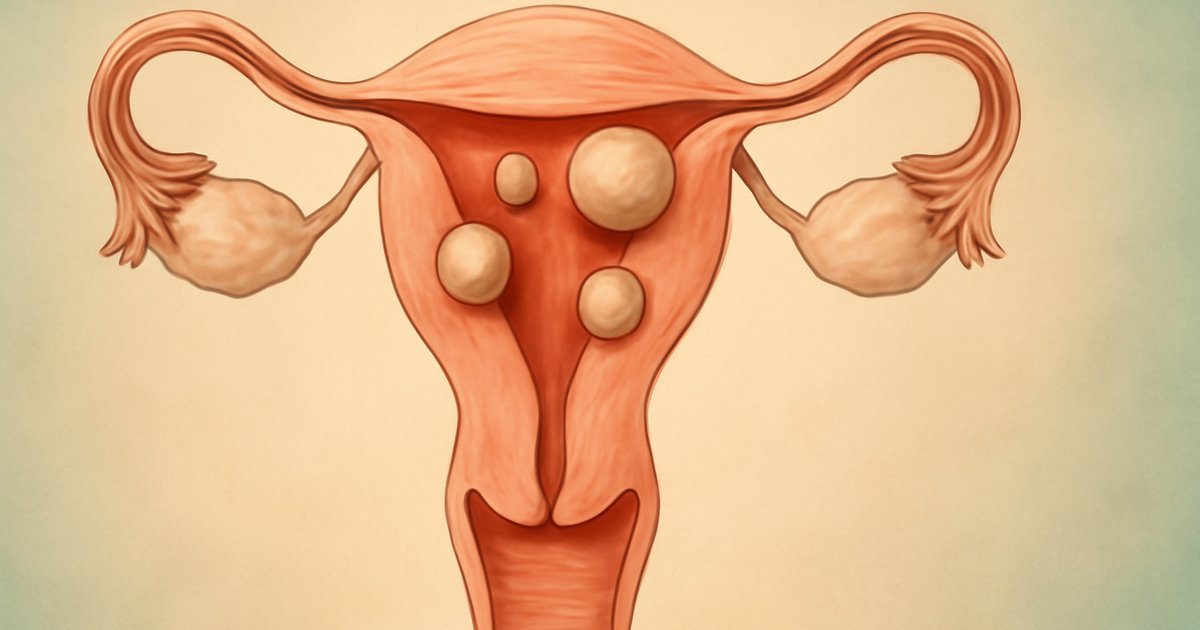
Millions of American women live with uterine fibroids — many without even knowing it. Here is what every woman should understand about this common condition.
Maria, 44, had been dealing with increasingly heavy periods for two years. She went through two boxes of pads each cycle, canceled plans because of cramping, and chalked it all up to “just getting older.” It was not until a routine pelvic exam that her gynecologist discovered she had three uterine fibroids — the largest the size of a golf ball.
Maria’s experience is far from unusual. According to the National Institutes of Health, uterine fibroids affect up to 80% of women by the age of 50, making them the most common noncancerous tumors in women of reproductive age. Yet many women remain undiagnosed, often dismissing symptoms as normal menstrual variation.
In this guide, you will learn exactly what uterine fibroids are, how to recognize the signs, what causes them, and what your treatment options look like in 2026 — from the most conservative approaches to minimally invasive procedures. Knowledge is the first step toward feeling better.
What Are Uterine Fibroids?
Uterine fibroids — also called leiomyomas or myomas — are noncancerous (benign) growths that develop from the muscle tissue of the uterus. They are not associated with an increased risk of uterine cancer and almost never become malignant.
Fibroids can range dramatically in size. Some are as small as a seed; others can grow to the size of a grapefruit or larger. A woman may have a single fibroid or many, and their location within the uterus matters a great deal when it comes to symptoms.
There are four main types based on location:
- Intramural fibroids: Grow within the muscular wall of the uterus — the most common type
- Submucosal fibroids: Develop just under the lining of the uterine cavity — most likely to cause heavy bleeding and fertility issues
- Subserosal fibroids: Grow on the outer surface of the uterus, sometimes pressing on nearby organs
- Pedunculated fibroids: Attached to the uterus by a thin stalk, either inside or outside
The CDC reports that uterine fibroids account for approximately 200,000 hysterectomies per year in the United States, making them the leading reason women undergo this major surgery. However, hysterectomy is far from the only — or necessarily the best — option for most women.
Signs and Symptoms of Uterine Fibroids
Here is one of the most important facts about fibroids: many women have them and feel absolutely nothing. Research suggests that up to 50% of women with fibroids are asymptomatic, meaning their fibroids are discovered only during routine imaging or pelvic exams.
For those who do experience symptoms, the severity tends to depend on the size, number, and location of the fibroids.
Early or mild symptoms may include:
- Slightly heavier or longer menstrual periods
- Mild pelvic pressure or a sensation of fullness
- Frequent urination if the fibroid presses on the bladder
- Lower back discomfort
- Constipation if the fibroid presses on the rectum
More advanced or serious symptoms may include:
- Extremely heavy menstrual bleeding (soaking a pad or tampon every hour for several hours)
- Periods lasting longer than seven days
- Severe pelvic pain or pressure
- Iron-deficiency anemia caused by excessive blood loss
- Pain during sexual intercourse
- Difficulty getting pregnant or recurrent miscarriages
- Visible abdominal enlargement from a large fibroid
A 2021 study published in the American Journal of Obstetrics and Gynecology found that Black women are two to three times more likely to develop fibroids than white women, tend to develop them at a younger age, and experience more severe symptoms — highlighting that this is not a one-size-fits-all condition. This variation from person to person reinforces the importance of individualized medical care.
Causes and Risk Factors
Researchers have not yet pinpointed a single cause of uterine fibroids, but clinical evidence points to a combination of genetic, hormonal, and environmental factors.
Hormonal influence: Estrogen and progesterone — the hormones that regulate your menstrual cycle — appear to stimulate fibroid growth. This is why fibroids often grow rapidly during pregnancy (when hormone levels are high) and tend to shrink after menopause (when hormone production drops). Fibroids contain more estrogen and progesterone receptors than normal uterine muscle cells.
Genetic predisposition: If your mother, sister, or grandmother had fibroids, your risk is significantly higher. Certain genetic changes found in fibroid cells differ from normal uterine muscle cells, suggesting a hereditary component.
Race and ethnicity: As noted above, Black women in the US face a disproportionate fibroid burden. NIH-funded research indicates this disparity may involve a combination of genetic factors, higher rates of stress exposure, differences in vitamin D levels, and unequal access to early diagnosis and treatment.
Other known risk factors include:
- Obesity — excess fat tissue produces additional estrogen
- Early onset of menstruation (before age 10)
- A diet high in red meat and low in green vegetables and fruit
- Vitamin D deficiency — research suggests lower vitamin D levels are associated with higher fibroid risk. For more on this topic, see our article on Vitamin D Deficiency: Symptoms, Causes & Natural Solutions
- Alcohol consumption
- Hypertension (high blood pressure)
- Never having been pregnant
Notably, having a healthy gut microbiome may play an indirect role in estrogen regulation — an active area of emerging research — though no definitive clinical guidance yet exists in this area.
Diagnosis: What to Expect
If your doctor suspects uterine fibroids based on your symptoms or a routine pelvic exam, the next step is imaging. The good news: diagnosing fibroids is typically straightforward and does not involve invasive procedures.
Pelvic ultrasound is the most common first-line diagnostic tool. It uses sound waves to create images of your uterus, allowing your doctor to identify the size, number, and location of fibroids. This test is painless and widely available.
Transvaginal ultrasound involves a small probe placed gently inside the vagina to provide clearer, closer images of the uterus — particularly useful for detecting smaller fibroids.
MRI (Magnetic Resonance Imaging) provides the most detailed view of fibroid size and location and is often used when planning surgery or other procedures. Research suggests MRI is more accurate than ultrasound for mapping multiple or deeply embedded fibroids.
Hysteroscopy allows your doctor to look directly inside the uterine cavity using a thin, lighted tube. This is particularly helpful for detecting submucosal fibroids and is sometimes performed as part of treatment.
Sonohysterography (also called a saline infusion sonogram) uses sterile saline to expand the uterus during an ultrasound, giving a clearer view of the inner uterine wall.
When should you seek a diagnosis? If you are experiencing heavy periods that interfere with your daily life, pelvic pressure, pain during sex, or any symptoms you cannot explain, do not wait. Early diagnosis gives you more options.
Treatment Options for Uterine Fibroids
Treatment for uterine fibroids is not one-size-fits-all. Your doctor will consider your symptoms, the size and location of your fibroids, your age, whether you want to have children in the future, and your overall health. Most physicians recommend starting with the most conservative approach and escalating only if needed.
Watchful Waiting
If your fibroids are small and causing few or no symptoms, your doctor may recommend monitoring them over time — especially if you are approaching menopause, after which fibroids typically shrink on their own. This involves regular pelvic exams and ultrasounds.
Medications
Hormonal therapies are often the first medical approach. Options include:
- GnRH agonists (gonadotropin-releasing hormone agonists) temporarily put the body into a menopause-like state, reducing estrogen and shrinking fibroids. They are typically used short-term before surgery to reduce fibroid size. The FDA approved relugolix combination therapy (Myfembree) for fibroid-related heavy menstrual bleeding, offering a newer oral option.
- Progestin-releasing IUDs can reduce heavy menstrual bleeding caused by fibroids, though they do not shrink the fibroids themselves
- Oral contraceptives may help control heavy bleeding in some women
- Tranexamic acid is a non-hormonal medication taken during your period to reduce excessive bleeding
- NSAIDs like ibuprofen can help with pain management
Minimally Invasive Procedures
For women who want to treat fibroids without major surgery:
- Uterine fibroid embolization (UFE): A radiologist threads a thin tube into the arteries supplying the fibroids and injects tiny particles that block blood flow, causing fibroids to shrink. Clinical evidence indicates UFE is effective for most women and preserves the uterus. Recovery is typically one to two weeks.
- Radiofrequency ablation (RFA): Uses heat energy to destroy fibroid tissue. The Acessa procedure (laparoscopic RFA) has been FDA-approved and clinical trials show significant reductions in bleeding and symptom burden.
- MRI-guided focused ultrasound (MRgFUS): A noninvasive option using focused ultrasound waves to destroy fibroid tissue while you are inside an MRI scanner. Best suited for women with a small number of fibroids.
- Myomectomy: Surgical removal of the fibroids while preserving the uterus — the preferred option for women who still want to conceive. It can be performed laparoscopically, robotically, or through an open incision depending on fibroid size and location.
Hysterectomy
Surgical removal of the uterus is the only permanent cure for fibroids and eliminates any possibility of recurrence. It is appropriate for women who have completed their families and have severe, treatment-resistant symptoms. However, most physicians recommend exhausting less invasive options first.
Lifestyle as a Complement
While lifestyle changes alone will not eliminate fibroids, research suggests they may support symptom management. Maintaining a healthy weight, eating a diet rich in fruits, vegetables, and whole grains, limiting red meat and alcohol, and managing stress can all play a supportive role. Some studies also point to regular physical activity as helpful for reducing estrogen levels over time.
Living With Uterine Fibroids: Practical Guidance
If you have been diagnosed with fibroids, day-to-day management is very much achievable. Here are strategies most clinicians recommend:
- Track your symptoms: Keep a period diary noting flow heaviness, duration, pain levels, and any other changes. This information is invaluable at medical appointments.
- Manage anemia: If heavy bleeding has caused iron-deficiency anemia, work with your doctor on iron supplementation and consider iron-rich foods like lean red meat, beans, lentils, and leafy greens.
- Address pain proactively: A heating pad, NSAIDs taken on schedule (not just when pain peaks), and rest during heavy flow days can make a real difference.
- Prioritize mental health: Living with chronic pain and unpredictable bleeding takes an emotional toll. Connecting with a therapist or a fibroid support group — many are available online through organizations like the White Dress Project — can help significantly.
- Fertility planning: If you hope to conceive, discuss your fibroid type and location with a reproductive endocrinologist. Submucosal fibroids in particular may interfere with implantation, but treatment can often restore fertility prospects.
For women managing related hormonal conditions alongside fibroids, understanding the link between conditions like endometriosis and fibroid co-occurrence may be helpful when speaking with your care team.
When to Call Your Doctor — and When to Go to the ER
Many fibroid symptoms, while disruptive, are not medical emergencies. But some signs require prompt attention.
Contact your doctor soon if you experience:
- Periods that are suddenly heavier or longer than usual
- Pelvic pain that is new, worsening, or not responding to over-the-counter treatment
- Fatigue, shortness of breath, or dizziness that could indicate anemia
- Difficulty urinating or complete inability to urinate
- Changes in bowel habits linked to pelvic pressure
- Abdominal swelling you cannot explain
Go to the emergency room immediately if you have:
- Sudden, severe pelvic pain (which may indicate a fibroid twisting on its stalk — a condition called torsion)
- Uncontrolled vaginal bleeding that soaks through a pad every 15 to 30 minutes
- Signs of severe anemia: extreme weakness, fainting, rapid heartbeat, or confusion
- High fever with pelvic pain (which could suggest infection after a procedure)
When you see your doctor at a routine visit, bring your symptom diary, a list of all medications and supplements you are taking, and any questions you have prepared in advance. Do not hesitate to ask about all available treatment options — including the newer, minimally invasive ones.
Frequently Asked Questions About Uterine Fibroids
Can uterine fibroids turn into cancer?
This is one of the most common fears — and the reassurance is clear. Fibroids are benign tumors and very rarely become cancerous. A type of cancer called uterine leiomyosarcoma can occur in the uterus, but current evidence indicates it does not arise from pre-existing fibroids. The Mayo Clinic and NIH both confirm that the risk of a fibroid being or becoming cancerous is less than 1 in 1,000.
Will uterine fibroids go away on their own?
Fibroids often do shrink — but typically not until after menopause, when estrogen levels drop naturally. Younger women are unlikely to see spontaneous resolution. The timeline and degree of shrinkage vary considerably from person to person.
Can I still get pregnant if I have fibroids?
Many women with fibroids conceive and deliver healthy babies without any intervention. However, certain types — particularly submucosal fibroids that distort the uterine cavity — may interfere with implantation or increase miscarriage risk. If you are trying to conceive, a reproductive specialist can assess whether treatment is advisable before you attempt pregnancy.
Are fibroids more common in Black women — and why?
Yes. Research consistently shows Black women are diagnosed with fibroids at higher rates, at younger ages, and with more severe symptoms. NIH researchers believe multiple factors are involved: genetic variants, earlier onset of puberty, differences in vitamin D status, greater cumulative stress exposure, and historically unequal access to medical care. Advocacy for equitable fibroid research and treatment remains an active public health priority in the US.
What is the least invasive treatment for fibroids?
For women with symptoms, uterine fibroid embolization (UFE) and radiofrequency ablation are among the least invasive effective options that preserve the uterus. Medication can also help manage symptoms without surgery. The right choice depends on your individual situation, which is why a thorough discussion with your gynecologist or an interventional radiologist is essential.
Conclusion
Uterine fibroids are extraordinarily common — and for far too long, women have been told that heavy, painful periods are simply something to endure. They are not. Whether your fibroids require monitoring, medication, or a procedure, you have more options than ever before, and the landscape of minimally invasive treatment continues to expand.
The most important step is not to stay silent. Talk to your gynecologist, advocate for imaging if your symptoms feel off, and get a second opinion if a treatment plan does not feel right for you. You deserve care that fits your life, your goals, and your body.
Every woman’s experience with fibroids is different — which is exactly why personalized, evidence-based medical guidance is so important. You do not have to navigate this alone.
This article is for informational and educational purposes only. It does not constitute medical advice, diagnosis, or treatment. Always consult your physician or a qualified healthcare provider before making changes to your health routine or treatment plan.
Medically reviewed by our editorial health team. Content follows evidence-based standards aligned with CDC and NIH guidelines.
Leave a Reply