Tag: women’s health

  • Cervical Health: HPV, Pap Smears & Prevention Guide

    Cervical Health: HPV, Pap Smears & Prevention Guide

    Cervical cancer is one of the most preventable cancers in women — yet thousands of American women are still diagnosed every year because of missed screenings or lack of awareness.

    Consider Maria, 42, a busy mother of three who had skipped her Pap smear for six years. Life kept getting in the way — work, kids, and the quiet assumption that if something were seriously wrong, she would know. When she finally went in for a routine checkup, her gynecologist found precancerous cervical cells early enough to treat successfully. Maria was lucky. Not every woman gets that chance.

    According to the American Cancer Society, approximately 13,820 new cases of invasive cervical cancer are diagnosed in the United States each year, and around 4,360 women die from it — most from cancers that were not caught early enough. The good news is that cervical health is highly manageable when you understand the risks, know your screening schedule, and stay informed about your options.

    In this guide, you will learn what cervical health really means, how human papillomavirus (HPV) plays a central role, what screening tests can detect problems early, and how you can take meaningful steps to protect yourself at every age.

    What Is Cervical Health — and Why Does It Matter?

    The cervix is the lower, narrow end of the uterus that connects to the vagina. It plays an important role in reproductive health, including menstruation, sexual function, and pregnancy. Cervical health refers to the overall condition of the cervical tissue and its ability to remain free of infection, inflammation, and abnormal cell changes.

    The most significant threat to cervical health is human papillomavirus, or HPV — a group of more than 200 related viruses, about 40 of which are spread through sexual contact. According to the CDC, HPV is the most common sexually transmitted infection in the United States. An estimated 79 million Americans are currently infected, and about 14 million new infections occur each year.

    Most HPV infections clear on their own without causing any harm. However, certain high-risk strains — particularly HPV 16 and HPV 18 — can cause persistent infection that leads to precancerous changes in cervical cells over time. If left undetected and untreated, these changes can progress to cervical cancer, typically over a period of 10 to 15 years.

    This slow progression is actually what makes cervical cancer so preventable. With regular screenings and the HPV vaccine, the disease can often be stopped before it starts or caught at a stage when treatment is most effective.

    Signs and Symptoms of Cervical Problems

    One of the most challenging aspects of cervical health is that early-stage cervical changes — including precancerous lesions — usually cause no symptoms at all. This is precisely why regular screenings are so essential.

    When symptoms do appear, they may indicate more advanced disease and should never be ignored. Be aware of the following:

    Early or less specific signs:

    • Unusual vaginal discharge (watery, bloody, or with an unpleasant odor)
    • Light bleeding or spotting between periods
    • Bleeding after sexual intercourse
    • Pelvic pain or discomfort that is new or unexplained
    • Longer or heavier menstrual periods than usual

    Signs that may indicate more advanced disease:

    • Persistent pelvic, back, or leg pain
    • Significant bleeding not related to menstruation
    • Swelling in the legs
    • Difficulty urinating or changes in bladder/bowel habits
    • Unexplained weight loss and fatigue

    A 2022 study published in the journal Gynecologic Oncology found that women who reported symptoms before diagnosis were more likely to present at a later stage, reinforcing the critical importance of screening before symptoms develop. This varies from person to person, but the pattern holds broadly across population data.

    Causes and Risk Factors for Cervical Cancer

    While HPV is the primary driver of cervical cancer — responsible for approximately 99% of all cases according to the NIH — not everyone who contracts HPV will develop cervical cancer. Several factors influence whether an infection becomes dangerous.

    Biological and lifestyle risk factors include:

    • Persistent high-risk HPV infection: Strains 16 and 18 account for about 70% of all cervical cancers
    • Smoking: Tobacco use doubles the risk of cervical cancer in women with HPV, as it weakens local immune defenses
    • Immunocompromised status: Women living with HIV are six times more likely to develop cervical cancer, per CDC data
    • Long-term use of oral contraceptives: Research suggests a modest increase in risk after five or more years, though the relationship is complex
    • Multiple sexual partners: Increases the likelihood of HPV exposure
    • History of other sexually transmitted infections (STIs): Including chlamydia or herpes
    • Early sexual activity: Particularly before age 18
    • Socioeconomic barriers to screening: Women without consistent access to healthcare are at significantly higher risk of late-stage diagnosis

    According to the American Cancer Society, Black women and Hispanic women in the US have higher cervical cancer incidence and mortality rates than non-Hispanic white women, largely due to disparities in access to screening and follow-up care — not inherent biological differences.

    Diagnosis: What to Expect from Cervical Screening

    Cervical cancer screening is one of the most well-established and effective cancer prevention tools in modern medicine. There are two primary tests used in the United States:

    1. The Pap Smear (Pap Test)
    This test collects cells from the surface of the cervix to check for abnormalities. An abnormal Pap result does not mean you have cancer — it means some cells looked unusual and need further evaluation. Abnormal findings are classified using a system that includes terms like ASCUS (atypical squamous cells of undetermined significance), LSIL (low-grade squamous intraepithelial lesion), and HSIL (high-grade squamous intraepithelial lesion), among others.

    2. The HPV Test
    This test checks directly for the presence of high-risk HPV strains in cervical cells. It is often performed alongside the Pap smear in what is called a co-test.

    Current screening guidelines from the US Preventive Services Task Force (USPSTF) as of 2026:

    • Women aged 21 to 29: Pap smear alone every 3 years
    • Women aged 30 to 65: Pap smear every 3 years, HPV test every 5 years, or co-test every 5 years
    • Women over 65: May stop screening if they have had adequate prior screening and no high-risk history
    • Women who have had a total hysterectomy (with cervix removed) for non-cancerous reasons: Typically do not need continued screening

    If a Pap or HPV test returns an abnormal result, your doctor may recommend a colposcopy — a closer examination of the cervix using a magnifying instrument — and possibly a biopsy to analyze the tissue more thoroughly.

    Treatment Options for Cervical Abnormalities and Cancer

    Treatment depends heavily on what is found and how advanced any changes are. Clinical evidence supports a range of approaches from watchful waiting to surgical intervention.

    For precancerous lesions (cervical dysplasia):

    • Watchful waiting / Active surveillance: For low-grade changes (LSIL), many physicians recommend closer monitoring since mild abnormalities often resolve on their own
    • LEEP (Loop Electrosurgical Excision Procedure): A thin wire loop carrying electrical current removes abnormal tissue; this is one of the most common treatments for high-grade lesions
    • Cryotherapy: Freezing abnormal cells to destroy them
    • Cone biopsy (Conization): Surgical removal of a cone-shaped section of abnormal cervical tissue

    For cervical cancer:

    • Surgery: Ranges from removing only the cancerous tissue to a hysterectomy depending on the stage
    • Radiation therapy: Often used in combination with chemotherapy for locally advanced disease
    • Chemotherapy: Usually used alongside radiation; may also be used for metastatic disease
    • Immunotherapy and targeted therapy: Newer options, such as pembrolizumab (Keytruda), have been approved by the FDA for certain cases of recurrent or metastatic cervical cancer

    According to the National Cancer Institute, when cervical cancer is caught at the localized stage, the 5-year relative survival rate is approximately 92%. When it spreads to distant sites, that rate drops to around 19%. This underscores why early detection through screening is not just helpful — it is potentially lifesaving.

    It is also worth noting that cervical health is closely tied to overall hormonal and reproductive wellness. If you are navigating other women’s health conditions alongside cervical changes, speaking with your gynecologist about a comprehensive care plan is strongly recommended. For women managing hormonal concerns, our article on Menopause and Heart Health may offer useful context about how hormonal shifts affect overall health outcomes.

    Living With Cervical Health Concerns and Prevention Strategies

    The most powerful thing you can do for your cervical health is to stay engaged with preventive care. Clinical evidence overwhelmingly supports a few core strategies:

    1. Get the HPV Vaccine
    The HPV vaccine — available in the US as Gardasil 9 — protects against the nine most common high-risk and low-risk HPV strains, including types 16 and 18. The CDC’s Advisory Committee on Immunization Practices (ACIP) recommends routine vaccination for all preteens aged 11 to 12, with catch-up vaccination available through age 26. Adults aged 27 to 45 may also benefit from vaccination after discussing risks and benefits with their physician.

    Research suggests that countries with high HPV vaccination rates have seen dramatic reductions in cervical cancer diagnoses. A landmark study published in The Lancet found that among fully vaccinated women, cervical cancer rates fell by nearly 90%.

    2. Stay Current on Screenings
    Do not skip or postpone your Pap smear or HPV test. These appointments are brief, but they can catch serious problems years before they become life-threatening.

    3. Quit Smoking
    If you smoke, quitting significantly reduces your risk of persistent HPV infection and cervical cancer. Your primary care provider can connect you with effective cessation programs and resources.

    4. Practice Safer Sex
    Consistent condom use reduces — though does not eliminate — the risk of HPV transmission. Open communication with sexual partners about STI status is equally important.

    5. Support Your Immune System
    A well-functioning immune system is your body’s primary tool for clearing HPV naturally. Eating a nutrient-dense diet, managing chronic stress, getting adequate sleep, and treating underlying conditions like HIV or autoimmune disease are all relevant factors. For women interested in evidence-based approaches to stress support, our guide on Ashwagandha Benefits for Stress and Hormonal Health may be worth reviewing alongside your doctor’s recommendations.

    6. Know Your Family History
    While cervical cancer itself is not directly inherited, a family history of gynecological cancers may affect your overall screening strategy and risk assessment.

    When to Call Your Doctor — and Emergency Warning Signs

    Some symptoms require prompt attention and should never be dismissed or attributed to normal variation without professional evaluation.

    Schedule a non-emergency appointment if you notice:

    • Any new or unusual vaginal discharge that persists more than a week
    • Light spotting after sex on more than one occasion
    • Pelvic discomfort without an obvious cause
    • An overdue Pap smear (more than 3 to 5 years since your last one)
    • Questions or concerns following an abnormal screening result

    Seek immediate or urgent medical care if you experience:

    • Heavy unexplained vaginal bleeding that soaks through more than one pad per hour
    • Severe pelvic or lower abdominal pain
    • Sudden inability to urinate or significant urinary pain
    • Significant unexplained weight loss combined with fatigue and pelvic symptoms
    • Any symptom that appears suddenly and feels unlike anything you have experienced before

    What to tell your doctor at your next visit: Be prepared to share your full screening history, current medications, smoking status, sexual history (as relevant), and any symptoms you have noticed, even if they seem minor. Honest, complete information allows your provider to give you the most accurate assessment.

    Frequently Asked Questions About Cervical Health and HPV

    Q: Can I get HPV even if I have only had one sexual partner?
    Yes. HPV is extremely common, and because it can remain dormant for years before causing detectable changes, it is possible to contract it from a single partner or to have it detected long after the original exposure. This is not a reflection of your or your partner’s behavior — it is simply how the virus behaves biologically.

    Q: If my HPV test comes back positive, does that mean I will get cervical cancer?
    Not at all. A positive HPV test means you currently have a detectable HPV infection. Most HPV infections — including high-risk strains — are cleared by the immune system within one to two years. Your doctor will use the result in combination with your Pap smear findings to determine the appropriate next steps, which may simply be closer monitoring.

    Q: I had the HPV vaccine years ago. Do I still need Pap smears?
    Yes, absolutely. The HPV vaccine does not protect against all strains of HPV, and it does not replace the need for regular cervical cancer screening. Most physicians recommend that vaccinated women follow the same screening schedule as unvaccinated women based on current USPSTF guidelines.

    Q: Is it safe to get a Pap smear during pregnancy?
    Yes, Pap smears are safe during pregnancy and are commonly performed at the first prenatal visit if you are due for one. Your OB-GYN will guide you on timing and any follow-up care needed based on results.

    Q: My mother had cervical cancer. Does that increase my risk?
    Having a first-degree relative with cervical cancer may modestly increase your risk, possibly because of shared environmental factors or some immune system characteristics. It is worth mentioning your family history to your gynecologist, who may recommend a more vigilant screening schedule as a precaution. You might also find it helpful to review our article on Uterine Fibroids for broader context on gynecological conditions that can sometimes cluster in families.

    Conclusion

    Cervical health is one of the areas of women’s health where science has given us genuinely powerful tools — a preventive vaccine, reliable screening tests, and effective treatments for early-stage disease. The gap between what is possible and what is actually achieved often comes down to access, awareness, and follow-through.

    You do not have to be a medical expert to protect yourself. You simply need to stay connected with your healthcare provider, keep up with your screenings, and speak up when something feels off. Whether you are 30 or 65, it is never too early or too late to take cervical health seriously.

    Talk to your doctor about where you stand with your current screening schedule, whether the HPV vaccine might still be appropriate for you, and what steps make the most sense for your individual situation. Your cervical health is worth the conversation.


    Medical Disclaimer: This article is for informational and educational purposes only. It does not constitute medical advice, diagnosis, or treatment. Always consult your physician or a qualified healthcare provider before making changes to your health routine or treatment plan.

    Medically reviewed by our editorial health team. Content follows evidence-based standards aligned with CDC and NIH guidelines.
  • Uterine Fibroids: Symptoms, Causes & Treatment Options

    Uterine Fibroids: Symptoms, Causes & Treatment Options

    Millions of American women live with uterine fibroids — many without even knowing it. Here is what every woman should understand about this common condition.

    Maria, 44, had been dealing with increasingly heavy periods for two years. She went through two boxes of pads each cycle, canceled plans because of cramping, and chalked it all up to “just getting older.” It was not until a routine pelvic exam that her gynecologist discovered she had three uterine fibroids — the largest the size of a golf ball.

    Maria’s experience is far from unusual. According to the National Institutes of Health, uterine fibroids affect up to 80% of women by the age of 50, making them the most common noncancerous tumors in women of reproductive age. Yet many women remain undiagnosed, often dismissing symptoms as normal menstrual variation.

    In this guide, you will learn exactly what uterine fibroids are, how to recognize the signs, what causes them, and what your treatment options look like in 2026 — from the most conservative approaches to minimally invasive procedures. Knowledge is the first step toward feeling better.

    What Are Uterine Fibroids?

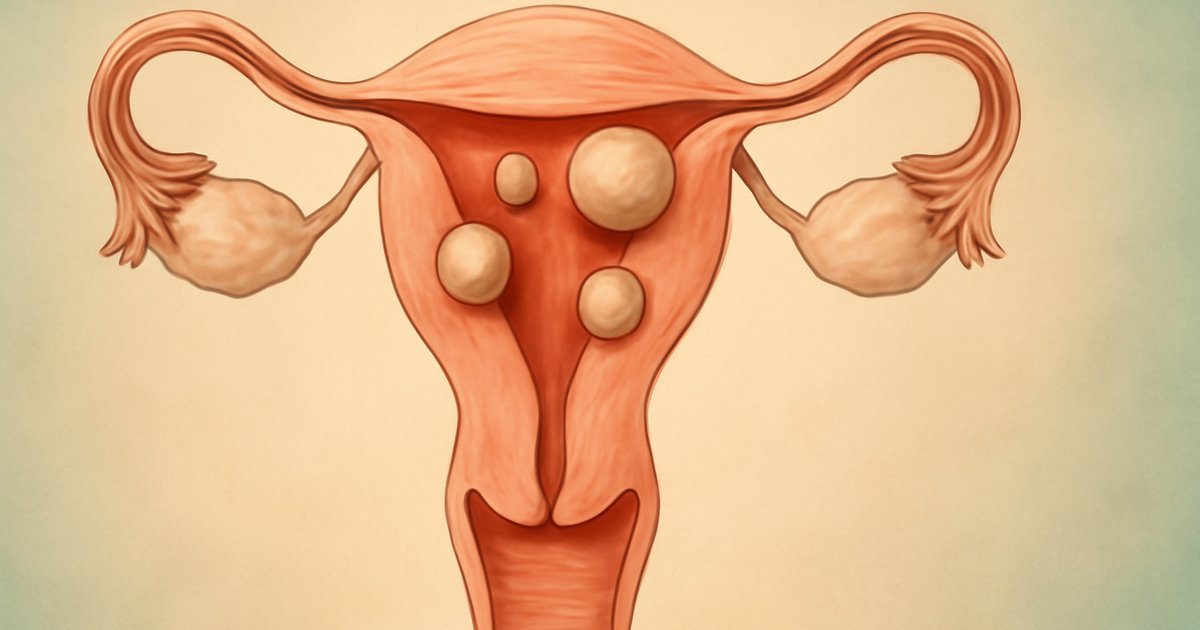
    Uterine fibroids — also called leiomyomas or myomas — are noncancerous (benign) growths that develop from the muscle tissue of the uterus. They are not associated with an increased risk of uterine cancer and almost never become malignant.

    Fibroids can range dramatically in size. Some are as small as a seed; others can grow to the size of a grapefruit or larger. A woman may have a single fibroid or many, and their location within the uterus matters a great deal when it comes to symptoms.

    There are four main types based on location:

    • Intramural fibroids: Grow within the muscular wall of the uterus — the most common type
    • Submucosal fibroids: Develop just under the lining of the uterine cavity — most likely to cause heavy bleeding and fertility issues
    • Subserosal fibroids: Grow on the outer surface of the uterus, sometimes pressing on nearby organs
    • Pedunculated fibroids: Attached to the uterus by a thin stalk, either inside or outside

    The CDC reports that uterine fibroids account for approximately 200,000 hysterectomies per year in the United States, making them the leading reason women undergo this major surgery. However, hysterectomy is far from the only — or necessarily the best — option for most women.

    Signs and Symptoms of Uterine Fibroids

    Here is one of the most important facts about fibroids: many women have them and feel absolutely nothing. Research suggests that up to 50% of women with fibroids are asymptomatic, meaning their fibroids are discovered only during routine imaging or pelvic exams.

    For those who do experience symptoms, the severity tends to depend on the size, number, and location of the fibroids.

    Early or mild symptoms may include:

    • Slightly heavier or longer menstrual periods
    • Mild pelvic pressure or a sensation of fullness
    • Frequent urination if the fibroid presses on the bladder
    • Lower back discomfort
    • Constipation if the fibroid presses on the rectum

    More advanced or serious symptoms may include:

    • Extremely heavy menstrual bleeding (soaking a pad or tampon every hour for several hours)
    • Periods lasting longer than seven days
    • Severe pelvic pain or pressure
    • Iron-deficiency anemia caused by excessive blood loss
    • Pain during sexual intercourse
    • Difficulty getting pregnant or recurrent miscarriages
    • Visible abdominal enlargement from a large fibroid

    A 2021 study published in the American Journal of Obstetrics and Gynecology found that Black women are two to three times more likely to develop fibroids than white women, tend to develop them at a younger age, and experience more severe symptoms — highlighting that this is not a one-size-fits-all condition. This variation from person to person reinforces the importance of individualized medical care.

    Causes and Risk Factors

    Researchers have not yet pinpointed a single cause of uterine fibroids, but clinical evidence points to a combination of genetic, hormonal, and environmental factors.

    Hormonal influence: Estrogen and progesterone — the hormones that regulate your menstrual cycle — appear to stimulate fibroid growth. This is why fibroids often grow rapidly during pregnancy (when hormone levels are high) and tend to shrink after menopause (when hormone production drops). Fibroids contain more estrogen and progesterone receptors than normal uterine muscle cells.

    Genetic predisposition: If your mother, sister, or grandmother had fibroids, your risk is significantly higher. Certain genetic changes found in fibroid cells differ from normal uterine muscle cells, suggesting a hereditary component.

    Race and ethnicity: As noted above, Black women in the US face a disproportionate fibroid burden. NIH-funded research indicates this disparity may involve a combination of genetic factors, higher rates of stress exposure, differences in vitamin D levels, and unequal access to early diagnosis and treatment.

    Other known risk factors include:

    • Obesity — excess fat tissue produces additional estrogen
    • Early onset of menstruation (before age 10)
    • A diet high in red meat and low in green vegetables and fruit
    • Vitamin D deficiency — research suggests lower vitamin D levels are associated with higher fibroid risk. For more on this topic, see our article on Vitamin D Deficiency: Symptoms, Causes & Natural Solutions
    • Alcohol consumption
    • Hypertension (high blood pressure)
    • Never having been pregnant

    Notably, having a healthy gut microbiome may play an indirect role in estrogen regulation — an active area of emerging research — though no definitive clinical guidance yet exists in this area.

    Diagnosis: What to Expect

    If your doctor suspects uterine fibroids based on your symptoms or a routine pelvic exam, the next step is imaging. The good news: diagnosing fibroids is typically straightforward and does not involve invasive procedures.

    Pelvic ultrasound is the most common first-line diagnostic tool. It uses sound waves to create images of your uterus, allowing your doctor to identify the size, number, and location of fibroids. This test is painless and widely available.

    Transvaginal ultrasound involves a small probe placed gently inside the vagina to provide clearer, closer images of the uterus — particularly useful for detecting smaller fibroids.

    MRI (Magnetic Resonance Imaging) provides the most detailed view of fibroid size and location and is often used when planning surgery or other procedures. Research suggests MRI is more accurate than ultrasound for mapping multiple or deeply embedded fibroids.

    Hysteroscopy allows your doctor to look directly inside the uterine cavity using a thin, lighted tube. This is particularly helpful for detecting submucosal fibroids and is sometimes performed as part of treatment.

    Sonohysterography (also called a saline infusion sonogram) uses sterile saline to expand the uterus during an ultrasound, giving a clearer view of the inner uterine wall.

    When should you seek a diagnosis? If you are experiencing heavy periods that interfere with your daily life, pelvic pressure, pain during sex, or any symptoms you cannot explain, do not wait. Early diagnosis gives you more options.

    Treatment Options for Uterine Fibroids

    Treatment for uterine fibroids is not one-size-fits-all. Your doctor will consider your symptoms, the size and location of your fibroids, your age, whether you want to have children in the future, and your overall health. Most physicians recommend starting with the most conservative approach and escalating only if needed.

    Watchful Waiting

    If your fibroids are small and causing few or no symptoms, your doctor may recommend monitoring them over time — especially if you are approaching menopause, after which fibroids typically shrink on their own. This involves regular pelvic exams and ultrasounds.

    Medications

    Hormonal therapies are often the first medical approach. Options include:

    • GnRH agonists (gonadotropin-releasing hormone agonists) temporarily put the body into a menopause-like state, reducing estrogen and shrinking fibroids. They are typically used short-term before surgery to reduce fibroid size. The FDA approved relugolix combination therapy (Myfembree) for fibroid-related heavy menstrual bleeding, offering a newer oral option.
    • Progestin-releasing IUDs can reduce heavy menstrual bleeding caused by fibroids, though they do not shrink the fibroids themselves
    • Oral contraceptives may help control heavy bleeding in some women
    • Tranexamic acid is a non-hormonal medication taken during your period to reduce excessive bleeding
    • NSAIDs like ibuprofen can help with pain management

    Minimally Invasive Procedures

    For women who want to treat fibroids without major surgery:

    • Uterine fibroid embolization (UFE): A radiologist threads a thin tube into the arteries supplying the fibroids and injects tiny particles that block blood flow, causing fibroids to shrink. Clinical evidence indicates UFE is effective for most women and preserves the uterus. Recovery is typically one to two weeks.
    • Radiofrequency ablation (RFA): Uses heat energy to destroy fibroid tissue. The Acessa procedure (laparoscopic RFA) has been FDA-approved and clinical trials show significant reductions in bleeding and symptom burden.
    • MRI-guided focused ultrasound (MRgFUS): A noninvasive option using focused ultrasound waves to destroy fibroid tissue while you are inside an MRI scanner. Best suited for women with a small number of fibroids.
    • Myomectomy: Surgical removal of the fibroids while preserving the uterus — the preferred option for women who still want to conceive. It can be performed laparoscopically, robotically, or through an open incision depending on fibroid size and location.

    Hysterectomy

    Surgical removal of the uterus is the only permanent cure for fibroids and eliminates any possibility of recurrence. It is appropriate for women who have completed their families and have severe, treatment-resistant symptoms. However, most physicians recommend exhausting less invasive options first.

    Lifestyle as a Complement

    While lifestyle changes alone will not eliminate fibroids, research suggests they may support symptom management. Maintaining a healthy weight, eating a diet rich in fruits, vegetables, and whole grains, limiting red meat and alcohol, and managing stress can all play a supportive role. Some studies also point to regular physical activity as helpful for reducing estrogen levels over time.

    Living With Uterine Fibroids: Practical Guidance

    If you have been diagnosed with fibroids, day-to-day management is very much achievable. Here are strategies most clinicians recommend:

    • Track your symptoms: Keep a period diary noting flow heaviness, duration, pain levels, and any other changes. This information is invaluable at medical appointments.
    • Manage anemia: If heavy bleeding has caused iron-deficiency anemia, work with your doctor on iron supplementation and consider iron-rich foods like lean red meat, beans, lentils, and leafy greens.
    • Address pain proactively: A heating pad, NSAIDs taken on schedule (not just when pain peaks), and rest during heavy flow days can make a real difference.
    • Prioritize mental health: Living with chronic pain and unpredictable bleeding takes an emotional toll. Connecting with a therapist or a fibroid support group — many are available online through organizations like the White Dress Project — can help significantly.
    • Fertility planning: If you hope to conceive, discuss your fibroid type and location with a reproductive endocrinologist. Submucosal fibroids in particular may interfere with implantation, but treatment can often restore fertility prospects.

    For women managing related hormonal conditions alongside fibroids, understanding the link between conditions like endometriosis and fibroid co-occurrence may be helpful when speaking with your care team.

    When to Call Your Doctor — and When to Go to the ER

    Many fibroid symptoms, while disruptive, are not medical emergencies. But some signs require prompt attention.

    Contact your doctor soon if you experience:

    • Periods that are suddenly heavier or longer than usual
    • Pelvic pain that is new, worsening, or not responding to over-the-counter treatment
    • Fatigue, shortness of breath, or dizziness that could indicate anemia
    • Difficulty urinating or complete inability to urinate
    • Changes in bowel habits linked to pelvic pressure
    • Abdominal swelling you cannot explain

    Go to the emergency room immediately if you have:

    • Sudden, severe pelvic pain (which may indicate a fibroid twisting on its stalk — a condition called torsion)
    • Uncontrolled vaginal bleeding that soaks through a pad every 15 to 30 minutes
    • Signs of severe anemia: extreme weakness, fainting, rapid heartbeat, or confusion
    • High fever with pelvic pain (which could suggest infection after a procedure)

    When you see your doctor at a routine visit, bring your symptom diary, a list of all medications and supplements you are taking, and any questions you have prepared in advance. Do not hesitate to ask about all available treatment options — including the newer, minimally invasive ones.

    Frequently Asked Questions About Uterine Fibroids

    Can uterine fibroids turn into cancer?
    This is one of the most common fears — and the reassurance is clear. Fibroids are benign tumors and very rarely become cancerous. A type of cancer called uterine leiomyosarcoma can occur in the uterus, but current evidence indicates it does not arise from pre-existing fibroids. The Mayo Clinic and NIH both confirm that the risk of a fibroid being or becoming cancerous is less than 1 in 1,000.

    Will uterine fibroids go away on their own?
    Fibroids often do shrink — but typically not until after menopause, when estrogen levels drop naturally. Younger women are unlikely to see spontaneous resolution. The timeline and degree of shrinkage vary considerably from person to person.

    Can I still get pregnant if I have fibroids?
    Many women with fibroids conceive and deliver healthy babies without any intervention. However, certain types — particularly submucosal fibroids that distort the uterine cavity — may interfere with implantation or increase miscarriage risk. If you are trying to conceive, a reproductive specialist can assess whether treatment is advisable before you attempt pregnancy.

    Are fibroids more common in Black women — and why?
    Yes. Research consistently shows Black women are diagnosed with fibroids at higher rates, at younger ages, and with more severe symptoms. NIH researchers believe multiple factors are involved: genetic variants, earlier onset of puberty, differences in vitamin D status, greater cumulative stress exposure, and historically unequal access to medical care. Advocacy for equitable fibroid research and treatment remains an active public health priority in the US.

    What is the least invasive treatment for fibroids?
    For women with symptoms, uterine fibroid embolization (UFE) and radiofrequency ablation are among the least invasive effective options that preserve the uterus. Medication can also help manage symptoms without surgery. The right choice depends on your individual situation, which is why a thorough discussion with your gynecologist or an interventional radiologist is essential.

    Conclusion

    Uterine fibroids are extraordinarily common — and for far too long, women have been told that heavy, painful periods are simply something to endure. They are not. Whether your fibroids require monitoring, medication, or a procedure, you have more options than ever before, and the landscape of minimally invasive treatment continues to expand.

    The most important step is not to stay silent. Talk to your gynecologist, advocate for imaging if your symptoms feel off, and get a second opinion if a treatment plan does not feel right for you. You deserve care that fits your life, your goals, and your body.

    Every woman’s experience with fibroids is different — which is exactly why personalized, evidence-based medical guidance is so important. You do not have to navigate this alone.


    This article is for informational and educational purposes only. It does not constitute medical advice, diagnosis, or treatment. Always consult your physician or a qualified healthcare provider before making changes to your health routine or treatment plan.

    Medically reviewed by our editorial health team. Content follows evidence-based standards aligned with CDC and NIH guidelines.
  • Endometriosis: Symptoms, Causes & Treatment Options

    Endometriosis: Symptoms, Causes & Treatment Options

    Endometriosis: Symptoms, Causes & Treatment Options

    One of the most underdiagnosed conditions in women’s health — and one you deserve to fully understand.

    When Lauren, 34, finally received her endometriosis diagnosis, she had already spent nearly a decade being told her pain was "just bad cramps." She had missed work, canceled plans, and quietly wondered if she was imagining it all. She wasn’t. According to the Office on Women’s Health (part of the U.S. Department of Health & Human Services), endometriosis affects approximately 11% of American women between the ages of 15 and 44 — roughly 6.5 million people — yet the average time from symptom onset to diagnosis is still estimated at seven to ten years.

    That delay has real consequences: chronic pelvic pain, fertility challenges, reduced quality of life, and mounting frustration. The good news is that once diagnosed, endometriosis is a manageable condition with a growing range of medical and surgical options.

    In this guide, you’ll learn exactly what endometriosis is, how it’s recognized and diagnosed, what drives it, and what current evidence says about treatment — so you can walk into your next doctor’s appointment informed and ready to advocate for yourself.


    What Is Endometriosis?

    Endometriosis (pronounced en-doh-mee-tree-OH-sis) is a chronic inflammatory condition in which tissue similar to the endometrium — the lining that normally grows inside the uterus — develops outside of it. This misplaced tissue is often found on the ovaries, fallopian tubes, the outer surface of the uterus, and the tissue lining the pelvis. In rarer cases, it can appear on the bladder, bowel, or even distant organs.

    Here’s why that matters: like the uterine lining, this tissue responds to hormonal changes during the menstrual cycle. It thickens, breaks down, and attempts to bleed — but unlike menstrual blood, this tissue has nowhere to go. The result is inflammation, scarring (adhesions), and cysts (sometimes called "chocolate cysts" on the ovaries) that can disrupt normal anatomy and organ function.

    The American College of Obstetricians and Gynecologists (ACOG) classifies endometriosis into four stages (I through IV) based on location, extent, and depth of implants, as well as the presence of adhesions. Even Stage I can cause severe symptoms in some women, while Stage IV may be relatively silent in others — individual variation is a hallmark of this disease.

    Endometriosis is not a cancer, and it does not increase the risk of uterine cancer. However, research published in journals reviewed by the NIH suggests a modest association with certain ovarian cancer subtypes, which is one reason ongoing monitoring matters.


    Signs and Symptoms of Endometriosis

    The symptom picture of endometriosis is wide-ranging, which is part of why it takes so long to diagnose. Some women experience debilitating pain; others have no pain at all and only discover the condition when investigating infertility.

    Early or common symptoms include:

    • Painful periods (dysmenorrhea) — cramping that begins before and continues well after menstruation
    • Pelvic pain that persists outside of your menstrual cycle
    • Pain during or after sexual intercourse (dyspareunia)
    • Painful bowel movements or urination, especially during menstruation
    • Heavy menstrual bleeding or bleeding between periods
    • Bloating and abdominal distension, often called "endo belly"
    • Fatigue that feels disproportionate to activity level

    Symptoms that may indicate advanced or widespread disease:

    • Difficulty becoming pregnant (endometriosis accounts for up to 50% of infertility cases evaluated by the American Society for Reproductive Medicine)
    • Rectal bleeding or blood in urine during menstrual periods
    • Chronic lower back pain radiating to the legs
    • Nausea and vomiting surrounding the menstrual cycle
    • Bowel obstruction symptoms in rare, severe cases

    A landmark survey cited by the Endometriosis Foundation of America found that over 60% of women with the condition had their symptoms initially dismissed or misattributed — most often to primary dysmenorrhea (normal painful periods) or irritable bowel syndrome. This overlap with other conditions, including IBS, is an important reason why specialized evaluation is so valuable.


    Causes and Risk Factors

    Researchers still do not fully understand what causes endometriosis, but several theories have gained strong scientific support.

    The most widely accepted explanation is retrograde menstruation — where menstrual blood containing endometrial cells flows backward through the fallopian tubes into the pelvic cavity instead of exiting the body. Most women experience some retrograde flow, but in those with endometriosis, these cells implant and grow. Why some women’s immune systems fail to destroy these misplaced cells remains an active area of research at institutions like Johns Hopkins Medicine.

    Other proposed mechanisms include:

    • Immune system dysfunction: The body may not recognize and destroy endometrial tissue outside the uterus effectively
    • Surgical scarring: After procedures like cesarean sections, endometrial cells may attach to incision sites
    • Hormonal transport: Blood or lymphatic vessels may carry endometrial cells to distant sites
    • Embryonic cell transformation: Peritoneal cells may transform into endometrial-like cells under hormonal influence

    Known risk factors include:

    • Family history — having a mother or sister with endometriosis increases your risk up to 7–10 times (NIH data)
    • Never having given birth
    • Menstrual cycles shorter than 27 days or periods lasting more than 7 days
    • Starting menstruation before age 11
    • Low body mass index
    • Uterine abnormalities that impair normal menstrual flow

    It’s important to note that endometriosis occurs across all racial and ethnic groups, though research suggests certain disparities in diagnosis timing exist — a gap that clinicians and health advocates are actively working to close.


    Diagnosis: What to Expect

    If you suspect endometriosis, knowing what to expect during the diagnostic process can reduce anxiety and help you prepare meaningful questions for your provider.

    Initial evaluation typically involves a detailed medical and menstrual history, a pelvic exam, and imaging studies. Transvaginal ultrasound can detect ovarian cysts (endometriomas) and deep infiltrating endometriosis in some cases, but it cannot visualize all types of lesions. MRI (magnetic resonance imaging) offers more detailed imaging, particularly for deep endometriosis near the bladder or bowel.

    However, the only definitive way to diagnose endometriosis is through laparoscopy — a minimally invasive surgical procedure in which a thin camera is inserted through a small abdominal incision. During laparoscopy, a surgeon can directly visualize lesions, take biopsies for pathological confirmation, and often treat endometriosis in the same procedure.

    When to seek evaluation:

    • Pelvic pain that interferes with daily activities, work, or relationships
    • Menstrual cramps that don’t improve with over-the-counter pain relievers
    • Difficulty getting pregnant after 6–12 months of trying (depending on age)
    • Pain during sex that is new, worsening, or accompanied by other symptoms

    The Mayo Clinic advises against delaying evaluation, emphasizing that earlier diagnosis gives you more options and may help prevent disease progression and fertility complications.


    Treatment Options for Endometriosis

    There is currently no cure for endometriosis, but treatment can significantly reduce pain, slow disease progression, and improve fertility outcomes. Your treatment plan will depend on symptom severity, disease stage, your reproductive goals, and your response to prior therapies. This varies meaningfully from person to person.

    Medications

    Hormonal therapies are a cornerstone of endometriosis management. Because endometrial tissue is driven by estrogen, suppressing estrogen levels reduces lesion activity and pain. Options include:

    • Hormonal contraceptives (combined oral contraceptive pills, patch, ring, or hormonal IUDs) — often the first-line treatment. Clinical evidence from the NIH confirms their effectiveness in reducing painful periods and slowing disease progression.
    • Progestins — synthetic progesterone-like compounds that counter estrogen’s effects on endometrial tissue
    • GnRH agonists and antagonists — medications that induce a temporary, medically reversible "menopause-like" state to halt estrogen production. The FDA has approved newer GnRH antagonists specifically for endometriosis-associated pain.
    • Danazol — an older androgen-based therapy used less frequently today due to side effects

    Pain management with NSAIDs (nonsteroidal anti-inflammatory drugs like ibuprofen or naproxen) is often used alongside hormonal treatment to control discomfort. Your physician is the right person to guide appropriate dosing based on your specific situation.

    Surgery

    When medication does not adequately control symptoms, or when fertility is the primary concern, laparoscopic surgery to remove or ablate endometrial lesions and adhesions is recommended. Studies reviewed by the American Society for Reproductive Medicine show that surgical excision can improve natural conception rates in women with mild-to-moderate disease.

    In cases of severe, treatment-resistant disease in women who have completed childbearing, hysterectomy (removal of the uterus) with removal of the ovaries may be discussed — but this is considered a last resort, not a cure, since endometriosis can persist even after this procedure.

    Lifestyle Modifications as a Complement

    Research suggests that certain lifestyle strategies may help reduce inflammation and support overall wellbeing alongside medical treatment:

    • Anti-inflammatory diet: Clinical evidence indicates that diets rich in omega-3 fatty acids, fruits, vegetables, and fiber may help reduce endometriosis-related inflammation. Our detailed guide on omega-3 fatty acids covers the research on inflammation reduction in depth.
    • Regular moderate exercise: Physical activity may reduce estrogen levels and lower prostaglandin production (chemicals that drive cramping)
    • Stress reduction: Chronic stress amplifies pain perception. Evidence-backed approaches like mindfulness, yoga, and cognitive behavioral therapy (CBT) are used as adjuncts in many endometriosis care programs.
    • Pelvic floor physical therapy: Increasingly recommended by specialists at centers like Cleveland Clinic to address muscle tension and pain patterns associated with endometriosis

    Living With Endometriosis: Day-to-Day Management

    Managing a chronic condition like endometriosis is a long-term commitment — and it’s one that requires a team approach. Most specialists recommend building a care team that may include your OB-GYN, a reproductive endocrinologist, a pelvic pain specialist, and a mental health professional who understands chronic illness.

    Practical strategies that many women find helpful:

    • Keep a detailed symptom journal tracking pain levels, menstrual patterns, triggers, and treatment responses — this data is invaluable at medical appointments
    • Plan ahead for high-symptom days by adjusting schedules when possible and keeping a "flare kit" with prescribed or recommended pain management tools
    • Connect with patient communities such as those supported by the Endometriosis Foundation of America or ACOG’s patient resources — peer support is associated with better coping outcomes
    • Communicate openly with partners, family, and employers about your limitations without over-explaining — chronic conditions are legitimate medical realities

    It’s also worth noting the connection between endometriosis and mood. A 2023 analysis published in journals indexed by NIH’s PubMed found that women with endometriosis have significantly higher rates of anxiety and depression compared to the general population — likely driven by both chronic pain and the hormonal fluctuations involved. Addressing mental health as part of your care plan is not optional; it’s essential. Strategies for managing the stress response, including evidence-based approaches to stress management, may serve as useful complementary tools alongside your medical plan.


    When to Call Your Doctor or Seek Emergency Care

    While endometriosis symptoms are often chronic and cyclical, certain signs require prompt medical attention.

    Contact your doctor promptly if you experience:

    • A sudden change in the nature or severity of your pelvic pain
    • Fever accompanying pelvic pain (may indicate infection)
    • Inability to urinate or have a bowel movement
    • New or unexplained rectal bleeding
    • Significant pain that your usual medications are not controlling

    Go to the emergency room immediately if you have:

    • Sudden, severe abdominal or pelvic pain that is different from your usual endometriosis pain — this could indicate a ruptured ovarian cyst or other acute complication
    • Fainting, dizziness, or signs of internal bleeding
    • Fever above 101°F with pelvic pain and vomiting

    What to tell your doctor at your next scheduled visit:

    • Your current pain score on most days vs. your worst days
    • How symptoms are affecting work, sex life, sleep, and mood
    • Any treatments you’ve tried and how well they’ve worked
    • Whether you are trying to conceive now or planning to in the future — this changes treatment priorities significantly

    Frequently Asked Questions About Endometriosis

    Q: Can endometriosis be cured?
    A: Currently, there is no definitive cure for endometriosis. However, many women achieve significant, long-term symptom relief through hormonal therapy, surgery, or a combination of both. Research is ongoing, and treatment options continue to expand. The goal of care is to maximize quality of life and preserve fertility when desired.

    Q: Will endometriosis prevent me from getting pregnant?
    A: Not necessarily. Many women with endometriosis conceive naturally or with medical assistance. The impact on fertility depends on disease stage and location. Early treatment and consultation with a reproductive specialist can help you understand your individual outlook. According to the American Society for Reproductive Medicine, IVF (in vitro fertilization) is an effective option for many women with endometriosis-related infertility.

    Q: Does endometriosis get worse over time?
    A: Endometriosis is considered a progressive condition in many — though not all — women. Some experience stable or even improved symptoms over time, particularly after pregnancy or menopause (when estrogen levels naturally decline). Regular monitoring and consistent treatment adherence are the best tools for managing progression.

    Q: Is there a connection between endometriosis and perimenopause?
    A: Yes, and it’s an important one. As women approach menopause, estrogen levels begin to fluctuate, which can affect endometriosis symptoms. Some women notice symptom relief as they transition through perimenopause; others see symptoms persist or shift. Our in-depth guide on perimenopause symptoms and management covers this hormonal transition in detail.

    Q: How is endometriosis different from PCOS?
    A: Both conditions affect the reproductive system and can cause hormonal imbalance and fertility challenges, but they are distinct diseases with different causes and treatment approaches. PCOS (polycystic ovary syndrome) involves cysts on the ovaries related to hormonal imbalance and often elevated androgens, while endometriosis involves misplaced uterine-like tissue driven primarily by estrogen. A woman can have both conditions simultaneously, which is why thorough evaluation by a specialist is essential.


    Conclusion

    Endometriosis is a serious, complex condition — but it is far from a life sentence. With an accurate diagnosis, a personalized treatment plan, and a healthcare team that takes your symptoms seriously, most women with endometriosis are able to manage pain, protect their fertility, and live full, productive lives.

    The most important step you can take today is to stop minimizing your pain and start documenting it. Track your symptoms, ask questions, seek specialists when needed, and remember: pelvic pain that disrupts your life is never something you should simply push through.

    You deserve answers, and with the right support, you can get them. Always bring your concerns to a qualified healthcare provider who can evaluate your individual situation and guide you toward the most appropriate care.


    Medical Disclaimer: This article is for informational and educational purposes only. It does not constitute medical advice, diagnosis, or treatment. Always consult your physician or a qualified healthcare provider before making changes to your health routine or treatment plan.

    Medically reviewed by our editorial health team. Content follows evidence-based standards aligned with CDC and NIH guidelines.

  • PCOS: Symptoms, Causes & Treatment Options for Women

    PCOS: Symptoms, Causes & Treatment Options for Women

    Polycystic ovary syndrome affects millions of American women — yet nearly half go undiagnosed for years, silently struggling with symptoms they can’t explain.

    Introduction

    At 34, Jennifer had spent nearly a decade visiting doctors for irregular periods, stubborn weight gain, and facial hair that seemed to appear out of nowhere. Every time, she was told she just needed to "eat less and exercise more." It wasn’t until her third OB-GYN that someone finally connected the dots: she had polycystic ovary syndrome, or PCOS.

    According to the Office on Women’s Health, PCOS affects between 6% and 12% of US women of reproductive age — making it one of the most common hormonal disorders in the country. Yet despite its prevalence, the average woman waits nearly two years and sees multiple providers before receiving a correct diagnosis.

    If you’ve been dealing with irregular cycles, unexplained weight changes, skin issues, or difficulty conceiving, this guide is for you. We’ll walk through what PCOS actually is, what causes it, how it’s diagnosed, and what evidence-based treatment options look like in 2026 — so you can walk into your next doctor’s appointment feeling informed and empowered.

    What Is Polycystic Ovary Syndrome (PCOS)?

    PCOS is a hormonal and metabolic disorder in which the ovaries produce higher-than-normal levels of androgens — male hormones that women also have in smaller amounts. This hormonal imbalance disrupts the normal process of ovulation, often causing small fluid-filled sacs (follicles) to accumulate on the ovaries instead of releasing eggs as they should.

    Despite the name, not every woman with PCOS actually has cysts visible on an ultrasound, and not every woman with ovarian cysts has PCOS. The condition is defined by a cluster of findings, not by imaging alone.

    The CDC and NIH both recognize PCOS as a leading cause of female infertility in the United States. Beyond reproduction, PCOS carries significant metabolic implications: research published in the Journal of Clinical Endocrinology & Metabolism indicates that women with PCOS are at substantially higher risk for type 2 diabetes, cardiovascular disease, and endometrial cancer over their lifetimes.

    PCOS doesn’t go away after menopause. While ovulation-related symptoms may change, the metabolic and cardiovascular risks persist — making lifelong awareness and management critical for women’s long-term health.

    Signs and Symptoms of PCOS

    One reason PCOS is so frequently missed is that its symptoms vary widely from woman to woman. Some experience the full spectrum; others may have just one or two signs that seem unrelated on the surface.

    Early and Common Symptoms:

    • Irregular, infrequent, or absent menstrual periods
    • Heavy or prolonged menstrual bleeding when periods do occur
    • Excess facial or body hair (a condition called hirsutism)
    • Acne on the face, chest, or upper back that doesn’t respond to typical treatments
    • Thinning hair or hair loss on the scalp (similar to male-pattern baldness)
    • Difficulty losing weight or unexplained weight gain, especially around the abdomen
    • Darkening of the skin in creases — neck, groin, under breasts (called acanthosis nigricans)
    • Skin tags, particularly around the neck or armpits

    Signs Related to Fertility and Hormones:

    • Difficulty getting pregnant (anovulatory infertility)
    • Pelvic pain or pressure
    • Mood changes, depression, or anxiety
    • Sleep disturbances, including sleep apnea (more common in women with PCOS than the general female population)

    A 2022 meta-analysis published in Human Reproduction Update found that women with PCOS are nearly three times more likely to experience depression and anxiety compared to women without the condition — underscoring that PCOS is not just a reproductive issue but a whole-body health concern.

    This varies from person to person. Some women with PCOS have normal weight and relatively regular periods but struggle with androgen-related symptoms like acne and hair growth. Others have metabolic dysfunction as their primary concern. No two presentations are identical.

    Causes and Risk Factors

    The exact cause of PCOS isn’t fully understood, but research suggests it results from a combination of genetic, hormonal, and environmental factors working together.

    Hormonal Imbalances:
    Most women with PCOS have elevated levels of androgens (such as testosterone), which interfere with normal ovulation. Many also have higher levels of luteinizing hormone (LH) and lower levels of follicle-stimulating hormone (FSH), disrupting the cycle that triggers egg release.

    Insulin Resistance:
    Clinical evidence indicates that up to 70% of women with PCOS have insulin resistance — meaning their cells don’t respond effectively to insulin. This causes the body to produce even more insulin, which in turn stimulates the ovaries to produce more androgens, worsening the hormonal imbalance. The NIH notes that insulin resistance is a core driver of PCOS in many cases, not simply a side effect.

    Genetic Factors:
    If your mother or sister has PCOS, your risk is significantly higher. Research suggests a hereditary component, though the specific genes involved are still being studied.

    Low-Grade Inflammation:
    Studies have found that women with PCOS often have elevated inflammatory markers. This chronic, low-level inflammation may stimulate androgen production and worsen insulin resistance.

    Key Risk Factors Include:

    • Family history of PCOS, type 2 diabetes, or irregular periods
    • Obesity or excess weight, particularly abdominal fat
    • Sedentary lifestyle
    • Insulin resistance or prediabetes
    • Ethnic background — research suggests PCOS may be more common and more severe in Hispanic and South Asian women, though it affects women of all backgrounds

    It’s worth noting that PCOS occurs in women of all body sizes. Thin women can and do develop PCOS, though excess weight can amplify symptoms and worsen insulin resistance.

    Diagnosis: What to Expect

    There is no single test that definitively diagnoses PCOS. Instead, most physicians use the Rotterdam Criteria, which require that a patient meet at least two of three findings:

    1. Irregular or absent ovulation (reflected in irregular periods)
    2. Clinical or laboratory evidence of elevated androgens (excess hair, acne, or high testosterone on blood tests)
    3. Polycystic-appearing ovaries on ultrasound

    Your doctor will also want to rule out other conditions that can mimic PCOS, including thyroid disorders, elevated prolactin levels, and congenital adrenal hyperplasia — all of which require different treatment approaches.

    Tests you may undergo include:

    • Blood tests: total and free testosterone, DHEA-S, LH, FSH, estradiol, prolactin, TSH, fasting glucose, and insulin levels
    • A complete metabolic panel and lipid panel to assess cardiovascular and metabolic risk
    • Pelvic ultrasound to examine ovarian appearance
    • A1C test to screen for prediabetes or diabetes

    According to Mayo Clinic, PCOS is often first detected during a routine pelvic exam or when a woman seeks help for irregular periods or fertility concerns. The American College of Obstetricians and Gynecologists (ACOG) recommends that any woman with persistent irregular periods, signs of androgen excess, or difficulty conceiving be evaluated for PCOS.

    If you suspect you may have PCOS, don’t wait for symptoms to worsen. Early diagnosis leads to earlier intervention and a meaningfully lower risk of long-term complications like diabetes and heart disease.

    Treatment Options for PCOS

    PCOS has no cure, but its symptoms and underlying metabolic dysfunction are highly manageable with the right combination of medical treatment and lifestyle changes. Most physicians recommend an individualized approach based on your specific symptoms, whether you’re trying to conceive, and your overall health profile.

    Hormonal Contraceptives:
    For women who aren’t trying to get pregnant, combination oral contraceptives (estrogen and progestin) are often the first-line treatment. They regulate menstrual cycles, reduce androgen levels, and help clear androgen-related acne and hair growth. Clinical evidence from the American Journal of Obstetrics and Gynecology supports their effectiveness in managing PCOS-related symptoms over the long term.

    Metformin:
    Originally developed for type 2 diabetes, metformin is widely used in PCOS management because it improves insulin sensitivity. Research suggests it can help restore more regular ovulation, lower androgen levels, support modest weight loss, and reduce the risk of developing type 2 diabetes. Most physicians prescribe it alongside lifestyle modifications rather than as a standalone treatment.

    Medications for Fertility:
    For women trying to conceive, ovulation-inducing medications such as letrozole (often preferred over clomiphene in current clinical practice) are commonly prescribed. According to a landmark NIH-sponsored trial, letrozole resulted in higher live-birth rates in women with PCOS compared to clomiphene. Your reproductive endocrinologist can guide you through fertility treatment options.

    Androgen-Blocking Medications:
    Drugs such as spironolactone may be prescribed to reduce unwanted hair growth and scalp hair loss by blocking androgen receptors. These are typically used in women who aren’t planning pregnancy, as they can affect fetal development.

    Lifestyle Modifications — A Powerful Complement:
    This is where the evidence is especially strong. A 2020 systematic review in Obesity Reviews found that even a 5–10% reduction in body weight in women with PCOS who have overweight or obesity can significantly improve menstrual regularity, ovulation rates, androgen levels, and insulin sensitivity — sometimes dramatically.

    Key lifestyle strategies supported by clinical evidence include:

    • Low-glycemic diet: Prioritizing whole grains, legumes, non-starchy vegetables, and lean proteins while limiting refined carbs and added sugar helps stabilize blood sugar and reduce insulin spikes.
    • Regular aerobic and resistance exercise: Both improve insulin sensitivity independently of weight loss. The American Heart Association recommends at least 150 minutes of moderate-intensity exercise per week.
    • Stress management: Chronic stress elevates cortisol, which can worsen insulin resistance and hormonal imbalance. Mind-body practices like yoga, meditation, or cognitive behavioral therapy have shown benefit in small but growing clinical trials.
    • Adequate sleep: Poor sleep worsens insulin resistance and inflammation. Women with PCOS have higher rates of sleep apnea, which should be screened and treated if present.

    If you’re interested in how specific nutrients support hormonal balance and metabolic health, our guides on magnesium benefits for sleep and stress and omega-3 fatty acids cover evidence-based supplementation strategies that may complement your PCOS management plan.

    Living With PCOS: Long-Term Management and Prevention of Complications

    Managing PCOS is a long-term commitment — but it’s also genuinely achievable. Women who actively manage their condition reduce their risk of serious complications significantly.

    Monitor your metabolic health regularly. Most physicians recommend annual fasting glucose, A1C, and lipid panel testing for women with PCOS. Catching prediabetes or high cholesterol early gives you the best window for intervention. The American Diabetes Association recommends that women with PCOS be screened for diabetes every three to five years, or more frequently if other risk factors are present.

    Protect your heart. Women with PCOS are at elevated risk for hypertension and cardiovascular disease, particularly after menopause. Working with your doctor to maintain healthy blood pressure, cholesterol levels, and body weight is a critical part of long-term PCOS management. Our article on perimenopause symptoms and management may be especially relevant as you approach midlife, since PCOS and perimenopause can interact in complex ways.

    Protect your uterine health. Infrequent periods mean less frequent shedding of the uterine lining (endometrium), which over time raises the risk of endometrial hyperplasia and endometrial cancer. Your gynecologist may recommend hormonal treatment to induce regular withdrawal bleeds even if you’re not experiencing bothersome menstrual symptoms.

    Seek mental health support. The psychological burden of PCOS — from body image concerns to fertility stress to the exhaustion of managing a chronic condition — is real and significant. Therapy, support groups, and community resources are not extras; they’re part of comprehensive care.

    When to Call Your Doctor — Emergency Signs

    While PCOS itself is not a medical emergency, certain signs warrant prompt medical attention.

    Contact your doctor soon if you experience:

    • Periods that have stopped entirely for more than three months (if you’re not pregnant)
    • Sudden, significant worsening of symptoms such as rapid hair growth or deepening voice (which could suggest a different hormonal condition)
    • Severe pelvic pain
    • Signs of high blood sugar: excessive thirst, frequent urination, blurred vision, or extreme fatigue
    • Mood symptoms severe enough to affect daily functioning or include thoughts of self-harm

    Seek emergency care immediately if you experience:

    • Chest pain, shortness of breath, or sudden severe headache (possible cardiovascular event)
    • Signs of ovarian torsion — sudden, severe one-sided pelvic pain with nausea and vomiting — which is a surgical emergency
    • Heavy, uncontrolled vaginal bleeding

    At your next routine visit, consider bringing a written list of your symptoms, including when they started, how they’ve changed, and how they’re affecting your quality of life. The more specific you can be, the easier it is for your provider to tailor your care.

    Frequently Asked Questions About PCOS

    Can women with PCOS get pregnant naturally?
    Yes — many women with PCOS conceive naturally, though it may take longer due to irregular ovulation. Lifestyle changes alone can restore ovulation in some women. For those who need additional support, fertility treatments have strong success rates. Consulting a reproductive endocrinologist early can help you understand your specific options.

    Does PCOS go away after menopause?
    Not entirely. While menstrual irregularities and some androgen-related symptoms may ease after menopause, the underlying metabolic risks — including higher rates of insulin resistance, diabetes, and cardiovascular disease — persist. Ongoing monitoring and healthy lifestyle habits remain important throughout a woman’s life.

    Is PCOS the same as having ovarian cysts?
    No. Ovarian cysts can occur for many reasons and are extremely common. PCOS refers to a specific hormonal syndrome defined by irregular ovulation, elevated androgens, and often (but not always) a polycystic appearance on ultrasound. You can have ovarian cysts without PCOS, and you can have PCOS without visible cysts.

    Can diet alone treat PCOS?
    Diet is one of the most powerful tools in PCOS management, but it’s rarely sufficient on its own for every patient. Research suggests a low-glycemic, anti-inflammatory dietary pattern can significantly improve insulin sensitivity, hormone levels, and menstrual regularity — particularly in women with excess weight. However, many women benefit from a combination of dietary changes, exercise, and medical treatment. Work with your doctor to find the right balance.

    Is PCOS related to other health conditions?
    Yes. PCOS is associated with significantly higher rates of type 2 diabetes, prediabetes, high blood pressure, high cholesterol, fatty liver disease, obstructive sleep apnea, endometrial cancer, anxiety, and depression. This is why PCOS is best managed as a systemic condition — not just a gynecological one — with a care team that may include your OB-GYN, primary care physician, endocrinologist, and mental health professional.

    Conclusion

    PCOS is one of the most common hormonal conditions affecting American women — and one of the most underdiagnosed. If you’ve been dismissing your irregular cycles, persistent acne, or unexplained weight struggles as separate, unrelated problems, it may be worth having an honest conversation with your doctor about PCOS.

    The good news is clear: with the right diagnosis and an individualized treatment plan, most women with PCOS can manage their symptoms effectively, protect their long-term metabolic and cardiovascular health, and — when desired — achieve healthy pregnancies. You don’t have to accept years of confusion and inadequate care as the norm.

    Knowledge is your first and most important tool. Take it to your next appointment, ask the right questions, and advocate for the care you deserve.


    Medical Disclaimer: This article is for informational and educational purposes only. It does not constitute medical advice, diagnosis, or treatment. Always consult your physician or a qualified healthcare provider before making changes to your health routine or treatment plan.

    Medically reviewed by our editorial health team. Content follows evidence-based standards aligned with CDC and NIH guidelines.

  • Perimenopause: Symptoms, Causes & What Actually Helps

    Perimenopause: Symptoms, Causes & What Actually Helps

    The years before menopause can feel like a medical mystery — but understanding what’s happening in your body puts you back in control.

    Introduction

    Linda, 46, had been sleeping fine for years. Then, almost overnight, she was waking up drenched in sweat at 3 a.m., snapping at her family by noon, and wondering if she was losing her mind. Her periods had become irregular. She felt exhausted no matter how much she slept. When she finally mentioned it to her doctor, the answer was simple: she was in perimenopause.

    According to the North American Menopause Society (NAMS), most women enter perimenopause — the transitional phase leading up to menopause — sometime in their 40s, though it can begin as early as the mid-30s. The process can last anywhere from a few months to more than a decade. And yet, research suggests that fewer than 20% of women feel adequately informed about this phase of life before it begins.

    This guide covers everything you need to know about perimenopause: what it is, what symptoms to expect, why they happen, and — most importantly — what evidence-based options are available to help you feel better. Whether you are in the early stages or deep in the transition, this article will help you have a more productive conversation with your healthcare provider.

    What Is Perimenopause?

    Perimenopause literally means "around menopause." It is the biological transition period during which a woman’s ovaries gradually produce less estrogen and progesterone — the two primary female reproductive hormones. This hormonal shift signals the end of the reproductive years and eventually leads to menopause, which is officially defined as going 12 consecutive months without a menstrual period.

    According to the NIH’s National Institute on Aging, menopause occurs, on average, at age 51 in the United States. Perimenopause typically begins 4 to 8 years before that point — meaning many women start experiencing changes in their mid-to-late 40s, sometimes earlier.

    During perimenopause, estrogen levels do not decline in a straight line. They fluctuate erratically — spiking and dropping in ways that can trigger a wide range of physical and emotional symptoms. This hormonal unpredictability is what makes perimenopause feel so disorienting for many women.

    It is important to understand that perimenopause is a natural biological process, not a disease. However, its symptoms can significantly affect your quality of life, and effective medical and lifestyle interventions do exist. You do not have to simply endure it.

    Signs and Symptoms of Perimenopause

    Perimenopause symptoms vary widely from one woman to another. Some experience only mild disruptions; others face symptoms that interfere with daily work, sleep, and relationships. Clinical evidence indicates that up to 80% of women experience at least some vasomotor symptoms — hot flashes and night sweats — during the transition, according to data published in the journal Menopause and cited by the Mayo Clinic.

    Early signs often include:

    • Irregular periods (longer, shorter, heavier, lighter, or skipped cycles)
    • Mild hot flashes or sudden warmth, especially in the face and chest
    • Subtle mood shifts — increased irritability or low mood
    • Mild sleep disruption or difficulty staying asleep
    • Slight changes in libido (sex drive)
    • Breast tenderness

    As perimenopause progresses, symptoms may include:

    • Frequent, intense hot flashes lasting 1 to 5 minutes
    • Night sweats that disrupt sleep significantly
    • Vaginal dryness, itching, or discomfort during sex (known as genitourinary syndrome of menopause, or GSM)
    • Brain fog — difficulty concentrating or remembering words
    • Anxiety or worsening depression
    • Urinary urgency or increased frequency
    • Hair thinning or changes in skin texture
    • Joint aches or muscle discomfort
    • Weight changes, particularly increased fat around the abdomen

    It is worth noting that this varies from person to person. Some women breeze through with minimal symptoms, while others find perimenopause genuinely debilitating. Neither experience is abnormal.

    Causes and Risk Factors

    At the core of perimenopause is a gradual decline in ovarian function. As the number of viable egg follicles in the ovaries decreases, the body produces less estrogen and progesterone. This hormonal shift triggers the hypothalamus — the brain region responsible for temperature regulation — to respond erratically, which is why hot flashes occur.

    Certain factors can influence when perimenopause begins and how intense symptoms are:

    Genetic factors: Research published by the NIH suggests that the age at which your mother or older sisters entered menopause is one of the strongest predictors of when you will. Genetics account for a significant portion of the timing.

    Smoking: The CDC and multiple clinical studies link smoking to earlier onset of menopause — by up to two years on average. Smoking also tends to worsen symptom severity.

    Medical history: Women who have had chemotherapy, radiation to the pelvic area, or surgical removal of the ovaries (oophorectomy) may experience abrupt or early menopause and more severe symptoms.

    Body weight: Both very low body fat and obesity can affect hormonal balance. Research suggests that women with higher body fat may experience more frequent hot flashes, as fat tissue produces a form of estrogen that can interact with hormonal fluctuations.

    Autoimmune conditions: Conditions such as thyroid disease — which affects roughly 20 million Americans according to the American Thyroid Association — can overlap with and intensify perimenopausal symptoms, sometimes making diagnosis more complicated.

    Ethnicity: The landmark SWAN (Study of Women’s Health Across the Nation) found that Black women tend to experience more severe and longer-lasting hot flashes compared to white, Asian, or Hispanic women — an important disparity that underscores the need for personalized care.

    Diagnosis: What to Expect

    There is no single test that definitively diagnoses perimenopause. Instead, diagnosis is based primarily on your symptoms and menstrual history. Most healthcare providers diagnose perimenopause clinically — meaning they rely on what you report feeling combined with your age and cycle changes.

    Your doctor may order blood tests to rule out other conditions that can mimic perimenopausal symptoms, including:

    • FSH (follicle-stimulating hormone): Elevated FSH levels can suggest declining ovarian function, though levels fluctuate and a single test is not conclusive during perimenopause.
    • TSH (thyroid-stimulating hormone): Thyroid dysfunction — both hypothyroidism and hyperthyroidism — can cause fatigue, mood changes, and menstrual irregularities that closely mirror perimenopause.
    • Estradiol: A form of estrogen. Very low levels may support a perimenopausal diagnosis.
    • Complete blood count (CBC): To rule out anemia, especially in women with heavy periods.

    The American College of Obstetricians and Gynecologists (ACOG) recommends seeing your doctor if symptoms are significantly impacting your quality of life, if you have periods that are unusually heavy or frequent, or if you experience bleeding after sex. These warrant evaluation regardless of age.

    Treatment Options for Perimenopause

    The good news: there are multiple evidence-based options for managing perimenopausal symptoms. The right approach depends on the severity of your symptoms, your personal health history, and your individual preferences. Here is what clinical evidence supports:

    Hormone Therapy (HT)

    Menopausal hormone therapy — formerly called hormone replacement therapy (HRT) — remains the most effective treatment for vasomotor symptoms like hot flashes and night sweats, according to ACOG and the North American Menopause Society. It can also address vaginal dryness, mood changes, and sleep disruption.

    Hormone therapy is not right for everyone. Women with a history of certain cancers, blood clots, stroke, or heart disease may not be candidates. Research published after the Women’s Health Initiative (WHI) study — which raised concerns in the early 2000s — has since refined our understanding considerably. Most experts today agree that for healthy women under 60 or within 10 years of menopause onset, the benefits of HT generally outweigh the risks. Always have this conversation with your doctor.

    Non-Hormonal Prescription Options

    For women who cannot or prefer not to use hormone therapy, clinical evidence supports several non-hormonal prescription medications for hot flashes and mood symptoms, including certain antidepressants (SSRIs and SNRIs), gabapentin, and — more recently — fezolinetant, a neurokinin receptor antagonist approved by the FDA specifically for moderate-to-severe hot flashes.

    Local Vaginal Treatments

    Low-dose vaginal estrogen (available as creams, rings, or tablets) can treat vaginal dryness and genitourinary symptoms with minimal systemic absorption. The FDA has also approved ospemifene, an oral non-estrogen medication for vaginal dryness and painful intercourse.

    Lifestyle Modifications

    Research supports the following as meaningful complements to medical treatment:

    • Regular aerobic exercise: A 2023 meta-analysis in Menopause found that regular physical activity significantly reduced the frequency and severity of hot flashes and improved mood and sleep quality.
    • Cognitive behavioral therapy (CBT): Clinical evidence from multiple trials indicates CBT is effective for both hot flash-related distress and mood symptoms in perimenopausal women.
    • Dietary adjustments: Reducing alcohol, caffeine, and spicy foods may lessen hot flash triggers for some women. A diet rich in calcium and vitamin D supports bone health, which begins to decline during this phase.
    • Sleep hygiene: Keeping the bedroom cool, limiting screen time before bed, and maintaining a consistent sleep schedule can reduce the impact of night sweats on sleep quality.
    • Stress management: Mindfulness-based stress reduction (MBSR) has shown promise in reducing perimenopausal anxiety and improving overall well-being.

    If you are interested in how specific nutrients like magnesium may support sleep and stress during this transition, you may find it helpful to read our guide on Magnesium Benefits: Sleep, Stress Relief & Health Guide.

    Living With Perimenopause: Day-to-Day Management

    Managing perimenopause is not just about treating symptoms — it is also about protecting your long-term health. The hormonal changes of this phase increase your risk for several conditions that deserve proactive attention.

    Bone health: Estrogen plays a critical role in maintaining bone density. As levels drop, bone loss accelerates. The National Osteoporosis Foundation estimates that women can lose up to 20% of their bone density in the first 5 to 7 years after menopause. This makes adequate calcium intake, vitamin D, and weight-bearing exercise essential during perimenopause — not just after. For more detail, see our article on Osteoporosis After 50: Prevention, Symptoms & Treatment.

    Heart health: Estrogen has protective effects on the cardiovascular system. After menopause, women’s risk of heart disease rises significantly. The American Heart Association recommends that women in perimenopause prioritize blood pressure monitoring, cholesterol screening, and a heart-healthy diet.

    Mental health: This phase of life involves not just hormonal shifts but often significant life transitions — children leaving home, aging parents, career changes. Research suggests that women with a prior history of depression or severe PMS are at higher risk for mood disorders during perimenopause. Do not dismiss mood symptoms as "just hormones." They are treatable.

    Gut and digestive health: Hormonal fluctuations can affect gut motility and microbiome balance. Some women notice changes in digestion, bloating, or bowel habits during perimenopause. Maintaining a fiber-rich diet and discussing persistent symptoms with your doctor is worthwhile.

    When to Call Your Doctor — and Emergency Signs

    While most perimenopausal symptoms are uncomfortable but not dangerous, certain signs require prompt medical attention.

    Contact your doctor if you experience:

    • Periods that are extremely heavy (soaking a pad or tampon every hour for two or more consecutive hours)
    • Spotting or bleeding between periods
    • Bleeding after sex
    • Periods occurring more frequently than every 21 days
    • Symptoms of severe depression, including thoughts of self-harm
    • New or worsening urinary incontinence
    • Pelvic pain

    Seek emergency care immediately if you experience:

    • Sudden chest pain or pressure (heart attack symptoms in women often present atypically)
    • Sudden severe headache, vision changes, or one-sided weakness (stroke warning signs)
    • Heavy, uncontrolled vaginal bleeding

    At your next routine visit, consider telling your doctor specifically how symptoms are affecting your sleep, mood, and daily functioning — not just that you are "having hot flashes." The more specific you are, the more tailored your treatment plan can be.

    Frequently Asked Questions

    How do I know if I am in perimenopause or just stressed?
    Both can cause fatigue, mood changes, and sleep disruption — which is why symptoms alone cannot always distinguish between the two. If you are in your 40s and your menstrual cycle has become irregular, perimenopause is a strong possibility. A conversation with your doctor and some targeted blood tests can help clarify the picture. Thyroid dysfunction should also be ruled out.

    Can I still get pregnant during perimenopause?
    Yes. Until you have gone 12 consecutive months without a period (confirming menopause), pregnancy is still possible, though less likely. Clinical evidence indicates fertility declines significantly during this phase, but it does not reach zero. If you do not wish to conceive, continue using contraception as directed by your healthcare provider.

    Are supplements like black cohosh or phytoestrogens effective?
    Research on herbal supplements for perimenopausal symptoms is mixed and generally limited. Some studies suggest black cohosh may offer modest relief from hot flashes for some women, but evidence is not consistent. Phytoestrogens (found in soy products) show some benefit in certain populations. Importantly, supplements are not FDA-regulated for efficacy or safety in the same way medications are. Always inform your doctor before starting any supplement.

    How long will perimenopause last?
    This varies considerably from person to person. The average duration is 4 to 8 years, but some women experience the transition in as little as a year, while others take more than a decade. Hot flashes, in particular, can persist for years after menopause itself occurs — a 2015 study from SWAN found that median total duration of hot flashes was 7.4 years.

    Does perimenopause cause weight gain?
    Hormonal changes during perimenopause do contribute to shifts in body composition — particularly an increase in abdominal fat — even without changes in caloric intake. However, most research suggests the weight changes are also linked to normal aging and reduced physical activity rather than hormones alone. Regular exercise and dietary awareness remain the most evidence-supported strategies.

    Conclusion

    Perimenopause is one of the most significant biological transitions a woman will experience — and one of the most underacknowledged. The combination of hormonal fluctuations, life stressors, and limited public awareness can leave many women feeling confused, dismissed, or alone in what they are going through.

    But this is a phase with real, effective options. From FDA-approved hormone and non-hormone therapies to evidence-based lifestyle changes and mental health support, there is no shortage of tools to help you move through this transition with greater comfort and confidence.

    The most important step you can take is to open an honest, detailed conversation with your healthcare provider. You deserve individualized care — not a one-size-fits-all response. Armed with the right information, you can advocate for yourself and make choices that support not just your symptoms today, but your long-term health for decades to come.


    Medical Disclaimer: This article is for informational and educational purposes only. It does not constitute medical advice, diagnosis, or treatment. Always consult your physician or a qualified healthcare provider before making changes to your health routine or treatment plan.

    Medically reviewed by our editorial health team. Content follows evidence-based standards aligned with CDC and NIH guidelines.