Blog

  • Osteoporosis After 50: Prevention, Symptoms & Treatment

    Osteoporosis After 50: Prevention, Symptoms & Treatment

    Your bones could be silently losing density right now — and most people don’t know until something breaks.

    Margaret, 63, had always considered herself healthy. She walked regularly, ate reasonably well, and never missed her annual physical. Then, one afternoon, she slipped slightly while reaching for a grocery bag — and fractured her wrist. Her orthopedist ordered a bone density scan, and the results were sobering: she had significant osteoporosis that had been quietly developing for over a decade.

    Margaret’s story is far from unusual. According to the National Osteoporosis Foundation, approximately 10 million Americans have osteoporosis, and another 44 million have low bone density — placing more than half of adults over age 50 at increased fracture risk. Yet many people treat bone health as an afterthought until something goes wrong.

    This guide will walk you through what osteoporosis actually is, how to recognize early warning signs, what causes bone loss after 50, and — most importantly — what you can do right now to protect your skeletal health for years to come.

    What Is Osteoporosis?

    Osteoporosis is a skeletal disease characterized by decreased bone mass and deterioration of bone tissue, which leads to increased bone fragility and a higher risk of fractures. The word itself comes from the Greek for "porous bones" — and that’s exactly what happens: bones that were once dense and strong become riddled with tiny holes, like a sponge losing its structure.

    Under healthy conditions, your body constantly remodels bone — breaking down old bone tissue (a process called resorption) and building new tissue to replace it. After the age of 30, bone formation gradually slows while resorption continues at its usual pace. This imbalance accelerates dramatically after menopause in women due to a steep drop in estrogen, which plays a critical protective role in bone maintenance.

    The CDC and NIH both classify osteoporosis as a major public health concern. It affects an estimated 20% of women and 5% of men over age 50 in the United States. Osteoporotic fractures — particularly hip fractures — are associated with serious consequences: according to Johns Hopkins Medicine, up to 25% of older adults who suffer a hip fracture die within one year due to related complications.

    The condition is often called a "silent disease" because bone loss occurs without pain or obvious symptoms — until a fracture happens. That’s what makes early prevention and screening so critical.

    Signs and Symptoms of Osteoporosis

    One of the most frustrating aspects of osteoporosis is that it typically produces no symptoms in its early stages. Most people feel completely normal while bone density is steadily declining. However, there are several clinical signs and physical changes that can signal the disease has progressed.

    Early or subtle warning signs may include:

    • Receding gums (bone loss in the jaw can be an early indicator)
    • Weakened grip strength
    • Brittle or breaking fingernails
    • Muscle cramps or weakness
    • A gradual reduction in height (losing more than 1.5 inches over time)

    Signs that bone loss has become more significant:

    • Stooped posture or a developing "dowager’s hump" (kyphosis — forward curvature of the upper spine)
    • Back pain, often caused by a fractured or collapsed vertebra
    • Fractures from minor falls or even everyday movements like bending or coughing
    • Bones that break more easily than expected — especially wrists, hips, and spine

    A landmark study published in the Journal of Bone and Mineral Research found that vertebral fractures — tiny collapses in the spinal bones — often go undiagnosed because they can occur without dramatic pain. This means many people are walking around with osteoporotic fractures they don’t even know about.

    Red flag symptoms requiring prompt medical attention: sudden severe back pain, noticeable height loss of more than two inches, or a fracture from a low-impact event (like a fall from standing height) should all prompt an immediate call to your doctor.

    Causes and Risk Factors

    Bone density loss after 50 is influenced by a complex interaction of genetic, hormonal, lifestyle, and environmental factors. Understanding your personal risk profile is one of the most powerful tools you have for prevention.

    Hormonal and biological factors:

    • Menopause: The drop in estrogen following menopause is the single most significant driver of rapid bone loss in women. According to the NIH, women can lose up to 20% of their bone density in the five to seven years after menopause.
    • Low testosterone in men: Men with hypogonadism (low testosterone) are at elevated osteoporosis risk.
    • Thyroid and parathyroid disorders: Overactive thyroid (hyperthyroidism) and elevated parathyroid hormone both accelerate bone resorption.

    Genetic risk factors:

    • Family history of osteoporosis or hip fracture
    • Small, thin body frame
    • White or Asian ethnicity (higher statistical risk in the US, though all ethnicities are affected)

    Lifestyle and environmental contributors:

    • Low calcium and vitamin D intake throughout life
    • Sedentary lifestyle and lack of weight-bearing exercise
    • Heavy alcohol consumption (more than 2-3 drinks daily)
    • Cigarette smoking (research suggests smoking reduces estrogen levels and bone formation)
    • Long-term use of corticosteroid medications (prednisone, cortisone) — one of the most common drug-related causes of bone loss
    • Eating disorders or other conditions causing nutritional deficiencies

    According to the CDC, approximately 34% of women over 65 in the US fall each year, and falls are the leading cause of fracture-related mortality in older adults — making osteoporosis not just a bone disease but a major safety issue.

    Diagnosis: What to Expect

    If you or your doctor suspects osteoporosis — based on your age, risk factors, or a recent fracture — the primary diagnostic tool is a bone density scan called a DXA scan (dual-energy X-ray absorptiometry). This is a painless, low-radiation imaging test that measures bone mineral density (BMD), typically at the hip and lumbar spine.

    Results are reported as a T-score:

    • T-score of -1.0 or above: Normal bone density
    • T-score between -1.0 and -2.5: Osteopenia (low bone mass — a precursor to osteoporosis)
    • T-score of -2.5 or below: Osteoporosis

    The U.S. Preventive Services Task Force (USPSTF) recommends bone density screening for all women aged 65 and older, and for younger postmenopausal women who have one or more risk factors. Men at increased risk (due to low testosterone, long-term steroid use, or prior fracture) should also discuss screening with their physician.

    Your doctor may also order blood and urine tests to check calcium, vitamin D, thyroid function, and markers of bone turnover — proteins that indicate how fast your bone is breaking down and being rebuilt. A FRAX score (fracture risk assessment tool), developed by the World Health Organization, may be used to calculate your 10-year probability of a major osteoporotic fracture.

    If you are over 50 and haven’t discussed bone health with your doctor, your next annual visit is the right time to bring it up.

    Treatment Options for Osteoporosis

    Treatment for osteoporosis is highly individualized and depends on your bone density measurements, fracture history, age, and overall health. Most physicians use a combination of conventional medications and targeted lifestyle changes to slow bone loss, strengthen existing bone, and reduce fracture risk.

    FDA-approved medications for osteoporosis include:

    • Bisphosphonates (such as alendronate, risedronate, and zoledronic acid): These are the most widely prescribed first-line treatments. They work by slowing bone resorption. Clinical evidence from multiple randomized controlled trials indicates bisphosphonates can reduce the risk of vertebral fractures by 40-70%.
    • Denosumab (Prolia): A biologic injection given twice yearly that blocks the protein responsible for triggering bone-breaking cells. Recommended for postmenopausal women at high fracture risk.
    • Anabolic agents (such as teriparatide or romosozumab): These newer medications actually stimulate new bone formation rather than just slowing breakdown — reserved for severe cases or those who haven’t responded to other treatments.
    • Hormone therapy: Estrogen therapy can help preserve bone density in postmenopausal women, but its use must be carefully weighed against other health risks and discussed thoroughly with your doctor.

    Lifestyle modifications that complement medical treatment:

    • Calcium intake: The NIH recommends 1,200 mg of calcium daily for women over 50 and men over 70 — primarily from dietary sources like dairy, leafy greens, and fortified foods, with supplements used to fill any gaps.
    • Vitamin D: Essential for calcium absorption. Most adults over 50 need 800-1,000 IU daily. Clinical evidence indicates that many Americans, especially those in northern climates or with limited sun exposure, are deficient.
    • Weight-bearing exercise: Activities like walking, dancing, hiking, and strength training place stress on bones that signals them to maintain and build density. Research from the Mayo Clinic suggests that regular resistance training can measurably improve bone density in postmenopausal women.
    • Fall prevention: Installing grab bars, improving home lighting, wearing supportive footwear, and addressing balance issues significantly reduce fracture risk.

    Living With Osteoporosis — and Preventing Further Bone Loss

    A diagnosis of osteoporosis is not a sentence to live in fear of every step you take. With the right combination of medical care, nutrition, and movement, most people can maintain a high quality of life and meaningfully reduce their fracture risk.

    Daily habits that support bone health:

    • Aim for at least 30 minutes of weight-bearing activity most days of the week
    • Include balance training — yoga, tai chi, and Pilates are excellent options supported by clinical research for fall prevention
    • Spread calcium intake across meals rather than taking it all at once, as the body absorbs it more efficiently in smaller amounts
    • Limit sodium and excessive protein, which can increase urinary calcium loss
    • Avoid heavy alcohol use and quit smoking if you currently smoke
    • Review all medications with your doctor — some drugs beyond corticosteroids (including certain antidepressants, proton pump inhibitors, and seizure medications) are associated with bone loss

    If you’re caring for an aging parent or loved one, bone health is equally important to monitor. For those interested in the gut-bone connection, emerging research suggests that intestinal health may influence calcium absorption and inflammation-related bone loss — a topic related to conditions like Leaky Gut Syndrome: Symptoms, Causes & Treatment, which can impair nutrient absorption over time.

    For prevention in adults who don’t yet have osteoporosis: The principles are identical — prioritize calcium and vitamin D, exercise regularly, avoid smoking and excess alcohol, and get screened at the appropriate age. Building bone density in your 30s and 40s is the most powerful long-term investment you can make. However, clinical evidence indicates it is never too late to slow bone loss and improve outcomes.

    When to Call Your Doctor or Seek Emergency Care

    Knowing when your symptoms require urgent attention could literally save your life or prevent permanent disability.

    Seek emergency care immediately if you experience:

    • A sudden fall followed by inability to bear weight — suspect a hip fracture
    • Severe, sudden-onset back pain (especially in the mid or lower back) that is different from any previous pain — could signal a vertebral compression fracture
    • Deformity of a limb after a minor impact or fall

    Call your doctor promptly if you notice:

    • A measurable decrease in your height (more than 1-1.5 inches over time)
    • Increasing curvature of the upper back
    • A fracture from a low-energy event (coughing, minor stumble, or bending over)
    • New or worsening chronic back pain without a clear cause

    At your next routine visit, consider asking:

    • "Am I due for a bone density scan based on my age and risk factors?"
    • "Are any of my current medications affecting my bone health?"
    • "What is my FRAX score, and what does it mean for my fracture risk?"
    • "Should I be taking calcium and vitamin D supplements?"

    Frequently Asked Questions About Osteoporosis After 50

    1. Can osteoporosis be reversed?
    Osteoporosis cannot be fully "reversed," but research suggests that with appropriate medical treatment and lifestyle changes, it is possible to slow bone loss significantly, stabilize bone density, and in some cases achieve modest improvements in bone mineral density. The goal of treatment is to prevent fractures and maintain quality of life — and clinical evidence shows this is very achievable with consistent care.

    2. Is osteoporosis only a women’s disease?
    No — while women are at significantly higher risk, men develop osteoporosis too. According to the NIH, approximately 2 million American men have osteoporosis, and another 12 million are at risk. Men are often undertreated because the condition is historically associated with women, making awareness especially important for men over 60.

    3. How much calcium do I actually need after 50?
    The NIH recommends 1,200 mg of calcium daily for women over 50 and men over 70. For men aged 50-70, the recommendation is 1,000 mg per day. It’s best to meet this through food first — dairy products, fortified plant milks, sardines with bones, and leafy greens like kale and bok choy are excellent sources — and use supplements only to fill the gap.

    4. Does walking really help prevent osteoporosis?
    Yes. Walking is a weight-bearing exercise, meaning it stimulates the bones in your legs, hips, and spine to maintain their density. Research suggests that regular walking, especially at a brisk pace, is associated with reduced hip fracture risk in older adults. However, combining walking with resistance training (using weights or resistance bands) appears to offer even greater benefit for bone health.

    5. At what age should I start worrying about bone health?
    Bone health is a lifelong concern, but prevention ideally starts in your 30s when peak bone mass is established. Adults in their 40s should be mindful of calcium and vitamin D intake and regular exercise. Formal screening conversations with your doctor should begin by age 50-60, and DXA scans are routinely recommended starting at age 65 for women and earlier for those with risk factors.

    Your Bones Are Worth Protecting — Starting Today

    Osteoporosis is one of the most common and most underestimated health threats facing adults over 50 in America. The encouraging truth is that it is also one of the most preventable and manageable — when you know what to look for and take proactive steps early.

    Whether you’re in your 50s and looking to build your defenses, or you’ve already received a diagnosis and want to understand your options, the path forward involves the same core principles: consistent medical follow-up, adequate nutrition, smart movement, and honest conversations with your healthcare team.

    Your skeleton has supported you every day of your life. With the right care, you can return the favor — and stay strong, mobile, and independent for decades to come.


    This article is for informational and educational purposes only. It does not constitute medical advice, diagnosis, or treatment. Always consult your physician or a qualified healthcare provider before making changes to your health routine or treatment plan.

    Medically reviewed by our editorial health team. Content follows evidence-based standards aligned with CDC and NIH guidelines.


  • Leaky Gut Syndrome: Symptoms, Causes & Treatment

    Leaky Gut Syndrome: Symptoms, Causes & Treatment

    Leaky Gut Syndrome: Symptoms, Causes and Treatment Options

    Understanding intestinal permeability may be the missing piece in your digestive health puzzle.

    Marcus, 47, had been dealing with bloating, fatigue, and unexplained joint pain for nearly two years. He had seen three different specialists, ruled out Crohn’s disease and celiac disease, and still had no clear answers. It was not until his gastroenterologist mentioned the concept of increased intestinal permeability — commonly called leaky gut syndrome — that the pieces finally started to come together.

    If that story sounds familiar, you are not alone. Research published through the National Institutes of Health estimates that gut barrier dysfunction plays a contributing role in a wide range of inflammatory and autoimmune conditions affecting tens of millions of Americans. Yet despite growing clinical interest, leaky gut syndrome remains one of the most misunderstood topics in modern medicine.

    In this guide, you will learn what leaky gut syndrome actually is, what the science says about its causes and symptoms, how it is diagnosed, and what evidence-based treatment options are available today. Whether you are managing a chronic condition or simply trying to protect your long-term digestive health, this article will give you the grounded, practical information you need to have a productive conversation with your doctor.

    What Is Leaky Gut Syndrome?

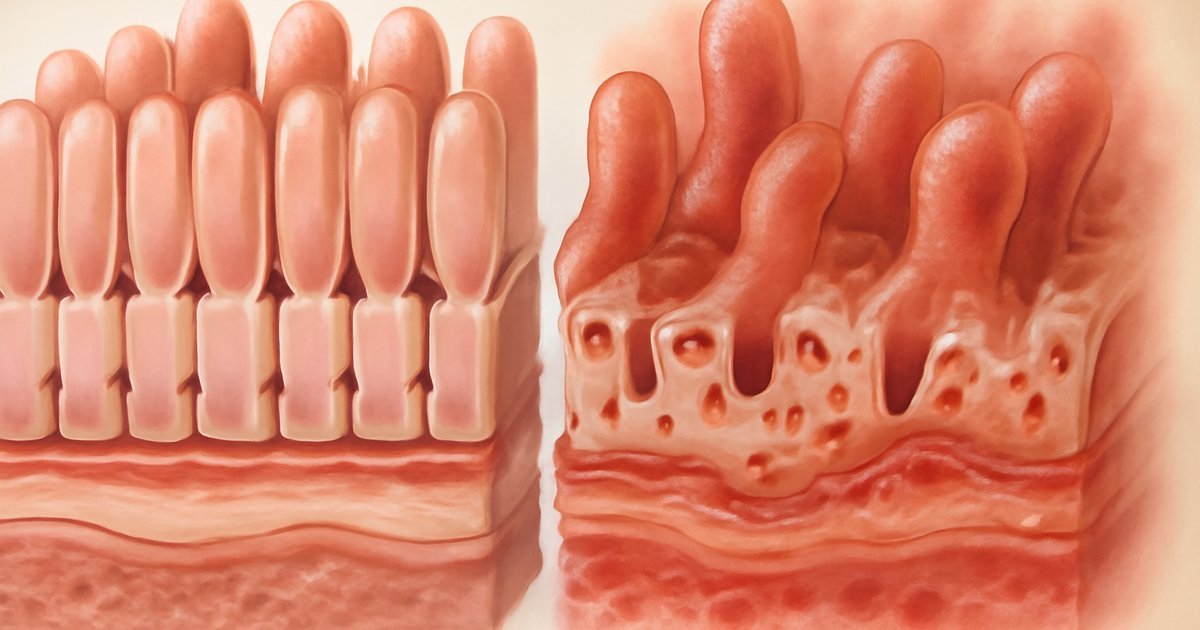
    Your digestive tract is lined with a single layer of epithelial cells — specialized cells that act as a selective barrier between the contents of your intestines and your bloodstream. This lining is held together by tight junction proteins, which function somewhat like the mortar between bricks, controlling what passes through and what stays out.

    When these tight junctions become compromised, the intestinal barrier loses its selectivity. Partially digested food particles, bacterial toxins, and other substances that would normally remain inside the gut can pass into the bloodstream. This process is what clinicians refer to as increased intestinal permeability — or, in more colloquial terms, leaky gut syndrome.

    It is important to clarify one thing: leaky gut syndrome is not yet recognized as a formal standalone diagnosis in mainstream clinical practice. However, intestinal permeability itself is a well-documented, measurable physiological phenomenon. According to research from the NIH’s National Institute of Diabetes and Digestive and Kidney Diseases, disrupted gut barrier function is increasingly linked to conditions ranging from inflammatory bowel disease to metabolic disorders and even certain autoimmune diseases.

    This distinction matters because it separates the legitimate science from the oversimplified or exaggerated claims you may encounter online. Increased intestinal permeability is real, measurable, and clinically relevant — but it is typically a contributing factor within a larger health picture, not an isolated diagnosis on its own.

    Signs and Symptoms of Leaky Gut

    One of the most challenging aspects of leaky gut syndrome is that its symptoms overlap significantly with many other gastrointestinal and systemic conditions. This is precisely why it often goes unrecognized for years.

    Early and Common Symptoms:

    • Chronic bloating, especially after meals
    • Abdominal cramping or discomfort
    • Irregular bowel habits — diarrhea, constipation, or alternating between both
    • Persistent fatigue that is not explained by sleep issues
    • Brain fog or difficulty concentrating
    • Food sensitivities that seem to be worsening over time
    • Skin issues such as eczema, acne, or unexplained rashes

    Symptoms That May Suggest a More Advanced Problem:

    • Joint pain and inflammation without a clear orthopedic cause
    • Frequent infections or a weakened immune response
    • Mood disturbances including anxiety and depression
    • Nutritional deficiencies despite an adequate diet
    • Autoimmune flare-ups in conditions like rheumatoid arthritis or Hashimoto’s thyroiditis

    A 2021 review published in Frontiers in Immunology found that patients with documented increased intestinal permeability showed elevated levels of lipopolysaccharides (LPS) — bacterial endotoxins — in their bloodstream, which correlated with systemic inflammation markers. This gives clinicians a measurable window into how gut barrier dysfunction can drive symptoms far beyond the digestive tract.

    This variation is important to understand: not every person with intestinal permeability will experience the same constellation of symptoms. This varies significantly from person to person depending on genetics, existing health conditions, and overall microbiome health.

    Causes and Risk Factors

    The gut barrier does not break down overnight. Research suggests it is typically the result of multiple overlapping factors that accumulate over months or years. Understanding these causes is critical because many of them are modifiable through lifestyle changes and medical management.

    Dietary Factors:

    • Diets high in ultra-processed foods, refined sugars, and artificial emulsifiers have been shown in multiple animal and human studies to disrupt tight junction proteins
    • Chronic alcohol consumption is one of the most well-documented dietary contributors to increased intestinal permeability, according to research from the NIH’s National Institute on Alcohol Abuse and Alcoholism
    • Low dietary fiber intake reduces the production of short-chain fatty acids, which are essential for maintaining the intestinal lining

    Medications:

    • Long-term use of non-steroidal anti-inflammatory drugs (NSAIDs) such as ibuprofen and aspirin has been associated with gut barrier disruption in multiple clinical studies
    • Proton pump inhibitors (PPIs), when used chronically, may alter gut microbiome composition in ways that affect barrier integrity
    • Antibiotics, while medically necessary, can deplete beneficial gut bacteria that help maintain the intestinal lining

    Chronic Stress: The gut-brain axis — the bidirectional communication network between your brain and digestive system — means that chronic psychological stress directly affects gut motility and barrier function. Clinical evidence from the American Psychological Association indicates that stress hormones like cortisol can weaken tight junction proteins over time.

    Underlying Conditions: Conditions such as celiac disease, Crohn’s disease, irritable bowel syndrome (IBS), and type 1 diabetes have all been independently associated with measurable increases in intestinal permeability. In some cases, researchers are still working to determine whether the permeability is a cause or a consequence of the condition.

    According to the CDC, approximately 60 million Americans are affected by some form of digestive disease — a statistic that underscores just how widespread gut barrier issues may be across the US population.

    Diagnosis: What to Expect

    If you suspect you may have issues with intestinal permeability, the first step is a thorough evaluation by your primary care physician or a board-certified gastroenterologist. There is no single universally accepted test for leaky gut syndrome, which is part of why diagnosis requires a comprehensive clinical approach.

    Tests Your Doctor May Order:

    • Lactulose-mannitol urine test: This is the most widely used research tool for measuring intestinal permeability. You drink a solution containing two sugars, and their ratio in your urine indicates how permeable your gut lining is. While used extensively in research, it is not yet standardized for routine clinical practice at all facilities.
    • Zonulin blood test: Zonulin is a protein that regulates tight junctions. Elevated serum zonulin levels have been associated with increased permeability in studies published in journals affiliated with Mayo Clinic research teams. However, test standardization is still an active area of development.
    • Comprehensive stool analysis: This can evaluate microbiome diversity, markers of inflammation (such as calprotectin), and signs of dysbiosis — an imbalance in gut bacteria — that may accompany barrier dysfunction.
    • Standard gastrointestinal workup: Your doctor will likely also order bloodwork to check for inflammatory markers like CRP (C-reactive protein), complete metabolic panels, and potentially endoscopy to rule out conditions like Crohn’s disease or ulcerative colitis.

    Most physicians recommend seeking evaluation if you have been experiencing persistent unexplained gastrointestinal symptoms for more than four to six weeks, particularly if accompanied by systemic symptoms like fatigue or joint pain.

    Treatment Options

    Treatment for increased intestinal permeability is most effective when it addresses the underlying causes rather than just managing symptoms. Clinical evidence supports a multimodal approach combining medical care with targeted lifestyle modifications.

    Medical Treatments:

    • Treating underlying conditions: If a diagnosed condition such as celiac disease, IBD, or SIBO (small intestinal bacterial overgrowth) is driving the permeability, treating that condition is the primary medical priority
    • Targeted antimicrobials: When dysbiosis or SIBO is identified, a gastroenterologist may prescribe specific antibiotic or antifungal therapy to rebalance gut flora
    • Medication review: Your doctor may assess whether any current medications are contributing to gut barrier issues and discuss alternatives where appropriate

    Dietary Approaches: A 2023 randomized controlled trial published through NIH-affiliated research showed that a diet rich in fermented foods — including yogurt, kefir, kimchi, and sauerkraut — significantly increased microbiome diversity and reduced inflammatory markers compared to a high-fiber diet alone. Research suggests the following dietary strategies support gut barrier integrity:

    • Increasing dietary fiber from whole fruits, vegetables, legumes, and whole grains to fuel short-chain fatty acid production
    • Reducing ultra-processed food intake and refined sugars
    • Limiting or eliminating alcohol, particularly during an active treatment period
    • Following a gluten-free diet if celiac disease or confirmed gluten sensitivity is present

    Probiotics and Supplements: Clinical evidence indicates that specific probiotic strains — particularly Lactobacillus rhamnosus GG and Bifidobacterium longum — may help restore gut barrier function. A meta-analysis from the American Journal of Clinical Nutrition found that probiotic supplementation was associated with reduced intestinal permeability markers in patients with IBS and inflammatory bowel conditions. L-glutamine, a conditionally essential amino acid, has also shown promise in early clinical research as a support for intestinal lining repair. Always discuss any supplement regimen with your healthcare provider before starting.

    Stress Management: Given the documented connection between the gut-brain axis and barrier function, evidence-based stress reduction techniques — including cognitive behavioral therapy (CBT), mindfulness-based stress reduction (MBSR), and regular aerobic exercise — are increasingly considered integral components of gut health treatment by gastroenterologists and integrative medicine physicians.

    Living With Gut Permeability Issues and Long-Term Prevention

    Managing a compromised gut barrier is not a quick fix. Most physicians and researchers agree that meaningful, lasting improvement typically requires sustained lifestyle changes maintained over months, not days.

    Practical Daily Strategies:

    • Aim for at least 25-38 grams of dietary fiber per day, as recommended by the Academy of Nutrition and Dietetics
    • Eat slowly and mindfully — eating too quickly reduces digestive enzyme activation and increases fermentation and bloating
    • Prioritize sleep: research from Harvard Medical School suggests that chronic sleep deprivation alters gut microbiome composition within just two weeks
    • Stay physically active: moderate aerobic exercise has been shown to increase microbiome diversity and support gut barrier integrity in studies from the Cleveland Clinic
    • Limit NSAID use to the minimum medically necessary, and discuss alternatives with your doctor if you rely on them regularly
    • Stay adequately hydrated — water supports mucus layer production in the gut, which forms the first line of defense for the intestinal epithelium

    For prevention, research suggests that the same lifestyle factors that protect cardiovascular health — a fiber-rich diet, regular exercise, stress management, and limited alcohol — also maintain a resilient gut barrier. These are not separate health goals; they are deeply interconnected.

    When to Call Your Doctor and Emergency Red Flags

    While leaky gut syndrome itself is rarely a medical emergency, certain symptoms associated with gut dysfunction require prompt medical attention.

    Call your doctor promptly if you experience:

    • Persistent diarrhea lasting more than two weeks
    • Unexplained and significant weight loss
    • Blood in your stool or rectal bleeding
    • Severe abdominal pain that is constant or progressively worsening
    • Symptoms of nutritional deficiency such as hair loss, extreme fatigue, or neurological changes

    Seek emergency care immediately if you experience:

    • Sudden, severe abdominal pain with fever and rigid abdomen — this may indicate bowel perforation or sepsis
    • Signs of significant blood loss: dizziness, rapid heartbeat, fainting, or large amounts of blood in stool
    • High fever accompanied by severe abdominal symptoms

    At your next routine visit, consider discussing your gut health history with your physician, including any long-term medication use, dietary patterns, and the full range of symptoms you have been experiencing. Bring a written list — your doctor will appreciate the detail and it ensures nothing is overlooked.

    Frequently Asked Questions

    Is leaky gut syndrome a real medical diagnosis?
    Increased intestinal permeability is a real, measurable physiological phenomenon supported by peer-reviewed research. However, "leaky gut syndrome" is not currently listed as a formal standalone diagnosis in standard medical classification systems like the ICD-10. Most gastroenterologists evaluate it as a contributing mechanism within a broader clinical picture rather than a primary diagnosis.

    Can leaky gut be permanently healed?
    Research suggests that gut barrier function can significantly improve with the right combination of medical treatment, dietary changes, and lifestyle modifications. However, "permanently healed" is not the most accurate framing — maintaining a healthy gut barrier is an ongoing process, much like maintaining cardiovascular health. Clinical evidence indicates that individuals who sustain dietary and lifestyle changes see the most durable improvements.

    What foods are worst for intestinal permeability?
    Clinical evidence points most strongly to ultra-processed foods, refined sugars, artificial emulsifiers (found in many packaged foods), and alcohol as the most disruptive to gut barrier integrity. For individuals with confirmed celiac disease, gluten is also a significant factor. Your specific triggers may vary, which is why working with a registered dietitian alongside your physician is valuable.

    Do probiotics actually help with leaky gut?
    The evidence is promising but still evolving. Certain probiotic strains have shown measurable benefits for intestinal permeability markers in clinical trials, particularly in individuals with IBS or inflammatory bowel conditions. However, not all probiotics are the same — strain selection, dosage, and the individual's existing microbiome all affect outcomes. Your doctor or a registered dietitian can help you evaluate options appropriate for your situation.

    Can stress alone cause leaky gut?
    Chronic stress is a documented contributor to gut barrier disruption via the gut-brain axis. Research published through NIH-affiliated studies shows that prolonged elevation of stress hormones like cortisol and corticotropin-releasing hormone (CRH) can directly weaken tight junction proteins. That said, stress typically acts as one factor among several — rarely the sole cause in isolation.

    Conclusion

    Leaky gut syndrome — or increased intestinal permeability — sits at a fascinating and important intersection of digestive health, immune function, and systemic wellness. The science is real and growing, even if the clinical picture is still being refined by researchers at institutions like the NIH, Mayo Clinic, and Cleveland Clinic.

    The encouraging reality is that many of the factors contributing to gut barrier dysfunction are modifiable. A thoughtful combination of evidence-based dietary changes, appropriate medical treatment, stress management, and consistent follow-up with your healthcare team can lead to meaningful improvement in gut health and overall wellbeing.

    Do not try to navigate this on your own. If you recognize yourself in these symptoms, bring this article as a starting point to your next doctor's appointment. You deserve answers — and with the right clinical support, they are within reach.


    Medical Disclaimer: This article is for informational and educational purposes only. It does not constitute medical advice, diagnosis, or treatment. Always consult your physician or a qualified healthcare provider before making changes to your health routine or treatment plan.

    Medically reviewed by our editorial health team. Content follows evidence-based standards aligned with CDC and NIH guidelines.