Lion’s Mane Mushroom: Brain Health & Cognitive Benefits
Clinical research suggests this ancient medicinal fungus may support nerve growth, memory, and mental clarity — here’s what the evidence actually shows.
Introduction
Marcus, 54, noticed he was forgetting names, losing his train of thought mid-sentence, and struggling to focus during long work meetings. His physician ruled out serious neurological issues, but Marcus still wanted to be proactive. That’s when he started reading about lion’s mane mushroom — and wondering if it was hype or genuinely helpful.
He’s not alone. According to the CDC, approximately 16 million Americans live with some form of cognitive impairment, and millions more report mild but frustrating mental fog as they age. More adults than ever are turning to natural wellness strategies to complement conventional care and preserve their cognitive edge.
Lion’s mane mushroom (Hericium erinaceus) has attracted serious scientific attention in recent years. In this guide, you’ll learn what lion’s mane actually is, what peer-reviewed research says about its effects on brain health, how it’s used, who may benefit most, and what precautions to keep in mind before adding it to your routine.
What Is Lion’s Mane Mushroom?
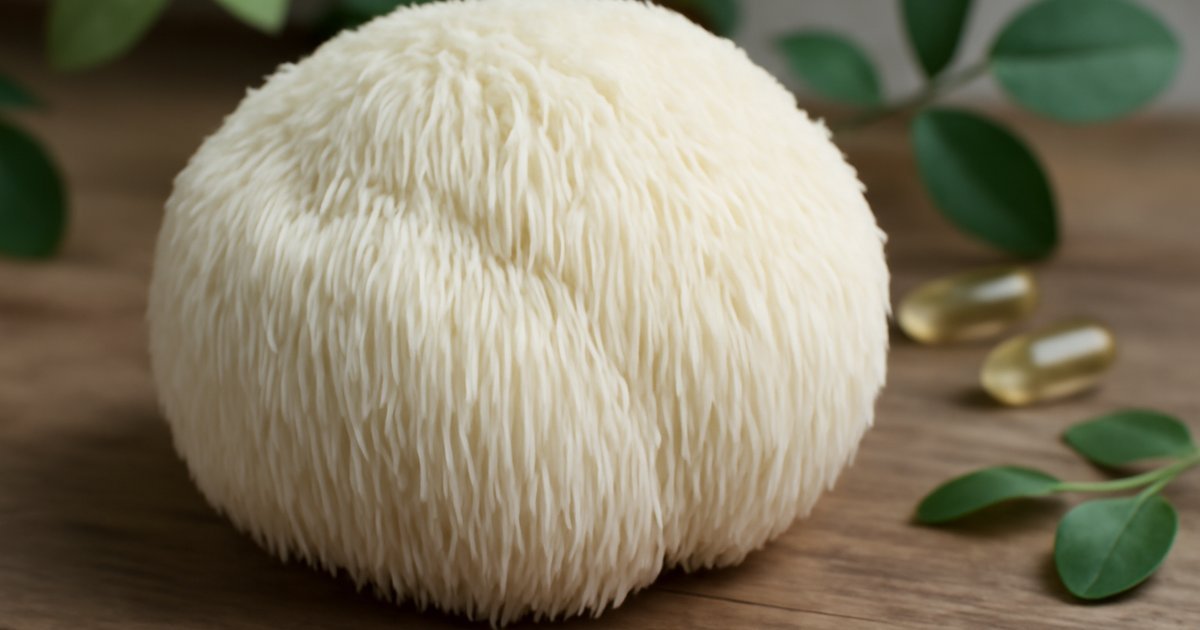
Lion’s mane mushroom is a large, white, shaggy fungus that grows on hardwood trees across North America, Europe, and Asia. Its name comes from its distinctive appearance — long, cascading white spines that resemble a lion’s mane.
For centuries, it has been used in traditional Chinese and Japanese medicine to support digestive health, nervous system function, and mental clarity. Today, it’s commercially available in the US as a dietary supplement in capsule, powder, and extract form, as well as a culinary mushroom sold fresh or dried.
What makes lion’s mane scientifically interesting is its content of two unique bioactive compounds: hericenones (found in the fruiting body) and erinacines (found in the mycelium, or root-like structure). Research published through the NIH’s PubMed database suggests these compounds may stimulate the production of nerve growth factor (NGF) — a protein essential for the growth, maintenance, and survival of neurons in the brain.
Lion’s mane is not a pharmaceutical drug. It is classified by the FDA as a dietary supplement, meaning it does not undergo the same rigorous approval process as prescription medications. This distinction matters when evaluating claims.
What Research Says About Brain Health Benefits
The most compelling science around lion’s mane centers on its potential to support neurological function through NGF stimulation. Here’s what clinical and preclinical evidence currently shows.
A landmark double-blind, placebo-controlled clinical trial published in Phytotherapy Research followed 30 Japanese adults aged 50 to 80 with mild cognitive impairment. Participants who took lion’s mane extract for 16 weeks scored significantly higher on cognitive function tests than the placebo group — though cognitive scores declined again after supplementation stopped. This suggests an ongoing relationship between supplementation and benefit, rather than a permanent change.
Additional research published in journals indexed by the NIH indicates that lion’s mane may support:
- Memory and recall: Animal studies show improved spatial memory in models with hippocampal damage — the hippocampus is the brain region most associated with memory formation
- Mood and anxiety reduction: A small study of menopausal women found that four weeks of lion’s mane consumption was associated with reduced irritability and anxiety compared to placebo
- Nerve regeneration: In vitro (laboratory) studies demonstrate that erinacines can cross the blood-brain barrier and promote NGF synthesis, which may have implications for peripheral nerve injury recovery
- Neuroprotection: Preliminary animal studies suggest potential protective effects against amyloid plaques — the protein deposits associated with Alzheimer’s disease — though human trials on this specific outcome remain limited
It’s important to note: most human trials have been small (under 100 participants) and short in duration. Research suggests promise, but lion’s mane is not a proven treatment for Alzheimer’s disease, dementia, or any neurodegenerative condition. Larger, longer-term trials are still needed.
Other Potential Health Benefits
Beyond cognitive support, lion’s mane has been studied for several additional health applications that may interest health-conscious adults.
Digestive health: Research suggests lion’s mane may have gastroprotective properties, potentially supporting the stomach lining and reducing inflammation in the gut. A study in the International Journal of Molecular Sciences found that lion’s mane extract helped protect against ulcer development in animal models — though human data remains early-stage. If you’re exploring gut health more broadly, our guide on Celiac Disease: Symptoms, Diagnosis & Gut Health Guide may also be helpful.
Anti-inflammatory effects: Like other medicinal mushrooms, lion’s mane contains polysaccharides — long-chain carbohydrates — with documented anti-inflammatory and antioxidant properties. Chronic low-grade inflammation is linked to many age-related conditions, making this a relevant benefit for adults over 40. For related reading, see our article on Turmeric & Curcumin: Natural Anti-Inflammatory Benefits.
Immune system support: Polysaccharides in lion’s mane, particularly beta-glucans, have been shown in clinical research to modulate immune response — enhancing immune surveillance without overstimulating the immune system.
Mental health support: Early-stage research suggests that lion’s mane may influence levels of serotonin and dopamine — neurotransmitters that regulate mood — though the mechanisms are not yet fully understood. This is an active area of investigation.
Who May Benefit Most From Lion’s Mane?
Lion’s mane is not for everyone, and individual results vary considerably. However, clinical evidence suggests the following groups may see the most relevant benefits:
- Adults over 50 experiencing mild cognitive changes: Age-related memory lapses, reduced mental sharpness, and slower processing speed are common, and lion’s mane’s NGF-stimulating properties may offer modest support
- Individuals managing stress-related mental fog: Chronic stress elevates cortisol, which can impair memory and focus. Lion’s mane may complement other stress-reduction strategies
- Those with a family history of neurological conditions: While lion’s mane is not a preventive treatment, some individuals choose to incorporate it as part of a broader cognitive wellness approach — always in consultation with a physician
- People seeking natural digestive support: Its anti-inflammatory and gastroprotective properties may benefit those with mild GI discomfort
This varies from person to person, and no supplement replaces comprehensive medical evaluation if you’re concerned about memory or neurological function.
Forms, Dosing Ranges, and Quality Considerations
Lion’s mane is available in several forms, each with different potency and bioavailability profiles. This section describes general research-based usage ranges — always consult your healthcare provider before beginning any new supplement.
Forms available:
- Capsules and tablets: The most standardized form, often containing whole mushroom powder or a dual extract (fruiting body + mycelium)
- Powder: Can be mixed into coffee, smoothies, or soups; quality and potency vary significantly by brand
- Liquid extracts: Higher concentration per dose, typically used by those seeking more pronounced effects
- Fresh or dried mushroom: Culinary use is safe and enjoyable; the concentration of bioactive compounds is lower than in concentrated supplements
Quality matters enormously. Because dietary supplements are not FDA-approved before sale, quality varies widely. When choosing a lion’s mane product, look for:
- Third-party testing verification (NSF International, USP, or Informed Sport certification)
- Products standardized to known percentages of beta-glucans
- Clear labeling indicating whether the extract comes from the fruiting body, mycelium, or both — the fruiting body is generally considered to contain more hericenones
- Reputable US-based manufacturers with transparent sourcing
The clinical trial showing cognitive benefits used 3 grams per day of dried mushroom powder. However, extract products are often more concentrated, meaning effective amounts differ. Your doctor or a registered dietitian can help you evaluate specific products.
Safety, Side Effects, and Drug Interactions
Lion’s mane has a favorable safety profile in most adults, based on available clinical data. In the 16-week Japanese clinical trial, no serious adverse events were reported. However, like any bioactive compound, it is not without potential concerns.
Reported side effects (uncommon but possible):
- Digestive discomfort, bloating, or nausea — particularly at higher doses
- Skin rashes or itching — possible signs of an allergic reaction
- Breathing difficulty — rare, but reported in individuals with mushroom allergies; requires immediate medical attention
Important precautions:
- Mushroom allergies: If you are allergic to other fungi or mushrooms, avoid lion’s mane and speak with your allergist first
- Blood sugar effects: Preliminary research suggests lion’s mane may have mild blood glucose-lowering properties. If you take diabetes medications, monitor glucose carefully and inform your physician
- Anticoagulant interactions: Some animal studies suggest lion’s mane may affect platelet aggregation (blood clotting). If you take blood thinners such as warfarin, consult your doctor before use
- Pregnancy and breastfeeding: Insufficient safety data exists. Most clinicians recommend avoiding supplemental lion’s mane during pregnancy or nursing
- Autoimmune conditions: Because lion’s mane modulates immune function, individuals with autoimmune diseases should discuss use with their rheumatologist or primary care provider
Living Well: Integrating Lion’s Mane Into a Brain-Healthy Lifestyle
No single supplement — including lion’s mane — operates in isolation. Clinical evidence consistently shows that the most effective approach to long-term cognitive health is multi-layered.
If you choose to incorporate lion’s mane, consider pairing it with these evidence-based brain-health strategies:
- Regular aerobic exercise: The American Heart Association recommends at least 150 minutes of moderate-intensity exercise per week. Exercise promotes brain-derived neurotrophic factor (BDNF), a protein similar to NGF that supports neuron health
- Quality sleep: The brain clears metabolic waste — including amyloid proteins — during sleep. Adults over 50 who consistently sleep less than 6 hours show higher cognitive decline risk, per NIH research
- Mediterranean-style diet: Rich in vegetables, fatty fish, olive oil, and whole grains, this dietary pattern is associated with reduced dementia risk in multiple large cohort studies
- Stress management: Chronic stress is neurotoxic. Mindfulness, therapy, and social connection have documented protective effects on the aging brain
- Cognitive engagement: Learning new skills, reading, and social interaction support neuroplasticity — the brain’s ability to form new connections
Lion’s mane fits most naturally as one tool within this broader framework — not as a replacement for it. For adults interested in other natural wellness supplements with complementary mechanisms, our guide on Berberine: Blood Sugar, Weight & Metabolic Health Benefits explores another evidence-supported option.
When to See Your Doctor About Cognitive Concerns
Mild forgetfulness is a normal part of aging. But certain symptoms require prompt medical evaluation — not supplements.
Schedule an appointment with your physician if you notice:
- Frequent memory lapses that affect daily functioning (missing appointments, forgetting familiar names repeatedly)
- Difficulty with problem-solving, planning, or completing familiar tasks
- Confusion about time, dates, or location
- Changes in mood, personality, or behavior that others have commented on
- Getting lost in familiar places
Seek emergency care immediately if you experience:
- Sudden severe confusion or disorientation
- Sudden weakness, numbness, or loss of coordination
- Sudden difficulty speaking or understanding speech
- Sudden severe headache described as the worst of your life
These may indicate a stroke or other neurological emergency. Call 911 without delay.
At your next appointment, consider telling your doctor: "I’ve been reading about lion’s mane mushroom for cognitive support. I’d like your input on whether it’s appropriate for me given my current health profile and medications."
Frequently Asked Questions
Does lion’s mane mushroom actually improve memory?
Research suggests it may modestly support memory in adults with mild cognitive impairment, based on a small but well-designed clinical trial. However, it has not been proven to reverse or prevent dementia. Effects appear to be most notable during active supplementation.
How long does it take for lion’s mane to work?
The most cited human clinical trial observed improvements after 16 weeks of consistent use. Most practitioners and researchers suggest allowing at least 8 to 12 weeks before assessing benefits. Individual variation is significant.
Can I take lion’s mane every day?
Most clinical trials used daily supplementation, and available safety data suggests it is generally well-tolerated for daily use in healthy adults. However, long-term safety data beyond one year remains limited. Discuss ongoing use with your physician.
Is lion’s mane safe to take with other supplements or medications?
It may interact with diabetes medications, blood thinners, and immunosuppressive drugs. Always disclose all supplements to your healthcare provider to screen for potential interactions.
What’s the difference between lion’s mane fruiting body and mycelium?
The fruiting body (the visible mushroom cap and spines) contains primarily hericenones, while the mycelium (the underground root-like network) contains erinacines. Both compounds appear to stimulate NGF. Some research suggests the fruiting body extract may be more potent for cognitive applications, but dual-extract products are also widely studied. Quality of extraction matters more than source alone.
Conclusion
Lion’s mane mushroom is one of the more scientifically credible options in the growing field of natural cognitive wellness. Its ability to stimulate nerve growth factor production sets it apart from many other supplements, and early human clinical trials — while limited in size — offer genuinely promising signals.
That said, it is not a cure, it is not a replacement for medical care, and it works best as part of a comprehensive brain-healthy lifestyle that includes quality sleep, regular exercise, a nutrient-rich diet, and proactive conversations with your doctor.
If you’re considering lion’s mane, bring it up at your next appointment. Your physician can help you evaluate whether it fits your specific health profile, flag any interactions, and set realistic expectations. Your brain health is worth a thoughtful, evidence-informed approach.
Medical Disclaimer: This article is for informational and educational purposes only. It does not constitute medical advice, diagnosis, or treatment. Always consult your physician or a qualified healthcare provider before making changes to your health routine or treatment plan.
Medically reviewed by our editorial health team. Content follows evidence-based standards aligned with CDC and NIH guidelines.