
Tag: heart health

  • Metabolic Syndrome in Men: Signs, Risks & How to Fight Back

    Metabolic Syndrome in Men: Signs, Risks & How to Fight Back

    Metabolic Syndrome in Men: Signs, Risks & How to Fight Back

    Metabolic syndrome is a cluster of silent risk factors that dramatically raises a man's odds of heart disease, stroke, and type 2 diabetes — and most men have no idea they have it.

    The Silent Storm Most Men Don't See Coming

    David, 47, felt fine. He worked out occasionally, watched football on weekends, and figured the extra weight around his midsection was just part of getting older. His annual physical told a different story: elevated blood pressure, borderline blood sugar, low HDL (good) cholesterol, and a waist measurement pushing 42 inches.

    His doctor sat him down and explained that he had metabolic syndrome — a combination of five interconnected conditions that together create a dangerous blueprint for heart attack, stroke, and diabetes. David had never heard the term before. He's not alone.

    According to the National Institutes of Health, approximately one in three American adults has metabolic syndrome, and men over 40 are disproportionately affected. The condition often develops silently, with no dramatic symptoms, yet it can quietly accelerate cardiovascular disease, damage kidneys, and impair hormonal function.

    In this guide, you'll learn exactly what metabolic syndrome is, how to recognize it, what drives it, and — most importantly — what you can realistically do about it with support from your healthcare provider.

    What Is Metabolic Syndrome?

    Metabolic syndrome is not a single disease. It's a cluster of five metabolic abnormalities that, when occurring together, significantly multiply your risk for serious health events. Think of it as your body's way of flagging that multiple systems are under strain at the same time.

    According to guidelines from the American Heart Association and the National Heart, Lung, and Blood Institute, metabolic syndrome is diagnosed when a man has three or more of the following criteria:

    • Abdominal obesity: Waist circumference greater than 40 inches in men
    • High triglycerides: 150 mg/dL or higher (triglycerides are a type of fat found in your blood)
    • Low HDL cholesterol: Below 40 mg/dL in men (HDL is your "good" cholesterol that helps remove harmful fats from arteries)
    • High blood pressure: 130/85 mmHg or higher, or currently taking blood pressure medication
    • Elevated fasting blood sugar: 100 mg/dL or higher, or currently taking blood sugar medication

    The CDC estimates that metabolic syndrome affects roughly 34% of U.S. adults, with prevalence rising sharply after age 40. For men in their 50s and 60s, the rate climbs even higher — with some studies from the American Heart Association placing it above 40% in that age group.

    Why does it matter so much? Because having metabolic syndrome roughly doubles your risk of cardiovascular disease and increases your risk of developing type 2 diabetes by five times, according to clinical evidence reviewed by the AHA.

    Signs and Symptoms: What Your Body May Be Telling You

    One of the most challenging aspects of metabolic syndrome is that it rarely causes symptoms you'd notice on your own. Most men feel perfectly normal. That's what makes it dangerous.

    However, there are physical and subtle signs worth paying attention to:

    Physical Signs You Can Observe

    • Waistline expanding past 40 inches (measured at the navel)
    • Noticeable accumulation of belly fat, even if overall weight seems moderate
    • Skin tags or patches of darkened skin called acanthosis nigricans (a sign of insulin resistance) around the neck or armpits
    • Frequent urination or increased thirst (may signal high blood sugar)
    • Fatigue that doesn't improve with rest

    Advanced or Associated Signs

    • Headaches or blurred vision (linked to elevated blood pressure)
    • Low energy, brain fog, and reduced motivation (possibly linked to insulin resistance affecting the brain)
    • Reduced libido or erectile difficulties (metabolic syndrome impairs testosterone production and vascular function)
    • Sleep disturbances, including snoring or sleep apnea

    A 2023 review published through the NIH's National Library of Medicine confirmed that insulin resistance — the condition where cells don't respond properly to the hormone insulin — is present in the vast majority of men diagnosed with metabolic syndrome and is considered the central driver of most associated symptoms.

    This varies from person to person. Some men experience none of these signs until blood work reveals the underlying numbers during a routine physical.

    Causes and Risk Factors: Why Men Are Particularly Vulnerable

    Metabolic syndrome doesn't have a single cause. It's driven by a combination of lifestyle, genetic, and hormonal factors — many of which intersect in ways that are especially common in men over 40.

    Lifestyle Factors

    • Physical inactivity: Sedentary behavior is one of the strongest predictors. According to the CDC, only about 24% of American adults meet both aerobic and muscle-strengthening activity guidelines.
    • Poor dietary patterns: Diets high in refined carbohydrates, added sugars, trans fats, and processed foods drive both abdominal fat accumulation and insulin resistance.
    • Excess alcohol consumption: Heavy drinking raises triglycerides, blood pressure, and liver fat — three direct contributors to metabolic syndrome.
    • Chronic sleep deprivation: Research from Johns Hopkins suggests that sleeping fewer than six hours per night is independently associated with elevated fasting blood sugar and higher BMI.
    • Chronic stress: Elevated cortisol (the stress hormone) promotes central fat storage and increases blood sugar levels over time.

    Biological and Hormonal Factors

    • Declining testosterone: As men age, testosterone levels naturally drop. Low testosterone is associated with increased abdominal fat, insulin resistance, and metabolic dysfunction. Research suggests this creates a feedback loop — more belly fat leads to lower testosterone, which leads to more belly fat.
    • Genetics: A family history of type 2 diabetes, heart disease, or obesity increases susceptibility. Some men carry genetic variants that affect how efficiently they metabolize fats and sugars.
    • Ethnicity: According to NIH data, Hispanic and South Asian men tend to develop metabolic syndrome at lower body weights compared to non-Hispanic white men, suggesting ethnic-specific thresholds may be relevant.
    • Age: The risk increases steadily after age 40. By age 60, the majority of American men who are overweight also meet criteria for at least two of the five metabolic syndrome components.

    Diagnosis: What to Expect at Your Doctor's Office

    Diagnosing metabolic syndrome is relatively straightforward and requires a combination of physical measurements and blood tests — most of which are part of a standard annual physical.

    What Your Doctor Will Measure

    • Waist circumference: Measured at the level of your navel while standing. This is more clinically meaningful than overall body weight or BMI for assessing metabolic risk.
    • Blood pressure: Taken at rest using a standard cuff. Multiple readings over time give the most accurate picture.
    • Fasting lipid panel: A blood test that measures total cholesterol, LDL, HDL, and triglycerides after an 8-12 hour fast.
    • Fasting blood glucose: Measures blood sugar after fasting. Your doctor may also order a hemoglobin A1C test, which reflects your average blood sugar over the past three months.
    • Insulin level: Sometimes ordered to assess the degree of insulin resistance, though not always part of routine labs.

    Clinical evidence from the Mayo Clinic indicates that early detection is critical. Men who identify metabolic syndrome before it progresses to cardiovascular disease or type 2 diabetes have significantly more treatment options and better outcomes. The American Heart Association recommends that all adults begin routine metabolic screening no later than age 20, with more frequent monitoring after 40.

    If your numbers are borderline but not yet diagnostic, your doctor may use a risk score tool such as the Framingham Risk Score to gauge your overall 10-year cardiovascular risk and determine how aggressively to intervene.

    Treatment Options: A Combined Approach That Works

    The good news is that metabolic syndrome is highly responsive to treatment — particularly when lifestyle changes are implemented consistently and early. Most physicians recommend a combination of behavioral modification and, when necessary, medication.

    Lifestyle Modifications (First-Line Treatment)

    Weight loss: Even modest reductions in body weight can produce meaningful improvements in all five metabolic syndrome markers. Clinical evidence from the NIH suggests that losing 5 to 10% of body weight can significantly reduce blood pressure, improve blood sugar control, and raise HDL cholesterol.

    Physical activity: The AHA recommends at least 150 minutes per week of moderate-intensity aerobic exercise (such as brisk walking, cycling, or swimming), plus two days of resistance training. Resistance training is particularly important for men, as it helps build insulin-sensitive muscle mass and supports testosterone levels.

    Dietary changes: Research from Harvard Health and multiple clinical trials supports diets that emphasize whole grains, lean protein, healthy fats (such as those found in olive oil, avocado, and fatty fish), and abundant vegetables. Reducing added sugars and refined carbohydrates is especially effective at lowering triglycerides and improving blood sugar control.

    Sleep optimization: Addressing sleep apnea — which is extremely common in men with abdominal obesity — can independently improve insulin sensitivity, blood pressure, and energy levels. If you snore heavily or wake unrefreshed, ask your doctor about a sleep study.

    Stress management: Chronic stress management through structured techniques such as mindfulness-based stress reduction, regular physical activity, or therapy has been shown in clinical settings to lower cortisol and reduce metabolic risk markers over time.

    Medications

    When lifestyle changes alone are insufficient, your physician may prescribe medications to manage individual components of metabolic syndrome. These may include antihypertensives for blood pressure, statins or fibrates for cholesterol and triglycerides, or metformin-class medications for blood sugar. Each man's treatment plan is individualized based on which components are most elevated and his overall cardiovascular risk profile.

    Your doctor will never recommend a one-size-fits-all approach. This varies from person to person, and medication decisions are made in the context of your full medical history, other conditions, and preferences.

    Living With Metabolic Syndrome: Day-to-Day Management

    Managing metabolic syndrome is not about perfection — it's about consistent, sustainable changes that compound over months and years. Here are practical strategies that clinical evidence supports:

    • Track your waist measurement monthly, not just your weight. The scale doesn't capture shifts in visceral fat (fat around internal organs), which is the most metabolically dangerous type.
    • Eat protein at every meal. Adequate protein supports muscle maintenance, promotes satiety, and helps regulate blood sugar spikes after meals.
    • Walk after meals. A 10-15 minute walk after eating has been shown in multiple studies to blunt post-meal blood sugar rises significantly.
    • Limit liquid calories. Sugary drinks, energy drinks, and excessive alcohol are major drivers of elevated triglycerides and liver fat in men.
    • Build accountability. Working with a registered dietitian, certified personal trainer, or a chronic disease management program increases adherence and long-term success.
    • Monitor your numbers. Keep a log of your blood pressure readings, fasting glucose, and waist circumference over time so you and your doctor can track progress objectively.

    Men who are also managing related conditions like chronic kidney disease or atrial fibrillation should discuss how metabolic syndrome management intersects with those conditions, as treatment priorities may differ.

    When to Call Your Doctor — and Emergency Red Flags

    Metabolic syndrome itself is not a medical emergency, but several of its components can produce life-threatening events if left unmanaged. Know the difference between symptoms that warrant a scheduled visit and those requiring immediate care.

    Schedule an Appointment If:

    • You haven't had a metabolic workup (waist measurement, blood pressure, fasting labs) in the past year
    • You've noticed your waist expanding, energy declining, or thirst increasing
    • A close family member has been diagnosed with type 2 diabetes or heart disease
    • Your home blood pressure readings consistently exceed 130/85 mmHg
    • You're experiencing poor sleep, heavy snoring, or waking gasping for air

    Seek Emergency Care Immediately If:

    • Sudden chest pain, pressure, or tightness — especially with shortness of breath or sweating
    • Sudden severe headache with no known cause
    • Numbness or weakness on one side of the body, sudden vision changes, or slurred speech (signs of stroke)
    • Blood pressure readings above 180/120 mmHg (hypertensive crisis)
    • Rapid heart rate with dizziness or fainting

    Call 911 immediately for any of the above. These may represent cardiac or neurological emergencies that require hospital-level care.

    Frequently Asked Questions

    Can metabolic syndrome be reversed?

    Research suggests that many men can substantially improve or even eliminate individual components of metabolic syndrome through sustained lifestyle changes. Clinical evidence indicates that consistent weight loss, increased physical activity, and dietary modification can normalize blood sugar, blood pressure, triglycerides, and HDL levels in a significant proportion of patients. However, "reversal" is not guaranteed, and individual response varies. Working closely with your doctor to monitor progress is essential.

    How is metabolic syndrome different from obesity?

    Obesity refers to excess body fat overall, while metabolic syndrome refers to a specific cluster of five metabolic risk markers. You can have metabolic syndrome without being clinically obese, and you can be obese without meeting the criteria for metabolic syndrome. That said, abdominal obesity — particularly excess visceral fat — is one of the most powerful drivers of the syndrome in men.

    Does metabolic syndrome affect testosterone levels?

    Yes. Clinical evidence from multiple studies indicates a bidirectional relationship between low testosterone and metabolic syndrome in men. Abdominal fat converts testosterone to estrogen, which further suppresses testosterone production. Low testosterone, in turn, promotes fat accumulation and reduces insulin sensitivity. Managing metabolic syndrome often leads to modest improvements in testosterone levels, though testosterone therapy (if appropriate) should only be considered under physician supervision.

    What should I eat if I have metabolic syndrome?

    Most physicians and registered dietitians recommend a dietary pattern emphasizing vegetables, legumes, whole grains, lean proteins (fish, poultry, beans), and healthy fats (olive oil, nuts, avocado), while minimizing processed foods, sugary beverages, white bread, and saturated fats. The Mediterranean diet and DASH (Dietary Approaches to Stop Hypertension) diet both have strong clinical evidence for improving metabolic syndrome markers. Specific recommendations should be tailored to your individual lab values and health history.

    How often should I be tested if I have metabolic syndrome?

    Most physicians recommend follow-up lab work every three to six months when actively managing metabolic syndrome, particularly during the first year of treatment. Once markers are stable and well-controlled, annual monitoring may be sufficient. Your doctor will determine the appropriate frequency based on your specific risk profile and treatment response.

    A Realistic Path Forward

    Metabolic syndrome can feel overwhelming when you first hear the diagnosis. But here's the truth: it's one of the most modifiable health conditions a man can face after 40. The body has a remarkable capacity to respond to the right inputs — consistent movement, cleaner nutrition, better sleep, lower stress, and evidence-based medical support.

    You don't have to overhaul your life overnight. Research consistently shows that small, sustained changes — a 20-minute walk, fewer processed meals, one extra hour of sleep — compound into meaningful clinical improvements over months.

    Start by scheduling a comprehensive metabolic panel with your primary care physician. Get the numbers. Know where you stand. And then build a plan together. The earlier you act, the more options you have and the better your long-term outlook.

    This article is for informational and educational purposes only. It does not constitute medical advice, diagnosis, or treatment. Always consult your physician or a qualified healthcare provider before making changes to your health routine or treatment plan.

    Medically reviewed by our editorial health team. Content follows evidence-based standards aligned with CDC and NIH guidelines.
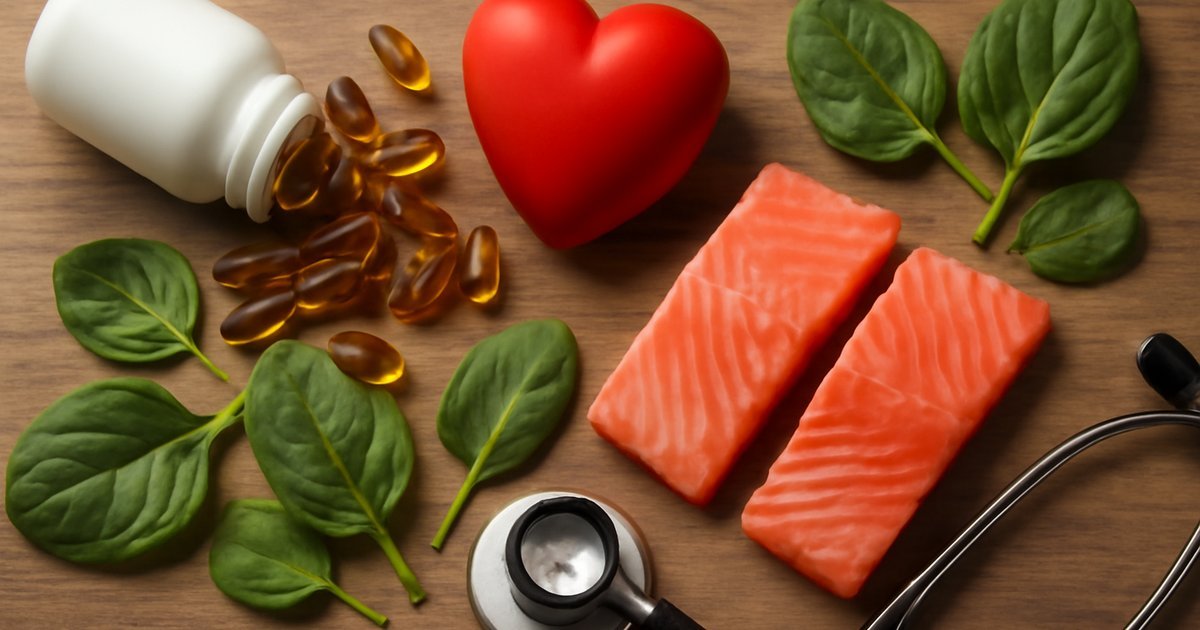
  • CoQ10 Benefits: Energy, Heart Health & Aging

    CoQ10 Benefits: Energy, Heart Health & Aging

    CoQ10 Benefits: Energy, Heart Health & Aging

    A coenzyme your cells depend on — and why levels drop as you age.

    Mark, 54, had been feeling inexplicably tired for months. His labs were normal, his sleep was decent, and his diet was reasonably healthy. When he mentioned it to his cardiologist during a routine follow-up for mild hypertension, the doctor asked a straightforward question: "Are you taking a statin?" Mark was. His cardiologist explained that statins — among the most widely prescribed medications in the United States — can reduce levels of a critical molecule in the body called coenzyme Q10, or CoQ10. Within a few weeks of supplementing under medical supervision, Mark noticed a meaningful difference in his energy levels.

    Stories like Mark's are more common than many people realize. According to the NIH Office of Dietary Supplements, CoQ10 is one of the most studied compounds in the field of mitochondrial health and cardiovascular function. Yet millions of Americans who might benefit from understanding it have never heard the term. In this guide, you'll learn what CoQ10 is, what the clinical evidence actually says about its benefits, who may need more of it, and how to have an informed conversation with your doctor about whether it belongs in your wellness routine.

    What Is CoQ10?

    Coenzyme Q10 is a fat-soluble, vitamin-like compound found naturally in virtually every cell of your body. Its primary role is to help your mitochondria — the energy-producing structures inside cells — convert food into adenosine triphosphate (ATP), the molecule your body uses as fuel for nearly every biological process.

    Think of CoQ10 as a critical component in your cells' energy assembly line. Without adequate CoQ10, the mitochondrial machinery slows down, and cells — especially those with high energy demands, like heart muscle cells, neurons, and skeletal muscle fibers — begin to function less efficiently.

    CoQ10 also plays a second, equally important role as a powerful antioxidant. It neutralizes free radicals — unstable molecules that damage cell membranes, DNA, and proteins — and helps regenerate other antioxidants like vitamin E. This dual function makes it uniquely relevant to aging, cardiovascular disease, neurological health, and metabolic conditions.

    The compound exists in two primary forms: ubiquinol (the active, reduced form) and ubiquinone (the oxidized form that must be converted by the body). Both are available as supplements, and research suggests that ubiquinol may be more readily absorbed, particularly in older adults.

    According to data published in the journal Nutrients, CoQ10 concentrations in the heart decline by approximately 72% between young adulthood and age 80 — a statistic that helps explain why cardiovascular function and physical energy often diminish with aging, independent of disease.

    Signs You May Have Low CoQ10 Levels

    Your body produces CoQ10 naturally, but production begins declining around age 30 and continues falling throughout life. Certain health conditions and medications can accelerate this decline significantly.

    Early and general signs of low CoQ10 may include:

    • Persistent fatigue despite adequate sleep and nutrition
    • Muscle weakness or soreness not explained by exercise
    • Brain fog or difficulty concentrating
    • Exercise intolerance — feeling unusually winded during normal activity
    • Frequent headaches or migraines
    • Generalized weakness or low physical stamina

    Populations at higher risk for CoQ10 deficiency include:

    • Adults over 50, due to natural decline in biosynthesis
    • People taking statin medications (HMG-CoA reductase inhibitors), which block the same pathway used to make CoQ10
    • Individuals with heart failure, diabetes, or cancer
    • People with mitochondrial disorders
    • Those with nutritional deficiencies or malabsorption conditions

    It's important to note that these symptoms overlap with many other conditions. Low CoQ10 is not the only possible explanation for fatigue or muscle weakness. A proper medical evaluation is essential before attributing symptoms to any single cause. This varies from person to person, and no symptom checklist can replace a clinical assessment.

    Causes and Risk Factors for CoQ10 Decline

    Understanding why CoQ10 levels drop helps clarify who is most likely to benefit from supplementation — and why some people may need more than others.

    Age-related decline is the most universal factor. CoQ10 biosynthesis requires a complex, multi-step process involving several vitamins and enzymes. As we age, this process becomes less efficient. The decline is especially pronounced in tissues with high energy demands, including the heart and brain.

    Statin medications represent one of the most clinically significant drivers of CoQ10 depletion. Statins work by inhibiting an enzyme called HMG-CoA reductase, which regulates cholesterol production — but this same enzyme is also involved in CoQ10 synthesis. A 2015 meta-analysis published in the Journal of the American College of Cardiology confirmed that statin use is associated with significantly reduced plasma CoQ10 levels. The CDC estimates that approximately 93 million American adults take prescription cholesterol-lowering medications, making this a widespread clinical concern.

    Chronic diseases such as heart failure, type 2 diabetes, Parkinson's disease, and cancer have all been associated with lower CoQ10 levels in research studies. Whether low CoQ10 contributes to these conditions or results from them — or both — is still being studied.

    Dietary factors also matter. CoQ10 is found in food sources including organ meats (heart, liver, kidney), fatty fish (sardines, mackerel, salmon), beef, pork, and some plant foods (spinach, broccoli, cauliflower, peanuts). However, dietary intake alone is generally insufficient to compensate for age-related decline or medication-induced depletion. A typical diet provides roughly 3–6 mg of CoQ10 daily, while therapeutic supplemental doses studied in clinical trials range considerably higher — always under a physician's guidance.

    Diagnosis: How CoQ10 Levels Are Assessed

    There is no standard, universally adopted screening test for CoQ10 deficiency in routine clinical practice. However, plasma CoQ10 levels can be measured through specialized blood tests, and some integrative medicine physicians and cardiologists order them in specific clinical contexts.

    If you're experiencing unexplained fatigue, muscle symptoms on statin therapy, or managing heart failure, it's worth discussing CoQ10 testing with your provider. Be prepared to share your full medication list, any supplements you currently take, and a clear description of your symptoms.

    Your doctor may also evaluate thyroid function, iron levels, B12, vitamin D, and other markers before considering CoQ10 as a contributing factor — since these deficiencies can produce similar symptoms. Learn more about thyroid health after 50, as low thyroid function is one of the most commonly overlooked causes of fatigue in adults.

    In cases of suspected mitochondrial disease — a group of rare inherited disorders affecting cellular energy production — more specialized testing by a neurologist or metabolic specialist may be appropriate.

    CoQ10 Benefits: What the Evidence Says

    CoQ10 is one of the most well-researched supplements in cardiovascular and mitochondrial medicine. Clinical evidence indicates meaningful benefits in several areas, though research quality varies by condition.

    Heart Failure and Cardiovascular Health

    The most robust clinical evidence for CoQ10 supplementation comes from cardiovascular research. The landmark Q-SYMBIO trial, a randomized controlled trial published in JACC Heart Failure in 2014, followed 420 patients with moderate-to-severe heart failure over two years. Participants supplementing with CoQ10 showed a significantly lower rate of major adverse cardiovascular events and reduced cardiovascular mortality compared to placebo.

    The American Heart Association recognizes CoQ10 as having preliminary evidence supporting its role in heart failure management, though it emphasizes that it should be used as a complement to — not a replacement for — standard medical therapy.

    Research also suggests CoQ10 may help reduce blood pressure. A 2007 meta-analysis of 12 clinical trials published in the Journal of Human Hypertension found that CoQ10 supplementation was associated with meaningful reductions in both systolic and diastolic blood pressure without significant side effects. If you're managing cardiovascular risk factors, you may also want to read about cardiovascular health during and after menopause.

    Statin-Associated Muscle Symptoms

    Muscle pain, weakness, and cramping — collectively called statin myopathy — affect an estimated 5 to 20% of statin users, according to the American College of Cardiology. Because statins deplete CoQ10, researchers have explored whether supplementation might reduce these side effects.

    Results have been mixed. Some trials show a reduction in muscle pain with CoQ10 supplementation; others show no significant benefit compared to placebo. Clinical evidence indicates that the benefit may vary depending on individual genetic factors, statin type, and dose. Nonetheless, many cardiologists and internists recommend CoQ10 as a reasonable, low-risk option for patients experiencing statin-related muscle complaints.

    Energy, Exercise Performance, and Aging

    Several smaller studies suggest that CoQ10 supplementation may reduce perceived fatigue and improve physical performance, particularly in older adults and in people with chronic fatigue-related conditions. A 2014 study published in Nutrition found that CoQ10 plus selenium supplementation over four years was associated with significantly lower cardiovascular mortality in healthy elderly participants — suggesting a role in healthy aging beyond cardiovascular disease.

    Research also suggests CoQ10 may support mitochondrial function in aging muscle tissue, potentially complementing strategies for preventing age-related muscle loss, sometimes called sarcopenia.

    Migraine Prevention

    Clinical evidence indicates that CoQ10 may reduce migraine frequency. A randomized trial published in Neurology found that CoQ10 supplementation was significantly more effective than placebo in reducing the number of migraine days per month. The American Academy of Neurology includes CoQ10 among nutritional supplements with evidence supporting migraine prevention, though it notes that evidence strength varies.

    Blood Sugar and Metabolic Health

    Emerging research suggests CoQ10 may support insulin sensitivity and reduce oxidative stress in people with type 2 diabetes, though this area requires more large-scale clinical trials before strong recommendations can be made. If diabetes is part of your health picture, this guide on type 2 diabetes management provides useful context for complementary wellness strategies.

    Living With Low CoQ10: Practical Wellness Strategies

    Whether you're using CoQ10 supplements or simply looking to support your body's natural production, there are several evidence-informed approaches worth discussing with your healthcare provider.

    Dietary sources: Prioritize CoQ10-rich foods like wild-caught salmon, sardines, grass-fed beef, and organ meats if your diet allows. Colorful vegetables like spinach and broccoli provide smaller amounts. A balanced, whole-food diet also provides the B vitamins and trace minerals that support CoQ10 biosynthesis.

    Supplement form matters: Research suggests that ubiquinol — the active form — may be better absorbed than ubiquinone, especially in adults over 50. Fat-soluble supplements like CoQ10 are best taken with a meal that contains some dietary fat to enhance absorption.

    Timing and consistency: CoQ10 levels build gradually in the body. Most clinical trials showing benefit used supplementation periods of at least 8–12 weeks. Consistency matters more than timing within the day.

    Lifestyle factors that support mitochondrial health:

    • Regular aerobic exercise (150 minutes of moderate-intensity activity per week, per CDC guidelines)
    • Adequate sleep — mitochondrial repair is heavily sleep-dependent
    • Stress management, since chronic cortisol elevation increases oxidative stress and can deplete antioxidant reserves
    • Limiting alcohol consumption and avoiding smoking, both of which increase oxidative damage

    You may also benefit from reviewing other evidence-based supplements that work alongside CoQ10. Magnesium glycinate, for example, plays a complementary role in mitochondrial energy production and nervous system health.

    When to Call Your Doctor: Red Flags and Key Conversations

    CoQ10 supplementation is generally considered safe and well-tolerated, but that doesn't mean it's appropriate for everyone without medical guidance. There are important situations where professional input is essential.

    Seek prompt medical attention if you experience:

    • Severe or sudden muscle weakness, especially on statin therapy — this can indicate a rare but serious condition called rhabdomyolysis
    • Chest pain, shortness of breath, or palpitations
    • Unexplained, extreme fatigue that is worsening or accompanied by other symptoms
    • Neurological symptoms such as numbness, vision changes, or difficulty walking

    Talk to your doctor before starting CoQ10 if you:

    • Take blood thinners (anticoagulants) like warfarin — CoQ10 may affect how these medications work
    • Are managing heart failure or any serious cardiac condition
    • Are pregnant or breastfeeding — safety data in these populations is limited
    • Are managing diabetes and taking blood sugar-lowering medications — CoQ10 may have additive effects on glucose regulation

    At your next routine visit, consider asking:

    • "Given my medications and health conditions, could CoQ10 supplementation be appropriate for me?"
    • "Would you recommend testing my CoQ10 levels, given that I'm on a statin?"
    • "Are there any interactions I should be aware of with my current prescriptions?"

    Frequently Asked Questions About CoQ10

    Is CoQ10 safe to take long-term?

    Research suggests that CoQ10 is generally well-tolerated for long-term use. Most clinical trials lasting up to several years have not reported significant adverse effects. Mild gastrointestinal symptoms like nausea or upset stomach can occur, usually reduced by taking CoQ10 with food. That said, long-term supplementation should always be discussed with your physician, particularly if you take medications that might interact.

    How long does it take for CoQ10 to work?

    This varies from person to person. Most clinical studies showing measurable benefits used supplementation periods of 8 to 12 weeks or longer. It's not a fast-acting compound — plasma CoQ10 levels rise gradually over weeks, and cellular effects take time to accumulate. Patience and consistency are important.

    Can you get enough CoQ10 from food alone?

    For younger, healthy individuals, dietary CoQ10 combined with the body's natural production may be sufficient. However, research suggests that as production declines with age — and especially in people taking statins or managing chronic conditions — dietary intake alone is unlikely to compensate. Supplementation may be warranted in these cases, under medical guidance.

    Does CoQ10 interfere with statin medications?

    CoQ10 does not interfere with the cholesterol-lowering mechanism of statins. In fact, clinical evidence suggests that CoQ10 supplementation may help address one of statin therapy's unintended side effects — CoQ10 depletion — without reducing the cardiovascular protection that statins provide. Many cardiologists now routinely recommend CoQ10 alongside statin therapy for patients experiencing muscle-related symptoms.

    Is ubiquinol better than ubiquinone?

    Both forms can raise plasma CoQ10 levels. However, research suggests that ubiquinol — the active, reduced form — may be more bioavailable (better absorbed) in older adults, since the body's ability to convert ubiquinone to ubiquinol appears to decline with age. For adults over 50, some physicians and researchers prefer ubiquinol-based supplements, though the cost is typically higher. Your healthcare provider can help you weigh the options.

    Conclusion

    CoQ10 isn't a cure, and it isn't magic — but it is one of the more robustly studied compounds in natural wellness, with meaningful clinical evidence supporting its role in heart health, energy metabolism, and healthy aging. As your body's CoQ10 production naturally declines with age — and particularly if you take statin medications — understanding this molecule and discussing it with your healthcare provider is a reasonable, proactive step.

    The goal of natural wellness isn't to replace medical care. It's to complement it with evidence-based strategies that support your body at the cellular level. Start the conversation with your doctor, bring your full medication list, and let the science guide your decisions. Your cells will thank you.


    Medical Disclaimer: This article is for informational and educational purposes only. It does not constitute medical advice, diagnosis, or treatment. Always consult your physician or a qualified healthcare provider before making changes to your health routine or treatment plan.

    Medically reviewed by our editorial health team. Content follows evidence-based standards aligned with CDC and NIH guidelines.