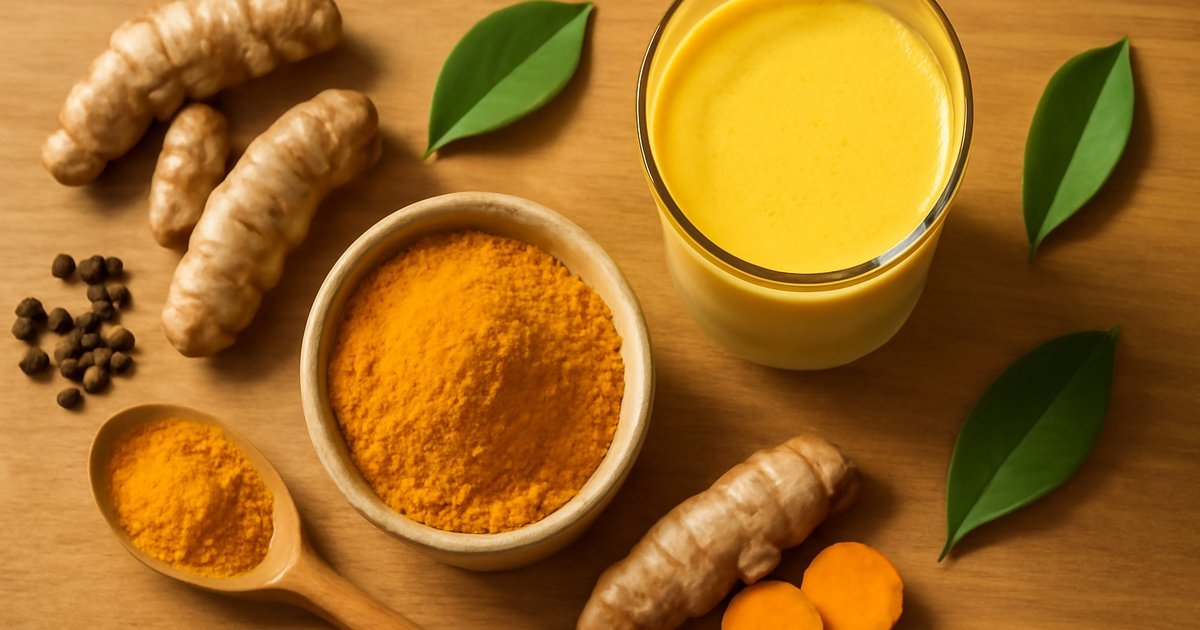
Decades of clinical research have positioned curcumin — the active compound in turmeric — as one of the most studied natural anti-inflammatory agents in integrative medicine today.
A Spice With a Surprisingly Long Medical History
Margaret, 54, had been dealing with chronic knee stiffness every morning for two years. Her rheumatologist confirmed mild osteoarthritis and discussed several management strategies — including lifestyle changes and anti-inflammatory support. During a follow-up appointment, Margaret asked about turmeric. "I kept seeing it everywhere," she said, "but I didn't know if there was real science behind it."
Her question is one millions of Americans are asking. According to the National Institutes of Health (NIH), chronic inflammation plays a central role in conditions affecting more than 60% of American adults — including heart disease, type 2 diabetes, arthritis, and certain cancers. As interest in natural wellness grows, turmeric and its primary bioactive compound, curcumin, have moved from kitchen spice to one of the most researched botanical supplements in the United States.
In this article, you'll learn what the clinical evidence actually says about turmeric and curcumin, how inflammation works in the body, who may benefit, what limitations exist, and how to use this supplement safely alongside conventional medical care.
What Are Turmeric and Curcumin?
Turmeric (Curcuma longa) is a flowering plant in the ginger family, native to South and Southeast Asia. The root is ground into the bright yellow-orange spice used in curries, mustards, and traditional medicine for centuries.
Curcumin is the most pharmacologically active of turmeric's natural compounds, called curcuminoids. It's what gives turmeric its deep color — and most of its studied health effects. Turmeric root contains roughly 2–8% curcumin by weight, which means food sources alone provide relatively small amounts. Most clinical research has focused on concentrated curcumin extracts in supplement form.
According to data from the NIH National Center for Complementary and Integrative Health (NCCIH), turmeric is among the top-selling botanical supplements in the United States, with Americans spending hundreds of millions of dollars annually on curcumin-based products. That level of consumer interest has driven significant academic and clinical research over the past two decades.
How Curcumin Affects Inflammation in the Body
To understand why curcumin matters, it helps to understand inflammation itself. Inflammation is your immune system's natural defense response — when it's short-term and localized, it's protective. But when inflammation becomes chronic and low-grade, persisting throughout the body over months or years, it begins to damage tissues and contributes to disease.
Curcumin works through multiple biological pathways simultaneously. Research published in journals indexed by the NIH National Library of Medicine identifies curcumin as a potent inhibitor of NF-κB (nuclear factor kappa B), a protein complex that controls the transcription of inflammatory genes. It also appears to suppress COX-2 enzymes — the same enzymes targeted by common nonsteroidal anti-inflammatory drugs (NSAIDs) like ibuprofen — without the gastrointestinal side effects that NSAIDs can cause in some people.
A 2021 meta-analysis published in the journal Phytotherapy Research, reviewing data from 15 randomized controlled trials, found that curcumin supplementation significantly reduced circulating levels of C-reactive protein (CRP) — a key blood marker of systemic inflammation. This finding has important implications for chronic disease prevention and management.
That said, curcumin's clinical application faces one significant challenge: bioavailability. On its own, curcumin is poorly absorbed by the digestive tract. Most of it passes through the gut without entering the bloodstream. This is why modern formulations often include piperine (black pepper extract), which research suggests can increase curcumin absorption by up to 2,000%, or use lipid-based and nanoparticle delivery systems.
Signs That Chronic Inflammation May Be Affecting Your Health
Because chronic, low-grade inflammation is often "silent," many people don't realize it's occurring. Here are some early and more advanced signs that systemic inflammation may be playing a role in your health:
Early or Mild Signs:
- Persistent fatigue that doesn't improve with rest
- Morning joint stiffness lasting more than 30 minutes
- Frequent low-grade headaches
- Digestive discomfort, bloating, or irregular bowel habits
- Skin changes such as redness, rashes, or unexplained flushing
- Elevated CRP or ESR (erythrocyte sedimentation rate) on routine bloodwork
More Advanced or Concerning Signs:
- Painful, swollen joints consistently (may indicate autoimmune involvement)
- Unintended weight changes alongside fatigue
- Recurring infections or slow healing wounds
- Chest discomfort or shortness of breath (requires immediate evaluation)
- Neurological symptoms such as brain fog, memory lapses, or mood changes
Clinical evidence from the Cleveland Clinic suggests that chronically elevated CRP levels above 3.0 mg/L are associated with significantly higher cardiovascular risk — making anti-inflammatory strategies, both medical and lifestyle-based, an important focus for preventive care.
What the Research Says: Key Areas of Evidence
Curcumin has been studied across a wide range of conditions. Here is what current clinical evidence actually shows — with appropriate context about the strength of that evidence.
Osteoarthritis and Joint Health
This is where curcumin's evidence base is most robust. A 2022 systematic review published in Nutrients analyzed 11 randomized controlled trials involving patients with knee osteoarthritis. The review found that curcumin supplementation was associated with meaningful reductions in pain scores and improved physical function compared to placebo — with an effect size comparable to low-dose ibuprofen in some studies. Importantly, participants on curcumin reported fewer gastrointestinal side effects.
If you're managing joint discomfort alongside conventional care, this is an area where many integrative medicine physicians now consider curcumin a reasonable adjunct — meaning a complementary addition, not a replacement for prescribed treatment. For more on protecting joint health as you age, you may also want to read our guide on Bone Density After 50: How to Protect Your Skeleton.
Cardiovascular Inflammation Markers
The American Heart Association recognizes chronic inflammation as a major independent risk factor for cardiovascular disease. Several clinical trials have found that curcumin supplementation reduces inflammatory markers such as CRP, interleukin-6 (IL-6), and tumor necrosis factor-alpha (TNF-α) — all of which are associated with arterial inflammation and plaque formation.
A 2019 randomized controlled trial published in The American Journal of Cardiology found that curcumin supplementation in adults with metabolic syndrome led to significant improvements in endothelial function (the health of blood vessel linings) over 12 weeks. Research suggests these effects are promising, though larger, longer-duration trials are still needed before definitive clinical recommendations can be made.
Gut Health and Digestive Inflammation
Emerging research indicates that curcumin may benefit gut health by modulating the intestinal microbiome and reducing mucosal inflammation — the inflammation of the intestinal lining. A 2020 pilot trial found that curcumin supplementation alongside standard care reduced symptom scores in adults with mild-to-moderate ulcerative colitis.
This connection between gut health and systemic inflammation is an active area of research. If you're interested in how digestive health affects overall wellness, our article on The Gut-Brain Connection: How Your Digestive Health Affects Your Mind provides additional clinical context.
Metabolic Health and Blood Sugar Regulation
Research published in the journal Diabetes Care and reviewed by the NIH suggests that curcumin may improve insulin sensitivity and reduce inflammatory markers associated with metabolic syndrome — a cluster of conditions including high blood sugar, excess abdominal fat, and high blood pressure that raises the risk of type 2 diabetes.
A landmark 9-month randomized trial involving pre-diabetic adults found that those taking curcumin extract were significantly less likely to progress to full type 2 diabetes compared to a placebo group. These findings are intriguing, though they require replication in larger populations before becoming standard clinical guidance. For related reading, see our article on Berberine: Blood Sugar, Weight & Metabolic Health Benefits.
Causes and Risk Factors for Chronic Inflammation
Understanding what drives chronic inflammation helps you see why lifestyle-based interventions — including dietary supplements like curcumin — can play a meaningful role in a comprehensive wellness strategy.
The primary drivers of chronic systemic inflammation include:
- Diet: High intake of ultra-processed foods, refined sugars, and trans fats promotes inflammatory signaling. The standard American diet (SAD) is frequently cited in CDC and NIH literature as a major contributor to population-level chronic inflammation.
- Physical inactivity: Sedentary behavior is independently associated with elevated CRP and IL-6 levels, according to research from the American Heart Association.
- Chronic stress: Prolonged psychological stress activates the HPA (hypothalamic-pituitary-adrenal) axis, elevating cortisol and promoting inflammatory cytokine production.
- Poor sleep: The CDC reports that more than 1 in 3 American adults don't get sufficient sleep — a pattern strongly linked to elevated inflammatory markers.
- Excess body fat: Adipose tissue (body fat), particularly visceral fat around the abdomen, actively secretes pro-inflammatory compounds called adipokines.
- Smoking and alcohol: Both are well-established promoters of oxidative stress and systemic inflammation.
- Age: The NIH describes "inflammaging" — the gradual increase in background inflammatory activity that occurs with aging — as a key driver of age-related chronic disease.
How to Use Turmeric and Curcumin Safely
If you and your healthcare provider decide that curcumin supplementation is appropriate for you, here is what the current evidence supports regarding safe and effective use:
Form and bioavailability matter: Look for products standardized to 95% curcuminoids and formulated with piperine (BioPerine), phospholipid complexes (Meriva), or advanced lipid-based delivery systems to improve absorption. Plain turmeric powder supplements have very limited bioavailability without these enhancements.
Dosage ranges studied in clinical trials: Most research has used doses ranging from 500 mg to 2,000 mg of curcumin extract daily, divided into two or three doses with meals. However, you should never self-prescribe a specific dosage — always work with your physician or a registered dietitian to determine what's appropriate for your individual health status.
Potential interactions to discuss with your doctor:
- Blood thinners (warfarin, aspirin, clopidogrel): Curcumin has mild antiplatelet effects and may enhance bleeding risk when combined with anticoagulants.
- Diabetes medications: May lower blood sugar — monitor levels closely if you take insulin or oral hypoglycemics.
- Chemotherapy drugs: Some early research suggests curcumin may interact with certain cancer treatments; always inform your oncologist.
- Iron absorption: High-dose curcumin may reduce dietary iron absorption in some individuals.
Food-based turmeric: Using turmeric in cooking — golden milk, curries, smoothies — is a low-risk, enjoyable way to include this spice in an anti-inflammatory diet. While the amounts are smaller than supplement doses, consistent dietary inclusion is generally considered beneficial as part of an overall healthy eating pattern.
When to Call Your Doctor or Seek Emergency Care
Curcumin is generally considered safe for most adults at recommended supplement doses, but certain situations require prompt medical attention:
Call your doctor if you experience:
- New or worsening digestive symptoms after starting curcumin (nausea, diarrhea, stomach cramping)
- Unusual bruising or prolonged bleeding — especially if you take blood thinners
- Yellowing of the skin or eyes (jaundice) — rare but reported cases of liver injury have been documented with very high-dose curcumin use
- Allergic reactions: hives, rash, or itching
- Any worsening of the condition you're trying to manage
Seek emergency care immediately if you notice:
- Chest pain, difficulty breathing, or sudden swelling of the face, lips, or throat (signs of anaphylaxis or cardiac emergency)
- Severe abdominal pain with vomiting
- Sudden neurological changes: confusion, slurred speech, severe headache
It's also important to tell every member of your healthcare team about all supplements you take — including turmeric and curcumin. The FDA does not regulate dietary supplements with the same rigor as prescription drugs, so transparency with your providers is essential.
Frequently Asked Questions
Q: Is turmeric the same as curcumin?
No — turmeric is the whole spice, while curcumin is its primary active compound. Turmeric contains only about 2–8% curcumin by weight. Most clinical studies use concentrated curcumin extracts, not plain turmeric powder, so the research does not directly apply to cooking with the spice.
Q: How long does it take for curcumin to reduce inflammation?
This varies from person to person. Clinical trials have observed measurable reductions in inflammatory markers within 4 to 12 weeks of consistent supplementation. Most practitioners suggest giving a high-quality curcumin supplement at least 8 weeks before evaluating its effect.
Q: Can I take curcumin if I'm on blood pressure or cholesterol medication?
Possibly, but you should consult your prescribing physician first. Curcumin may have additive effects with some cardiovascular medications, and your provider may want to monitor certain labs more closely if you add this supplement.
Q: Is curcumin safe for older adults?
For most older adults without underlying liver conditions or blood-clotting disorders, curcumin at standard supplement doses appears to be well-tolerated, according to research reviewed by the NIH. However, older adults often take multiple medications, so a medication interaction review with your pharmacist or physician is strongly recommended before starting.
Q: Can curcumin replace NSAIDs for arthritis pain?
Research suggests curcumin may provide comparable relief to low-dose NSAIDs for mild-to-moderate osteoarthritis symptoms in some individuals — but it should not be considered a replacement without your physician's guidance. For moderate-to-severe arthritis or conditions like rheumatoid arthritis, conventional medical treatment remains the standard of care.
Conclusion: A Promising Natural Tool — Within a Broader Health Strategy
Turmeric and curcumin represent one of the most evidence-backed natural wellness supplements available today, particularly for supporting the body's inflammatory response. The science is genuinely promising — especially for joint health, cardiovascular inflammation markers, and metabolic support. But it's important to hold that enthusiasm alongside realistic expectations: curcumin is a complement to comprehensive medical care, not a cure or replacement for it.
The most effective approach to chronic inflammation is still a multi-layered one — including a nutrient-dense diet, regular physical activity, quality sleep, stress management, and close partnership with your healthcare team. Curcumin, used thoughtfully and transparently with your providers, may be a meaningful addition to that strategy.
Always bring supplement discussions to your next medical appointment. A well-informed provider is your best resource for personalizing a natural wellness plan that's safe and effective for your unique health picture.
Medical Disclaimer: This article is for informational and educational purposes only. It does not constitute medical advice, diagnosis, or treatment. Always consult your physician or a qualified healthcare provider before making changes to your health routine or treatment plan.
Medically reviewed by our editorial health team. Content follows evidence-based standards aligned with CDC and NIH guidelines.