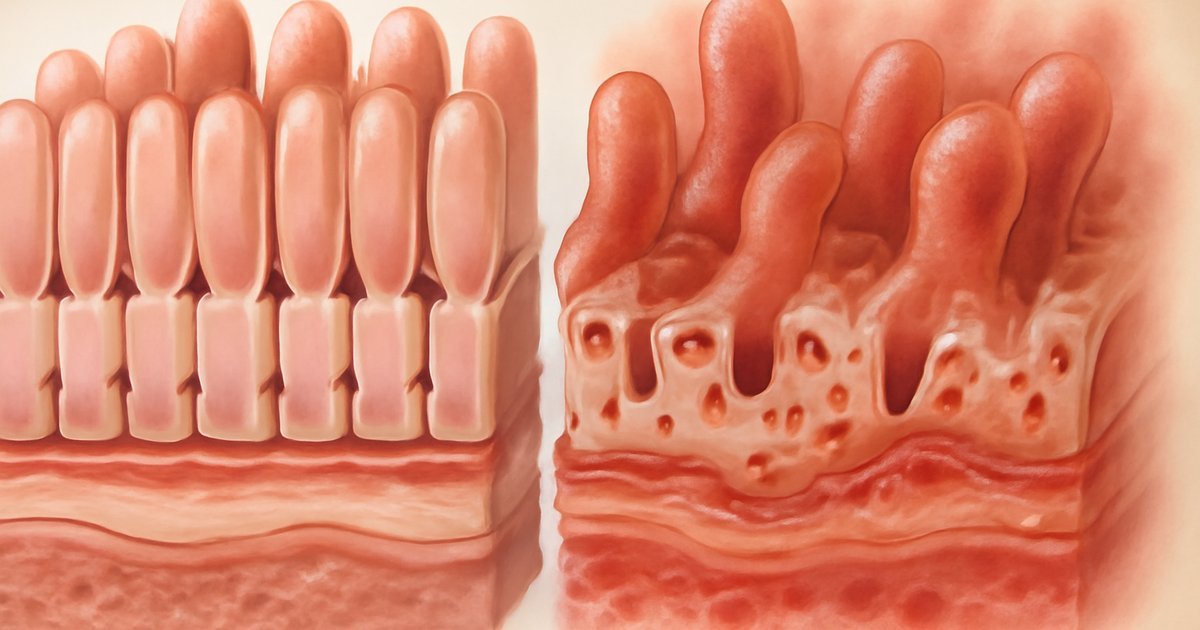
Millions of Americans report chronic bloating, fatigue, and food sensitivities — and emerging research points to intestinal permeability as a key underlying factor.
Introduction
Meet David, 44, a project manager from Ohio who spent years cycling through unexplained symptoms: persistent bloating after meals, a foggy feeling that made afternoon work nearly impossible, and skin rashes his dermatologist couldn't quite explain. After multiple appointments with specialists, he finally heard two words that changed his approach to health: leaky gut.
If you've been dealing with digestive discomfort, unexplained fatigue, or a growing list of food sensitivities, you may have come across the term "leaky gut syndrome" online. But what does it actually mean — and is there real science behind it?
According to the NIH, gastrointestinal conditions affect an estimated 60 to 70 million Americans every year, making digestive health one of the most pressing public health concerns in the country. Research into intestinal permeability — the scientific term behind leaky gut — has expanded significantly over the past decade, and gastroenterologists are paying closer attention than ever before.
In this guide, you'll learn what leaky gut syndrome is, what the current evidence says, how it's diagnosed, and what steps you can take — alongside your doctor — to support a healthier gut lining.
What Is Leaky Gut Syndrome?
Your intestinal lining is a remarkable structure. Stretching roughly 25 to 30 feet in length, your small and large intestines are lined with specialized cells held together by structures called tight junctions. Think of these junctions like the mortar between tiles — they control what passes from your gut into your bloodstream and what stays out.
When those tight junctions become damaged or dysfunctional, the intestinal barrier becomes more permeable than it should be. This is what researchers and clinicians refer to as increased intestinal permeability — commonly known as "leaky gut." When gaps form between intestinal cells, partially digested food particles, bacterial toxins, and other substances may cross into the bloodstream, potentially triggering immune responses throughout the body.
It's important to note: "leaky gut syndrome" is not yet a formally recognized diagnosis in the traditional medical sense. However, increased intestinal permeability is a well-documented physiological phenomenon studied extensively in peer-reviewed research. A 2019 review published through NIH-affiliated journals confirmed that compromised gut barrier function plays a measurable role in a range of conditions, from inflammatory bowel disease to metabolic disorders.
The distinction matters because it shapes how your healthcare provider approaches evaluation and care. This is not a fringe concept — but it also isn't a one-size-fits-all diagnosis.
Signs and Symptoms of Leaky Gut
One of the challenges with increased intestinal permeability is that its symptoms often overlap with many other digestive and systemic conditions. This is why professional evaluation is so important before drawing conclusions.
Clinical evidence suggests that symptoms can be broadly digestive or systemic, meaning they affect areas far beyond your stomach.
Early or Mild Signs:
- Chronic bloating, especially after eating
- Gas and abdominal discomfort
- Irregular bowel movements (constipation or diarrhea)
- Increased sensitivity to certain foods
- Mild fatigue that doesn't improve with rest
- Low-grade brain fog or difficulty concentrating
More Advanced or Systemic Signs:
- Persistent skin issues such as eczema, acne, or unexplained rashes
- Joint pain or stiffness without a clear orthopedic cause
- Frequent headaches
- Heightened immune reactivity or frequent infections
- Mood changes, including increased anxiety or irritability
- Nutritional deficiencies despite a reasonably balanced diet
A 2021 study in the journal Frontiers in Immunology highlighted that patients with elevated markers of intestinal permeability frequently reported fatigue and cognitive symptoms alongside gastrointestinal complaints — reinforcing the connection between gut barrier health and whole-body wellness. This varies from person to person, and experiencing one or two of these symptoms does not automatically indicate leaky gut.
Causes and Risk Factors
Intestinal permeability doesn't develop overnight. Research suggests it results from a combination of genetic predisposition, lifestyle habits, and environmental exposures — often interacting over time.
Diet-Related Factors:
- High intake of ultra-processed foods and refined sugars
- Low dietary fiber, which reduces production of beneficial short-chain fatty acids that support gut lining integrity
- Excessive alcohol consumption, which directly damages tight junctions
- Chronic use of non-steroidal anti-inflammatory drugs (NSAIDs) such as ibuprofen
Lifestyle and Stress Factors:
- Chronic psychological stress (which disrupts gut motility and microbiome balance)
- Sleep deprivation
- Sedentary behavior
Medical and Biological Factors:
- Dysbiosis (an imbalance in the gut microbiome)
- Pre-existing conditions like Crohn's disease, celiac disease, or IBS
- Antibiotic overuse disrupting beneficial bacterial communities
- Certain infections affecting the gastrointestinal tract
According to the CDC, roughly 42% of American adults are obese — and research suggests that metabolic conditions associated with obesity, including insulin resistance and chronic low-grade inflammation, are closely linked to compromised gut barrier function. Additionally, a 2020 NIH-funded study found that the standard American diet, high in processed foods and low in fermented and plant-based foods, is one of the strongest modifiable drivers of gut microbiome disruption and impaired intestinal permeability.
Diagnosis: What to Expect
If you suspect your symptoms may be related to gut barrier dysfunction, the first and most important step is scheduling an appointment with your primary care physician or a gastroenterologist. There is no single definitive test for "leaky gut syndrome" that your doctor will order by name — but several clinical tools can help assess gut barrier integrity and rule out other conditions.
Tests your doctor may consider include:
- Lactulose-mannitol test: A research-grade urine test that measures how two inert sugars pass through the intestinal lining, providing an indirect measure of permeability
- Zonulin blood test: Zonulin is a protein that regulates tight junction permeability; elevated levels may suggest increased gut permeability (though this test is still being refined for clinical use)
- Comprehensive stool analysis: Evaluates microbiome diversity, inflammatory markers, and digestive function
- Blood work: To check for nutritional deficiencies, inflammatory markers (such as CRP), and immune system activity
- Endoscopy or colonoscopy: Recommended when ruling out structural or inflammatory bowel conditions
Your doctor will also conduct a thorough review of your medical history, dietary habits, medication use, and symptom timeline. Most physicians approach this as a differential diagnosis — meaning they work to exclude other well-defined conditions before attributing symptoms to intestinal permeability.
Seek medical evaluation promptly if your symptoms include unexplained weight loss, blood in the stool, or severe and worsening abdominal pain. These are not signs of a leaky gut — they are red flags for more serious conditions requiring immediate assessment.
Treatment Options
Because increased intestinal permeability is more of a physiological finding than a standalone disease, treatment is generally aimed at addressing root causes and supporting the gut lining's natural healing processes. Most physicians recommend a combination of dietary, lifestyle, and medical strategies tailored to your individual situation.
Dietary Approaches:
- Increase dietary fiber: Soluble fiber from oats, legumes, and vegetables feeds beneficial gut bacteria that produce butyrate — a short-chain fatty acid shown in clinical studies to strengthen the intestinal epithelium
- Reduce ultra-processed foods: Emulsifiers, artificial sweeteners, and refined carbohydrates have been shown in animal and human studies to disrupt tight junctions
- Incorporate fermented foods: Yogurt, kefir, kimchi, and sauerkraut introduce beneficial bacteria that support microbiome diversity — a key pillar of gut lining health
- Consider an elimination diet under medical supervision: Temporarily removing common triggers (gluten, dairy, soy) may help identify food sensitivities contributing to inflammation
Targeted Supplements (discuss with your doctor before starting):
- Probiotics: Specific strains, particularly Lactobacillus rhamnosus and Bifidobacterium longum, have shown promise in supporting gut barrier integrity in clinical trials
- L-glutamine: An amino acid that serves as a primary fuel source for intestinal cells; research suggests supplementation may help support mucosal repair in certain populations
- Zinc: Deficiency in zinc is associated with impaired tight junction function; supplementation under medical guidance may be beneficial
- Omega-3 fatty acids: Evidence from multiple studies suggests anti-inflammatory properties that may benefit gut barrier health
Medical Treatments:
If an underlying condition such as celiac disease, Crohn's disease, or SIBO is identified as a driver of intestinal permeability, your gastroenterologist will prioritize treating that condition directly. Managing the root cause is always the most evidence-supported approach.
Living With and Preventing Further Gut Permeability
The good news is that the intestinal lining has a remarkable capacity for renewal. Intestinal epithelial cells turn over roughly every three to five days — meaning that with consistent, supportive habits, measurable improvements in gut barrier function are achievable over weeks to months, not years.
Daily habits that support gut lining health:
- Manage stress actively: Chronic stress elevates cortisol, which directly disrupts tight junction proteins. Research supports mindfulness-based stress reduction (MBSR), regular exercise, and adequate sleep as effective tools for cortisol regulation
- Prioritize sleep: A 2019 study published in the journal Sleep Medicine Reviews found that sleep deprivation measurably increases intestinal permeability markers within just two nights
- Stay physically active: Moderate aerobic exercise, defined as 150 minutes per week per CDC guidelines, has been associated with greater gut microbiome diversity and improved mucosal integrity
- Limit alcohol: Alcohol metabolites directly damage tight junction proteins; the American College of Gastroenterology recommends limiting intake to no more than one drink daily for women and two for men
- Use NSAIDs sparingly: Talk to your doctor about alternatives if you rely on ibuprofen or aspirin regularly for pain management
- Eat slowly and mindfully: Rushed eating and poor chewing increase the burden on your intestinal lining to process incompletely broken-down food particles
If you've already been dealing with inflammatory bowel conditions or metabolic challenges, incorporating these lifestyle shifts alongside conventional treatment — not instead of it — offers the strongest clinical rationale for improving gut barrier health over time.
When to Call Your Doctor: Emergency Signs
Most symptoms associated with increased intestinal permeability are uncomfortable but not immediately life-threatening. However, certain signs require prompt medical attention and should not be attributed to leaky gut without professional evaluation.
Seek emergency care immediately if you experience:
- Severe, sudden abdominal pain that is constant or worsening
- Blood in your stool or vomit
- High fever accompanied by abdominal pain
- Signs of dehydration: extreme thirst, dark urine, dizziness
- Unintentional weight loss of more than 10 pounds in a short period
Schedule an appointment with your doctor soon if you notice:
- Persistent bloating or digestive symptoms lasting more than two to three weeks
- New or worsening food sensitivities
- Fatigue and brain fog that isn't explained by other factors
- Skin changes coinciding with dietary shifts
When you see your doctor, bring a detailed log of your symptoms, including timing, severity, and any foods or stressors that seem to worsen or improve them. This information makes evaluation significantly more efficient.
Frequently Asked Questions
Is leaky gut syndrome a real medical diagnosis?
Increased intestinal permeability is a real, measurable physiological phenomenon supported by peer-reviewed research. However, "leaky gut syndrome" as a standalone clinical diagnosis is not yet formally recognized in standard medical practice. Most gastroenterologists will evaluate and treat the underlying conditions driving gut permeability rather than labeling it as a discrete syndrome.
Can leaky gut be completely healed?
Research suggests that the intestinal lining can regenerate and that gut barrier function can significantly improve with targeted dietary, lifestyle, and medical interventions. However, outcomes vary considerably from person to person, and no treatment guarantees complete resolution. Addressing any underlying conditions is essential for lasting improvement.
What foods are worst for gut permeability?
Clinical evidence indicates that ultra-processed foods, refined sugars, alcohol, and artificial emulsifiers are among the most damaging to tight junction integrity. A diet heavy in these items also reduces microbial diversity, which further undermines the mucosal barrier. Most physicians recommend a whole-food, high-fiber diet as the dietary foundation for gut health.
Can stress alone cause leaky gut?
Research suggests that chronic psychological stress can directly impair intestinal barrier function through the gut-brain axis — a bidirectional communication network between the central nervous system and the enteric nervous system of the gut. Stress-related hormones like corticotropin-releasing hormone (CRH) have been shown to increase intestinal permeability in both animal and human studies.
Are probiotics effective for leaky gut?
Some probiotic strains — particularly Lactobacillus and Bifidobacterium species — have demonstrated the ability to strengthen tight junctions and reduce inflammatory markers in clinical trials. However, probiotic effects are highly strain-specific, and not all products on the market have sufficient evidence behind them. Always discuss probiotic use with your healthcare provider before starting.
Conclusion
Understanding intestinal permeability — what most people call leaky gut — can feel like navigating a complex and sometimes confusing landscape of emerging science and sensational health claims. The truth lies somewhere in between: the evidence is real, the condition is measurable, and the steps to support a healthier gut lining are practical and well within reach.
You don't have to figure this out alone. If you've been living with chronic digestive symptoms, unexplained fatigue, or a growing list of food sensitivities, bring those concerns to your primary care physician or a board-certified gastroenterologist. With the right evaluation and a personalized plan, meaningful improvement is possible — and your gut health journey is absolutely worth starting.
Medical Disclaimer: This article is for informational and educational purposes only. It does not constitute medical advice, diagnosis, or treatment. Always consult your physician or a qualified healthcare provider before making changes to your health routine or treatment plan.
Medically reviewed by our editorial health team. Content follows evidence-based standards aligned with CDC and NIH guidelines.
Leave a Reply