Category: Gut Health

Understand the importance of gut health with expert insights on digestion, probiotics, the microbiome, and digestive wellness.

  • The Gut-Brain Connection: How Your Digestive Health Affects Your Mind

    The Gut-Brain Connection: How Your Digestive Health Affects Your Mind

    The Gut-Brain Connection: How Your Digestive Health Affects Your Mind

    Your second brain may be running more of your life than you think — and the science behind it is reshaping how we understand mood, anxiety, and chronic illness.

    Introduction

    Michael, 47, had been managing anxiety for years. He tried therapy, adjusted his sleep habits, and even changed careers to reduce stress. But no one had ever asked him about his gut — the chronic bloating, the irregular bowel movements, the way he always felt worse after eating. Then his gastroenterologist mentioned something that changed everything: the gut-brain connection.

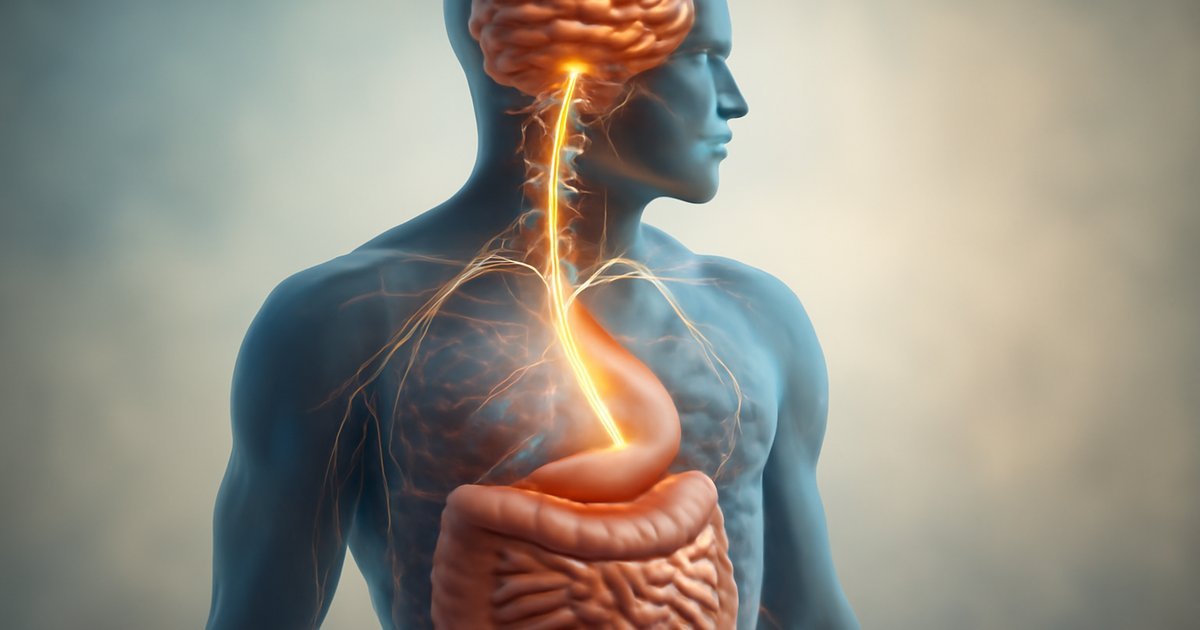
    According to the National Institutes of Health (NIH), the gastrointestinal tract contains more than 100 million nerve cells — more than the spinal cord — forming what scientists call the enteric nervous system (ENS). This "second brain" communicates constantly with your central nervous system, influencing everything from your mood to your immune response.

    In this article, you will learn what the gut-brain axis is, how disruptions in digestive health can affect mental and physical well-being, what research says about this connection, and what practical steps you can take — with your doctor's guidance — to support both systems simultaneously.


    What Is the Gut-Brain Connection?

    The gut-brain axis refers to the bidirectional communication network linking the enteric nervous system (the nerves embedded throughout your digestive tract) with the central nervous system (your brain and spinal cord). Think of it as a two-way highway where signals travel constantly in both directions.

    This communication occurs through several pathways:

    • The vagus nerve: The longest cranial nerve in the body, running from the brainstem to the abdomen, transmitting real-time gut status reports to the brain.
    • Neurotransmitters: Approximately 90–95% of the body's serotonin is produced in the gut, according to research published in journals supported by the NIH — not in the brain, as commonly assumed.
    • The immune system: Roughly 70% of immune cells reside in the gut lining, influencing systemic inflammation that affects brain function.
    • The microbiome: Trillions of bacteria, fungi, and other microorganisms living in your digestive tract produce chemicals that interact directly with brain pathways.

    This is not a fringe concept. The gut-brain axis is a well-established area of biomedical research, with thousands of peer-reviewed studies exploring its role in conditions ranging from depression to Parkinson's disease.

    Clinical evidence indicates that when gut health is disrupted — through poor diet, chronic stress, antibiotic overuse, or disease — those signals traveling to the brain can become dysregulated, contributing to mood disorders, cognitive fog, and heightened stress responses.


    Signs and Symptoms of a Disrupted Gut-Brain Axis

    One of the most challenging aspects of gut-brain dysfunction is that it shows up in two very different places at once. You may notice digestive symptoms alongside mental or emotional changes — or one may appear without the other.

    Digestive Signs:

    • Bloating, gas, or abdominal discomfort that worsens during stress
    • Alternating constipation and diarrhea (a hallmark of conditions like IBS)
    • Nausea without a clear cause
    • Feeling unusually full after small meals
    • Frequent heartburn or indigestion

    Neurological and Mood-Related Signs:

    • Persistent anxiety or low mood that seems disproportionate to life circumstances
    • Brain fog — difficulty concentrating, poor short-term memory
    • Fatigue that is not fully explained by poor sleep
    • Heightened sensitivity to stress or emotional triggers
    • Sleep disturbances linked to gastrointestinal discomfort

    Advanced or Chronic Signs:

    • Diagnosed conditions such as IBS, SIBO, or inflammatory bowel disease coexisting with depression or anxiety disorders
    • Chronic systemic inflammation markers on bloodwork
    • Autoimmune flares that worsen with psychological stress

    A landmark meta-analysis published through NIH-supported research found that individuals with functional gastrointestinal disorders — such as irritable bowel syndrome — are 40–60% more likely to also meet diagnostic criteria for anxiety or depressive disorders. This is not coincidence; it reflects the gut-brain axis in action.


    Causes and Risk Factors

    The gut-brain axis does not become disrupted overnight. Most dysfunction builds gradually through a combination of lifestyle, biological, and environmental factors.

    Dietary Patterns

    Diets high in ultra-processed foods, refined sugars, and low in fiber reduce microbial diversity in the gut. Research suggests that low microbial diversity is associated with increased intestinal permeability — sometimes called "leaky gut" — allowing bacterial byproducts to enter the bloodstream and trigger brain-affecting inflammation.

    Chronic Psychological Stress

    When your brain perceives stress, it triggers the release of cortisol and adrenaline, which slow digestion, alter gut motility, and change the composition of your microbiome. Over time, chronic stress can permanently shift the bacterial balance in your gut — and those bacteria will, in turn, send altered chemical signals back to your brain.

    Antibiotic Use

    While antibiotics are essential and life-saving medications, repeated or long-term use can significantly reduce beneficial gut bacteria. The CDC estimates that 30% of outpatient antibiotic prescriptions in the US may be unnecessary — a concern not just for antibiotic resistance, but for gut microbiome integrity.

    Sedentary Lifestyle

    Physical activity is one of the most consistent promoters of microbial diversity. A 2022 review supported by the American College of Sports Medicine found that regular moderate exercise significantly increased populations of beneficial gut bacteria, including those linked to serotonin production.

    Sleep Deprivation

    Poor sleep disrupts the circadian rhythms that govern gut motility and microbiome activity. Research from Harvard Health indicates that even two nights of poor sleep can measurably shift gut bacterial populations in ways that increase inflammation.

    Age and Hormonal Changes

    Adults over 50 naturally experience reduced microbial diversity. Hormonal shifts — particularly during menopause — also alter the gut environment, which may partly explain why mood and digestive complaints often coincide during this life stage.


    Diagnosis: What to Expect

    There is no single "gut-brain axis test." Instead, clinicians approach this through a combination of evaluations that look at both systems.

    Gastrointestinal Workup

    • Stool analysis: Comprehensive stool testing can reveal microbial imbalances, inflammatory markers, and signs of infection or malabsorption.
    • Breath testing: Used to detect bacterial overgrowth (SIBO) or carbohydrate intolerances like lactose or fructose malabsorption.
    • Endoscopy or colonoscopy: Recommended when structural causes — such as inflammatory bowel disease — need to be ruled out.
    • Blood tests: C-reactive protein (CRP) and calprotectin levels can indicate systemic or intestinal inflammation.

    Mental Health Screening

    Gastroenterologists and internists increasingly use validated screening tools — such as the PHQ-9 for depression and the GAD-7 for anxiety — alongside GI workups. This integrated approach is supported by guidelines from the American College of Gastroenterology.

    When to Seek Evaluation

    You should consider scheduling a comprehensive evaluation if you experience persistent GI symptoms lasting more than four weeks, if digestive complaints consistently worsen during periods of stress, or if mood changes seem closely tied to meals, bowel habits, or GI discomfort.

    If you've already been diagnosed with IBS, you may benefit from discussing the gut-brain axis specifically with your provider. You might also find it helpful to review our guide on GERD: Symptoms, Causes & Treatment Options if reflux is part of your symptom picture, or our overview of Diverticular Disease: Symptoms, Causes & Treatment if you have been told your gut lining is involved.


    Treatment Options

    Because the gut-brain connection involves two systems simultaneously, the most effective treatment approaches tend to be integrative — addressing both the digestive and neurological components under medical supervision.

    Conventional Medical Treatments

    Low-dose antidepressants (gut-targeted): Certain tricyclic antidepressants and SSRIs are prescribed in gastroenterology — not primarily for depression, but because they modulate gut nerve sensitivity. Clinical evidence from the American Journal of Gastroenterology supports their use for functional GI disorders when used at appropriate doses under physician supervision.

    Gut-directed psychotherapy: Cognitive behavioral therapy (CBT) and gut-directed hypnotherapy have demonstrated meaningful improvement in IBS symptoms in multiple clinical trials. A study published in The Lancet Gastroenterology & Hepatology found that gut-directed hypnotherapy reduced symptom severity in IBS patients even at 12-month follow-up.

    Targeted probiotic therapy: While the research is still evolving, specific probiotic strains — particularly Lactobacillus and Bifidobacterium species — have shown promise in clinical trials for reducing anxiety scores alongside gut symptoms. Your physician can guide you on evidence-based options appropriate for your situation.

    Dietary Interventions

    High-fiber, plant-diverse diet: Research consistently shows that diets rich in diverse plant foods increase microbial diversity. The American Gut Project — one of the largest citizen science microbiome studies — found that people who ate 30 or more different plant species per week had significantly more diverse gut microbiomes.

    Fermented foods: A 2021 study from Stanford University, published in Cell, found that a diet high in fermented foods (yogurt, kefir, kimchi, sauerkraut) increased microbiome diversity and reduced inflammatory proteins over a 10-week period.

    The Mediterranean diet: Endorsed by the American Heart Association for cardiovascular health, the Mediterranean dietary pattern also shows strong evidence for gut microbiome support and reduced depression risk — a two-for-one benefit increasingly recognized in clinical literature.

    Lifestyle Modifications

    Regular moderate exercise: Aim for 150 minutes of moderate-intensity movement per week, as recommended by the CDC. Exercise promotes beneficial bacteria, reduces cortisol, and improves vagal tone — the strength of the vagus nerve signal between gut and brain.

    Stress reduction practices: Mindfulness-based stress reduction (MBSR), diaphragmatic breathing, and yoga have all been studied for their effects on the gut-brain axis. Research suggests these practices can measurably reduce gut hypersensitivity over time.

    Sleep optimization: Prioritizing 7–9 hours of consistent sleep protects circadian rhythm-dependent gut functions and reduces inflammatory signaling between gut and brain.


    Living With Gut-Brain Imbalance: Day-to-Day Strategies

    Managing the gut-brain connection is less about dramatic interventions and more about consistent daily habits that reinforce both systems.

    Keep a symptom journal. Tracking what you eat, your stress levels, sleep quality, bowel habits, and mood can reveal patterns your physician cannot see in a 15-minute appointment. Apps designed for IBS tracking can make this easier.

    Eat mindfully and slowly. The cephalic phase digestive response — your gut's preparation for food based on sight and smell — requires mental presence. Eating while distracted impairs this phase and can worsen bloating and poor nutrient absorption.

    Limit alcohol and caffeine excess. Both can irritate the gut lining and dysregulate neurotransmitter production. This varies from person to person, but many people with gut-brain symptoms report significant improvement when they moderate intake.

    Build a care team. Ideally, your care for gut-brain issues involves both a gastroenterologist and a mental health professional — and ideally, a primary care physician who can coordinate between them. Integrated care models are increasingly available at major health systems across the US.

    If stress is a dominant factor in your gut symptoms, you may also benefit from reading about how Magnesium Glycinate supports the nervous system during anxiety — a topic that overlaps meaningfully with gut-brain health for many patients.


    When to Call Your Doctor or Seek Emergency Care

    While gut-brain symptoms are often manageable with proper care, some signs require prompt medical evaluation.

    Call Your Doctor Within Days If You Experience:

    • New or worsening abdominal pain that is not explained by stress or diet
    • Unintentional weight loss of 5 or more pounds without trying
    • Persistent changes in bowel habits lasting more than 3–4 weeks
    • Mood changes that are interfering with daily functioning or relationships
    • GI symptoms that wake you from sleep regularly

    Seek Emergency Care Immediately If You Have:

    • Severe abdominal pain, especially with fever or rigid abdomen
    • Blood in stool or vomit
    • Signs of bowel obstruction (no gas, no bowel movement, severe distension)
    • Thoughts of self-harm linked to mood disruption — call 988 (Suicide and Crisis Lifeline) or go to the nearest emergency room

    These symptoms are red flags that go beyond gut-brain axis dysfunction and require immediate clinical evaluation. Never delay emergency care based on a belief that your symptoms are "just stress."


    Frequently Asked Questions

    Q: Can fixing my gut actually improve my anxiety or depression?
    A: Research suggests that improving gut health can contribute to better mood regulation in some individuals, particularly those whose anxiety or depression coincides with GI symptoms. However, gut health is one piece of a complex puzzle. Clinical evidence does not support replacing psychiatric care with gut interventions — rather, they may work best together under medical supervision. This varies significantly from person to person.

    Q: What probiotic should I take for gut-brain health?
    A: There is no single "best" probiotic for gut-brain support. Strains such as Lactobacillus rhamnosus and Bifidobacterium longum have appeared in clinical trials related to mood and gut function, but probiotic recommendations should be personalized by your healthcare provider based on your specific symptoms, medications, and health history.

    Q: Is the gut-brain connection related to why I feel sick when I'm nervous?
    A: Yes. That familiar "nervous stomach" — nausea, urgency, or cramping before a stressful event — is a direct expression of the gut-brain axis. Stress hormones speed up or disrupt gut motility and sensitize gut nerve endings, producing real physical sensations that are not imagined.

    Q: How long does it take to improve gut-brain health?
    A: Most clinical dietary and lifestyle studies observe measurable changes in microbiome composition within 4–8 weeks of consistent changes. Symptom improvement timelines vary widely depending on the severity of dysbiosis (imbalanced gut bacteria), underlying conditions, and whether mental health treatment is also being addressed.

    Q: Does the gut-brain axis affect children differently than adults?
    A: This article focuses on adults aged 30–70, but yes — the gut-brain axis develops early in life and is influenced by birth method, breastfeeding, early antibiotic exposure, and childhood diet. Adults who experienced frequent gut issues in childhood may have long-standing microbiome patterns that require targeted attention. Discuss your full health history with your physician.


    Conclusion

    The gut-brain connection is not a wellness trend — it is a well-documented physiological reality that is reshaping how modern medicine approaches both digestive and mental health. If you have been bouncing between GI specialists and mental health providers without finding answers, understanding this two-way relationship may be the missing piece.

    You have more influence over this system than you may realize. Diet, movement, sleep, stress management, and the right medical partnerships can meaningfully shift how both your gut and your brain function over time.

    Start by having an honest conversation with your primary care physician about the full picture — not just your stomach, and not just your mood, but both. Because in this case, the two are never truly separate.


    Medical Disclaimer: This article is for informational and educational purposes only. It does not constitute medical advice, diagnosis, or treatment. Always consult your physician or a qualified healthcare provider before making changes to your health routine or treatment plan.

    Medically reviewed by our editorial health team. Content follows evidence-based standards aligned with CDC and NIH guidelines.
  • Diverticular Disease: Symptoms, Causes & Treatment

    Diverticular Disease: Symptoms, Causes & Treatment

    Millions of Americans live with diverticular disease — many without ever knowing it until a flare-up lands them in the ER.

    Introduction

    Robert, 62, had been experiencing mild left-sided abdominal pain for weeks. He chalked it up to gas or a pulled muscle. One evening, the pain became severe, accompanied by fever and chills — and he found himself in the emergency department being diagnosed with diverticulitis, an inflammation of small pouches that had quietly formed in his colon over years.

    According to the National Institutes of Health (NIH), diverticular disease affects approximately 35% of U.S. adults under age 50 and more than 58% of those over 60. It’s one of the most common gastrointestinal conditions in the Western world, yet many people don’t fully understand what it is — or how manageable it can be with the right care.

    In this guide, you’ll learn what diverticular disease really is, how to recognize its symptoms, what causes it, and — most importantly — how to work with your doctor to manage it effectively and protect your long-term gut health.

    What Is Diverticular Disease?

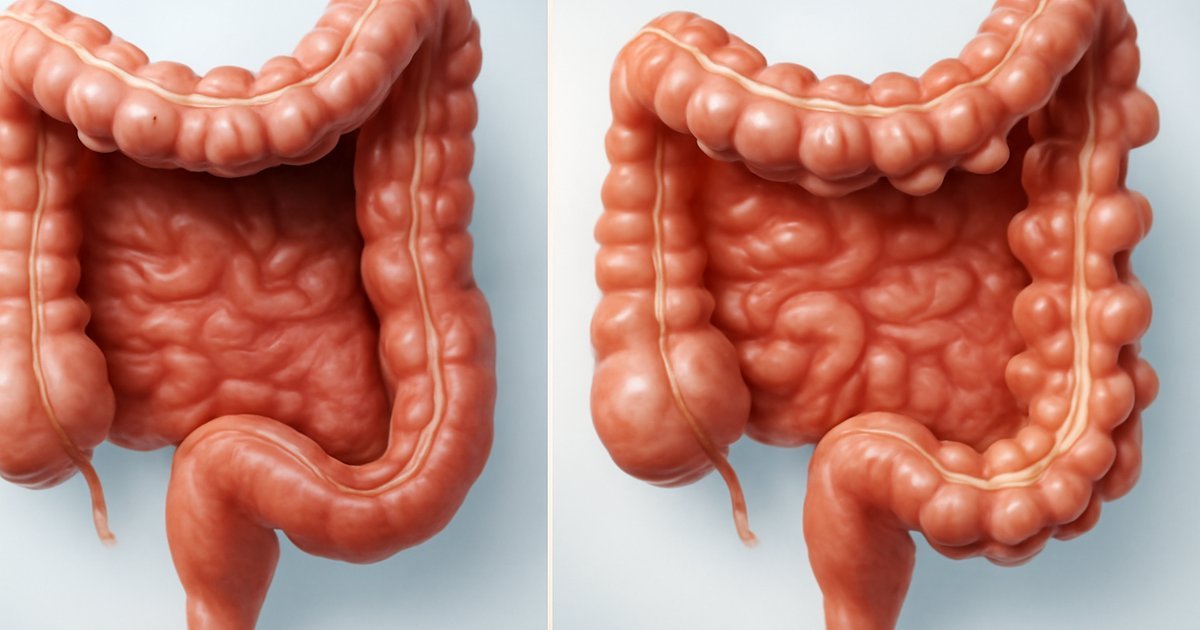
    Diverticular disease is an umbrella term that refers to two related conditions involving the colon (large intestine):

    • Diverticulosis — the presence of small, bulging pouches called diverticula that form in weak spots along the lining of the colon. This is extremely common and often causes no symptoms at all.
    • Diverticulitis — when one or more of those pouches becomes inflamed or infected. This is the condition that causes significant pain and may require medical treatment.

    Think of diverticula like tiny balloons poking through weak points in a garden hose. Most of the time, they just sit there harmlessly. But under certain conditions, they can become inflamed, leading to a range of symptoms from mild discomfort to a medical emergency.

    The CDC estimates that diverticular disease accounts for more than 200,000 hospitalizations in the United States each year, making it a significant public health concern — particularly for adults over 50.

    Signs and Symptoms

    One of the trickiest aspects of diverticular disease is that its presentation varies widely. Research published in the journal Gastroenterology found that up to 80% of people with diverticulosis experience no symptoms at all. However, when symptoms do occur, they can range from subtle to severe.

    Early or Mild Signs (Diverticulosis or Mild Diverticulitis)

    • Cramping or mild pain, typically on the lower left side of the abdomen
    • Bloating and gas
    • Changes in bowel habits (constipation or diarrhea)
    • Feeling of fullness or pressure in the lower abdomen
    • Occasional rectal bleeding (small amounts of bright red blood)

    Signs of Moderate to Severe Diverticulitis

    • Persistent or intense pain in the lower left abdomen (sometimes the right side)
    • Fever and chills
    • Nausea and vomiting
    • Tenderness when pressing on the abdomen
    • Loss of appetite
    • Significant change in bowel function

    It’s worth noting that this varies from person to person. Some individuals experience frequent flare-ups; others may have a single episode and never experience another one.

    Causes and Risk Factors

    For decades, a low-fiber diet was considered the primary driver of diverticular disease — and research still strongly supports this connection. A landmark study from Harvard Health found that men who consumed the highest amounts of dietary fiber had a 42% lower risk of developing symptomatic diverticular disease compared to those with the lowest intake.

    But the story is more nuanced than fiber alone. Here’s what clinical evidence tells us about the major risk factors:

    Lifestyle Factors

    • Low dietary fiber intake — Western diets rich in processed foods and low in plant-based fiber are strongly associated with diverticular formation
    • Sedentary lifestyle — Physical inactivity is independently linked to higher risk, according to multiple cohort studies
    • Obesity — Particularly central (abdominal) obesity increases risk and severity
    • Smoking — Associated with increased inflammation and more severe diverticulitis
    • Heavy alcohol consumption — Linked to higher complication rates
    • Use of NSAIDs or steroids — Some research suggests these medications may increase diverticulitis risk

    Biological and Genetic Factors

    • Age — The risk rises sharply after age 40 and continues climbing with each decade
    • Genetics — Family history appears to play a role; studies suggest a hereditary component of 40-50%
    • Changes in colon motility and gut microbiome — Research suggests that altered gut bacteria composition may contribute to inflammation in susceptible individuals

    Interestingly, the NIH notes that diverticular disease is rare in Africa and Asia — populations that traditionally consume higher-fiber diets — reinforcing the dietary connection.

    Diagnosis: What to Expect

    If your doctor suspects diverticular disease, they’ll start with a thorough history and physical examination, paying close attention to where your pain is located and how it behaves. Most cases of acute diverticulitis are diagnosed through a combination of clinical evaluation and imaging.

    Common Diagnostic Tools

    • CT scan of the abdomen and pelvis — This is the gold standard for diagnosing acute diverticulitis. It allows doctors to visualize the inflamed pouches and assess whether complications are present.
    • Blood tests — A complete blood count (CBC) may show elevated white blood cells, indicating infection or inflammation.
    • Colonoscopy — Typically not performed during an active flare due to perforation risk, but often recommended 6-8 weeks after recovery to rule out other conditions such as colon cancer.
    • Stool tests — To rule out infections that mimic diverticulitis symptoms.

    The Mayo Clinic recommends seeking medical evaluation if you experience unexplained abdominal pain lasting more than a day or two, especially if accompanied by fever or significant changes in bowel habits. Early diagnosis leads to better outcomes and reduces the risk of complications.

    Treatment Options

    The treatment approach for diverticular disease depends heavily on severity. Most cases of uncomplicated diverticulitis can be managed without hospitalization, while complicated cases require more aggressive intervention.

    Medical Treatment

    Antibiotics have traditionally been the cornerstone of diverticulitis treatment. However, recent clinical evidence — including a landmark randomized trial published in JAMA Surgery — suggests that for mild, uncomplicated diverticulitis, antibiotics may not always be necessary and close monitoring may be sufficient in select patients. Your physician will determine what’s right for your individual case.

    Hospitalization is typically required when:

    • Oral antibiotics aren’t controlling the infection
    • You cannot keep fluids down
    • Complications such as abscess, perforation, or fistula are present

    Surgery (colon resection) may be recommended for recurrent episodes, persistent complications, or cases that don’t respond to medical management. According to Cleveland Clinic, advances in laparoscopic surgery have made recovery faster and outcomes significantly improved.

    Dietary Management

    During an acute flare, your doctor will likely recommend a clear liquid or low-fiber diet to give your colon time to rest and heal. Once symptoms resolve, transitioning back to a high-fiber diet is one of the most evidence-backed strategies for reducing future episodes.

    Clinical evidence indicates that consuming 25-38 grams of fiber per day — through vegetables, legumes, whole grains, and fruits — may significantly reduce recurrence risk. If you’re looking to support your gut health further, you may find our guide on Probiotics for Gut Health: What the Evidence Really Says helpful as a complementary resource.

    Pain Management

    • Acetaminophen is generally recommended for pain relief during flare-ups (NSAIDs should be avoided as they may worsen inflammation)
    • Heat therapy on the abdomen may provide comfort
    • Adequate rest during recovery

    Living With Diverticular Disease and Long-Term Prevention

    Here’s the genuinely encouraging news: with the right lifestyle habits, many people with diverticulosis never experience a single episode of diverticulitis. And those who have had flare-ups can often significantly reduce recurrence with targeted changes.

    Practical Daily Strategies

    • Increase fiber gradually — Jumping from a low-fiber to a high-fiber diet too quickly can cause bloating and discomfort. Add fiber-rich foods slowly over several weeks.
    • Stay well hydrated — Fiber works best when paired with adequate water intake. Aim for at least 8 cups of water per day.
    • Move your body regularly — Research suggests that 30 minutes of moderate exercise most days of the week supports healthy colon motility.
    • Maintain a healthy weight — Reducing abdominal obesity can meaningfully lower your risk of complications.
    • Avoid smoking — Smoking is independently associated with more frequent and more severe diverticular episodes.
    • Manage stress — Chronic stress may affect gut motility and inflammation. Mind-body practices such as yoga and meditation show promise in gut health research.

    The Nuts and Seeds Myth

    For years, patients with diverticulosis were told to avoid nuts, seeds, and popcorn — the theory being these small particles could lodge in the diverticula and trigger inflammation. However, a major study from Harvard involving over 47,000 men found no evidence to support this restriction. Most gastroenterologists now agree these foods do not need to be avoided unless they cause individual discomfort.

    Since gut health involves multiple systems, you may also want to explore our article on GERD: Symptoms, Causes & Treatment Options if you experience overlapping digestive symptoms.

    When to Call Your Doctor or Seek Emergency Care

    Knowing when to act quickly can make a significant difference in outcomes. Most physicians agree that certain symptoms require immediate emergency evaluation.

    🚨 Go to the Emergency Room Immediately If You Experience:

    • Sudden, severe abdominal pain that doesn’t ease
    • Rigid or board-like abdomen (a sign of possible perforation)
    • High fever (above 101°F / 38.3°C) with abdominal pain
    • Significant rectal bleeding
    • Signs of shock: rapid heart rate, dizziness, pale or clammy skin
    • Inability to keep any fluids down for more than 12 hours

    📞 Call Your Doctor Within 24 Hours If You Notice:

    • Mild to moderate left-sided abdominal pain lasting more than a day
    • Low-grade fever with digestive symptoms
    • Rectal bleeding that is new or unexpected
    • A second or third episode of diverticulitis

    At Your Next Scheduled Visit, Tell Your Doctor:

    • Any changes in bowel habits lasting more than two weeks
    • If you haven’t had a colonoscopy and are over 45
    • Your current fiber intake and dietary patterns
    • Any medications you’re taking, including NSAIDs and steroids

    Frequently Asked Questions

    Can diverticular disease be cured permanently?

    Diverticulosis — the presence of the pouches — cannot be reversed once they form. However, clinical evidence strongly suggests that lifestyle changes, particularly increasing dietary fiber and staying active, can significantly reduce the risk of diverticulitis flare-ups and complications. Many people with diverticulosis never experience symptoms at all.

    Is it safe to exercise during a diverticulitis flare-up?

    During an active, symptomatic episode of diverticulitis, rest is generally recommended. Strenuous exercise should be avoided until symptoms resolve and your doctor clears you to resume activity. Once recovered, regular moderate exercise is actually beneficial for long-term colon health.

    What foods should I avoid if I have diverticular disease?

    Current evidence does not support avoiding nuts, seeds, or popcorn as was previously recommended. However, during an active flare, a low-fiber or liquid diet gives the colon time to recover. Between episodes, most gastroenterologists recommend a high-fiber diet rich in vegetables, fruits, and whole grains. Individual tolerances vary, so it’s best to work with your physician or a registered dietitian.

    How is diverticulitis different from IBS?

    While both conditions can cause abdominal pain and changes in bowel habits, they are distinct diagnoses. IBS (irritable bowel syndrome) is a functional disorder involving gut-brain interaction and does not cause structural changes like diverticula. Diverticulitis involves actual inflammation or infection of physical pouches in the colon wall. A physician can differentiate between the two through imaging and clinical evaluation. If you want to learn more about IBS, we covered it in detail in a related guide on our site.

    Does diverticular disease increase my risk of colon cancer?

    Research suggests that diverticular disease itself is not a direct risk factor for colon cancer. However, because the symptoms can overlap, your doctor may recommend a colonoscopy after a diverticulitis episode to rule out other conditions, including colorectal cancer. Keeping up with recommended cancer screenings — starting at age 45 according to the American Cancer Society — remains important for everyone.

    Conclusion

    Diverticular disease is incredibly common, especially as we age — but it doesn’t have to define your quality of life. With the right medical guidance, a fiber-rich diet, regular movement, and attention to early warning signs, most people manage this condition successfully and comfortably.

    The most important step you can take is to stay engaged with your healthcare provider. Don’t dismiss persistent abdominal symptoms or delay care during a suspected flare-up. Understanding your body and building a proactive relationship with your doctor puts you in the strongest possible position — not just for managing diverticular disease, but for supporting your overall gut health for years to come.

    If you’re also working on your broader digestive wellness, consider exploring our evidence-based article on Probiotics for Gut Health for complementary strategies your doctor can help you evaluate.


    Medical Disclaimer: This article is for informational and educational purposes only. It does not constitute medical advice, diagnosis, or treatment. Always consult your physician or a qualified healthcare provider before making changes to your health routine or treatment plan.

    Medically reviewed by our editorial health team. Content follows evidence-based standards aligned with CDC and NIH guidelines.
  • GERD: Symptoms, Causes & Treatment Options

    GERD: Symptoms, Causes & Treatment Options

    GERD: Symptoms, Causes & Treatment Options

    Chronic acid reflux affects millions of Americans — and knowing when it becomes GERD could protect your esophagus and your quality of life.

    Introduction

    Mark, 52, thought the burning in his chest after dinner was just "normal heartburn." He kept antacids on his nightstand, propped up his pillow, and avoided spaghetti. But after months of disrupted sleep and a growing feeling that food was stuck in his throat, his doctor delivered a diagnosis he hadn’t expected: gastroesophageal reflux disease, or GERD.

    He wasn’t alone. According to the American College of Gastroenterology, GERD affects approximately 20% of adults in the United States — making it one of the most common digestive disorders in the country. Yet millions of people manage it with over-the-counter antacids for years without ever getting a formal evaluation.

    In this guide, you’ll learn what distinguishes GERD from occasional heartburn, what causes it, how it’s diagnosed, and what treatment options — from lifestyle changes to prescription medications — can help you manage it effectively. If you’ve been living with persistent reflux symptoms, this article will help you have a more informed conversation with your doctor.


    What Is GERD?

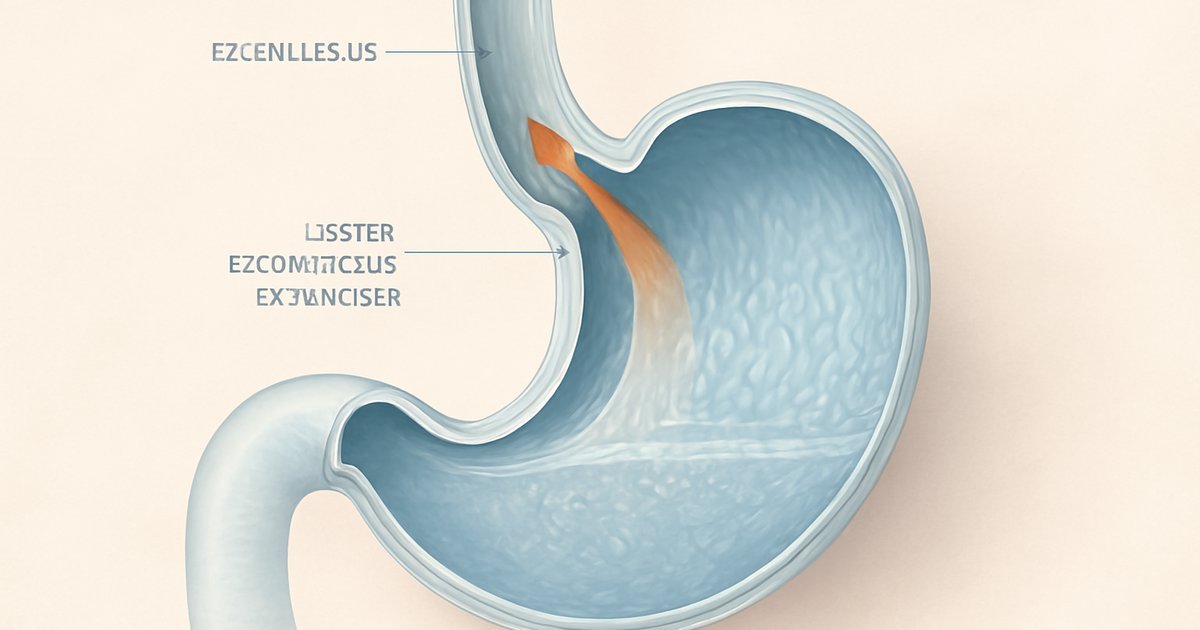
    Gastroesophageal reflux disease (GERD) is a chronic digestive condition in which stomach acid — and sometimes stomach contents — flows backward into the esophagus (the tube connecting your throat to your stomach). This backward flow is called acid reflux.

    Everyone experiences acid reflux occasionally. GERD is diagnosed when this reflux happens persistently — typically two or more times per week — and begins to cause uncomfortable symptoms or damage to the lining of the esophagus.

    The condition occurs when the lower esophageal sphincter (LES), a ring of muscle that acts as a valve between the esophagus and stomach, weakens or relaxes inappropriately. When that valve doesn’t close properly, acid escapes upward.

    According to the NIH’s National Institute of Diabetes and Digestive and Kidney Diseases (NIDDK), GERD is one of the most prevalent gastrointestinal conditions in the US, responsible for billions of dollars in healthcare costs annually. Left untreated, it can lead to complications including esophagitis (inflammation of the esophagus), Barrett’s esophagus (a precancerous change in esophageal tissue), and in rare cases, esophageal cancer.


    Signs and Symptoms of GERD

    GERD symptoms can range from mildly annoying to significantly disruptive. They often worsen after meals, when lying down, or during sleep. This variability can make GERD easy to dismiss — until it starts interfering with daily life.

    Common Early Symptoms

    • Heartburn — a burning sensation in the chest, often after eating or at night
    • Regurgitation — a sour or bitter-tasting fluid rising into the throat or mouth
    • Bloating and belching — especially after meals
    • Nausea — particularly after large or fatty meals
    • Difficulty swallowing (dysphagia) — a sensation of food getting "stuck"

    Less Obvious (Atypical) Symptoms

    • Chronic dry cough, especially at night
    • Hoarseness or a sore throat in the morning
    • Frequent throat clearing
    • Dental erosion (acid wearing down tooth enamel)
    • Worsening asthma or new-onset wheezing
    • A persistent sensation of a lump in the throat (globus sensation)

    A 2020 review published in the journal Gastroenterology found that atypical presentations of GERD — particularly chronic cough and laryngeal symptoms — are frequently misdiagnosed as asthma or post-nasal drip for months before the underlying reflux is identified. This is why a comprehensive evaluation matters.

    Red Flag Symptoms — Seek Medical Attention Promptly

    • Difficulty or painful swallowing that is new or worsening
    • Unintentional weight loss
    • Vomiting blood or seeing dark, tarry stools (signs of bleeding)
    • Chest pain that radiates to the arm or jaw — call 911 immediately, as this may indicate a heart attack

    Causes and Risk Factors

    GERD develops when the lower esophageal sphincter is chronically compromised. Several factors — some within your control and some not — can contribute to this.

    Structural Causes

    • Hiatal hernia — when the upper portion of the stomach pushes through the diaphragm into the chest cavity, it can weaken the LES. Research from the Cleveland Clinic indicates that hiatal hernias are present in the majority of patients with moderate to severe GERD.
    • Weakened lower esophageal sphincter — can be congenital or develop gradually with age

    Lifestyle Risk Factors

    • Obesity — excess abdominal weight increases pressure on the stomach. According to the CDC, more than 42% of US adults are obese, which partially explains the high prevalence of GERD in this country.
    • Diet — fatty foods, chocolate, caffeine, alcohol, citrus, tomatoes, and spicy foods are common triggers
    • Eating habits — large meals, eating too quickly, or lying down within 2-3 hours of eating
    • Smoking — nicotine relaxes the LES and reduces saliva production, which normally neutralizes acid

    Medical and Pharmaceutical Triggers

    • Pregnancy — hormonal changes relax the LES and growing uterine pressure pushes stomach contents upward
    • Certain medications — including calcium channel blockers, antihistamines, sedatives, and some antidepressants can relax the LES or delay stomach emptying
    • Diabetes — gastroparesis (delayed stomach emptying) common in diabetic patients can worsen reflux

    It’s worth noting that individual variation plays a significant role. Two people with identical diets and body weights may have very different reflux patterns. This varies from person to person — genetics, esophageal sensitivity, and gut motility all factor in.


    Diagnosis: What to Expect

    If your symptoms occur more than twice per week, persist despite over-the-counter medications, or include any of the red flags listed above, it’s time to see a physician. Many people live with GERD for years before seeking evaluation — but early diagnosis can prevent long-term esophageal damage.

    Clinical Evaluation

    Your doctor will begin with a thorough medical history and symptom review. In many straightforward cases, a clinical diagnosis based on symptoms alone is sufficient to begin a trial of treatment.

    Diagnostic Tests

    • Upper endoscopy (EGD) — a camera is passed through the mouth to visualize the esophagus, stomach, and upper small intestine. This allows the doctor to assess for esophagitis, Barrett’s esophagus, or ulcers.
    • Ambulatory acid (pH) monitoring — a small device measures acid exposure in the esophagus over 24-48 hours. This is particularly useful for atypical GERD presentations.
    • Esophageal manometry — measures the pressure and function of the esophageal muscles, often used before surgical evaluation.
    • Barium swallow X-ray — helps detect structural issues like hiatal hernia or narrowing of the esophagus.

    The American Gastroenterological Association recommends endoscopic evaluation for patients with chronic GERD symptoms, particularly those over age 50 or those with risk factors for Barrett’s esophagus, including male sex, obesity, and long-standing reflux history.


    Treatment Options for GERD

    The good news is that GERD is highly manageable. Treatment typically follows a stepwise approach, beginning with lifestyle changes and escalating to medications or procedures as needed. Most physicians recommend a combination approach for the best long-term outcomes.

    Lifestyle and Dietary Modifications

    These are the foundation of GERD management and should be implemented regardless of what other treatments are used.

    • Elevate the head of your bed by 6-8 inches (using bed risers, not extra pillows, which can worsen neck alignment)
    • Avoid eating within 2-3 hours of bedtime
    • Eat smaller, more frequent meals to reduce stomach pressure
    • Identify and eliminate personal trigger foods — common culprits include coffee, alcohol, chocolate, citrus, tomatoes, garlic, and high-fat meals
    • Lose weight if overweight — clinical evidence indicates that even a 10-15% reduction in body weight can significantly reduce GERD symptoms
    • Quit smoking
    • Wear looser clothing around the abdomen

    Over-the-Counter Medications

    • Antacids (e.g., calcium carbonate, magnesium hydroxide) — provide rapid but short-lived relief by neutralizing stomach acid
    • H2 receptor blockers (e.g., famotidine) — reduce acid production and are more effective than antacids for ongoing symptom control
    • Proton pump inhibitors (PPIs) (e.g., omeprazole, esomeprazole) — the most potent acid-reducing medications available OTC; most physicians recommend taking them 30-60 minutes before a meal for optimal effect

    Prescription Medications

    For moderate to severe GERD, stronger PPI formulations or combination therapies may be prescribed. Research suggests that PPIs are the most effective medical treatment for healing esophagitis and controlling symptoms, according to multiple meta-analyses reviewed by the NIH.

    Long-term PPI use carries some considerations — including potential effects on magnesium levels, bone density, and gut microbiome diversity. Your doctor will weigh these risks against the benefits based on your individual case. If you’re curious about the gut microbiome connection, our article on Probiotics for Gut Health: What the Evidence Really Says explores how acid-reducing medications may interact with your gut bacteria.

    Surgical and Procedural Options

    For patients who don’t respond adequately to medications, or who prefer to avoid long-term drug use, surgical options exist.

    • Nissen fundoplication — the most common GERD surgery, in which the top of the stomach is wrapped around the lower esophagus to reinforce the LES. Available as a laparoscopic (minimally invasive) procedure.
    • LINX device — a small ring of magnetic beads placed around the LES to strengthen it while still allowing food to pass.
    • Transoral incisionless fundoplication (TIF) — a newer, incision-free endoscopic procedure to reconstruct the anti-reflux valve.

    The Mayo Clinic reports that surgical treatments for GERD have a high rate of long-term symptom relief, though they carry their own risks and are typically reserved for carefully selected patients.


    Living With GERD: Daily Management and Prevention

    Managing GERD is an ongoing process, not a one-time fix. The goal is to minimize acid exposure to the esophagus and prevent the condition from progressing.

    Practical Day-to-Day Strategies

    • Keep a food and symptom diary for 2-3 weeks to identify your personal triggers — not everyone reacts the same way to the same foods
    • Chew food slowly and thoroughly; this reduces the volume of air swallowed and aids digestion
    • Stay upright after meals — even a short walk can help gravity do its job
    • Manage stress actively — stress doesn’t directly cause GERD, but it heightens esophageal sensitivity and can worsen symptom perception. Consider exploring evidence-based stress management strategies alongside your GERD treatment plan.
    • Avoid high-impact exercise immediately after meals, which increases intra-abdominal pressure

    Monitoring for Complications

    If you’ve had GERD for more than 5 years, your doctor may recommend periodic endoscopy to screen for Barrett’s esophagus. According to the American Cancer Society, individuals with Barrett’s esophagus have a significantly elevated risk of developing esophageal adenocarcinoma — though the absolute risk remains low. Regular monitoring makes a real difference in catching changes early.

    For patients managing gut health issues alongside GERD, understanding the role of bacterial imbalances can be helpful. Our article on SIBO: Symptoms, Causes, and Treatment Options covers a related condition that sometimes overlaps with reflux symptoms.


    When to Call Your Doctor — Emergency Signs

    Most GERD symptoms are uncomfortable but not immediately dangerous. However, certain signs require prompt — or emergency — medical attention.

    Call Your Doctor Soon If You Notice:

    • Symptoms that don’t improve after 2 weeks of OTC treatment
    • Heartburn occurring more than twice per week consistently
    • Increasing difficulty swallowing
    • Unexplained weight loss of more than 5 pounds in a short period
    • Persistent hoarseness, cough, or throat symptoms not explained by other conditions
    • Symptoms returning after a period of effective treatment

    Go to the Emergency Room or Call 911 If You Experience:

    • Chest pain that radiates to the arm, jaw, or back — this could be a heart attack, not GERD
    • Vomiting blood (bright red or resembling coffee grounds)
    • Black, tarry, or bloody stools — signs of gastrointestinal bleeding
    • Severe, sudden abdominal pain
    • Choking or inability to swallow liquids

    Important: Chest pain should never be assumed to be "just reflux" without a proper cardiac evaluation. When in doubt, seek emergency care.

    At your next routine visit, consider sharing your complete symptom history with your physician — including atypical symptoms like chronic cough or voice changes. Good gut health also connects to broader wellness. You may find our article on Sleep After 50: Why It Changes and How to Sleep Better helpful, as nighttime reflux is one of the most common reasons adults over 50 experience disrupted sleep.


    Frequently Asked Questions About GERD

    Is GERD the same as heartburn?

    Not exactly. Heartburn is a symptom — the burning sensation in the chest caused by acid reflux. GERD is the chronic medical condition that produces repeated heartburn episodes. You can have occasional heartburn without having GERD, but persistent heartburn is the hallmark symptom of the disease.

    Can GERD go away on its own?

    In some cases — particularly during pregnancy — GERD symptoms resolve once the underlying cause is removed. For most adults, however, GERD is a chronic condition that requires ongoing management. Research suggests that without treatment, symptoms tend to persist or worsen over time, and esophageal damage can accumulate silently.

    Are PPIs safe to take long-term?

    Proton pump inhibitors are among the most widely prescribed medications in the US and are generally considered safe for most patients. However, long-term use has been associated with potential effects on magnesium absorption, bone density, vitamin B12 levels, and gut microbiome composition. Most physicians recommend using the lowest effective dose for the shortest necessary duration. Your doctor can help assess your individual risk-benefit profile.

    What foods should I avoid if I have GERD?

    Common dietary triggers include fatty or fried foods, coffee, alcohol, chocolate, peppermint, citrus fruits and juices, tomato-based products, garlic, and onions. That said, triggers are highly individual — clinical evidence indicates that a personal food diary is more useful than following a generic list. What affects one person significantly may not affect another at all.

    Can stress make GERD worse?

    Yes — though not in the way many people think. Stress doesn’t directly cause the stomach to produce more acid. However, it heightens the esophagus’s sensitivity to acid, making the same level of reflux feel much more painful. Stress may also change eating behaviors (eating faster, larger meals, more trigger foods) that worsen symptoms. Managing stress is a legitimate and evidence-supported part of comprehensive GERD care.


    Conclusion

    GERD is far more than an inconvenient case of heartburn. It’s a chronic condition that, when left unmanaged, can quietly damage the lining of your esophagus over months and years. The encouraging reality is that most people with GERD can achieve significant symptom relief — and protect their long-term digestive health — through a combination of targeted lifestyle changes, appropriate medications, and regular monitoring.

    Whether you’ve just been diagnosed or have been managing reflux for years, the most important step is an open, ongoing conversation with your healthcare provider. Bring your symptom history, your medication list, and your questions. GERD responds well to individualized care — and the right management plan can make a meaningful difference in how you feel every day.

    This article is for informational and educational purposes only. It does not constitute medical advice, diagnosis, or treatment. Always consult your physician or a qualified healthcare provider before making changes to your health routine or treatment plan.

    Medically reviewed by our editorial health team. Content follows evidence-based standards aligned with CDC and NIH guidelines.
  • Probiotics for Gut Health: What the Evidence Really Says

    Probiotics for Gut Health: What the Evidence Really Says

    Your gut does far more than digest food — and the right bacterial balance may be one of the most powerful levers you can pull for overall health.

    Introduction

    Marcus, 47, had been dealing with bloating, unpredictable bowel movements, and low energy for nearly two years. His doctor confirmed he had mild gut dysbiosis — an imbalance in his intestinal bacteria — and suggested he consider a targeted probiotic alongside dietary changes. Within three months, Marcus reported significant improvement.

    His experience reflects a growing body of research. According to the National Institutes of Health, Americans spend more than $2 billion annually on probiotic supplements — making them one of the most purchased dietary supplements in the United States. Yet many people take them without fully understanding what probiotics are, which strains matter, and what the clinical evidence actually supports.

    This guide breaks down everything you need to know about probiotics for gut health: what they are, how they work, which conditions they may help, what the science says about specific strains, and how to use them safely and effectively as part of a broader wellness plan.

    What Are Probiotics?

    Probiotics are live microorganisms — primarily bacteria and some yeasts — that, when consumed in adequate amounts, confer a health benefit on the host. The World Health Organization formally adopted this definition, and it remains the standard used by researchers and clinicians today.

    The most studied probiotic genera include Lactobacillus, Bifidobacterium, and Saccharomyces. Each genus contains dozens of species, and each species may contain multiple strains — and this distinction matters enormously. Not all probiotics work the same way or for the same conditions.

    According to the NIH National Center for Complementary and Integrative Health, approximately 3.9 million US adults use probiotics or prebiotics in any given month. Despite widespread use, there is still significant public confusion about what these products actually do at a biological level.

    Probiotics work primarily by:

    • Competing with harmful bacteria for space and nutrients in the gut
    • Producing short-chain fatty acids and other compounds that nourish the gut lining
    • Modulating the immune system, which is largely located in the gastrointestinal tract
    • Helping restore microbial diversity after disruptions like antibiotic use

    Understanding how probiotics function helps you make more informed decisions about whether — and how — to use them.

    Signs Your Gut May Need Support

    Before reaching for a probiotic, it helps to recognize when your digestive system may be struggling. Gut imbalance, or dysbiosis, can present in a variety of ways — and some symptoms are subtle enough to be easily dismissed.

    Early or mild signs:

    • Frequent bloating after meals
    • Occasional loose stools or constipation
    • Mild abdominal discomfort or cramping
    • Increased food sensitivities
    • Unexplained fatigue, especially after eating
    • Frequent sugar cravings

    More significant signs:

    • Persistent diarrhea or constipation lasting more than two weeks
    • Recurring infections or slow recovery from illness
    • Skin issues like eczema or rosacea that don’t respond to topical treatment
    • Mood changes, brain fog, or anxiety that correlate with digestive symptoms
    • Significant weight fluctuations without dietary explanation

    A 2022 review published in Cell Host & Microbe found that gut dysbiosis is associated with a wide range of systemic conditions beyond digestive complaints, including metabolic disorders, autoimmune diseases, and mood disorders. This gut-body connection is why so many clinicians now take gut health seriously as a foundational pillar of overall wellness.

    Causes and Risk Factors for Gut Imbalance

    Gut dysbiosis rarely has a single cause. Most often, it results from a combination of lifestyle, dietary, and medical factors that accumulate over time.

    Dietary factors:

    • Low fiber intake — the CDC reports that fewer than 10% of American adults meet daily fiber recommendations
    • High consumption of ultra-processed foods, refined sugars, and artificial additives
    • Low intake of fermented foods, which historically supplied dietary probiotics

    Medical and pharmacological factors:

    • Antibiotic use, which can dramatically reduce microbial diversity (even a single course can alter the microbiome for months)
    • Proton pump inhibitors (PPIs) used for acid reflux
    • Chronic non-steroidal anti-inflammatory drug (NSAID) use
    • Radiation therapy or chemotherapy

    Lifestyle and environmental factors:

    • Chronic psychological stress, which alters gut motility and bacterial composition via the gut-brain axis
    • Inadequate sleep — research suggests even short-term sleep disruption changes gut bacterial populations
    • Sedentary behavior, which has been independently linked to lower microbial diversity
    • Excessive alcohol consumption

    Individual variation plays a significant role here. Two people with identical diets may have very different microbiome compositions based on genetics, birth history, and early-life exposures. This varies from person to person, which is why personalized approaches — often guided by a healthcare provider — tend to be most effective.

    If you’ve been diagnosed with conditions like small intestinal bacterial overgrowth (SIBO), your gut imbalance may have a specific bacterial component that requires targeted treatment before probiotics can be helpful.

    What Conditions Do Probiotics Actually Help?

    This is where science becomes especially important — and where consumer marketing often oversells the evidence. Research supports probiotic use for specific, well-defined conditions rather than as a blanket wellness tool.

    Antibiotic-Associated Diarrhea: This is one of the strongest evidence categories. A 2012 meta-analysis published in JAMA — involving more than 11,000 participants — found that probiotics significantly reduced the risk of antibiotic-associated diarrhea, with a 42% lower risk in probiotic users. The strains Lactobacillus rhamnosus GG and Saccharomyces boulardii showed the most consistent benefit.

    Infectious Diarrhea: Clinical evidence from multiple trials suggests that Lactobacillus rhamnosus GG can reduce the duration of acute infectious diarrhea, particularly in children, but emerging research supports similar benefits in adults.

    Irritable Bowel Syndrome (IBS): Research suggests that certain probiotic strains — particularly multi-strain blends containing Bifidobacterium and Lactobacillus species — may reduce bloating, abdominal pain, and bowel irregularity in IBS patients. A 2019 systematic review in Alimentary Pharmacology & Therapeutics found probiotics were more effective than placebo for IBS symptom relief overall, though response rates varied by individual.

    Inflammatory Bowel Disease (IBD): Evidence is more nuanced here. For ulcerative colitis, certain strains (notably VSL#3, a high-potency multi-strain blend) have shown benefit in maintaining remission. For Crohn’s disease, evidence remains insufficient to recommend probiotics as a standard treatment.

    Vaginal and Urinary Health: Lactobacillus crispatus and Lactobacillus reuteri strains have demonstrated potential for reducing recurrent bacterial vaginosis and urinary tract infections, according to research reviewed by the American Journal of Obstetrics and Gynecology.

    Mental Health (the Gut-Brain Axis): Emerging research in psychobiotics — probiotics that may influence mental health through the gut-brain axis — is promising but still in early stages. Clinical evidence indicates that some Lactobacillus and Bifidobacterium strains may modestly reduce anxiety and depressive symptoms, though they are not a replacement for conventional mental health care.

    For broader context on how the gut microbiome influences systemic health, including immune function and inflammation, the mechanisms go well beyond simple digestion.

    Choosing the Right Probiotic: What to Look For

    Walking down the supplement aisle can feel overwhelming. Here’s what clinical guidance recommends when selecting a probiotic product.

    1. Match the strain to your condition. Probiotic benefits are strain-specific. A product that works for antibiotic-associated diarrhea may not help with IBS. Look for products that specify the genus, species, and strain on the label (e.g., Lactobacillus rhamnosus GG).

    2. Check the CFU count. CFU stands for colony-forming units — essentially, the number of live organisms per dose. Most clinically studied probiotics use doses ranging from 1 billion to 100 billion CFU. Higher isn’t always better; the right CFU depends on the strain and condition being addressed.

    3. Look for third-party testing. The FDA does not regulate supplements the same way it regulates drugs. Look for products certified by NSF International, USP, or ConsumerLab, which verify that products contain what the label claims.

    4. Consider the delivery mechanism. Some probiotic bacteria are sensitive to stomach acid. Enteric-coated capsules or acid-resistant formulations may improve survival to the intestine. Refrigerated products are not automatically superior, but check storage requirements and respect them.

    5. Incorporate food sources when possible. Fermented foods — yogurt with live active cultures, kefir, kimchi, sauerkraut, miso, tempeh, and kombucha — provide natural probiotic exposure alongside prebiotic fiber. Most physicians recommend food-first approaches when clinically appropriate.

    Living With Gut Health Challenges: Day-to-Day Management

    Probiotics work best as part of a broader gut health strategy rather than as a standalone fix. Here’s what most gastroenterologists and registered dietitians recommend for sustained gut wellness.

    Feed your bacteria with prebiotics. Prebiotics are non-digestible fibers that feed beneficial gut bacteria. Key sources include garlic, onions, leeks, asparagus, bananas, oats, and Jerusalem artichokes. Research suggests that a diet rich in diverse plant foods — ideally 30 or more different plant varieties per week — is one of the strongest predictors of microbiome diversity.

    Manage stress actively. The gut-brain axis means that chronic stress directly disrupts gut bacterial balance, gut motility, and intestinal permeability. Evidence-based stress management tools — including cognitive behavioral therapy, mindfulness-based stress reduction, and regular physical activity — may benefit both mental health and gut function. If stress is a significant factor for you, adaptogenic botanicals used alongside conventional care have shown some evidence for stress modulation.

    Prioritize sleep. A 2019 study published in PLOS ONE found that even two nights of partial sleep deprivation altered the ratio of Firmicutes to Bacteroidetes — two of the dominant bacterial phyla in the gut — in a direction associated with metabolic dysfunction.

    Stay hydrated and physically active. Adequate water intake supports gut motility, while regular moderate exercise has been associated with higher microbial diversity in multiple observational studies.

    Limit unnecessary antibiotic use. Work with your doctor to ensure antibiotics are used only when medically necessary, and discuss probiotic supplementation during and after any antibiotic course.

    When to Call Your Doctor: Red Flags and Warning Signs

    Probiotics and gut health strategies are generally safe for most healthy adults, but some symptoms require prompt medical evaluation rather than self-treatment.

    Seek emergency care immediately if you experience:

    • Severe abdominal pain that comes on suddenly or is incapacitating
    • Blood in your stool (bright red or dark/tarry)
    • High fever (above 101.5°F) accompanied by abdominal symptoms
    • Signs of dehydration from severe diarrhea: extreme thirst, dizziness, no urination for 8+ hours
    • Vomiting blood

    Schedule a doctor’s appointment if you notice:

    • Digestive symptoms lasting more than two to three weeks without improvement
    • Unexplained weight loss of 10 or more pounds
    • A new change in bowel habits (especially after age 45)
    • Persistent fatigue alongside digestive symptoms
    • Any symptom that concerns you, even if it seems minor

    Important note: People with compromised immune systems, central venous catheters, or serious underlying conditions should consult their physician before starting any probiotic supplement, as rare but serious infections have been reported in highly immunocompromised individuals.

    What to tell your doctor: Bring a list of any probiotic products or fermented foods you’re consuming, along with your symptoms, their frequency, and any recent medication changes — particularly antibiotics or acid-reducing medications.

    Frequently Asked Questions About Probiotics and Gut Health

    Q: How long does it take for probiotics to work?
    A: This varies from person to person, but most clinical trials showing measurable benefit used probiotic interventions lasting four to eight weeks. Some people notice changes within a few days; others require consistent use for several weeks. If you haven’t noticed any improvement after six to eight weeks, speak with your doctor about whether a different strain or approach might be more appropriate for your situation.

    Q: Can you take probiotics every day long-term?
    A: For most healthy adults, daily probiotic use appears to be safe based on current evidence. However, research on very long-term use (years) is still limited. Most clinicians recommend discussing ongoing supplementation with your healthcare provider, especially if you have any underlying health conditions.

    Q: Are probiotic foods better than supplements?
    A: Research suggests that whole-food sources of probiotics — fermented dairy, vegetables, and beverages — offer additional nutritional benefits beyond live cultures alone, including fiber, vitamins, and bioactive compounds. Supplements allow for more precise strain and dose selection, which may be important for specific clinical goals. Most physicians recommend a food-first approach with supplementation used strategically.

    Q: Should I take probiotics with or without food?
    A: Clinical evidence indicates that some strains survive better when taken with a meal or within 30 minutes of eating, because food buffers stomach acid. Fat-containing meals may be particularly helpful for fat-soluble organisms. Follow label instructions and your healthcare provider’s guidance, as recommendations can vary by strain.

    Q: Can probiotics cause side effects?
    A: Mild side effects — including temporary bloating, gas, or changes in bowel habits — are relatively common when starting probiotics and typically resolve within one to two weeks as your gut adjusts. Serious adverse effects are rare in healthy individuals but have been documented in immunocompromised patients. Always start with a lower dose and increase gradually, and discontinue use and contact your doctor if symptoms worsen.

    Conclusion

    Probiotics represent one of the most researched and genuinely promising areas in gut health science — but their benefits are specific, strain-dependent, and most effective when used as part of a comprehensive approach that includes dietary fiber, stress management, adequate sleep, and regular physical activity.

    The best outcomes come from understanding your individual gut health needs, choosing evidence-backed products, and working with a knowledgeable healthcare provider rather than self-diagnosing. Your gut health is deeply personal, and what works well for one person may not be the right fit for another.

    If you’ve been struggling with digestive symptoms, persistent fatigue, or immune challenges, a conversation with your primary care physician or a gastroenterologist is an excellent starting point. Armed with the right information, you can make confident, evidence-based decisions about your gut health — and feel the difference throughout your whole body.


    Medical Disclaimer: This article is for informational and educational purposes only. It does not constitute medical advice, diagnosis, or treatment. Always consult your physician or a qualified healthcare provider before making changes to your health routine or treatment plan.

    Medically reviewed by our editorial health team. Content follows evidence-based standards aligned with CDC and NIH guidelines.
  • SIBO: Symptoms, Causes, and Treatment Options

    SIBO: Symptoms, Causes, and Treatment Options

    SIBO: Symptoms, Causes, and Treatment Options

    Small intestinal bacterial overgrowth is one of the most underdiagnosed causes of chronic bloating, gas, and digestive discomfort in American adults.

    Introduction

    Meet David, 47, who spent two years being told his persistent bloating, stomach cramps, and unpredictable bowel habits were “just stress.” He tried elimination diets, probiotics, and antacids — but nothing brought lasting relief. It wasn’t until a gastroenterologist ordered a breath test that David finally got a diagnosis: small intestinal bacterial overgrowth, or SIBO.

    According to research published in the American Journal of Gastroenterology, SIBO may affect up to 80% of people diagnosed with irritable bowel syndrome — and a significant portion of them don’t yet know the real culprit behind their symptoms.

    SIBO occurs when bacteria that normally live in the large intestine migrate and multiply inside the small intestine, where they disrupt digestion and nutrient absorption. In this guide, you’ll learn what SIBO is, how to recognize its signs, what causes it, how it’s diagnosed, and what your treatment options look like — all in plain, practical terms you can bring to your next doctor’s visit.

    What Is SIBO?

    Small intestinal bacterial overgrowth (SIBO) is a condition in which an abnormally large number of bacteria colonize the small intestine — the part of your digestive tract responsible for absorbing most of your nutrients. Normally, the small intestine contains relatively few bacteria compared to the large intestine (colon). When that balance is disrupted, the overgrown bacteria ferment carbohydrates before proper digestion occurs, producing excess gas and triggering inflammation.

    SIBO is not a rare condition. Research from the NIH suggests it is present in 6 to 15 percent of healthy individuals and in up to 80 percent of people with IBS-like symptoms. Because its symptoms overlap with so many other digestive disorders, it often takes years to diagnose correctly.

    There are three main types of SIBO, classified by the gas the bacteria produce:

    • Hydrogen-dominant SIBO: Most common type; often linked to diarrhea-predominant symptoms.
    • Methane-dominant SIBO (also called IMO — intestinal methanogen overgrowth): Associated with constipation and slower gut motility.
    • Hydrogen sulfide SIBO: A newer, less understood type linked to diarrhea, fatigue, and a distinct sulfur-like odor in gas.

    Understanding which type you have matters because treatment protocols can differ. This is why working closely with a gastroenterologist is essential.

    If you’re curious about the broader ecosystem of bacteria in your digestive tract, our article on Gut Microbiome: What It Is and Why It Matters provides helpful background context.

    Signs and Symptoms of SIBO

    SIBO symptoms can range from mildly annoying to significantly disruptive. They often mimic other digestive conditions, which is one reason this condition goes undiagnosed for so long. Symptoms typically worsen after eating — particularly after meals high in carbohydrates or fiber — because bacteria rapidly ferment these foods.

    Early or mild symptoms may include:

    • Excessive bloating, especially after meals
    • Abdominal gas and flatulence
    • Stomach cramps or discomfort
    • Alternating diarrhea and constipation
    • A feeling of fullness shortly after eating
    • Nausea

    Advanced or more severe symptoms may include:

    • Chronic diarrhea or constipation
    • Unintentional weight loss
    • Nutrient deficiencies (especially vitamin B12, iron, and fat-soluble vitamins A, D, E, and K)
    • Fatigue and brain fog
    • Anemia
    • Osteoporosis over time due to poor calcium and vitamin D absorption
    • Fatty stools (steatorrhea) — pale, oily, or foul-smelling stools indicating fat malabsorption

    A 2020 review in the journal Nutrients confirmed that SIBO significantly impairs nutrient absorption, with vitamin B12 deficiency being particularly common because gut bacteria actually consume B12 before the body can use it.

    This variation in symptoms is one reason SIBO is so difficult to pin down. As always, individual presentation varies from person to person, and experiencing several of these symptoms doesn’t automatically mean you have SIBO — only proper testing can confirm a diagnosis.

    Causes and Risk Factors

    SIBO doesn’t develop randomly. Several underlying conditions and lifestyle factors can create the right environment for bacterial overgrowth in the small intestine.

    Structural or motility-related causes:

    • Slow gut motility: The migrating motor complex (MMC) is a wave of muscular contractions that sweeps bacteria out of the small intestine between meals. When this process is impaired — as in conditions like diabetes-related gastroparesis — bacteria can accumulate.
    • Anatomical abnormalities: Surgical scarring, bowel obstructions, or structural abnormalities can create pockets where bacteria pool.
    • Ileocecal valve dysfunction: This valve separates the small and large intestine. If it doesn’t close properly, colonic bacteria can backflow into the small intestine.

    Medical conditions strongly associated with SIBO:

    • Irritable bowel syndrome (IBS) — studies suggest SIBO is present in up to 84% of IBS patients
    • Celiac disease
    • Crohn’s disease
    • Type 2 diabetes with gastroparesis
    • Hypothyroidism (due to slowed gut motility)
    • Liver cirrhosis
    • Chronic pancreatitis
    • Scleroderma and other autoimmune conditions

    Lifestyle and medication-related risk factors:

    • Long-term use of proton pump inhibitors (PPIs), which reduce stomach acid that normally limits bacterial growth
    • Frequent antibiotic use, which disrupts gut flora balance
    • High-sugar, low-fiber diets that feed bacterial overgrowth
    • Chronic stress, which alters gut motility and immune function
    • Aging, as gut motility tends to slow with age

    According to the American College of Gastroenterology, adults over 60 are at significantly higher risk for SIBO due to slower intestinal transit time and more frequent use of acid-suppressing medications.

    Our in-depth guide on IBS: Symptoms, Causes, and Effective Treatment Options explores how these two conditions frequently overlap and reinforce each other.

    Diagnosis: What to Expect

    If your doctor suspects SIBO, the diagnostic process is typically straightforward, though no test is perfect. Here’s what you can expect.

    The Lactulose or Glucose Breath Test (most common)

    This is the most widely used, non-invasive test for SIBO. You drink a sugar solution (lactulose or glucose), and then breathe into collection bags at regular intervals over 2 to 3 hours. If bacteria in the small intestine ferment the sugar, they produce hydrogen and/or methane gas, which is detected in your breath. Elevated levels at early time points suggest SIBO.

    Clinical evidence indicates the lactulose breath test has a sensitivity of roughly 52 to 68 percent and a specificity of 83 to 86 percent, according to studies published in the Journal of Clinical Gastroenterology. It’s not a perfect test, but it’s widely accessible and avoids invasive procedures.

    Small intestinal aspirate and culture (gold standard)

    This involves passing a tube through your mouth into the small intestine to collect fluid, which is then cultured for bacterial growth. A count of more than 10³ colony-forming units per milliliter is considered diagnostic. While this is the most accurate method, it is invasive, expensive, and not routinely available in all clinical settings.

    Blood and stool tests

    Your doctor may also order blood tests to check for nutrient deficiencies (B12, iron, vitamin D, folate) and a comprehensive metabolic panel. Stool tests can sometimes reveal fat malabsorption but are not diagnostic for SIBO on their own.

    When to seek diagnosis: If you’ve experienced chronic bloating, unexplained gas, alternating bowel habits, or fatigue lasting more than a few weeks — especially after ruling out other causes — it’s appropriate to ask your doctor about SIBO testing.

    Treatment Options for SIBO

    Treatment for SIBO typically involves a combination of antibiotic therapy to reduce bacterial overgrowth, dietary modifications to starve remaining bacteria, and addressing the underlying condition driving the overgrowth. Without treating the root cause, SIBO often recurs.

    Antibiotic Therapy (first-line treatment)

    The most commonly prescribed antibiotic for SIBO is rifaximin (Xifaxan), a non-absorbable antibiotic that works locally in the gut without significantly affecting systemic bacteria. Clinical evidence from multiple randomized controlled trials, including a landmark study published in the New England Journal of Medicine, supports rifaximin as highly effective for hydrogen-dominant SIBO, with symptom relief in 40 to 70 percent of patients.

    For methane-dominant SIBO, research suggests a combination of rifaximin and neomycin may be more effective. Your physician will determine the appropriate approach based on your breath test results and symptom profile.

    Prokinetic Medications

    Because impaired gut motility is often a root cause, some physicians prescribe prokinetic agents — medications that help restore normal intestinal movement — after antibiotic treatment to reduce the risk of relapse. Low-dose naltrexone and low-dose erythromycin are among the options most physicians consider in this context.

    Elemental Diet

    An elemental diet involves consuming a liquid formula of pre-digested nutrients that are absorbed very early in the digestive tract, leaving little food for bacteria to ferment. Research suggests a 2-week elemental diet can normalize breath test results in approximately 80 percent of SIBO patients, though compliance is challenging due to palatability. This is typically reserved for cases where antibiotics haven’t worked or aren’t tolerated.

    Dietary Modifications (complementary, not standalone)

    Dietary changes are considered supportive therapy, not a replacement for medical treatment. The most clinically studied approach is the low-FODMAP diet (Fermentable Oligosaccharides, Disaccharides, Monosaccharides, and Polyols). This eating plan temporarily restricts certain carbohydrates that bacteria readily ferment, helping to reduce symptoms during and after treatment.

    Other dietary strategies physicians may discuss include:

    • Reducing simple sugars and refined carbohydrates
    • Eating smaller, more frequent meals
    • Spacing meals 4 to 5 hours apart to allow the MMC to sweep the gut between feedings
    • Avoiding eating late at night

    Probiotics: Proceed with Caution

    This is where many people get confused. While probiotics are often recommended for gut health broadly, research on their role in SIBO is mixed. Some studies suggest certain strains may worsen symptoms by adding more bacteria to an already overpopulated environment. Most physicians recommend waiting until after antibiotic treatment before introducing probiotics, and always under medical guidance.

    Living With SIBO and Preventing Recurrence

    One of the most challenging aspects of SIBO is its high recurrence rate. Studies estimate that 44 percent of patients experience a relapse within 9 months of treatment if the underlying cause is not addressed. The following strategies can help you manage your condition and reduce the risk of recurrence.

    Address the root cause. This is the single most important step. Whether it’s managing your hypothyroidism, adjusting your diabetes care, working with your physician to reassess long-term PPI use, or treating structural issues, resolving what allows SIBO to develop in the first place is essential for long-term success.

    Support gut motility. Clinical evidence indicates that regular physical activity helps maintain healthy intestinal transit time. Even a 20- to 30-minute walk after meals can stimulate digestive movement. Staying well-hydrated also supports peristalsis — the muscular contractions that move food through your gut.

    Practice mindful eating habits. Eating slowly, chewing thoroughly, and avoiding large meals all reduce the digestive burden on your small intestine. Research suggests that chronic stress impairs the MMC, so stress management techniques — including mindfulness, adequate sleep, and relaxation practices — may support gut motility over time. For related reading on managing stress and its gut-brain connection, see our guide on Adaptogens for Stress Management: An Evidence-Based Guide.

    Follow up with regular testing. If you’ve been treated for SIBO, your physician may recommend repeat breath testing 2 to 4 weeks after completing antibiotics to confirm eradication. Routine follow-up appointments allow for early detection of recurrence.

    Monitor for nutritional deficiencies. Because SIBO impairs absorption, regular blood panels checking vitamin B12, iron, ferritin, vitamin D, and folate are an important part of long-term management. Supplementation may be recommended based on your lab results.

    When to Call Your Doctor or Seek Emergency Care

    While most SIBO symptoms are uncomfortable but not life-threatening, certain signs require prompt medical attention.

    Contact your doctor soon if you experience:

    • Unexplained weight loss of more than 5 to 10 pounds over a few months
    • Persistent fatigue that doesn’t improve with rest
    • Ongoing diarrhea lasting more than 4 weeks
    • Symptoms that worsen during or after antibiotic treatment
    • Signs of nutritional deficiency (numbness in extremities, brittle nails, hair loss, or vision changes)

    Seek emergency care immediately if you experience:

    • Severe abdominal pain that comes on suddenly
    • High fever accompanied by abdominal symptoms
    • Blood in your stool or black, tarry stools
    • Signs of dehydration: extreme thirst, decreased urination, dizziness, or rapid heart rate
    • Vomiting that prevents you from keeping fluids down

    These symptoms may indicate a more serious condition such as bowel obstruction, severe infection, or inflammatory bowel disease, and require immediate evaluation.

    What to tell your doctor at your next visit: Keep a symptom diary noting when symptoms occur, what you ate beforehand, how long they last, and what seems to make them better or worse. This information is invaluable for your physician in building an accurate clinical picture.

    Frequently Asked Questions About SIBO

    Q: Can SIBO go away on its own without treatment?
    In rare cases, resolving an underlying cause (such as treating hypothyroidism) may reduce SIBO symptoms without direct antibiotic treatment. However, most gastroenterologists recommend confirmed antibiotic therapy because untreated SIBO can lead to progressive nutrient deficiencies and worsening gut function over time. Self-treatment without medical supervision is not recommended.

    Q: Is SIBO the same as IBS?
    No, but they are closely linked. IBS is a clinical diagnosis based on symptom patterns, while SIBO is a condition identified through testing. Research suggests a substantial overlap — many people diagnosed with IBS may actually have SIBO driving their symptoms. Your physician can order breath testing to help differentiate the two. For more on IBS, see our full article on IBS: Symptoms, Causes, and Effective Treatment Options.

    Q: How long does SIBO treatment take?
    Standard antibiotic treatment for SIBO typically lasts 10 to 14 days, depending on the type of SIBO and the regimen prescribed. Some cases require repeated courses. Full symptom resolution may take several weeks to months as the gut heals and dietary adjustments are made. Individual response varies significantly.

    Q: Can diet alone treat SIBO?
    Diet alone is generally not sufficient to eradicate SIBO, though dietary changes can reduce symptoms and support recovery. The elemental diet has the strongest evidence of any dietary approach, but it is considered a medical intervention and should be used under physician supervision. Most clinical guidelines recommend combining dietary modification with antibiotic therapy.

    Q: Is SIBO contagious?
    No. SIBO is not contagious. It results from an imbalance in your own gut bacteria, typically driven by underlying health conditions, structural factors, or motility problems — not from exposure to another person. You cannot “catch” SIBO from someone else.

    Conclusion

    SIBO is a real, diagnosable, and treatable condition — not just “stress” or an overactive imagination. For people like David who have struggled with chronic digestive symptoms for months or years, getting an accurate diagnosis can be genuinely life-changing.

    With the right combination of antibiotic therapy, dietary support, motility management, and addressing the root cause, most people experience meaningful improvement. The key is not to go it alone. Work with a qualified gastroenterologist or primary care physician who can guide your diagnosis and treatment plan based on your specific type of SIBO and underlying health profile.

    Your gut health matters deeply to your overall well-being — and with the right medical support, reclaiming it is absolutely within reach.


    Medical Disclaimer: This article is for informational and educational purposes only. It does not constitute medical advice, diagnosis, or treatment. Always consult your physician or a qualified healthcare provider before making changes to your health routine or treatment plan.

    Medically reviewed by our editorial health team. Content follows evidence-based standards aligned with CDC and NIH guidelines.
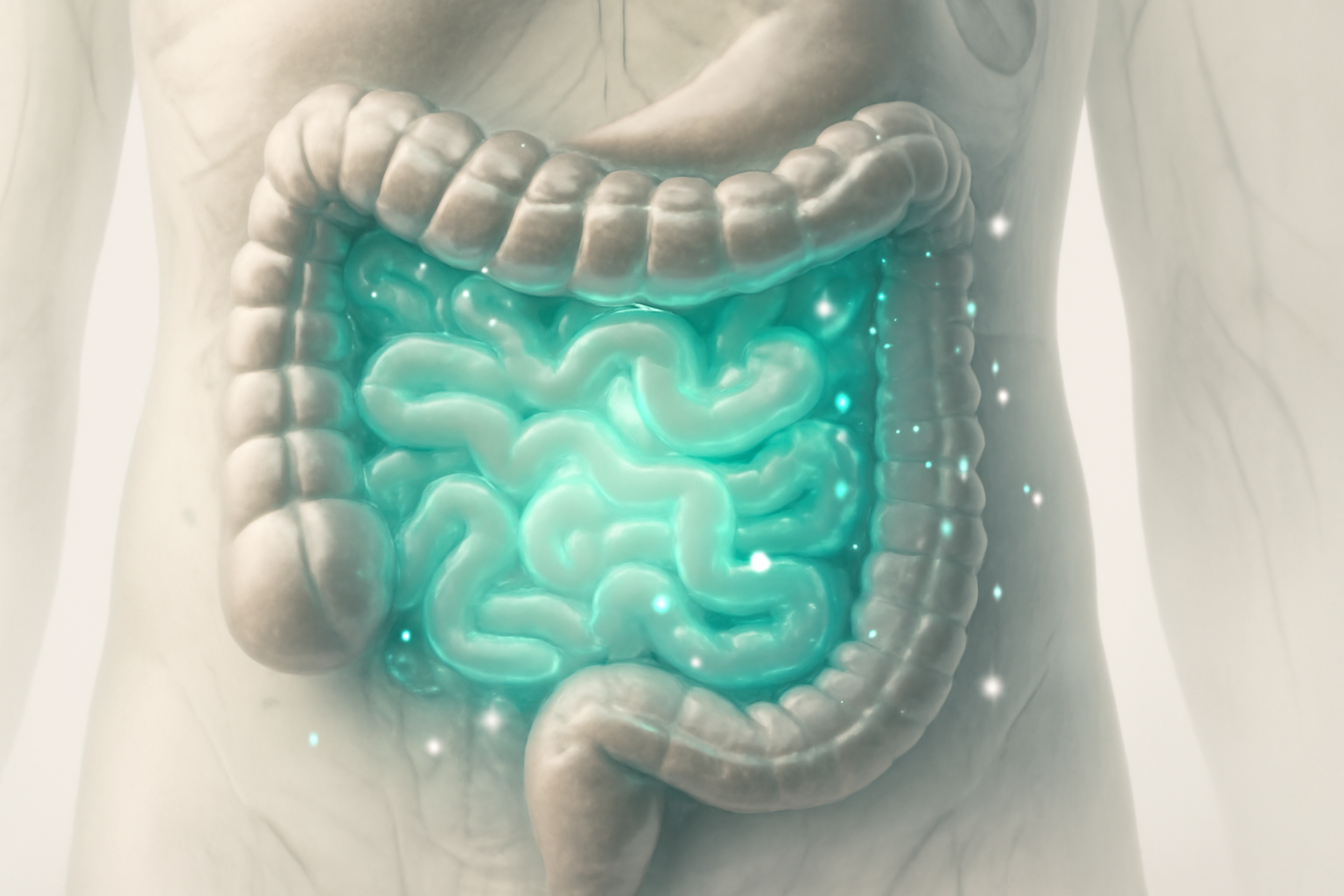
  • Gut Microbiome: What It Is and Why It Matters

    Gut Microbiome: What It Is and Why It Matters

    Gut Microbiome: What It Is and Why It Matters

    Your gut is home to trillions of microorganisms — and the balance between them may influence everything from your mood to your risk of chronic disease.

    Marcus, 47, had dealt with bloating, low energy, and unpredictable digestion for years. His doctor ran the usual tests — everything came back normal. It wasn’t until a gastroenterologist brought up the gut microbiome that things started to make more sense. "Nobody had ever explained that the bacteria living in my gut could affect how I feel every single day," Marcus said later.

    According to the National Institutes of Health, the human gut hosts approximately 38 trillion microbial cells — outnumbering human cells in the body. The gut microbiome, which refers to the collective community of bacteria, viruses, fungi, and other microorganisms living in your digestive tract, is now considered one of the most important frontiers in modern medicine.

    In this guide, you’ll learn what the gut microbiome actually is, what disrupts it, how an imbalanced microbiome may affect your health, and what evidence-based steps you can take to support it — starting today.

    What Is the Gut Microbiome?

    The gut microbiome refers to the vast ecosystem of microorganisms — primarily bacteria — that live in your gastrointestinal (GI) tract, especially in the large intestine. Think of it as an internal rainforest: diverse, dynamic, and deeply interconnected with your overall health.

    These microbes aren’t passive passengers. They actively participate in digestion, produce vitamins (including B12 and vitamin K), regulate the immune system, and communicate with the brain through what researchers call the gut-brain axis — a two-way signaling pathway between your digestive system and your central nervous system.

    According to the NIH Human Microbiome Project, a healthy adult gut can contain over 1,000 different bacterial species. The two dominant bacterial families are Firmicutes and Bacteroidetes, and the ratio between them has been studied extensively in relation to metabolic health, weight regulation, and inflammation.

    What makes this topic so relevant for adults aged 30 and older is that the microbiome changes significantly across the lifespan — and many of the lifestyle habits common in midlife (high-stress schedules, processed food diets, antibiotic use) can gradually erode microbial diversity in ways that may affect long-term health.

    Signs Your Gut Microbiome May Be Out of Balance

    The term dysbiosis refers to an imbalance in the gut microbiome — when harmful microorganisms outnumber or outcompete the beneficial ones. Dysbiosis doesn’t always cause obvious symptoms, but research suggests it may contribute to a wide range of issues.

    Early or mild signs may include:

    • Frequent bloating or gas after meals
    • Loose stools or constipation that comes and goes
    • Food sensitivities that seem to be worsening over time
    • Mild fatigue not explained by poor sleep
    • Brain fog or difficulty concentrating
    • Sugar or carbohydrate cravings that feel difficult to control

    More significant signs that warrant a medical evaluation:

    • Persistent diarrhea lasting more than two weeks
    • Recurring abdominal pain or cramping
    • Unexplained weight loss or gain
    • Symptoms resembling irritable bowel syndrome (IBS), such as alternating bowel habits
    • Skin conditions like eczema or rosacea flaring alongside GI symptoms
    • Frequent infections or slow recovery from illness

    A 2021 meta-analysis published in the journal Gut found that individuals with reduced microbial diversity were significantly more likely to report systemic inflammatory markers — suggesting that what starts in the gut may not stay there. This varies from person to person, and correlation does not imply causation in every individual case.

    What Causes Gut Microbiome Disruption?

    The gut microbiome is shaped by dozens of factors — some within your control, and some not. Understanding the root causes of dysbiosis helps explain why so many American adults are experiencing gut-related symptoms at higher rates than previous generations.

    Antibiotic use: Antibiotics are lifesaving medications, but they are broadly disruptive to the microbiome. Clinical evidence from the Mayo Clinic indicates that a single course of antibiotics can reduce microbial diversity for weeks to months afterward, and in some individuals, certain bacterial strains may not fully recover.

    Diet high in ultra-processed foods: According to the CDC, more than 57% of calories consumed by US adults come from ultra-processed foods — items high in refined sugars, artificial additives, and low in dietary fiber. Research suggests this dietary pattern selectively feeds less beneficial bacterial species while starving the fiber-dependent strains associated with gut health.

    Chronic stress: The gut-brain axis works in both directions. Chronic psychological stress — a hallmark of midlife in many Americans — elevates cortisol levels, which animal and human studies have linked to shifts in microbial composition. The American Psychological Association reported in 2024 that adults aged 35–54 consistently report the highest stress levels of any age group.

    Other contributing factors include:

    • Frequent alcohol consumption
    • Lack of physical activity
    • Chronic sleep deprivation (less than 6 hours per night)
    • Use of proton pump inhibitors (PPIs) for acid reflux
    • C-section birth and formula feeding in early life (early microbiome seeding)
    • Genetic predisposition and immune system conditions

    Interestingly, the connection between gut health and conditions like cognitive decline after 50 is an active area of research, with some studies pointing to inflammatory pathways that originate in a dysbiotic gut.

    Diagnosis: How Doctors Evaluate Gut Microbiome Health

    It’s important to understand that there is currently no single standardized clinical test to definitively diagnose dysbiosis or measure your microbiome’s "health score." This is an area where consumer marketing has outpaced clinical validation.

    That said, your physician has several evidence-based tools to evaluate gut health and rule out underlying conditions:

    Stool testing: Comprehensive stool analysis can detect bacterial infections (like C. difficile), parasites, blood in the stool, and markers of inflammation such as calprotectin. The FDA has cleared certain microbiome sequencing tests, though their clinical interpretation is still evolving.

    Breath tests: Hydrogen and methane breath tests are used to diagnose small intestinal bacterial overgrowth (SIBO) — a condition where bacteria proliferate in the small intestine rather than the large intestine, causing significant bloating and discomfort.

    Endoscopy and colonoscopy: For persistent or unexplained GI symptoms, a gastroenterologist may recommend a colonoscopy or upper endoscopy to directly visualize the GI tract and collect tissue samples.

    Blood tests: Markers such as C-reactive protein (CRP), complete blood count (CBC), and liver function tests can help paint a picture of systemic inflammation that may be related to gut dysfunction.

    If you’re experiencing persistent symptoms, the right first step is a conversation with your primary care physician — not a direct-to-consumer microbiome kit, which the FDA has noted lack standardized reference ranges.

    Treatment Options and Evidence-Based Strategies

    Supporting a healthy gut microbiome is not about a single supplement or a 30-day cleanse. Research suggests it requires a sustained, multi-pronged approach — primarily centered on diet and lifestyle, with targeted medical interventions when appropriate.

    Dietary fiber — the cornerstone of microbiome support: Dietary fiber is the primary fuel source for beneficial gut bacteria. It undergoes fermentation in the colon, producing short-chain fatty acids (SCFAs) like butyrate, which have anti-inflammatory properties. The Academy of Nutrition and Dietetics recommends 25–38 grams of fiber per day for adults, yet most Americans consume fewer than 15 grams. Whole grains, legumes, vegetables, and fruits are the best sources.

    Fermented foods: A landmark 2021 Stanford University study published in Cell found that a high-fermented-food diet significantly increased microbiome diversity and reduced markers of inflammation in healthy adults. Foods like plain yogurt with live cultures, kefir, kimchi, sauerkraut, and miso introduce beneficial bacteria directly into the GI tract.

    Probiotic supplementation: Probiotics are live microorganisms that, when consumed in adequate amounts, may confer health benefits. Clinical evidence supports specific probiotic strains for conditions like antibiotic-associated diarrhea (Lactobacillus rhamnosus GG) and certain IBS subtypes. However, most physicians recommend a food-first approach, as supplement evidence is strain-specific and not universal.

    Prebiotic foods: Prebiotics are non-digestible fibers that selectively feed beneficial gut bacteria. Foods rich in prebiotics include garlic, onions, leeks, asparagus, bananas, and Jerusalem artichokes. Research from the Cleveland Clinic suggests that a consistent prebiotic intake may be more impactful for long-term microbiome diversity than sporadic probiotic supplementation.

    Reducing ultra-processed food intake: Replacing highly processed foods with whole, minimally processed alternatives is one of the most direct ways to shift the microbial environment. This doesn’t require a perfect diet — even modest improvements show measurable effects in clinical trials.

    Omega-3 fatty acids: Research suggests omega-3s may support microbial diversity while reducing gut inflammation. Learn more about the evidence in our detailed Omega-3 Fatty Acids guide.

    Medical interventions: For medically diagnosed dysbiosis-related conditions (such as SIBO, C. difficile infection, or inflammatory bowel disease), your doctor may prescribe targeted antibiotics, antifungals, or in specific cases, fecal microbiota transplantation (FMT) — a procedure now FDA-approved for recurrent C. difficile infection.

    Living With Gut Health in Mind: Daily Prevention Strategies

    Supporting your microbiome is less about dramatic interventions and more about consistent daily habits. The good news: many of the lifestyle changes that benefit the gut also benefit the heart, brain, and metabolic health simultaneously.

    Move your body regularly: A 2019 study in the International Journal of Sport Nutrition and Exercise Metabolism found that regular aerobic exercise — even 30 minutes of brisk walking five days a week — was independently associated with greater gut microbial diversity. You don’t need an elite fitness routine.

    Prioritize sleep: Research from the Sleep Foundation indicates that consistently sleeping fewer than 7 hours per night alters the gut microbiome in ways that may increase appetite-regulating hormone disruption and low-grade inflammation.

    Manage stress actively: Mindfulness-based stress reduction (MBSR), regular exercise, and adequate social connection have all been linked to healthier microbiome profiles in clinical literature. Chronic stress is not just emotional — it has measurable biological effects on your gut.

    Be judicious with antibiotics: Most physicians recommend only using antibiotics when they are clearly indicated. Whenever you do need them, ask your doctor about probiotic use during and after the course to help support microbial recovery.

    Limit alcohol: Consistent alcohol consumption — even at moderate levels — has been associated with reduced Bacteroidetes populations and increased gut permeability (often called "leaky gut"). Occasional moderate intake appears less disruptive than daily drinking.

    Diversify your plate: Clinical evidence suggests that eating a wider variety of plant-based foods — aiming for 30 or more different plants per week, including herbs and spices — correlates with greater microbial diversity. This doesn’t mean eliminating animal products, but it does mean making plants the anchor of most meals.

    When to Call Your Doctor: Red Flags and Next Steps

    While many gut health concerns can be addressed through lifestyle changes, certain symptoms demand prompt medical attention. Do not delay care if you experience any of the following:

    Seek emergency care immediately if you notice:

    • Blood in your stool (red or black, tarry stools)
    • Severe abdominal pain that comes on suddenly
    • High fever alongside diarrhea or vomiting
    • Signs of dehydration: dizziness, rapid heart rate, no urination

    Schedule a prompt doctor’s appointment if you have:

    • Unexplained weight loss of more than 5% of body weight over 6 months
    • Persistent diarrhea or constipation lasting more than two weeks
    • Recurring abdominal cramping that interferes with daily life
    • Symptoms that fit criteria for IBS or inflammatory bowel disease (IBD)
    • New onset of significant food intolerances after age 40

    At your next routine appointment, consider asking your doctor:

    • "Could my digestive symptoms be related to gut microbiome imbalance?"
    • "Should I be tested for SIBO or other bacterial overgrowth conditions?"
    • "Are my current medications affecting my gut bacteria?"
    • "What dietary changes would you recommend for my specific situation?"

    Frequently Asked Questions

    Q: Can I improve my gut microbiome quickly?
    Research suggests that dietary changes can begin to shift microbial composition within a few days, but meaningful, lasting improvements in diversity typically take weeks to months of consistent effort. There are no shortcuts that replace sustained lifestyle changes.

    Q: Are at-home microbiome tests worth buying?
    Consumer microbiome tests can provide interesting general information, but the FDA has noted that they currently lack standardized clinical reference ranges. Most physicians do not use them for diagnosis or treatment planning. If you have symptoms, see your doctor rather than relying on a consumer kit.

    Q: Do I need a probiotic supplement every day?
    Not necessarily. Clinical evidence supports specific probiotic strains for specific conditions (like antibiotic-associated diarrhea), but for general gut health, a diet rich in fermented foods and fiber may be equally or more effective for most people. Discuss with your physician before starting a daily supplement.

    Q: Can gut health affect my mental health?
    Research suggests it can. The gut-brain axis is a real and increasingly well-documented communication network. Several studies have found correlations between gut dysbiosis and symptoms of anxiety and depression, though causality in humans is still being established. This is one of the most exciting frontiers in both gastroenterology and psychiatry.

    Q: Does aging affect the gut microbiome?
    Yes. Clinical evidence consistently shows that microbial diversity tends to decline with age, particularly after 65. This is influenced by dietary changes, medication use, reduced physical activity, and immune system shifts that come with aging. Proactively supporting your microbiome in your 40s and 50s may offer long-term protective benefits.

    The Bottom Line

    Your gut microbiome is one of the most complex and consequential ecosystems in your body — and science is only beginning to understand its full reach. What we do know is this: diversity matters, diet is the most powerful lever you have, and the signals your gut sends deserve to be taken seriously.

    You don’t need to overhaul your life overnight. Start by adding more fiber-rich and fermented foods, managing chronic stress, and sleeping consistently. These changes are cumulative, evidence-based, and sustainable.

    Most importantly, if you’re experiencing persistent GI symptoms, don’t self-diagnose or rely on supplements alone. A conversation with your physician is always the right first step. Your gut health is worth protecting — and you have more influence over it than you might think.


    Medical Disclaimer: This article is for informational and educational purposes only. It does not constitute medical advice, diagnosis, or treatment. Always consult your physician or a qualified healthcare provider before making changes to your health routine or treatment plan.

    Medically reviewed by our editorial health team. Content follows evidence-based standards aligned with CDC and NIH guidelines.
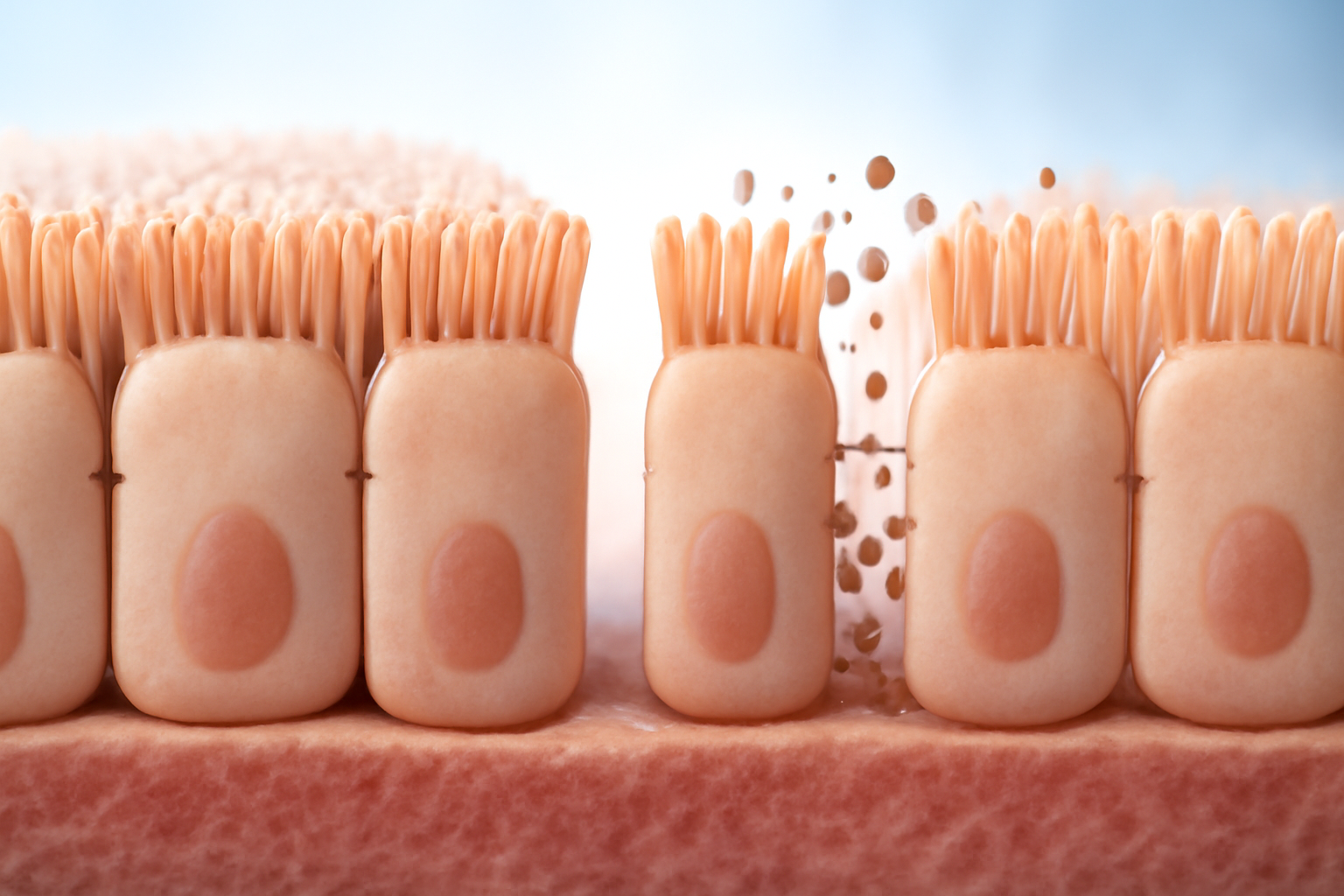
  • IBS: Symptoms, Causes, and Effective Treatment Options

    IBS: Symptoms, Causes, and Effective Treatment Options

    Irritable bowel syndrome affects millions of Americans silently — but understanding it can change everything about how you manage it.

    Meet David, a 44-year-old teacher from Ohio. For years, he battled unpredictable stomach cramps, urgent bathroom trips that disrupted his workday, and bloating so severe it made him avoid social dinners. His doctor ran test after test, and everything came back normal. It wasn’t until he was diagnosed with irritable bowel syndrome (IBS) that he finally had a name — and a path forward.

    According to the American College of Gastroenterology, IBS affects between 10% and 15% of adults in the United States, making it one of the most common gastrointestinal disorders diagnosed today. Yet despite how prevalent it is, many people spend years without answers, misattributing their symptoms to stress or diet without ever receiving proper care.

    This guide will walk you through everything you need to know about IBS — from what’s actually happening in your gut, to how it’s diagnosed, treated, and managed for long-term relief. If you’ve been struggling with unexplained digestive symptoms, this is the place to start.

    What Is Irritable Bowel Syndrome?

    Irritable bowel syndrome is a chronic functional gastrointestinal disorder — meaning it affects how your gut works, even though it doesn’t cause visible structural damage or inflammation the way conditions like Crohn’s disease or ulcerative colitis do.

    Think of IBS as a miscommunication between your brain and your digestive system. The gut-brain axis — the two-way communication network linking your central nervous system to your enteric nervous system (the nervous system embedded in your gut) — becomes dysregulated, leading to abnormal gut motility (the muscle contractions that move food through your intestines) and heightened pain sensitivity.

    The National Institute of Diabetes and Digestive and Kidney Diseases (NIDDK), part of the NIH, estimates that IBS affects roughly 25 to 45 million people in the US. Women are diagnosed with IBS at approximately twice the rate of men, and symptoms most commonly appear before age 50, though the condition can develop at any age.

    IBS is typically classified into three main subtypes based on your predominant bowel pattern:

    • IBS-C (constipation-predominant): Hard or lumpy stools more than 25% of the time
    • IBS-D (diarrhea-predominant): Loose or watery stools more than 25% of the time
    • IBS-M (mixed): A combination of both constipation and diarrhea

    Understanding your subtype is important because treatment strategies differ significantly between them.

    Signs and Symptoms of IBS

    The hallmark of IBS is recurrent abdominal pain that is linked to changes in bowel habits. But the symptom picture can be surprisingly varied from one person to the next — and from one day to the next.

    Common early or mild symptoms include:

    • Abdominal cramping or pain, often relieved after a bowel movement
    • Bloating and a sense of fullness or distension
    • Excess gas or flatulence
    • Mucus in the stool
    • Alternating periods of constipation and diarrhea
    • Urgency — feeling like you need to go immediately

    More disruptive or advanced symptoms may include:

    • Severe abdominal pain that interferes with daily activities
    • Chronic diarrhea that leads to anxiety about leaving home
    • Incomplete evacuation — the feeling that you haven’t fully emptied your bowels
    • Fatigue and disrupted sleep linked to gut discomfort
    • Food avoidance and disordered eating behaviors stemming from symptom fear

    A 2021 meta-analysis published in the journal Gut found that IBS significantly impairs quality of life across multiple domains, including work productivity, social functioning, and mental health. This underscores the importance of taking your symptoms seriously rather than dismissing them as "just stress."

    Symptoms that are NOT typical of IBS and require immediate evaluation include:

    • Blood in the stool or rectal bleeding
    • Unintentional weight loss
    • Fever alongside digestive symptoms
    • Symptoms that wake you from sleep
    • New symptoms appearing after age 50

    These are considered red flag symptoms and should never be attributed to IBS without thorough medical investigation.

    Causes and Risk Factors

    IBS doesn’t have a single identifiable cause — it’s considered multifactorial, meaning several biological, psychological, and environmental factors work together to trigger and sustain it.

    Key contributing factors include:

    Gut microbiome imbalance: Research published by the NIH has increasingly pointed to dysbiosis — an imbalance in the community of bacteria living in your gut — as a significant driver of IBS symptoms. People with IBS often show reduced microbial diversity compared to those without the condition.

    Post-infectious IBS: Approximately 10% of IBS cases are believed to develop after a gastrointestinal infection such as food poisoning or viral gastroenteritis. This is known as post-infectious IBS (PI-IBS), and it highlights the role of intestinal inflammation and nerve damage in triggering the condition.

    Gut-brain axis dysfunction: Stress, anxiety, and depression don’t just feel bad — they directly alter gut motility and pain perception. The CDC has noted that mental health conditions are highly comorbid with IBS, meaning they frequently occur together.

    Dietary triggers: Certain foods — particularly those high in fermentable carbohydrates known as FODMAPs (fermentable oligosaccharides, disaccharides, monosaccharides, and polyols) — are known to worsen symptoms in many IBS patients.

    Hormonal fluctuations: The higher prevalence of IBS in women has led researchers to investigate the role of estrogen and progesterone in gut function. Many women report that their IBS symptoms fluctuate with their menstrual cycle. If you’re navigating hormonal changes alongside gut symptoms, you may find it helpful to read about perimenopause symptoms, causes, and what actually helps.

    Risk factors that increase your likelihood of IBS:

    • Family history of IBS or other functional GI disorders
    • History of anxiety, depression, or trauma (including childhood adversity)
    • Previous gastrointestinal infection
    • Female sex assigned at birth
    • Age under 50 (though it occurs at all ages)
    • High-stress lifestyle or occupation

    Diagnosis: What to Expect

    One of the most frustrating aspects of IBS for patients is that there is no single definitive test for it. Diagnosis is clinical — meaning your doctor will make the determination based on your symptom history, physical examination, and by ruling out other conditions.

    Most gastroenterologists use the Rome IV criteria, an internationally recognized diagnostic framework. To meet the criteria for IBS, you must have had recurrent abdominal pain at least one day per week over the last three months, associated with at least two of the following: a change in stool frequency, a change in stool form or appearance, or pain that is related to defecation (bowel movements).

    Tests your doctor may order to rule out other conditions:

    • Complete blood count (CBC) to check for anemia or infection
    • C-reactive protein (CRP) or erythrocyte sedimentation rate (ESR) to screen for inflammation
    • Celiac disease antibody panel (IBS and celiac can mimic each other)
    • Thyroid function tests
    • Stool tests for infections, parasites, or blood
    • Colonoscopy — especially if you’re over 45 or have red flag symptoms

    According to the American College of Gastroenterology’s clinical guidelines, routine colonoscopy is not required for IBS diagnosis in patients under 45 without alarm features. However, it becomes essential when other causes must be excluded.

    When you see your doctor, keep a symptom diary beforehand. Note when your symptoms occur, what you ate, your stress levels, and how your bowel habits changed. This information significantly helps clinicians make an accurate diagnosis.

    Treatment Options for IBS

    The good news: IBS is highly manageable. Treatment is individualized based on your predominant symptoms and severity, and most people achieve meaningful relief with a combination of approaches.

    Dietary interventions:

    The low-FODMAP diet is currently the most evidence-supported dietary strategy for IBS. Developed by researchers at Monash University and validated by numerous clinical trials, this diet eliminates high-FODMAP foods (such as wheat, certain fruits, legumes, and dairy) for 4-6 weeks, then systematically reintroduces them to identify personal triggers.

    Research indicates that 50-80% of IBS patients experience significant symptom improvement on the low-FODMAP diet. It’s best undertaken with the guidance of a registered dietitian familiar with IBS.

    Medications commonly used in IBS:

    • Antispasmodics (such as hyoscyamine or dicyclomine): Help reduce intestinal cramping
    • Laxatives (such as polyethylene glycol): Used for IBS-C to promote regular bowel movements
    • Antidiarrheals (such as loperamide): Used for IBS-D to reduce urgency and frequency
    • Low-dose tricyclic antidepressants: Clinical evidence indicates these medications reduce gut pain sensitivity even at doses lower than those used for depression
    • SSRIs: May be helpful for IBS patients with comorbid anxiety or depression
    • Rifaximin: An antibiotic approved by the FDA for IBS-D, particularly in cases linked to small intestinal bacterial overgrowth (SIBO)
    • Linaclotide and plecanatide: FDA-approved prescription medications specifically for IBS-C

    Always work with your gastroenterologist to determine which medications, if any, are appropriate for your specific situation. Dosages and drug interactions vary significantly from person to person.

    Mind-body therapies:

    Given the central role of the gut-brain axis in IBS, psychological interventions have demonstrated impressive results in clinical trials. Cognitive behavioral therapy (CBT) adapted for IBS and gut-directed hypnotherapy have both been shown in NIH-supported research to reduce symptom severity and improve quality of life — sometimes as effectively as medication.

    Probiotics:

    Research on probiotics for IBS is evolving. Some strains — particularly Bifidobacterium infantis and certain Lactobacillus strains — have shown promise in reducing bloating and pain. However, clinical evidence suggests that not all probiotics are equal, and results vary considerably between individuals. Talk to your doctor before starting a probiotic regimen. For more context on gut health supplements, see our guide on leaky gut syndrome: symptoms, causes, and treatment.

    Living With IBS: Daily Management and Prevention

    Managing IBS is an ongoing process rather than a one-time fix. Building sustainable habits is more effective than any single intervention.

    Practical daily strategies:

    • Eat smaller, more frequent meals rather than large ones, which can overstimulate the bowel
    • Chew slowly and mindfully — eating too fast introduces excess air into the digestive system, worsening bloating and gas
    • Stay well hydrated — aim for at least 8 cups of water daily, especially if you have IBS-C
    • Limit known trigger foods — alcohol, caffeine, fatty foods, and artificial sweeteners are common culprits
    • Exercise regularly — a 2023 review in the American Journal of Gastroenterology found that regular aerobic exercise significantly improved IBS symptoms by improving gut motility and reducing stress hormones
    • Establish a regular bathroom routine — responding to your body’s natural urge to defecate without delay helps train regular bowel function

    Stress management is non-negotiable:

    Because the gut and brain are so tightly connected, chronic stress is one of the most powerful triggers for IBS flares. Practices such as diaphragmatic breathing, mindfulness meditation, yoga, and adequate sleep have all been shown to reduce IBS symptom frequency. The NIH’s National Center for Complementary and Integrative Health acknowledges these approaches as valuable complements to conventional IBS care.

    Research also suggests that magnesium supplementation may support both stress regulation and bowel regularity in some individuals. You can learn more in our detailed article on magnesium benefits for sleep, stress relief, and overall health.

    When to Call Your Doctor or Seek Emergency Care

    While IBS is not life-threatening, certain symptoms require prompt medical attention because they may signal a more serious underlying condition.

    Call your doctor soon if you experience:

    • A sudden significant change in your usual IBS symptoms
    • Increasing frequency or severity of abdominal pain not relieved by bowel movements
    • New symptoms after age 50
    • Significant changes in stool color or consistency that are new and persistent
    • Symptoms interfering severely with work or daily life despite current management

    Go to the emergency room immediately if you experience:

    • Blood in your stool or rectal bleeding
    • Severe, sudden abdominal pain unlike anything you’ve felt before
    • High fever alongside abdominal symptoms
    • Significant unintentional weight loss (more than 10 pounds unexplained)
    • Persistent vomiting that prevents you from keeping food or fluids down

    These symptoms could indicate inflammatory bowel disease, colorectal cancer, appendicitis, or other conditions that require urgent evaluation. IBS does not cause bleeding, fever, or weight loss — if you’re experiencing these, something else needs to be investigated.

    What to tell your doctor at your next visit: Bring a symptom diary, note any dietary patterns, medications (including supplements), and life stressors. The more detailed information you provide, the more effectively your care team can tailor your treatment.

    Frequently Asked Questions About IBS

    Is IBS a lifelong condition?

    IBS is generally considered a chronic condition, but the course varies widely. Some people experience symptoms for years, while others have periods of complete remission. With proper management — including diet, stress reduction, and appropriate medical treatment — many people achieve long-term symptom control and an excellent quality of life. This varies from person to person.

    Can IBS turn into Crohn’s disease or colorectal cancer?

    No. IBS does not cause structural damage to the intestines and does not increase your risk of developing inflammatory bowel disease or colorectal cancer. However, these conditions can sometimes be confused with IBS, which is why proper diagnosis is critical.

    Is IBS related to food intolerance or allergies?

    Not exactly. IBS is not an immune-mediated food allergy. However, certain foods trigger symptoms in many IBS patients, particularly high-FODMAP foods. This is more accurately described as food sensitivity rather than allergy. Celiac disease — a true immune reaction to gluten — should always be ruled out before assuming gluten sensitivity is IBS-related.

    Can stress alone cause IBS?

    Stress doesn’t cause IBS on its own, but research strongly suggests it plays a significant role in triggering and worsening symptoms. The gut-brain connection means that psychological and emotional states directly influence gut function. Addressing stress is therefore an important component of any IBS management plan.

    Are there specific tests to confirm IBS?

    There is currently no single biomarker test that definitively confirms IBS. Diagnosis is based on clinical criteria (Rome IV) after excluding other conditions. However, research is ongoing — the FDA has acknowledged several emerging blood-based and microbiome-based diagnostic tools that may become available in coming years.

    Conclusion

    Living with IBS can feel isolating and frustrating — especially when your tests come back normal and others can’t see what you’re going through. But IBS is real, common, and increasingly well understood. Millions of Americans are managing it successfully every day.

    The most important step you can take is to stop dismissing your symptoms and start working with a qualified gastroenterologist or primary care physician who takes functional gut disorders seriously. Whether your path to relief involves dietary changes, medication, therapy, or a combination of approaches, effective options exist.

    You don’t have to build your life around your bathroom schedule. With the right support, knowledge, and treatment plan, meaningful improvement is genuinely within reach.

    This article is for informational and educational purposes only. It does not constitute medical advice, diagnosis, or treatment. Always consult your physician or a qualified healthcare provider before making changes to your health routine or treatment plan.

    Medically reviewed by our editorial health team. Content follows evidence-based standards aligned with CDC and NIH guidelines.

  • Leaky Gut Syndrome: Symptoms, Causes & Treatment

    Leaky Gut Syndrome: Symptoms, Causes & Treatment

    Leaky Gut Syndrome: Symptoms, Causes and Treatment Options

    Understanding intestinal permeability may be the missing piece in your digestive health puzzle.

    Marcus, 47, had been dealing with bloating, fatigue, and unexplained joint pain for nearly two years. He had seen three different specialists, ruled out Crohn’s disease and celiac disease, and still had no clear answers. It was not until his gastroenterologist mentioned the concept of increased intestinal permeability — commonly called leaky gut syndrome — that the pieces finally started to come together.

    If that story sounds familiar, you are not alone. Research published through the National Institutes of Health estimates that gut barrier dysfunction plays a contributing role in a wide range of inflammatory and autoimmune conditions affecting tens of millions of Americans. Yet despite growing clinical interest, leaky gut syndrome remains one of the most misunderstood topics in modern medicine.

    In this guide, you will learn what leaky gut syndrome actually is, what the science says about its causes and symptoms, how it is diagnosed, and what evidence-based treatment options are available today. Whether you are managing a chronic condition or simply trying to protect your long-term digestive health, this article will give you the grounded, practical information you need to have a productive conversation with your doctor.

    What Is Leaky Gut Syndrome?

    Your digestive tract is lined with a single layer of epithelial cells — specialized cells that act as a selective barrier between the contents of your intestines and your bloodstream. This lining is held together by tight junction proteins, which function somewhat like the mortar between bricks, controlling what passes through and what stays out.

    When these tight junctions become compromised, the intestinal barrier loses its selectivity. Partially digested food particles, bacterial toxins, and other substances that would normally remain inside the gut can pass into the bloodstream. This process is what clinicians refer to as increased intestinal permeability — or, in more colloquial terms, leaky gut syndrome.

    It is important to clarify one thing: leaky gut syndrome is not yet recognized as a formal standalone diagnosis in mainstream clinical practice. However, intestinal permeability itself is a well-documented, measurable physiological phenomenon. According to research from the NIH’s National Institute of Diabetes and Digestive and Kidney Diseases, disrupted gut barrier function is increasingly linked to conditions ranging from inflammatory bowel disease to metabolic disorders and even certain autoimmune diseases.

    This distinction matters because it separates the legitimate science from the oversimplified or exaggerated claims you may encounter online. Increased intestinal permeability is real, measurable, and clinically relevant — but it is typically a contributing factor within a larger health picture, not an isolated diagnosis on its own.

    Signs and Symptoms of Leaky Gut

    One of the most challenging aspects of leaky gut syndrome is that its symptoms overlap significantly with many other gastrointestinal and systemic conditions. This is precisely why it often goes unrecognized for years.

    Early and Common Symptoms:

    • Chronic bloating, especially after meals
    • Abdominal cramping or discomfort
    • Irregular bowel habits — diarrhea, constipation, or alternating between both
    • Persistent fatigue that is not explained by sleep issues
    • Brain fog or difficulty concentrating
    • Food sensitivities that seem to be worsening over time
    • Skin issues such as eczema, acne, or unexplained rashes

    Symptoms That May Suggest a More Advanced Problem:

    • Joint pain and inflammation without a clear orthopedic cause
    • Frequent infections or a weakened immune response
    • Mood disturbances including anxiety and depression
    • Nutritional deficiencies despite an adequate diet
    • Autoimmune flare-ups in conditions like rheumatoid arthritis or Hashimoto’s thyroiditis

    A 2021 review published in Frontiers in Immunology found that patients with documented increased intestinal permeability showed elevated levels of lipopolysaccharides (LPS) — bacterial endotoxins — in their bloodstream, which correlated with systemic inflammation markers. This gives clinicians a measurable window into how gut barrier dysfunction can drive symptoms far beyond the digestive tract.

    This variation is important to understand: not every person with intestinal permeability will experience the same constellation of symptoms. This varies significantly from person to person depending on genetics, existing health conditions, and overall microbiome health.

    Causes and Risk Factors

    The gut barrier does not break down overnight. Research suggests it is typically the result of multiple overlapping factors that accumulate over months or years. Understanding these causes is critical because many of them are modifiable through lifestyle changes and medical management.

    Dietary Factors:

    • Diets high in ultra-processed foods, refined sugars, and artificial emulsifiers have been shown in multiple animal and human studies to disrupt tight junction proteins
    • Chronic alcohol consumption is one of the most well-documented dietary contributors to increased intestinal permeability, according to research from the NIH’s National Institute on Alcohol Abuse and Alcoholism
    • Low dietary fiber intake reduces the production of short-chain fatty acids, which are essential for maintaining the intestinal lining

    Medications:

    • Long-term use of non-steroidal anti-inflammatory drugs (NSAIDs) such as ibuprofen and aspirin has been associated with gut barrier disruption in multiple clinical studies
    • Proton pump inhibitors (PPIs), when used chronically, may alter gut microbiome composition in ways that affect barrier integrity
    • Antibiotics, while medically necessary, can deplete beneficial gut bacteria that help maintain the intestinal lining

    Chronic Stress: The gut-brain axis — the bidirectional communication network between your brain and digestive system — means that chronic psychological stress directly affects gut motility and barrier function. Clinical evidence from the American Psychological Association indicates that stress hormones like cortisol can weaken tight junction proteins over time.

    Underlying Conditions: Conditions such as celiac disease, Crohn’s disease, irritable bowel syndrome (IBS), and type 1 diabetes have all been independently associated with measurable increases in intestinal permeability. In some cases, researchers are still working to determine whether the permeability is a cause or a consequence of the condition.

    According to the CDC, approximately 60 million Americans are affected by some form of digestive disease — a statistic that underscores just how widespread gut barrier issues may be across the US population.

    Diagnosis: What to Expect

    If you suspect you may have issues with intestinal permeability, the first step is a thorough evaluation by your primary care physician or a board-certified gastroenterologist. There is no single universally accepted test for leaky gut syndrome, which is part of why diagnosis requires a comprehensive clinical approach.

    Tests Your Doctor May Order:

    • Lactulose-mannitol urine test: This is the most widely used research tool for measuring intestinal permeability. You drink a solution containing two sugars, and their ratio in your urine indicates how permeable your gut lining is. While used extensively in research, it is not yet standardized for routine clinical practice at all facilities.
    • Zonulin blood test: Zonulin is a protein that regulates tight junctions. Elevated serum zonulin levels have been associated with increased permeability in studies published in journals affiliated with Mayo Clinic research teams. However, test standardization is still an active area of development.
    • Comprehensive stool analysis: This can evaluate microbiome diversity, markers of inflammation (such as calprotectin), and signs of dysbiosis — an imbalance in gut bacteria — that may accompany barrier dysfunction.
    • Standard gastrointestinal workup: Your doctor will likely also order bloodwork to check for inflammatory markers like CRP (C-reactive protein), complete metabolic panels, and potentially endoscopy to rule out conditions like Crohn’s disease or ulcerative colitis.

    Most physicians recommend seeking evaluation if you have been experiencing persistent unexplained gastrointestinal symptoms for more than four to six weeks, particularly if accompanied by systemic symptoms like fatigue or joint pain.

    Treatment Options

    Treatment for increased intestinal permeability is most effective when it addresses the underlying causes rather than just managing symptoms. Clinical evidence supports a multimodal approach combining medical care with targeted lifestyle modifications.

    Medical Treatments:

    • Treating underlying conditions: If a diagnosed condition such as celiac disease, IBD, or SIBO (small intestinal bacterial overgrowth) is driving the permeability, treating that condition is the primary medical priority
    • Targeted antimicrobials: When dysbiosis or SIBO is identified, a gastroenterologist may prescribe specific antibiotic or antifungal therapy to rebalance gut flora
    • Medication review: Your doctor may assess whether any current medications are contributing to gut barrier issues and discuss alternatives where appropriate

    Dietary Approaches: A 2023 randomized controlled trial published through NIH-affiliated research showed that a diet rich in fermented foods — including yogurt, kefir, kimchi, and sauerkraut — significantly increased microbiome diversity and reduced inflammatory markers compared to a high-fiber diet alone. Research suggests the following dietary strategies support gut barrier integrity:

    • Increasing dietary fiber from whole fruits, vegetables, legumes, and whole grains to fuel short-chain fatty acid production
    • Reducing ultra-processed food intake and refined sugars
    • Limiting or eliminating alcohol, particularly during an active treatment period
    • Following a gluten-free diet if celiac disease or confirmed gluten sensitivity is present

    Probiotics and Supplements: Clinical evidence indicates that specific probiotic strains — particularly Lactobacillus rhamnosus GG and Bifidobacterium longum — may help restore gut barrier function. A meta-analysis from the American Journal of Clinical Nutrition found that probiotic supplementation was associated with reduced intestinal permeability markers in patients with IBS and inflammatory bowel conditions. L-glutamine, a conditionally essential amino acid, has also shown promise in early clinical research as a support for intestinal lining repair. Always discuss any supplement regimen with your healthcare provider before starting.

    Stress Management: Given the documented connection between the gut-brain axis and barrier function, evidence-based stress reduction techniques — including cognitive behavioral therapy (CBT), mindfulness-based stress reduction (MBSR), and regular aerobic exercise — are increasingly considered integral components of gut health treatment by gastroenterologists and integrative medicine physicians.

    Living With Gut Permeability Issues and Long-Term Prevention

    Managing a compromised gut barrier is not a quick fix. Most physicians and researchers agree that meaningful, lasting improvement typically requires sustained lifestyle changes maintained over months, not days.

    Practical Daily Strategies:

    • Aim for at least 25-38 grams of dietary fiber per day, as recommended by the Academy of Nutrition and Dietetics
    • Eat slowly and mindfully — eating too quickly reduces digestive enzyme activation and increases fermentation and bloating
    • Prioritize sleep: research from Harvard Medical School suggests that chronic sleep deprivation alters gut microbiome composition within just two weeks
    • Stay physically active: moderate aerobic exercise has been shown to increase microbiome diversity and support gut barrier integrity in studies from the Cleveland Clinic
    • Limit NSAID use to the minimum medically necessary, and discuss alternatives with your doctor if you rely on them regularly
    • Stay adequately hydrated — water supports mucus layer production in the gut, which forms the first line of defense for the intestinal epithelium

    For prevention, research suggests that the same lifestyle factors that protect cardiovascular health — a fiber-rich diet, regular exercise, stress management, and limited alcohol — also maintain a resilient gut barrier. These are not separate health goals; they are deeply interconnected.

    When to Call Your Doctor and Emergency Red Flags

    While leaky gut syndrome itself is rarely a medical emergency, certain symptoms associated with gut dysfunction require prompt medical attention.

    Call your doctor promptly if you experience:

    • Persistent diarrhea lasting more than two weeks
    • Unexplained and significant weight loss
    • Blood in your stool or rectal bleeding
    • Severe abdominal pain that is constant or progressively worsening
    • Symptoms of nutritional deficiency such as hair loss, extreme fatigue, or neurological changes

    Seek emergency care immediately if you experience:

    • Sudden, severe abdominal pain with fever and rigid abdomen — this may indicate bowel perforation or sepsis
    • Signs of significant blood loss: dizziness, rapid heartbeat, fainting, or large amounts of blood in stool
    • High fever accompanied by severe abdominal symptoms

    At your next routine visit, consider discussing your gut health history with your physician, including any long-term medication use, dietary patterns, and the full range of symptoms you have been experiencing. Bring a written list — your doctor will appreciate the detail and it ensures nothing is overlooked.

    Frequently Asked Questions

    Is leaky gut syndrome a real medical diagnosis?
    Increased intestinal permeability is a real, measurable physiological phenomenon supported by peer-reviewed research. However, "leaky gut syndrome" is not currently listed as a formal standalone diagnosis in standard medical classification systems like the ICD-10. Most gastroenterologists evaluate it as a contributing mechanism within a broader clinical picture rather than a primary diagnosis.

    Can leaky gut be permanently healed?
    Research suggests that gut barrier function can significantly improve with the right combination of medical treatment, dietary changes, and lifestyle modifications. However, "permanently healed" is not the most accurate framing — maintaining a healthy gut barrier is an ongoing process, much like maintaining cardiovascular health. Clinical evidence indicates that individuals who sustain dietary and lifestyle changes see the most durable improvements.

    What foods are worst for intestinal permeability?
    Clinical evidence points most strongly to ultra-processed foods, refined sugars, artificial emulsifiers (found in many packaged foods), and alcohol as the most disruptive to gut barrier integrity. For individuals with confirmed celiac disease, gluten is also a significant factor. Your specific triggers may vary, which is why working with a registered dietitian alongside your physician is valuable.

    Do probiotics actually help with leaky gut?
    The evidence is promising but still evolving. Certain probiotic strains have shown measurable benefits for intestinal permeability markers in clinical trials, particularly in individuals with IBS or inflammatory bowel conditions. However, not all probiotics are the same — strain selection, dosage, and the individual's existing microbiome all affect outcomes. Your doctor or a registered dietitian can help you evaluate options appropriate for your situation.

    Can stress alone cause leaky gut?
    Chronic stress is a documented contributor to gut barrier disruption via the gut-brain axis. Research published through NIH-affiliated studies shows that prolonged elevation of stress hormones like cortisol and corticotropin-releasing hormone (CRH) can directly weaken tight junction proteins. That said, stress typically acts as one factor among several — rarely the sole cause in isolation.

    Conclusion

    Leaky gut syndrome — or increased intestinal permeability — sits at a fascinating and important intersection of digestive health, immune function, and systemic wellness. The science is real and growing, even if the clinical picture is still being refined by researchers at institutions like the NIH, Mayo Clinic, and Cleveland Clinic.

    The encouraging reality is that many of the factors contributing to gut barrier dysfunction are modifiable. A thoughtful combination of evidence-based dietary changes, appropriate medical treatment, stress management, and consistent follow-up with your healthcare team can lead to meaningful improvement in gut health and overall wellbeing.

    Do not try to navigate this on your own. If you recognize yourself in these symptoms, bring this article as a starting point to your next doctor's appointment. You deserve answers — and with the right clinical support, they are within reach.


    Medical Disclaimer: This article is for informational and educational purposes only. It does not constitute medical advice, diagnosis, or treatment. Always consult your physician or a qualified healthcare provider before making changes to your health routine or treatment plan.

    Medically reviewed by our editorial health team. Content follows evidence-based standards aligned with CDC and NIH guidelines.