
Tag: women’s health after 40

  • Hormonal Imbalance in Women After 40: Signs & Solutions

    Hormonal Imbalance in Women After 40: Signs & Solutions

    Your hormones don’t just change during menopause — they begin shifting years earlier, quietly reshaping how you feel every single day.

    At 44, Michelle had always considered herself a healthy, energetic woman. Then, almost overnight, she started waking at 3 a.m. drenched in sweat, snapping at her kids over nothing, and gaining weight around her midsection despite eating the same way she had for years. Her doctor ran some routine labs, sat down with her, and said four words she hadn’t expected: hormonal imbalance after 40.

    She wasn’t alone. According to the Office on Women’s Health (a division of the U.S. Department of Health and Human Services), hormone-related symptoms affect the vast majority of women during the perimenopause transition — a phase that can begin as early as the late 30s or early 40s. Yet many women dismiss their symptoms as stress, aging, or burnout — delaying care by months or even years.

    This guide will help you understand what hormonal imbalance in women after 40 actually means, what’s happening in your body, how it’s diagnosed, and what evidence-based options exist to help you feel like yourself again.

    What Is Hormonal Imbalance in Women After 40?

    Hormonal imbalance refers to a disruption in the normal levels of one or more hormones circulating in the bloodstream. In women over 40, this most commonly involves estrogen, progesterone, testosterone, cortisol, thyroid hormones, and insulin — all of which interact in complex ways.

    The most well-known driver is the transition toward menopause. According to the NIH’s National Institute on Aging, the average age of menopause in the U.S. is 51 — but the hormonal changes leading up to it (perimenopause) typically begin 4 to 10 years earlier. That means millions of women in their early 40s are already navigating significant hormonal shifts.

    But perimenopause isn’t the only cause. Thyroid disorders, adrenal dysfunction, insulin resistance, and chronic stress can all create or worsen hormonal imbalance — independent of reproductive aging. The CDC estimates that 20 million Americans have thyroid disease, and women are 5 to 8 times more likely than men to develop it.

    Understanding which hormones are involved — and why — is the first step to getting targeted, effective care.

    Signs and Symptoms of Hormonal Imbalance

    One reason hormonal imbalance is so often missed is that its symptoms are remarkably diverse. They can mimic depression, anxiety, chronic fatigue, or even heart disease. Clinical evidence from the North American Menopause Society confirms that estrogen fluctuations alone can affect more than 30 organ systems in the female body.

    Early Signs (commonly appear in the 40s):

    • Irregular or heavier menstrual cycles
    • Increased PMS symptoms (bloating, mood changes, breast tenderness)
    • Difficulty falling or staying asleep
    • Unexplained fatigue even after a full night’s rest
    • Mild anxiety or irritability that feels new or out of proportion
    • Brain fog or difficulty concentrating
    • Weight gain, especially around the abdomen
    • Reduced sex drive
    • Mild hair thinning

    More Advanced or Persistent Signs:

    • Hot flashes and night sweats
    • Vaginal dryness or discomfort during intercourse
    • Significant mood shifts, including depressive episodes
    • Bone density loss (often asymptomatic until a fracture occurs)
    • Elevated fasting blood sugar or prediabetes markers
    • Worsening acne or dry, thinning skin
    • Heart palpitations

    This varies from person to person. Some women experience only mild symptoms; others find their quality of life significantly disrupted. The pattern and severity often depend on which hormones are involved and by how much they’ve shifted.

    Causes and Risk Factors

    Hormonal imbalance in women over 40 rarely has a single cause. Research suggests it typically results from a combination of biological, lifestyle, and environmental factors.

    Biological Causes:

    • Perimenopause and ovarian aging: As ovarian reserve declines, estrogen and progesterone production becomes erratic before eventually dropping substantially.
    • Thyroid dysfunction: Hypothyroidism (underactive thyroid) is particularly common in women over 40 and can amplify nearly every symptom of hormonal imbalance — fatigue, weight gain, mood changes, and hair loss included.
    • Adrenal fatigue and cortisol dysregulation: Chronic psychological or physical stress keeps cortisol elevated, which can suppress progesterone production and interfere with thyroid signaling.
    • Insulin resistance: Estrogen plays a role in insulin sensitivity. As estrogen declines, many women become more insulin-resistant — raising the risk of weight gain and type 2 diabetes.

    Lifestyle Risk Factors:

    • Chronic sleep deprivation (fewer than 7 hours consistently)
    • High-sugar, ultra-processed diets
    • Sedentary behavior
    • Chronic psychological stress
    • Alcohol consumption (which disrupts estrogen metabolism)
    • Smoking

    Environmental Factors:

    • Exposure to endocrine-disrupting chemicals (EDCs) found in certain plastics (BPA), pesticides, and personal care products. The National Institute of Environmental Health Sciences has flagged EDCs as a significant concern for women’s hormonal health.

    A family history of early menopause, thyroid disease, PCOS, or autoimmune conditions also increases your risk.

    Diagnosis: What to Expect

    If you suspect hormonal imbalance, your first step is a thorough conversation with your primary care physician or a gynecologist. Clinical diagnosis typically involves a combination of symptom review, medical history, and laboratory testing.

    Common Lab Tests Your Doctor May Order:

    • FSH (follicle-stimulating hormone): Elevated FSH is one of the primary markers used to assess proximity to menopause.
    • Estradiol: Measures circulating estrogen levels.
    • Progesterone: Often tested in the second half of the menstrual cycle to assess luteal phase adequacy.
    • TSH (thyroid-stimulating hormone) and free T4/T3: To rule out thyroid dysfunction, which is frequently overlooked.
    • Testosterone (total and free): Low testosterone affects libido, energy, and mood in women too.
    • Fasting glucose and insulin: To assess insulin resistance.
    • DHEA-S and cortisol: If adrenal involvement is suspected.

    Most physicians recommend seeking evaluation when symptoms persist for more than 4 to 6 weeks, are worsening, or are meaningfully affecting your daily functioning and quality of life. The sooner you seek a diagnosis, the more targeted your treatment can be.

    If you’ve also noticed changes in urinary habits alongside hormonal symptoms, it may be worth reviewing our guide on Bladder Health in Women After 40, as these systems are closely connected through estrogen signaling.

    Treatment Options

    Treatment for hormonal imbalance in women over 40 is not one-size-fits-all. Most physicians recommend a layered approach that begins with lifestyle modifications and, depending on severity and lab findings, may include hormonal or non-hormonal medical therapies.

    Conventional Medical Treatments:

    Hormone Therapy (HT): Once controversial, hormone therapy has been significantly rehabilitated by updated clinical evidence. The Menopause Society (formerly the North American Menopause Society) now affirms that for healthy women under 60 or within 10 years of menopause onset, the benefits of HT typically outweigh the risks — particularly for managing hot flashes, sleep disruption, bone loss, and vaginal symptoms. HT comes in various forms (patches, gels, pills, vaginal rings), and the right formulation depends on your individual health history.

    Thyroid Medication: If hypothyroidism is confirmed, your doctor may prescribe levothyroxine to normalize thyroid function. Clinical evidence from Mayo Clinic indicates that treating thyroid dysfunction can dramatically improve energy, mood, weight, and cognitive clarity in affected women.

    Non-Hormonal Prescription Options: For women who cannot or prefer not to use hormone therapy, several FDA-approved non-hormonal options exist for specific symptoms — including certain antidepressants (SSRIs and SNRIs) for hot flashes, and fezolinetant (a newer neurokinin receptor antagonist approved in 2023) for vasomotor symptoms.

    Lifestyle Modifications (Evidence-Based Complements):

    • Exercise: Research published in the journal Menopause found that regular aerobic and resistance training significantly reduces hot flash frequency, improves insulin sensitivity, and supports bone density. Most physicians recommend 150 minutes of moderate-intensity activity per week.
    • Dietary changes: A Mediterranean-style diet rich in phytoestrogens (flaxseed, soy), fiber, lean protein, and anti-inflammatory fats supports hormonal regulation. Reducing refined sugars and alcohol is especially important.
    • Sleep hygiene: Prioritizing 7–9 hours and managing night sweats (cooler room temperature, moisture-wicking bedding, layered clothing) helps stabilize cortisol patterns.
    • Stress management: Chronic stress elevates cortisol, which directly competes with progesterone and worsens hormonal imbalance. Mindfulness-based stress reduction (MBSR) has clinical support for symptom relief in perimenopausal women.

    Supplements like magnesium, vitamin D, and omega-3 fatty acids may provide additional support, but should always be discussed with your doctor before starting — especially alongside prescription medications. For a deeper look at how magnesium specifically supports the nervous system and hormonal health, see our article on Magnesium Glycinate for Anxiety and Nervous System Support.

    Living With Hormonal Imbalance: Daily Management and Prevention

    Managing hormonal imbalance is a long-term commitment — not a short-term fix. Clinical evidence suggests that consistent daily habits have a compounding effect on hormonal stability over time.

    Practical Strategies That Make a Meaningful Difference:

    • Track your symptoms: Keeping a daily log of mood, sleep, menstrual cycle, energy, and hot flashes gives your doctor invaluable data and helps identify patterns or triggers.
    • Limit endocrine disruptors: Choose glass or stainless steel over plastic food containers, filter your drinking water, and read ingredient labels on personal care products. The NIH recommends minimizing BPA, phthalates, and parabens when possible.
    • Prioritize bone health: Estrogen decline accelerates bone loss. The National Osteoporosis Foundation recommends adequate calcium (1,200 mg/day for women over 50) and vitamin D, along with weight-bearing exercise, as preventive cornerstones.
    • Stay consistent with follow-up labs: Hormone levels fluctuate. Annual or biannual lab reviews help your doctor fine-tune your treatment plan over time.
    • Build a support network: Isolation worsens anxiety and depressive symptoms that often accompany hormonal shifts. Group support — whether in-person or online — has demonstrated psychological benefit in multiple clinical studies.

    Prevention isn’t always possible when biology is the primary driver, but lifestyle choices made in your 30s and 40s can meaningfully soften the hormonal curve and reduce your risk of long-term complications like osteoporosis and cardiovascular disease.

    When to Call Your Doctor — Emergency Signs

    Most hormonal imbalance symptoms are manageable in a primary care or gynecology setting. However, certain signs require prompt medical attention.

    Seek urgent or emergency care if you experience:

    • Chest pain, shortness of breath, or heart palpitations that are sudden or severe
    • Sudden severe headache, visual disturbances, or one-sided weakness (possible stroke warning signs — estrogen fluctuations can transiently affect clotting and vascular tone)
    • Heavy vaginal bleeding soaking more than one pad per hour for two or more consecutive hours
    • Signs of deep depression including thoughts of self-harm — hormonal shifts can trigger or worsen mood disorders
    • Sudden significant weight loss, extreme fatigue, or a large neck swelling (possible thyroid crisis)

    Schedule a non-emergency appointment soon if you notice:

    • Symptoms that have persisted for more than 6 weeks and are worsening
    • New or changing irregular bleeding patterns
    • Significant mood changes that are affecting relationships or work
    • Bone fracture from a minor injury (possible osteoporosis red flag)

    When you call, be as specific as possible. Tell your doctor the duration of symptoms, their frequency, and how they affect your daily life. Bring your symptom log if you’ve kept one.

    Frequently Asked Questions

    1. Can hormonal imbalance cause weight gain even if I haven’t changed my diet?

    Yes. Research suggests that declining estrogen alters fat distribution, often shifting it toward the abdomen. Simultaneously, insulin resistance tends to increase, making it easier to store fat and harder to burn it — even without dietary changes. This is a common and legitimate concern, not a matter of willpower.

    2. How do I know if it’s hormonal imbalance or just stress or anxiety?

    Symptoms can overlap significantly. The most reliable way to distinguish them is through lab testing paired with a thorough clinical history. Stress and hormonal imbalance also frequently coexist and can worsen each other, so addressing both is often necessary for meaningful relief.

    3. Is hormone therapy safe for women over 40?

    For most healthy women under 60 who are within 10 years of menopause onset, current clinical evidence — including updated guidelines from The Menopause Society — supports hormone therapy as a safe and effective option for symptom management. Individual risk factors, including personal or family history of certain cancers or clotting disorders, must always be evaluated by your physician.

    4. Can I test my hormones at home?

    Several at-home hormone testing kits are now commercially available. While they can provide general directional information, they are not a substitute for clinical lab testing and physician interpretation. Hormone levels fluctuate throughout the day and menstrual cycle, and accurate diagnosis requires context that a home kit cannot provide alone.

    5. Will hormonal symptoms go away on their own after menopause?

    Some symptoms, like hot flashes, do tend to lessen naturally over time — often within 4 to 7 years, though a subset of women experience them for a decade or longer, according to the NIH. Other effects of estrogen decline, such as bone density loss and vaginal atrophy, are progressive without treatment. This is why proactive management — rather than a wait-and-see approach — is typically recommended by most physicians.

    Conclusion

    Hormonal imbalance in women after 40 is not just an inconvenience to be endured — it’s a real, measurable physiological shift that deserves clinical attention and compassionate care. The good news is that effective, evidence-based tools exist: from medical therapies tailored to your individual profile, to lifestyle habits that can meaningfully support your body through this transition.

    You don’t have to accept feeling exhausted, anxious, or unlike yourself as simply part of getting older. With the right information and the right healthcare partner, most women find a path back to stable energy, better sleep, and improved quality of life. Start the conversation with your doctor today — armed with your symptoms, your questions, and a willingness to advocate for your own health.

    This article is for informational and educational purposes only. It does not constitute medical advice, diagnosis, or treatment. Always consult your physician or a qualified healthcare provider before making changes to your health routine or treatment plan.

    Medically reviewed by our editorial health team. Content follows evidence-based standards aligned with CDC and NIH guidelines.
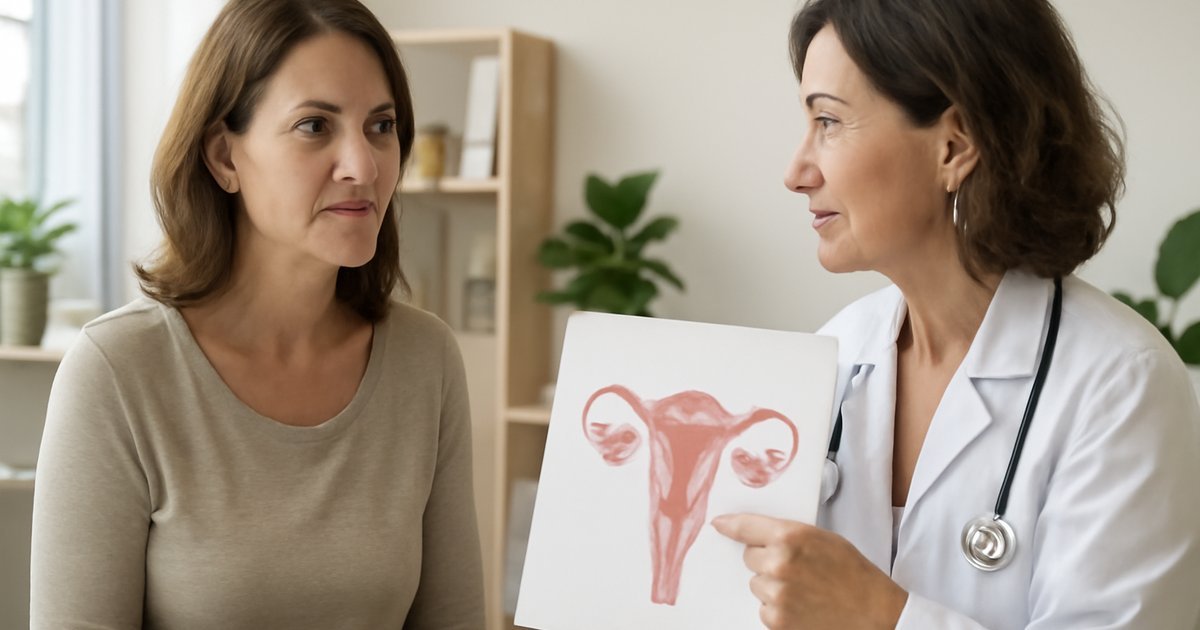
  • Ovarian Health After 40: Cysts, Hormones & Warning Signs

    Ovarian Health After 40: Cysts, Hormones & Warning Signs

    Your ovaries do far more than produce eggs — and after 40, the changes they undergo can affect your energy, mood, weight, and long-term disease risk in ways most women never expect.

    When Linda, 44, felt a dull ache in her lower abdomen that came and went for weeks, she assumed it was just stress or a pulled muscle. It wasn’t until a routine pelvic ultrasound that her gynecologist found a small ovarian cyst — benign, as it turned out, but a wake-up call that her ovarian health deserved more attention than she had ever given it.

    Linda’s experience is far from unusual. According to the American College of Obstetricians and Gynecologists (ACOG), most women will develop at least one ovarian cyst during their lifetime, and the risk of ovarian conditions — including cysts, diminished reserve, and hormonal shifts — increases significantly as women enter their 40s. Yet ovarian health is one of the most underdiscussed topics in women’s preventive care.

    In this guide, you’ll learn what your ovaries are doing after 40, what symptoms deserve medical attention, how ovarian cysts are diagnosed and managed, and — critically — what warning signs should never be ignored.

    What Is Ovarian Health, and Why Does It Change After 40?

    Your ovaries are two small, almond-shaped organs located on either side of your uterus. They serve two primary functions: releasing eggs (ovulation) and producing the hormones estrogen and progesterone that regulate your menstrual cycle, bone density, cardiovascular health, mood, and metabolism.

    After 40, both of these functions begin to shift. You’re entering what clinicians call the perimenopausal transition — a gradual process that can begin anywhere from your late 30s to mid-40s, long before your periods actually stop. During this time, your ovaries produce follicles (fluid-filled sacs that contain eggs) less predictably, estrogen levels fluctuate widely, and ovulation may become irregular.

    The National Institute on Aging (NIA) notes that the average age of menopause in the US is 51, meaning women typically spend a decade or more in perimenopause. During these years, ovarian function doesn’t simply decline in a straight line — it becomes erratic, which is exactly why symptoms in this phase can feel confusing and unpredictable.

    Understanding what’s normal during this transition, and what’s not, is essential to protecting your long-term health.

    Common Ovarian Conditions After 40

    Several ovarian conditions become more or less relevant depending on where you are in your reproductive journey. Here’s what clinical evidence indicates you should know:

    Ovarian Cysts

    A cyst is a fluid-filled sac that forms on or inside an ovary. Most are functional cysts — meaning they develop as part of a normal menstrual cycle, typically when a follicle doesn’t release its egg or doesn’t dissolve after releasing it. These cysts are extremely common and usually resolve on their own within a few weeks to months.

    However, other types of cysts can develop regardless of your cycle:

    • Dermoid cysts: Contain tissue like hair or skin; generally benign but may require removal
    • Cystadenomas: Develop from ovarian tissue and can grow large
    • Endometriomas: Linked to endometriosis, these cysts contain old menstrual blood
    • Hemorrhagic cysts: Form when a cyst bleeds into itself

    According to the NIH’s National Library of Medicine, the vast majority of ovarian cysts in premenopausal women are benign. However, after menopause, any new cyst warrants closer evaluation because the baseline risk profile changes.

    Diminished Ovarian Reserve (DOR)

    Diminished ovarian reserve refers to a reduction in the number and quality of eggs remaining in the ovaries. While this is primarily a concern for fertility, it also signals hormonal shifts that can affect bone health, cardiovascular function, and mood. Research suggests women with premature ovarian insufficiency (POI) — where ovarian function declines before age 40 — face a higher risk of osteoporosis and cardiovascular disease if left unmanaged.

    Ovarian Torsion

    This is a less common but serious condition in which an ovary twists around its supporting ligaments, cutting off its blood supply. Ovarian torsion is a medical emergency. It can be associated with cysts or other ovarian enlargements and requires immediate surgical intervention.

    Signs and Symptoms to Know

    Ovarian conditions are notoriously quiet in their early stages — a key reason why regular gynecological care is so important. That said, clinical evidence indicates several symptoms that may signal an ovarian issue worth discussing with your doctor.

    Common symptoms associated with ovarian cysts:

    • Dull, aching pelvic pain — especially on one side
    • A sense of fullness, bloating, or pressure in the lower abdomen
    • Pain during intercourse (dyspareunia)
    • Irregular menstrual cycles or changes in flow
    • Frequent urge to urinate if the cyst presses on the bladder
    • Difficulty emptying the bowel if the cyst presses on the rectum

    Symptoms that may indicate hormonal changes from shifting ovarian function:

    • Irregular or missed periods
    • Hot flashes and night sweats
    • Mood swings, irritability, or low mood
    • Fatigue and sleep disruption
    • Brain fog or difficulty concentrating
    • Reduced libido
    • Vaginal dryness

    A 2023 study published in the journal Menopause found that more than 70% of women in perimenopause report at least four concurrent symptoms — yet fewer than half report discussing all of them with their physician. If any of these symptoms are affecting your quality of life, they deserve a full clinical conversation.

    If you’re also experiencing thyroid-related symptoms, it’s worth reading our guide on Thyroid Health After 50: Signs, Causes & Treatment, since hypothyroidism and ovarian hormonal changes often overlap symptomatically in women over 40.

    Causes and Risk Factors

    Understanding why ovarian conditions develop helps you identify where you may have some control — and where you don’t.

    Genetic and biological factors:

    • Family history: A family history of ovarian cysts, polycystic ovary syndrome (PCOS), or ovarian cancer increases your personal risk
    • Age: The perimenopausal transition itself is a primary driver of ovarian changes after 40
    • Previous ovarian conditions: Women with a history of cysts are more likely to develop them again
    • Endometriosis: Increases the likelihood of endometriomas

    Lifestyle and hormonal factors:

    • Hormonal imbalances: Conditions that disrupt normal hormonal cycling increase cyst formation risk
    • Obesity: Excess body fat, particularly abdominal fat, is associated with increased estrogen production and hormonal disruption; the CDC reports that 41.9% of US adults are obese, a factor with documented implications for gynecological health
    • Smoking: Research suggests smoking is linked to higher rates of ovarian dysfunction and earlier menopause onset
    • Fertility treatments: Ovarian stimulation drugs can increase the risk of multiple cyst formation (ovarian hyperstimulation syndrome)

    Ovarian cancer risk context: The American Cancer Society (ACS) estimates that approximately 19,680 new cases of ovarian cancer will be diagnosed annually in the US. While most ovarian cysts are benign, it’s important to note that ovarian cancer is the fifth leading cause of cancer-related death among US women — underscoring why monitoring and early evaluation matter.

    Diagnosis: What to Expect

    If your doctor suspects an ovarian condition, the diagnostic process is typically straightforward and non-invasive in its initial steps.

    Pelvic Exam: Your gynecologist will first perform a bimanual pelvic exam to check for any unusual enlargement or tenderness in the ovarian area. This is often the first step and is part of a routine annual gynecological visit.

    Transvaginal Ultrasound: This is the most effective imaging tool for evaluating ovarian cysts and other structural changes. A small ultrasound probe is inserted into the vagina to produce detailed images of the ovaries and uterus. It can identify the size, location, and composition (fluid-filled vs. solid) of any cyst.

    Blood Tests: Your doctor may order:

    • CA-125: A tumor marker that, when elevated, may suggest the need for further investigation — though it can also be elevated in non-cancerous conditions like endometriosis
    • Hormone panels: Including FSH (follicle-stimulating hormone), LH, estradiol, and AMH (anti-Müllerian hormone) to assess ovarian reserve and menopausal status
    • Complete blood count (CBC): If infection or hemorrhage is suspected

    CT Scan or MRI: Used in more complex cases to provide additional detail, especially if malignancy needs to be ruled out.

    Most physicians recommend that women over 40 get a pelvic exam at every annual wellness visit. If you’re experiencing symptoms, don’t wait — request an evaluation at your earliest convenience.

    Treatment Options

    Treatment depends entirely on the type, size, and characteristics of the ovarian condition — as well as your age, menopausal status, and overall health. Most clinical guidelines emphasize individualized care.

    Watchful Waiting

    For small, simple, fluid-filled cysts in premenopausal women, most physicians recommend a period of observation. Clinical evidence from the Mayo Clinic suggests that the majority of these cysts resolve within two to three menstrual cycles without intervention. A follow-up ultrasound in 6 to 12 weeks is typically scheduled to confirm resolution.

    Hormonal Contraceptives

    Oral contraceptives or hormonal IUDs are sometimes prescribed to help regulate hormonal cycling and reduce the likelihood of new functional cysts forming. They do not shrink existing cysts but may prevent recurrence in women who develop them frequently.

    Surgical Intervention

    Surgery is recommended when a cyst:

    • Is large (generally over 5–10 cm depending on type)
    • Is growing over time
    • Has complex features (solid components, irregular borders)
    • Is causing severe symptoms or has twisted (torsion)
    • Occurs in a postmenopausal woman and raises concern for malignancy

    Most cyst removals are performed via laparoscopy — a minimally invasive procedure using small incisions and a camera — with a relatively quick recovery time. In some cases, especially when malignancy is a concern, an oophorectomy (removal of one or both ovaries) may be recommended.

    Hormonal Support for Ovarian Decline

    For women experiencing perimenopausal symptoms related to declining ovarian function, hormone therapy (HT) may be an option. The Menopause Society (formerly NAMS) supports individualized HT use in appropriate candidates — particularly those under 60 or within 10 years of menopause onset — as effective for managing hot flashes, protecting bone density, and improving quality of life. Discuss your personal risk profile thoroughly with your physician.

    Lifestyle Modifications as Complement

    While lifestyle changes don’t treat existing cysts, research suggests they support overall hormonal balance and reduce inflammation:

    • Anti-inflammatory diet: Rich in vegetables, whole grains, lean protein, and omega-3 fatty acids
    • Regular physical activity: At least 150 minutes of moderate exercise weekly per CDC guidelines supports hormonal regulation and weight management
    • Stress reduction: Chronic stress elevates cortisol, which can disrupt sex hormone balance
    • Adequate sleep: Hormonal regulation is closely tied to sleep quality — a relationship well-documented in reproductive health research

    For further reading on how hormonal health intersects with stress and sleep, our guide on Cervical Health: HPV, Pap Smears & Prevention Guide offers complementary insights on women’s reproductive wellness visits.

    Living With Ovarian Changes: Daily Management and Prevention

    Living with ovarian cysts or navigating the hormonal shifts of perimenopause doesn’t have to feel overwhelming. Most women move through this phase with informed support and a proactive relationship with their healthcare provider.

    Practical strategies that clinical evidence supports:

    • Keep all follow-up imaging appointments. If a cyst is being monitored, skipping ultrasounds removes the safety net that catches any concerning changes early.
    • Track your symptoms. A simple symptom journal — noting pain location, menstrual changes, bloating, or mood shifts — gives your doctor concrete data to work with.
    • Prioritize bone health. As ovarian estrogen production declines, bone density can drop. Clinical guidelines from the National Osteoporosis Foundation recommend adequate calcium and vitamin D intake, along with weight-bearing exercise.
    • Protect your cardiovascular health. Estrogen has a protective effect on the heart; as levels decline, cardiovascular risk rises. The American Heart Association recommends that women entering perimenopause discuss heart health proactively with their physician.
    • Don’t self-diagnose from online searches. Ovarian symptoms overlap with many other conditions, including digestive issues and musculoskeletal pain. Only clinical evaluation can determine the true cause.

    Understanding the broader picture of your hormonal health after 40 also means paying attention to how gut health, mood, and metabolism intersect. Our article on The Gut-Brain Connection: How Your Digestive Health Affects Your Mind explores how these systems interact in ways that are especially relevant during hormonal transitions.

    When to Call Your Doctor — and Emergency Red Flags

    Knowing when a symptom is routine versus urgent can genuinely save your life. Here’s how to distinguish the two:

    Schedule a medical appointment (non-emergency) if you experience:

    • Persistent pelvic pain lasting more than a few days
    • Bloating that doesn’t improve with dietary changes over several weeks
    • Changes in your menstrual cycle that are new or unexplained
    • Pain during sex that is new or worsening
    • A feeling of pressure or fullness in your pelvis
    • Unexpected weight gain or difficulty losing weight despite no lifestyle changes

    Seek emergency care immediately if you experience:

    • Sudden, severe pelvic or abdominal pain — this may indicate ovarian torsion or a ruptured cyst
    • Pain accompanied by fever and vomiting
    • Signs of shock: dizziness, lightheadedness, rapid heartbeat, fainting
    • Vaginal bleeding that is unusually heavy or occurs after menopause

    Ovarian torsion and ruptured hemorrhagic cysts are medical emergencies that require immediate surgical care. Do not wait to see if the pain resolves on its own if it is sudden and severe.

    Frequently Asked Questions

    Q: Can ovarian cysts cause weight gain?
    A: Large cysts can cause abdominal bloating that may feel like weight gain, but they rarely cause actual fat accumulation. Hormonal shifts associated with perimenopausal ovarian changes — particularly declining estrogen — can contribute to metabolic changes that make weight management more difficult. This varies from person to person and is worth discussing with your doctor.

    Q: Should I be worried about ovarian cancer if I have a cyst?
    A: Most ovarian cysts are benign, especially in premenopausal women. However, the ACS recommends that any new cyst in a postmenopausal woman be evaluated carefully. Your doctor will use ultrasound characteristics and blood markers (like CA-125) to assess risk. A cyst diagnosis is not a cancer diagnosis.

    Q: How do I know if my symptoms are from ovarian issues or just perimenopause?
    A: The honest answer is that you often can’t tell without clinical evaluation. Many ovarian symptoms — bloating, pelvic pressure, irregular periods — overlap with perimenopausal changes. A pelvic exam, hormone panel, and ultrasound can help your doctor distinguish between the two. Don’t try to self-diagnose.

    Q: Is it safe to exercise if I have an ovarian cyst?
    A: For most small, uncomplicated cysts, light to moderate exercise is considered safe. However, high-impact activities or intense core work may worsen discomfort. Most physicians recommend avoiding vigorous exercise until you’ve had a clinical evaluation and know the size and type of cyst. Always follow your doctor’s individualized guidance.

    Q: Can diet reduce the risk of ovarian cysts?
    A: No specific diet has been proven to prevent ovarian cysts. However, research suggests that an anti-inflammatory diet rich in fiber, healthy fats, and lean protein supports hormonal balance and reduces systemic inflammation — factors that may influence overall reproductive health. A registered dietitian can help you build a plan appropriate for your needs.

    Moving Forward With Confidence

    Ovarian health after 40 is a dynamic, evolving landscape — one that deserves the same attention you give to your heart, bones, and blood pressure. Whether you’re navigating an incidental cyst finding, managing perimenopausal symptoms, or simply trying to stay ahead of your preventive care, knowledge is your most powerful tool.

    The research is clear: women who maintain regular gynecological care, communicate openly with their physicians, and address new symptoms early have better outcomes across every major ovarian condition. This isn’t about fear — it’s about being an informed, empowered participant in your own health. Talk to your doctor, ask the hard questions, and never dismiss symptoms that feel persistent or new.

    Your ovaries have served you well. Now it’s time to return the favor.


    Medical Disclaimer: This article is for informational and educational purposes only. It does not constitute medical advice, diagnosis, or treatment. Always consult your physician or a qualified healthcare provider before making changes to your health routine or treatment plan.

    Medically reviewed by our editorial health team. Content follows evidence-based standards aligned with CDC and NIH guidelines.