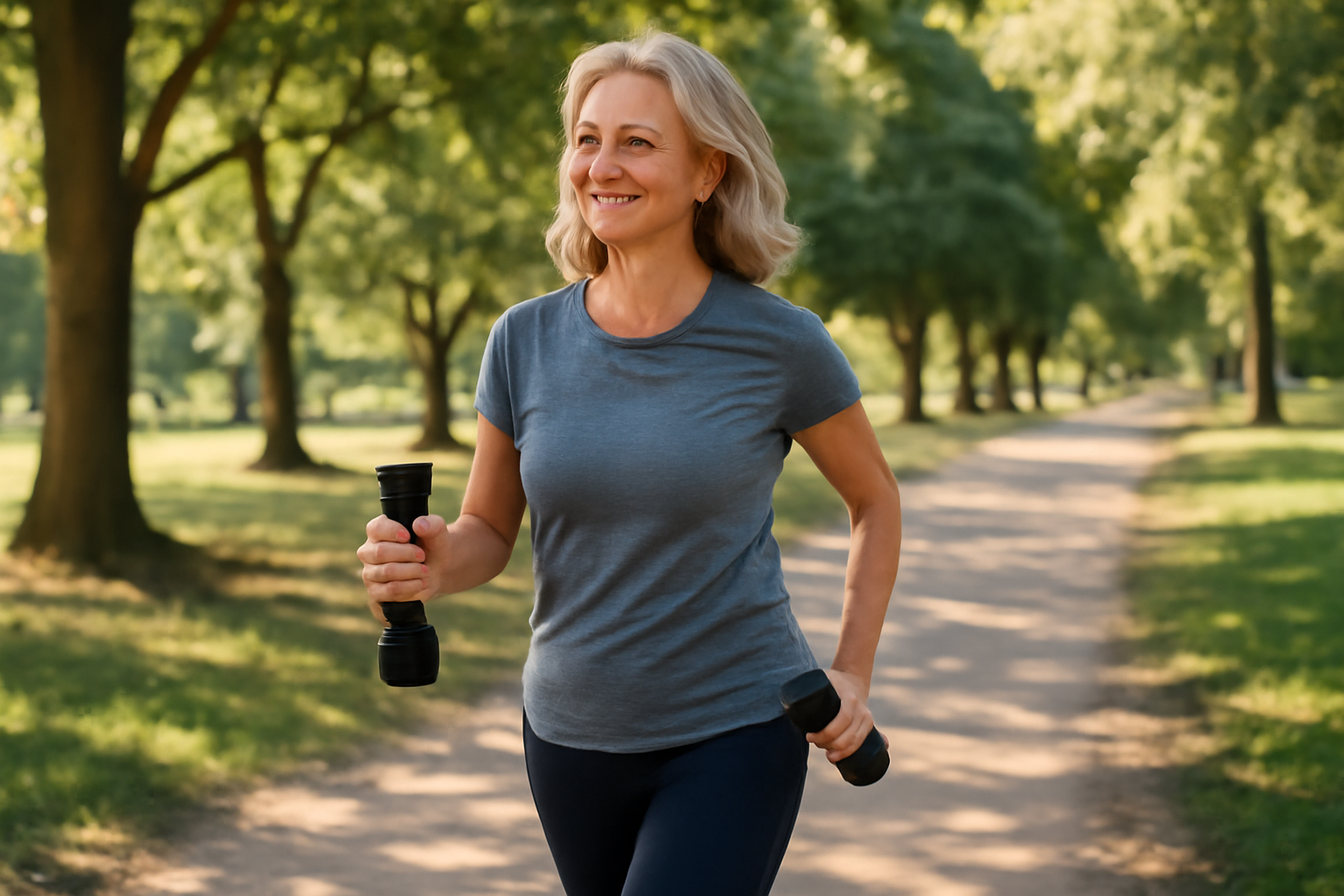
Your bones could be silently losing density right now — and most people don’t know until something breaks.
Margaret, 63, had always considered herself healthy. She walked regularly, ate reasonably well, and never missed her annual physical. Then, one afternoon, she slipped slightly while reaching for a grocery bag — and fractured her wrist. Her orthopedist ordered a bone density scan, and the results were sobering: she had significant osteoporosis that had been quietly developing for over a decade.
Margaret’s story is far from unusual. According to the National Osteoporosis Foundation, approximately 10 million Americans have osteoporosis, and another 44 million have low bone density — placing more than half of adults over age 50 at increased fracture risk. Yet many people treat bone health as an afterthought until something goes wrong.
This guide will walk you through what osteoporosis actually is, how to recognize early warning signs, what causes bone loss after 50, and — most importantly — what you can do right now to protect your skeletal health for years to come.
What Is Osteoporosis?
Osteoporosis is a skeletal disease characterized by decreased bone mass and deterioration of bone tissue, which leads to increased bone fragility and a higher risk of fractures. The word itself comes from the Greek for "porous bones" — and that’s exactly what happens: bones that were once dense and strong become riddled with tiny holes, like a sponge losing its structure.
Under healthy conditions, your body constantly remodels bone — breaking down old bone tissue (a process called resorption) and building new tissue to replace it. After the age of 30, bone formation gradually slows while resorption continues at its usual pace. This imbalance accelerates dramatically after menopause in women due to a steep drop in estrogen, which plays a critical protective role in bone maintenance.
The CDC and NIH both classify osteoporosis as a major public health concern. It affects an estimated 20% of women and 5% of men over age 50 in the United States. Osteoporotic fractures — particularly hip fractures — are associated with serious consequences: according to Johns Hopkins Medicine, up to 25% of older adults who suffer a hip fracture die within one year due to related complications.
The condition is often called a "silent disease" because bone loss occurs without pain or obvious symptoms — until a fracture happens. That’s what makes early prevention and screening so critical.
Signs and Symptoms of Osteoporosis
One of the most frustrating aspects of osteoporosis is that it typically produces no symptoms in its early stages. Most people feel completely normal while bone density is steadily declining. However, there are several clinical signs and physical changes that can signal the disease has progressed.
Early or subtle warning signs may include:
- Receding gums (bone loss in the jaw can be an early indicator)
- Weakened grip strength
- Brittle or breaking fingernails
- Muscle cramps or weakness
- A gradual reduction in height (losing more than 1.5 inches over time)
Signs that bone loss has become more significant:
- Stooped posture or a developing "dowager’s hump" (kyphosis — forward curvature of the upper spine)
- Back pain, often caused by a fractured or collapsed vertebra
- Fractures from minor falls or even everyday movements like bending or coughing
- Bones that break more easily than expected — especially wrists, hips, and spine
A landmark study published in the Journal of Bone and Mineral Research found that vertebral fractures — tiny collapses in the spinal bones — often go undiagnosed because they can occur without dramatic pain. This means many people are walking around with osteoporotic fractures they don’t even know about.
Red flag symptoms requiring prompt medical attention: sudden severe back pain, noticeable height loss of more than two inches, or a fracture from a low-impact event (like a fall from standing height) should all prompt an immediate call to your doctor.
Causes and Risk Factors
Bone density loss after 50 is influenced by a complex interaction of genetic, hormonal, lifestyle, and environmental factors. Understanding your personal risk profile is one of the most powerful tools you have for prevention.
Hormonal and biological factors:
- Menopause: The drop in estrogen following menopause is the single most significant driver of rapid bone loss in women. According to the NIH, women can lose up to 20% of their bone density in the five to seven years after menopause.
- Low testosterone in men: Men with hypogonadism (low testosterone) are at elevated osteoporosis risk.
- Thyroid and parathyroid disorders: Overactive thyroid (hyperthyroidism) and elevated parathyroid hormone both accelerate bone resorption.
Genetic risk factors:
- Family history of osteoporosis or hip fracture
- Small, thin body frame
- White or Asian ethnicity (higher statistical risk in the US, though all ethnicities are affected)
Lifestyle and environmental contributors:
- Low calcium and vitamin D intake throughout life
- Sedentary lifestyle and lack of weight-bearing exercise
- Heavy alcohol consumption (more than 2-3 drinks daily)
- Cigarette smoking (research suggests smoking reduces estrogen levels and bone formation)
- Long-term use of corticosteroid medications (prednisone, cortisone) — one of the most common drug-related causes of bone loss
- Eating disorders or other conditions causing nutritional deficiencies
According to the CDC, approximately 34% of women over 65 in the US fall each year, and falls are the leading cause of fracture-related mortality in older adults — making osteoporosis not just a bone disease but a major safety issue.
Diagnosis: What to Expect
If you or your doctor suspects osteoporosis — based on your age, risk factors, or a recent fracture — the primary diagnostic tool is a bone density scan called a DXA scan (dual-energy X-ray absorptiometry). This is a painless, low-radiation imaging test that measures bone mineral density (BMD), typically at the hip and lumbar spine.
Results are reported as a T-score:
- T-score of -1.0 or above: Normal bone density
- T-score between -1.0 and -2.5: Osteopenia (low bone mass — a precursor to osteoporosis)
- T-score of -2.5 or below: Osteoporosis
The U.S. Preventive Services Task Force (USPSTF) recommends bone density screening for all women aged 65 and older, and for younger postmenopausal women who have one or more risk factors. Men at increased risk (due to low testosterone, long-term steroid use, or prior fracture) should also discuss screening with their physician.
Your doctor may also order blood and urine tests to check calcium, vitamin D, thyroid function, and markers of bone turnover — proteins that indicate how fast your bone is breaking down and being rebuilt. A FRAX score (fracture risk assessment tool), developed by the World Health Organization, may be used to calculate your 10-year probability of a major osteoporotic fracture.
If you are over 50 and haven’t discussed bone health with your doctor, your next annual visit is the right time to bring it up.
Treatment Options for Osteoporosis
Treatment for osteoporosis is highly individualized and depends on your bone density measurements, fracture history, age, and overall health. Most physicians use a combination of conventional medications and targeted lifestyle changes to slow bone loss, strengthen existing bone, and reduce fracture risk.
FDA-approved medications for osteoporosis include:
- Bisphosphonates (such as alendronate, risedronate, and zoledronic acid): These are the most widely prescribed first-line treatments. They work by slowing bone resorption. Clinical evidence from multiple randomized controlled trials indicates bisphosphonates can reduce the risk of vertebral fractures by 40-70%.
- Denosumab (Prolia): A biologic injection given twice yearly that blocks the protein responsible for triggering bone-breaking cells. Recommended for postmenopausal women at high fracture risk.
- Anabolic agents (such as teriparatide or romosozumab): These newer medications actually stimulate new bone formation rather than just slowing breakdown — reserved for severe cases or those who haven’t responded to other treatments.
- Hormone therapy: Estrogen therapy can help preserve bone density in postmenopausal women, but its use must be carefully weighed against other health risks and discussed thoroughly with your doctor.
Lifestyle modifications that complement medical treatment:
- Calcium intake: The NIH recommends 1,200 mg of calcium daily for women over 50 and men over 70 — primarily from dietary sources like dairy, leafy greens, and fortified foods, with supplements used to fill any gaps.
- Vitamin D: Essential for calcium absorption. Most adults over 50 need 800-1,000 IU daily. Clinical evidence indicates that many Americans, especially those in northern climates or with limited sun exposure, are deficient.
- Weight-bearing exercise: Activities like walking, dancing, hiking, and strength training place stress on bones that signals them to maintain and build density. Research from the Mayo Clinic suggests that regular resistance training can measurably improve bone density in postmenopausal women.
- Fall prevention: Installing grab bars, improving home lighting, wearing supportive footwear, and addressing balance issues significantly reduce fracture risk.
Living With Osteoporosis — and Preventing Further Bone Loss
A diagnosis of osteoporosis is not a sentence to live in fear of every step you take. With the right combination of medical care, nutrition, and movement, most people can maintain a high quality of life and meaningfully reduce their fracture risk.
Daily habits that support bone health:
- Aim for at least 30 minutes of weight-bearing activity most days of the week
- Include balance training — yoga, tai chi, and Pilates are excellent options supported by clinical research for fall prevention
- Spread calcium intake across meals rather than taking it all at once, as the body absorbs it more efficiently in smaller amounts
- Limit sodium and excessive protein, which can increase urinary calcium loss
- Avoid heavy alcohol use and quit smoking if you currently smoke
- Review all medications with your doctor — some drugs beyond corticosteroids (including certain antidepressants, proton pump inhibitors, and seizure medications) are associated with bone loss
If you’re caring for an aging parent or loved one, bone health is equally important to monitor. For those interested in the gut-bone connection, emerging research suggests that intestinal health may influence calcium absorption and inflammation-related bone loss — a topic related to conditions like Leaky Gut Syndrome: Symptoms, Causes & Treatment, which can impair nutrient absorption over time.
For prevention in adults who don’t yet have osteoporosis: The principles are identical — prioritize calcium and vitamin D, exercise regularly, avoid smoking and excess alcohol, and get screened at the appropriate age. Building bone density in your 30s and 40s is the most powerful long-term investment you can make. However, clinical evidence indicates it is never too late to slow bone loss and improve outcomes.
When to Call Your Doctor or Seek Emergency Care
Knowing when your symptoms require urgent attention could literally save your life or prevent permanent disability.
Seek emergency care immediately if you experience:
- A sudden fall followed by inability to bear weight — suspect a hip fracture
- Severe, sudden-onset back pain (especially in the mid or lower back) that is different from any previous pain — could signal a vertebral compression fracture
- Deformity of a limb after a minor impact or fall
Call your doctor promptly if you notice:
- A measurable decrease in your height (more than 1-1.5 inches over time)
- Increasing curvature of the upper back
- A fracture from a low-energy event (coughing, minor stumble, or bending over)
- New or worsening chronic back pain without a clear cause
At your next routine visit, consider asking:
- "Am I due for a bone density scan based on my age and risk factors?"
- "Are any of my current medications affecting my bone health?"
- "What is my FRAX score, and what does it mean for my fracture risk?"
- "Should I be taking calcium and vitamin D supplements?"
Frequently Asked Questions About Osteoporosis After 50
1. Can osteoporosis be reversed?
Osteoporosis cannot be fully "reversed," but research suggests that with appropriate medical treatment and lifestyle changes, it is possible to slow bone loss significantly, stabilize bone density, and in some cases achieve modest improvements in bone mineral density. The goal of treatment is to prevent fractures and maintain quality of life — and clinical evidence shows this is very achievable with consistent care.
2. Is osteoporosis only a women’s disease?
No — while women are at significantly higher risk, men develop osteoporosis too. According to the NIH, approximately 2 million American men have osteoporosis, and another 12 million are at risk. Men are often undertreated because the condition is historically associated with women, making awareness especially important for men over 60.
3. How much calcium do I actually need after 50?
The NIH recommends 1,200 mg of calcium daily for women over 50 and men over 70. For men aged 50-70, the recommendation is 1,000 mg per day. It’s best to meet this through food first — dairy products, fortified plant milks, sardines with bones, and leafy greens like kale and bok choy are excellent sources — and use supplements only to fill the gap.
4. Does walking really help prevent osteoporosis?
Yes. Walking is a weight-bearing exercise, meaning it stimulates the bones in your legs, hips, and spine to maintain their density. Research suggests that regular walking, especially at a brisk pace, is associated with reduced hip fracture risk in older adults. However, combining walking with resistance training (using weights or resistance bands) appears to offer even greater benefit for bone health.
5. At what age should I start worrying about bone health?
Bone health is a lifelong concern, but prevention ideally starts in your 30s when peak bone mass is established. Adults in their 40s should be mindful of calcium and vitamin D intake and regular exercise. Formal screening conversations with your doctor should begin by age 50-60, and DXA scans are routinely recommended starting at age 65 for women and earlier for those with risk factors.
Your Bones Are Worth Protecting — Starting Today
Osteoporosis is one of the most common and most underestimated health threats facing adults over 50 in America. The encouraging truth is that it is also one of the most preventable and manageable — when you know what to look for and take proactive steps early.
Whether you’re in your 50s and looking to build your defenses, or you’ve already received a diagnosis and want to understand your options, the path forward involves the same core principles: consistent medical follow-up, adequate nutrition, smart movement, and honest conversations with your healthcare team.
Your skeleton has supported you every day of your life. With the right care, you can return the favor — and stay strong, mobile, and independent for decades to come.
This article is for informational and educational purposes only. It does not constitute medical advice, diagnosis, or treatment. Always consult your physician or a qualified healthcare provider before making changes to your health routine or treatment plan.
Medically reviewed by our editorial health team. Content follows evidence-based standards aligned with CDC and NIH guidelines.