Clinical research suggests this adaptogenic herb may help your body handle stress more efficiently — but here’s what the evidence actually shows.
Mark, 52, had been dragging himself through every afternoon for the better part of two years. His doctor had ruled out thyroid problems, anemia, and sleep apnea. His labs looked fine. But the persistent mental fog, low energy, and feeling of being constantly overwhelmed just wouldn’t quit. When his integrative medicine physician mentioned rhodiola rosea as part of a broader stress-management plan, he was skeptical — but willing to try.
Stories like Mark’s are increasingly common. According to the American Psychological Association’s 2025 Stress in America report, more than 75% of U.S. adults report physical or emotional symptoms of stress — and a growing number are asking their healthcare providers about natural, evidence-based options to support their resilience.
Rhodiola rosea has been used in traditional medicine across Scandinavia, Russia, and Central Asia for centuries. In recent decades, it has attracted serious scientific attention as a potential adaptogen — a class of botanicals that may help the body adapt to physical and psychological stress. In this guide, you’ll learn what rhodiola rosea is, what the clinical evidence says about its benefits, who may benefit most, and how to use it safely alongside conventional care.
What Is Rhodiola Rosea?
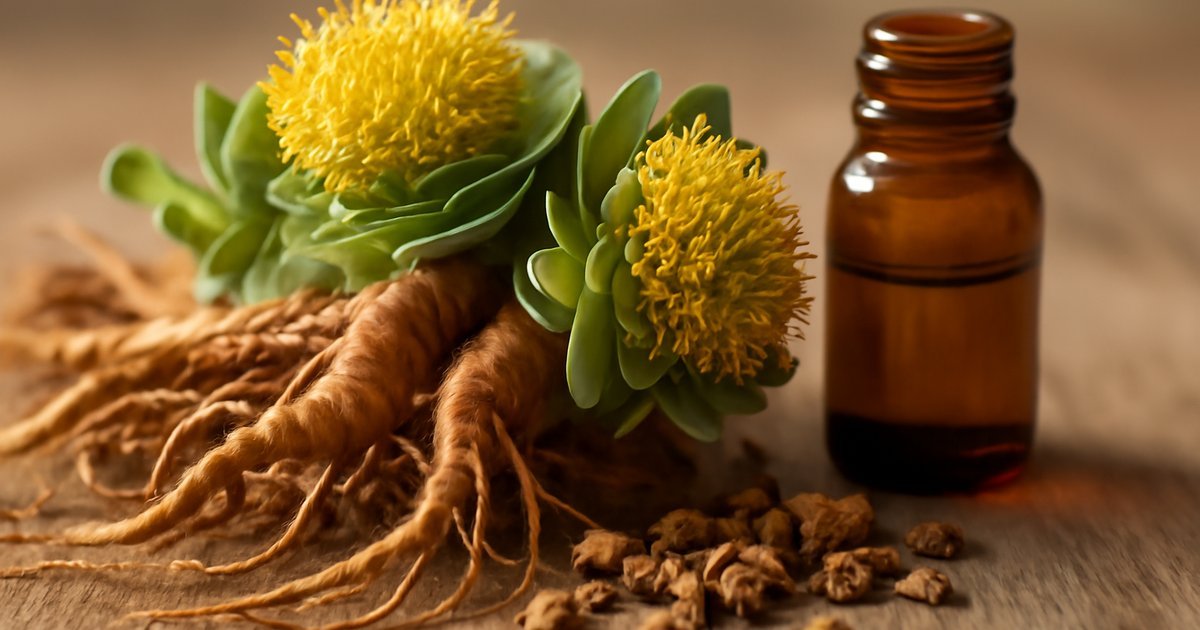
Rhodiola rosea (also known as golden root, arctic root, or king’s crown) is a flowering plant native to cold, mountainous regions of Europe and Asia. Its root has been used in traditional healing systems for generations — reportedly to enhance physical endurance, reduce fatigue, and improve mood under harsh environmental conditions.
Botanically, it belongs to the Crassulaceae family and grows at high altitudes, which is thought to be why it develops a particularly rich concentration of bioactive compounds as a survival mechanism.
From a pharmacological standpoint, rhodiola is classified as an adaptogen — a term coined by Soviet researchers in the 1940s to describe substances that help normalize the body’s response to stressors without causing significant side effects. Unlike stimulants, adaptogens are thought to work by modulating the hypothalamic-pituitary-adrenal (HPA) axis, which governs your body’s stress response system.
The primary active compounds in rhodiola root are rosavins (a group of phenylpropanoids unique to rhodiola) and salidroside (a phenolic glycoside also found in other plants). Most standardized rhodiola supplements are formulated to contain specific percentages of these compounds.
According to the NIH National Center for Complementary and Integrative Health, rhodiola rosea is one of the more rigorously studied adaptogens, with dozens of clinical trials examining its effects on fatigue, cognitive function, and stress resilience.
Signs You Might Benefit From Adaptogenic Support
Rhodiola isn’t a treatment for any specific medical condition, but clinical research suggests it may offer meaningful support for people experiencing certain patterns of chronic stress and fatigue. You may want to discuss adaptogenic herbs with your healthcare provider if you recognize several of the following:
- Persistent mental fatigue — difficulty concentrating or sustaining attention, even after adequate sleep
- Burnout-related exhaustion — feeling drained despite a full night’s rest
- Stress-induced performance decline — reduced productivity, motivation, or work capacity under pressure
- Mild mood changes — feeling emotionally flat, irritable, or mildly anxious without a clinical diagnosis
- Physical fatigue — reduced endurance or slower recovery from exercise
- Difficulty adapting to seasonal transitions, high-altitude travel, or shift work schedules
These experiences exist on a spectrum. This varies from person to person, and none of these symptoms should be dismissed or self-treated without a proper medical evaluation first. Thyroid dysfunction, anemia, depression, sleep disorders, and other treatable conditions can present with similar symptoms.
A 2020 systematic review published in the journal Phytomedicine identified fatigue and stress-related cognitive decline as the two areas with the strongest clinical signal for rhodiola’s potential benefits across 11 randomized controlled trials.
What Causes Burnout and Stress Fatigue — And Where Rhodiola May Help
To understand why rhodiola rosea is being studied so actively, it helps to understand what happens in your body during chronic stress.
When your brain perceives a threat — whether it’s a work deadline or an emotional crisis — it triggers your HPA axis to release cortisol, the primary stress hormone. In short bursts, cortisol is helpful: it sharpens focus, mobilizes energy, and suppresses inflammation temporarily.
The problem arises with chronic, low-grade stress. Sustained high cortisol disrupts sleep architecture, impairs memory consolidation, suppresses immune function, increases cardiovascular strain, and depletes serotonin and dopamine signaling — leaving you feeling mentally foggy, emotionally brittle, and physically exhausted.
Research suggests rhodiola may influence this system in several ways:
- HPA axis modulation: Preclinical and some clinical evidence indicates rhodiola may help regulate cortisol secretion under stress, potentially blunting excessive cortisol spikes.
- Monoamine neurotransmitter support: Salidroside appears to inhibit monoamine oxidase (MAO), the enzyme that breaks down serotonin, dopamine, and norepinephrine — neurotransmitters critical for mood and motivation.
- Mitochondrial energy production: Rosavins may enhance ATP synthesis efficiency in mitochondria, the energy-generating units of your cells.
- Anti-inflammatory signaling: Chronic stress drives inflammation; rhodiola compounds appear to modulate pro-inflammatory cytokines in animal and early human studies.
According to research supported by the Swedish Herbal Institute and replicated in European clinical trials, oral rhodiola extract demonstrably reduced self-reported burnout scores and fatigue indices compared to placebo in working-age adults — though effect sizes were modest and more large-scale trials are still needed.
What the Clinical Evidence Actually Shows
Let’s be clear: rhodiola rosea is not a cure for burnout, chronic fatigue syndrome, depression, or any clinical condition. But the body of research supporting its modest benefits for stress resilience and fatigue is more robust than for many other popular botanical supplements. Here’s an honest look:
For mental fatigue and cognitive performance: A well-cited randomized, double-blind, placebo-controlled trial (Shevtsov et al., published in Phytomedicine) found that rhodiola extract significantly improved cognitive performance and reduced mental fatigue in physicians working night shifts — a high-stress, sleep-deprived population with clear external validity. Effects were noted within a single dose period.
For burnout and work-related stress: A 2018 randomized clinical trial published in Neuropsychiatric Disease and Treatment followed 118 participants with life-stress symptoms. Those taking standardized rhodiola extract showed significant improvements in burnout, exhaustion, and quality of life scores compared to placebo over 12 weeks, with a favorable safety profile.
For physical endurance: Evidence here is more mixed. Some studies suggest rhodiola may modestly reduce perceived exertion and accelerate recovery after exercise, likely through mitochondrial and anti-inflammatory pathways. However, a 2013 study published in the Journal of Strength and Conditioning Research found no significant effect on endurance performance in trained athletes — suggesting benefit may be more pronounced in untrained or highly stressed individuals.
For mood and anxiety: Clinical evidence suggests rhodiola may offer mild antidepressant and anxiolytic (anxiety-reducing) effects, though it should never replace prescribed treatment for clinical depression or anxiety disorders. A pilot study by Darbinyan et al. found significant improvement in mild-to-moderate depression scores using a standardized rhodiola extract, but the study size was small.
The NIH Office of Dietary Supplements notes that while preliminary findings are encouraging, more large-scale, long-term randomized controlled trials are needed before definitive clinical recommendations can be made.
Safe Use, Dosing Considerations, and What to Tell Your Doctor
If you and your healthcare provider decide that rhodiola rosea is appropriate for your situation, here is what current clinical evidence and expert consensus generally support — without making specific dosage recommendations, which must come from your physician or pharmacist.
Standardization matters: Look for supplements standardized to contain 3% rosavins and 1% salidroside, which reflects the most commonly studied formulation in clinical trials. The FDA does not regulate supplements with the same rigor as prescription drugs, so third-party testing certification (NSF International, USP, ConsumerLab) is strongly recommended.
Timing consideration: Most clinical protocols administer rhodiola in the morning or early afternoon, as it may have mild stimulating properties that could interfere with sleep if taken late in the day.
Duration: Most trials have evaluated use over 4 to 12 weeks. Research on long-term use beyond 12 weeks remains limited.
Known interactions and contraindications to discuss with your doctor:
- Monoamine oxidase inhibitors (MAOIs) — potential additive effects on neurotransmitter levels
- Anticoagulants and antiplatelet drugs — theoretical interaction based on salidroside’s platelet effects
- Diabetes medications — salidroside may have mild glucose-lowering effects; monitor blood sugar
- Immunosuppressants — theoretical immune-modulating interactions
- Pregnancy and breastfeeding — insufficient safety data; generally not recommended
For individuals with bipolar disorder, rhodiola’s MAO-inhibiting properties theoretically raise the risk of manic episodes. Always disclose all supplements to your prescribing physician.
If you’re already managing thyroid health or other chronic conditions, you may find it helpful to read our overview on Turmeric and Curcumin for Inflammation and Natural Wellness and our guide on Metabolic Syndrome in Men, which discusses lifestyle strategies that overlap with adaptogenic care.
Living Well: Integrating Rhodiola Into a Broader Wellness Plan
Rhodiola rosea is best understood as one potential tool within a comprehensive stress-management strategy — not a standalone solution. Clinical evidence consistently shows that lifestyle interventions remain the most powerful modifiers of chronic stress and fatigue.
Research supports combining any adaptogenic supplement with:
- Sleep optimization: The CDC recommends 7-9 hours of quality sleep for adults. Chronic sleep deprivation independently elevates cortisol, undermining any supplement benefit.
- Regular aerobic exercise: The American Heart Association recommends at least 150 minutes of moderate-intensity activity per week. Exercise is among the most evidence-backed interventions for mood, cognitive function, and HPA axis regulation.
- Mindfulness-based stress reduction (MBSR): Harvard Health and the NIH both cite MBSR as an evidence-supported intervention for cortisol regulation and burnout recovery.
- Anti-inflammatory nutrition: A Mediterranean-style diet rich in omega-3 fatty acids, colorful vegetables, and whole grains supports neurotransmitter production and reduces systemic inflammation.
- Social connection and boundary-setting: Behavioral and relational factors are powerful modulators of the chronic stress response — often underestimated relative to supplementation.
You might also find value in exploring our article on Lion’s Mane Mushroom for Brain Health and Cognitive Support for additional context on evidence-based botanical nootropics.
When to Call Your Doctor — And What Not to Self-Treat
Certain symptoms that overlap with stress and fatigue require urgent medical evaluation. Do not self-treat with rhodiola or any supplement if you experience:
- Persistent exhaustion lasting more than 6 weeks without a known cause — this warrants thyroid, CBC, and metabolic panel workup
- Significant unintentional weight changes (loss or gain) alongside fatigue
- Depressive symptoms — persistent sadness, hopelessness, loss of interest in activities, or thoughts of self-harm
- Heart palpitations, chest tightness, or shortness of breath with exertion or at rest
- Cognitive changes that are sudden or progressive — memory lapses, word-finding difficulty, confusion
- Insomnia that does not improve with sleep hygiene measures after 2-3 weeks
These are potential red flags for underlying medical conditions — from cardiovascular disease to endocrine disorders to clinical depression — that require proper diagnosis and treatment, not supplement substitution.
At your next wellness visit, consider discussing: your current stress load, sleep quality, any supplements you’re taking, and whether fatigue testing (TSH, ferritin, vitamin B12, vitamin D, CBC, metabolic panel) would be appropriate for your age and risk profile.
Frequently Asked Questions About Rhodiola Rosea
Is rhodiola rosea safe for long-term use?
Current clinical trials have evaluated rhodiola primarily over 4 to 12-week periods, with a generally favorable safety profile in healthy adults. Long-term safety data beyond three months is limited. Most integrative medicine practitioners recommend periodic breaks and ongoing monitoring, especially in individuals on other medications. Always discuss duration of use with your healthcare provider.
Can rhodiola rosea help with anxiety?
Some clinical evidence suggests rhodiola may offer mild anxiolytic effects, likely through its influence on serotonin and dopamine pathways. However, it is not a substitute for clinically validated treatments for anxiety disorders, including cognitive behavioral therapy (CBT), SSRIs, or SNRIs. If your anxiety is significantly impacting daily function, speak with a mental health professional.
How quickly does rhodiola rosea work?
Some studies have observed acute effects on cognitive fatigue within a single dose. For stress resilience and burnout-related fatigue, most trials report meaningful changes after 2 to 4 weeks of consistent use. Individual responses vary considerably based on stress load, baseline health, and supplement quality.
Is rhodiola rosea the same as ashwagandha?
No — while both are classified as adaptogens, they are botanically distinct plants with different bioactive compounds and somewhat different mechanisms of action. Ashwagandha (Withania somnifera) is associated more strongly with cortisol reduction and nighttime relaxation, while rhodiola rosea tends to have mild energizing and cognitive-sharpening effects. Some practitioners use them together, but combining supplements should always be done under professional guidance.
Can I take rhodiola rosea with my prescription medications?
Possibly — but this requires a conversation with your prescribing physician or pharmacist. Rhodiola has theoretical interactions with MAOIs, anticoagulants, blood sugar medications, and immunosuppressants. Never add any supplement to your regimen without disclosing it to your healthcare team.
The Bottom Line on Rhodiola Rosea
Rhodiola rosea stands out among botanical supplements for one key reason: there is a legitimate, peer-reviewed body of evidence supporting its use for stress-related fatigue and cognitive performance — even if that evidence is still growing and the effect sizes are modest.
It is not a miracle herb, and it won’t replace the fundamentals of good health: consistent sleep, regular exercise, balanced nutrition, and professional medical care when needed. But for adults navigating the demands of high-stress modern life, rhodiola may offer meaningful support as part of a thoughtful, physician-guided wellness plan.
Talk to your doctor before starting any new supplement, share your full medication list, and set realistic expectations. The most sustainable path to energy, resilience, and mental clarity is always a comprehensive one.
Medical Disclaimer: This article is for informational and educational purposes only. It does not constitute medical advice, diagnosis, or treatment. Always consult your physician or a qualified healthcare provider before making changes to your health routine or treatment plan.
Medically reviewed by our editorial health team. Content follows evidence-based standards aligned with CDC and NIH guidelines.