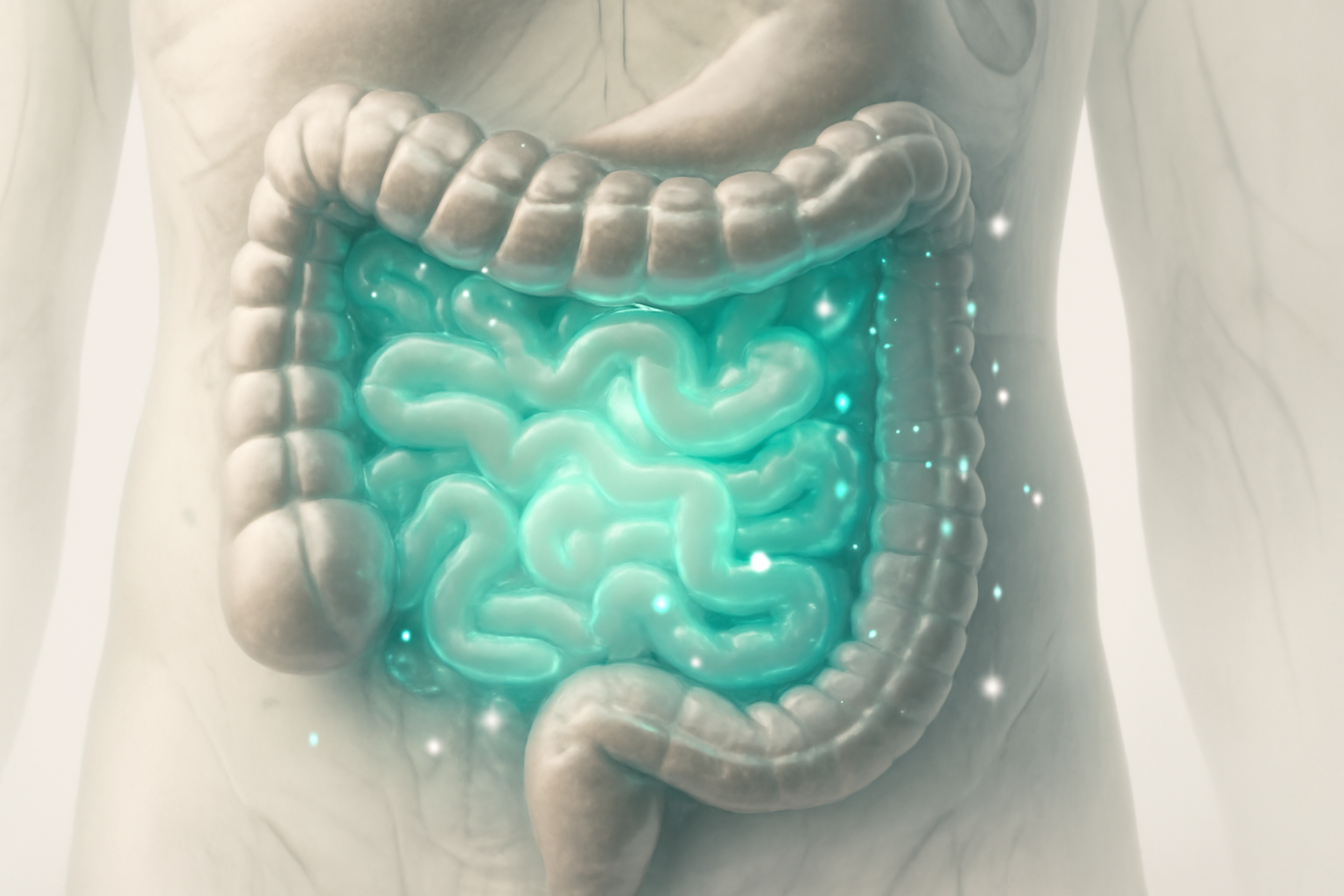
Irritable bowel syndrome affects millions of Americans silently — but understanding it can change everything about how you manage it.
Meet David, a 44-year-old teacher from Ohio. For years, he battled unpredictable stomach cramps, urgent bathroom trips that disrupted his workday, and bloating so severe it made him avoid social dinners. His doctor ran test after test, and everything came back normal. It wasn’t until he was diagnosed with irritable bowel syndrome (IBS) that he finally had a name — and a path forward.
According to the American College of Gastroenterology, IBS affects between 10% and 15% of adults in the United States, making it one of the most common gastrointestinal disorders diagnosed today. Yet despite how prevalent it is, many people spend years without answers, misattributing their symptoms to stress or diet without ever receiving proper care.
This guide will walk you through everything you need to know about IBS — from what’s actually happening in your gut, to how it’s diagnosed, treated, and managed for long-term relief. If you’ve been struggling with unexplained digestive symptoms, this is the place to start.
What Is Irritable Bowel Syndrome?
Irritable bowel syndrome is a chronic functional gastrointestinal disorder — meaning it affects how your gut works, even though it doesn’t cause visible structural damage or inflammation the way conditions like Crohn’s disease or ulcerative colitis do.
Think of IBS as a miscommunication between your brain and your digestive system. The gut-brain axis — the two-way communication network linking your central nervous system to your enteric nervous system (the nervous system embedded in your gut) — becomes dysregulated, leading to abnormal gut motility (the muscle contractions that move food through your intestines) and heightened pain sensitivity.
The National Institute of Diabetes and Digestive and Kidney Diseases (NIDDK), part of the NIH, estimates that IBS affects roughly 25 to 45 million people in the US. Women are diagnosed with IBS at approximately twice the rate of men, and symptoms most commonly appear before age 50, though the condition can develop at any age.
IBS is typically classified into three main subtypes based on your predominant bowel pattern:
- IBS-C (constipation-predominant): Hard or lumpy stools more than 25% of the time
- IBS-D (diarrhea-predominant): Loose or watery stools more than 25% of the time
- IBS-M (mixed): A combination of both constipation and diarrhea
Understanding your subtype is important because treatment strategies differ significantly between them.
Signs and Symptoms of IBS
The hallmark of IBS is recurrent abdominal pain that is linked to changes in bowel habits. But the symptom picture can be surprisingly varied from one person to the next — and from one day to the next.
Common early or mild symptoms include:
- Abdominal cramping or pain, often relieved after a bowel movement
- Bloating and a sense of fullness or distension
- Excess gas or flatulence
- Mucus in the stool
- Alternating periods of constipation and diarrhea
- Urgency — feeling like you need to go immediately
More disruptive or advanced symptoms may include:
- Severe abdominal pain that interferes with daily activities
- Chronic diarrhea that leads to anxiety about leaving home
- Incomplete evacuation — the feeling that you haven’t fully emptied your bowels
- Fatigue and disrupted sleep linked to gut discomfort
- Food avoidance and disordered eating behaviors stemming from symptom fear
A 2021 meta-analysis published in the journal Gut found that IBS significantly impairs quality of life across multiple domains, including work productivity, social functioning, and mental health. This underscores the importance of taking your symptoms seriously rather than dismissing them as "just stress."
Symptoms that are NOT typical of IBS and require immediate evaluation include:
- Blood in the stool or rectal bleeding
- Unintentional weight loss
- Fever alongside digestive symptoms
- Symptoms that wake you from sleep
- New symptoms appearing after age 50
These are considered red flag symptoms and should never be attributed to IBS without thorough medical investigation.
Causes and Risk Factors
IBS doesn’t have a single identifiable cause — it’s considered multifactorial, meaning several biological, psychological, and environmental factors work together to trigger and sustain it.
Key contributing factors include:
Gut microbiome imbalance: Research published by the NIH has increasingly pointed to dysbiosis — an imbalance in the community of bacteria living in your gut — as a significant driver of IBS symptoms. People with IBS often show reduced microbial diversity compared to those without the condition.
Post-infectious IBS: Approximately 10% of IBS cases are believed to develop after a gastrointestinal infection such as food poisoning or viral gastroenteritis. This is known as post-infectious IBS (PI-IBS), and it highlights the role of intestinal inflammation and nerve damage in triggering the condition.
Gut-brain axis dysfunction: Stress, anxiety, and depression don’t just feel bad — they directly alter gut motility and pain perception. The CDC has noted that mental health conditions are highly comorbid with IBS, meaning they frequently occur together.
Dietary triggers: Certain foods — particularly those high in fermentable carbohydrates known as FODMAPs (fermentable oligosaccharides, disaccharides, monosaccharides, and polyols) — are known to worsen symptoms in many IBS patients.
Hormonal fluctuations: The higher prevalence of IBS in women has led researchers to investigate the role of estrogen and progesterone in gut function. Many women report that their IBS symptoms fluctuate with their menstrual cycle. If you’re navigating hormonal changes alongside gut symptoms, you may find it helpful to read about perimenopause symptoms, causes, and what actually helps.
Risk factors that increase your likelihood of IBS:
- Family history of IBS or other functional GI disorders
- History of anxiety, depression, or trauma (including childhood adversity)
- Previous gastrointestinal infection
- Female sex assigned at birth
- Age under 50 (though it occurs at all ages)
- High-stress lifestyle or occupation
Diagnosis: What to Expect
One of the most frustrating aspects of IBS for patients is that there is no single definitive test for it. Diagnosis is clinical — meaning your doctor will make the determination based on your symptom history, physical examination, and by ruling out other conditions.
Most gastroenterologists use the Rome IV criteria, an internationally recognized diagnostic framework. To meet the criteria for IBS, you must have had recurrent abdominal pain at least one day per week over the last three months, associated with at least two of the following: a change in stool frequency, a change in stool form or appearance, or pain that is related to defecation (bowel movements).
Tests your doctor may order to rule out other conditions:
- Complete blood count (CBC) to check for anemia or infection
- C-reactive protein (CRP) or erythrocyte sedimentation rate (ESR) to screen for inflammation
- Celiac disease antibody panel (IBS and celiac can mimic each other)
- Thyroid function tests
- Stool tests for infections, parasites, or blood
- Colonoscopy — especially if you’re over 45 or have red flag symptoms
According to the American College of Gastroenterology’s clinical guidelines, routine colonoscopy is not required for IBS diagnosis in patients under 45 without alarm features. However, it becomes essential when other causes must be excluded.
When you see your doctor, keep a symptom diary beforehand. Note when your symptoms occur, what you ate, your stress levels, and how your bowel habits changed. This information significantly helps clinicians make an accurate diagnosis.
Treatment Options for IBS
The good news: IBS is highly manageable. Treatment is individualized based on your predominant symptoms and severity, and most people achieve meaningful relief with a combination of approaches.
Dietary interventions:
The low-FODMAP diet is currently the most evidence-supported dietary strategy for IBS. Developed by researchers at Monash University and validated by numerous clinical trials, this diet eliminates high-FODMAP foods (such as wheat, certain fruits, legumes, and dairy) for 4-6 weeks, then systematically reintroduces them to identify personal triggers.
Research indicates that 50-80% of IBS patients experience significant symptom improvement on the low-FODMAP diet. It’s best undertaken with the guidance of a registered dietitian familiar with IBS.
Medications commonly used in IBS:
- Antispasmodics (such as hyoscyamine or dicyclomine): Help reduce intestinal cramping
- Laxatives (such as polyethylene glycol): Used for IBS-C to promote regular bowel movements
- Antidiarrheals (such as loperamide): Used for IBS-D to reduce urgency and frequency
- Low-dose tricyclic antidepressants: Clinical evidence indicates these medications reduce gut pain sensitivity even at doses lower than those used for depression
- SSRIs: May be helpful for IBS patients with comorbid anxiety or depression
- Rifaximin: An antibiotic approved by the FDA for IBS-D, particularly in cases linked to small intestinal bacterial overgrowth (SIBO)
- Linaclotide and plecanatide: FDA-approved prescription medications specifically for IBS-C
Always work with your gastroenterologist to determine which medications, if any, are appropriate for your specific situation. Dosages and drug interactions vary significantly from person to person.
Mind-body therapies:
Given the central role of the gut-brain axis in IBS, psychological interventions have demonstrated impressive results in clinical trials. Cognitive behavioral therapy (CBT) adapted for IBS and gut-directed hypnotherapy have both been shown in NIH-supported research to reduce symptom severity and improve quality of life — sometimes as effectively as medication.
Probiotics:
Research on probiotics for IBS is evolving. Some strains — particularly Bifidobacterium infantis and certain Lactobacillus strains — have shown promise in reducing bloating and pain. However, clinical evidence suggests that not all probiotics are equal, and results vary considerably between individuals. Talk to your doctor before starting a probiotic regimen. For more context on gut health supplements, see our guide on leaky gut syndrome: symptoms, causes, and treatment.
Living With IBS: Daily Management and Prevention
Managing IBS is an ongoing process rather than a one-time fix. Building sustainable habits is more effective than any single intervention.
Practical daily strategies:
- Eat smaller, more frequent meals rather than large ones, which can overstimulate the bowel
- Chew slowly and mindfully — eating too fast introduces excess air into the digestive system, worsening bloating and gas
- Stay well hydrated — aim for at least 8 cups of water daily, especially if you have IBS-C
- Limit known trigger foods — alcohol, caffeine, fatty foods, and artificial sweeteners are common culprits
- Exercise regularly — a 2023 review in the American Journal of Gastroenterology found that regular aerobic exercise significantly improved IBS symptoms by improving gut motility and reducing stress hormones
- Establish a regular bathroom routine — responding to your body’s natural urge to defecate without delay helps train regular bowel function
Stress management is non-negotiable:
Because the gut and brain are so tightly connected, chronic stress is one of the most powerful triggers for IBS flares. Practices such as diaphragmatic breathing, mindfulness meditation, yoga, and adequate sleep have all been shown to reduce IBS symptom frequency. The NIH’s National Center for Complementary and Integrative Health acknowledges these approaches as valuable complements to conventional IBS care.
Research also suggests that magnesium supplementation may support both stress regulation and bowel regularity in some individuals. You can learn more in our detailed article on magnesium benefits for sleep, stress relief, and overall health.
When to Call Your Doctor or Seek Emergency Care
While IBS is not life-threatening, certain symptoms require prompt medical attention because they may signal a more serious underlying condition.
Call your doctor soon if you experience:
- A sudden significant change in your usual IBS symptoms
- Increasing frequency or severity of abdominal pain not relieved by bowel movements
- New symptoms after age 50
- Significant changes in stool color or consistency that are new and persistent
- Symptoms interfering severely with work or daily life despite current management
Go to the emergency room immediately if you experience:
- Blood in your stool or rectal bleeding
- Severe, sudden abdominal pain unlike anything you’ve felt before
- High fever alongside abdominal symptoms
- Significant unintentional weight loss (more than 10 pounds unexplained)
- Persistent vomiting that prevents you from keeping food or fluids down
These symptoms could indicate inflammatory bowel disease, colorectal cancer, appendicitis, or other conditions that require urgent evaluation. IBS does not cause bleeding, fever, or weight loss — if you’re experiencing these, something else needs to be investigated.
What to tell your doctor at your next visit: Bring a symptom diary, note any dietary patterns, medications (including supplements), and life stressors. The more detailed information you provide, the more effectively your care team can tailor your treatment.
Frequently Asked Questions About IBS
Is IBS a lifelong condition?
IBS is generally considered a chronic condition, but the course varies widely. Some people experience symptoms for years, while others have periods of complete remission. With proper management — including diet, stress reduction, and appropriate medical treatment — many people achieve long-term symptom control and an excellent quality of life. This varies from person to person.
Can IBS turn into Crohn’s disease or colorectal cancer?
No. IBS does not cause structural damage to the intestines and does not increase your risk of developing inflammatory bowel disease or colorectal cancer. However, these conditions can sometimes be confused with IBS, which is why proper diagnosis is critical.
Is IBS related to food intolerance or allergies?
Not exactly. IBS is not an immune-mediated food allergy. However, certain foods trigger symptoms in many IBS patients, particularly high-FODMAP foods. This is more accurately described as food sensitivity rather than allergy. Celiac disease — a true immune reaction to gluten — should always be ruled out before assuming gluten sensitivity is IBS-related.
Can stress alone cause IBS?
Stress doesn’t cause IBS on its own, but research strongly suggests it plays a significant role in triggering and worsening symptoms. The gut-brain connection means that psychological and emotional states directly influence gut function. Addressing stress is therefore an important component of any IBS management plan.
Are there specific tests to confirm IBS?
There is currently no single biomarker test that definitively confirms IBS. Diagnosis is based on clinical criteria (Rome IV) after excluding other conditions. However, research is ongoing — the FDA has acknowledged several emerging blood-based and microbiome-based diagnostic tools that may become available in coming years.
Conclusion
Living with IBS can feel isolating and frustrating — especially when your tests come back normal and others can’t see what you’re going through. But IBS is real, common, and increasingly well understood. Millions of Americans are managing it successfully every day.
The most important step you can take is to stop dismissing your symptoms and start working with a qualified gastroenterologist or primary care physician who takes functional gut disorders seriously. Whether your path to relief involves dietary changes, medication, therapy, or a combination of approaches, effective options exist.
You don’t have to build your life around your bathroom schedule. With the right support, knowledge, and treatment plan, meaningful improvement is genuinely within reach.
This article is for informational and educational purposes only. It does not constitute medical advice, diagnosis, or treatment. Always consult your physician or a qualified healthcare provider before making changes to your health routine or treatment plan.
Medically reviewed by our editorial health team. Content follows evidence-based standards aligned with CDC and NIH guidelines.