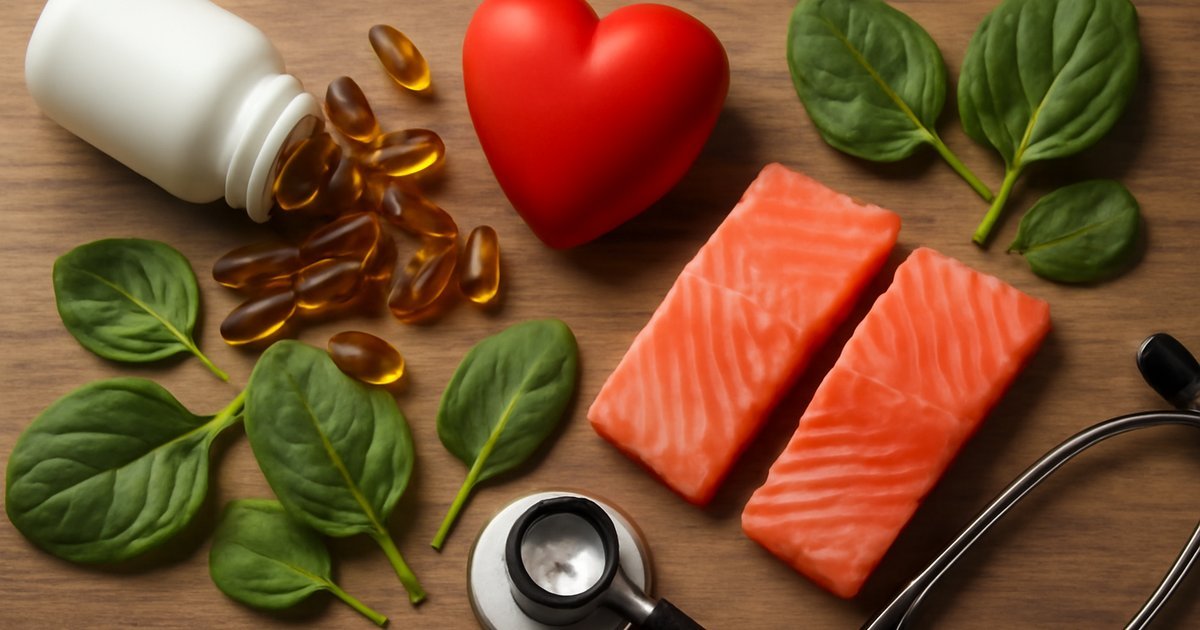
Tag: healthy aging

  • CoQ10 Benefits: Energy, Heart Health & Aging

    CoQ10 Benefits: Energy, Heart Health & Aging

    CoQ10 Benefits: Energy, Heart Health & Aging

    A coenzyme your cells depend on — and why levels drop as you age.

    Mark, 54, had been feeling inexplicably tired for months. His labs were normal, his sleep was decent, and his diet was reasonably healthy. When he mentioned it to his cardiologist during a routine follow-up for mild hypertension, the doctor asked a straightforward question: "Are you taking a statin?" Mark was. His cardiologist explained that statins — among the most widely prescribed medications in the United States — can reduce levels of a critical molecule in the body called coenzyme Q10, or CoQ10. Within a few weeks of supplementing under medical supervision, Mark noticed a meaningful difference in his energy levels.

    Stories like Mark's are more common than many people realize. According to the NIH Office of Dietary Supplements, CoQ10 is one of the most studied compounds in the field of mitochondrial health and cardiovascular function. Yet millions of Americans who might benefit from understanding it have never heard the term. In this guide, you'll learn what CoQ10 is, what the clinical evidence actually says about its benefits, who may need more of it, and how to have an informed conversation with your doctor about whether it belongs in your wellness routine.

    What Is CoQ10?

    Coenzyme Q10 is a fat-soluble, vitamin-like compound found naturally in virtually every cell of your body. Its primary role is to help your mitochondria — the energy-producing structures inside cells — convert food into adenosine triphosphate (ATP), the molecule your body uses as fuel for nearly every biological process.

    Think of CoQ10 as a critical component in your cells' energy assembly line. Without adequate CoQ10, the mitochondrial machinery slows down, and cells — especially those with high energy demands, like heart muscle cells, neurons, and skeletal muscle fibers — begin to function less efficiently.

    CoQ10 also plays a second, equally important role as a powerful antioxidant. It neutralizes free radicals — unstable molecules that damage cell membranes, DNA, and proteins — and helps regenerate other antioxidants like vitamin E. This dual function makes it uniquely relevant to aging, cardiovascular disease, neurological health, and metabolic conditions.

    The compound exists in two primary forms: ubiquinol (the active, reduced form) and ubiquinone (the oxidized form that must be converted by the body). Both are available as supplements, and research suggests that ubiquinol may be more readily absorbed, particularly in older adults.

    According to data published in the journal Nutrients, CoQ10 concentrations in the heart decline by approximately 72% between young adulthood and age 80 — a statistic that helps explain why cardiovascular function and physical energy often diminish with aging, independent of disease.

    Signs You May Have Low CoQ10 Levels

    Your body produces CoQ10 naturally, but production begins declining around age 30 and continues falling throughout life. Certain health conditions and medications can accelerate this decline significantly.

    Early and general signs of low CoQ10 may include:

    • Persistent fatigue despite adequate sleep and nutrition
    • Muscle weakness or soreness not explained by exercise
    • Brain fog or difficulty concentrating
    • Exercise intolerance — feeling unusually winded during normal activity
    • Frequent headaches or migraines
    • Generalized weakness or low physical stamina

    Populations at higher risk for CoQ10 deficiency include:

    • Adults over 50, due to natural decline in biosynthesis
    • People taking statin medications (HMG-CoA reductase inhibitors), which block the same pathway used to make CoQ10
    • Individuals with heart failure, diabetes, or cancer
    • People with mitochondrial disorders
    • Those with nutritional deficiencies or malabsorption conditions

    It's important to note that these symptoms overlap with many other conditions. Low CoQ10 is not the only possible explanation for fatigue or muscle weakness. A proper medical evaluation is essential before attributing symptoms to any single cause. This varies from person to person, and no symptom checklist can replace a clinical assessment.

    Causes and Risk Factors for CoQ10 Decline

    Understanding why CoQ10 levels drop helps clarify who is most likely to benefit from supplementation — and why some people may need more than others.

    Age-related decline is the most universal factor. CoQ10 biosynthesis requires a complex, multi-step process involving several vitamins and enzymes. As we age, this process becomes less efficient. The decline is especially pronounced in tissues with high energy demands, including the heart and brain.

    Statin medications represent one of the most clinically significant drivers of CoQ10 depletion. Statins work by inhibiting an enzyme called HMG-CoA reductase, which regulates cholesterol production — but this same enzyme is also involved in CoQ10 synthesis. A 2015 meta-analysis published in the Journal of the American College of Cardiology confirmed that statin use is associated with significantly reduced plasma CoQ10 levels. The CDC estimates that approximately 93 million American adults take prescription cholesterol-lowering medications, making this a widespread clinical concern.

    Chronic diseases such as heart failure, type 2 diabetes, Parkinson's disease, and cancer have all been associated with lower CoQ10 levels in research studies. Whether low CoQ10 contributes to these conditions or results from them — or both — is still being studied.

    Dietary factors also matter. CoQ10 is found in food sources including organ meats (heart, liver, kidney), fatty fish (sardines, mackerel, salmon), beef, pork, and some plant foods (spinach, broccoli, cauliflower, peanuts). However, dietary intake alone is generally insufficient to compensate for age-related decline or medication-induced depletion. A typical diet provides roughly 3–6 mg of CoQ10 daily, while therapeutic supplemental doses studied in clinical trials range considerably higher — always under a physician's guidance.

    Diagnosis: How CoQ10 Levels Are Assessed

    There is no standard, universally adopted screening test for CoQ10 deficiency in routine clinical practice. However, plasma CoQ10 levels can be measured through specialized blood tests, and some integrative medicine physicians and cardiologists order them in specific clinical contexts.

    If you're experiencing unexplained fatigue, muscle symptoms on statin therapy, or managing heart failure, it's worth discussing CoQ10 testing with your provider. Be prepared to share your full medication list, any supplements you currently take, and a clear description of your symptoms.

    Your doctor may also evaluate thyroid function, iron levels, B12, vitamin D, and other markers before considering CoQ10 as a contributing factor — since these deficiencies can produce similar symptoms. Learn more about thyroid health after 50, as low thyroid function is one of the most commonly overlooked causes of fatigue in adults.

    In cases of suspected mitochondrial disease — a group of rare inherited disorders affecting cellular energy production — more specialized testing by a neurologist or metabolic specialist may be appropriate.

    CoQ10 Benefits: What the Evidence Says

    CoQ10 is one of the most well-researched supplements in cardiovascular and mitochondrial medicine. Clinical evidence indicates meaningful benefits in several areas, though research quality varies by condition.

    Heart Failure and Cardiovascular Health

    The most robust clinical evidence for CoQ10 supplementation comes from cardiovascular research. The landmark Q-SYMBIO trial, a randomized controlled trial published in JACC Heart Failure in 2014, followed 420 patients with moderate-to-severe heart failure over two years. Participants supplementing with CoQ10 showed a significantly lower rate of major adverse cardiovascular events and reduced cardiovascular mortality compared to placebo.

    The American Heart Association recognizes CoQ10 as having preliminary evidence supporting its role in heart failure management, though it emphasizes that it should be used as a complement to — not a replacement for — standard medical therapy.

    Research also suggests CoQ10 may help reduce blood pressure. A 2007 meta-analysis of 12 clinical trials published in the Journal of Human Hypertension found that CoQ10 supplementation was associated with meaningful reductions in both systolic and diastolic blood pressure without significant side effects. If you're managing cardiovascular risk factors, you may also want to read about cardiovascular health during and after menopause.

    Statin-Associated Muscle Symptoms

    Muscle pain, weakness, and cramping — collectively called statin myopathy — affect an estimated 5 to 20% of statin users, according to the American College of Cardiology. Because statins deplete CoQ10, researchers have explored whether supplementation might reduce these side effects.

    Results have been mixed. Some trials show a reduction in muscle pain with CoQ10 supplementation; others show no significant benefit compared to placebo. Clinical evidence indicates that the benefit may vary depending on individual genetic factors, statin type, and dose. Nonetheless, many cardiologists and internists recommend CoQ10 as a reasonable, low-risk option for patients experiencing statin-related muscle complaints.

    Energy, Exercise Performance, and Aging

    Several smaller studies suggest that CoQ10 supplementation may reduce perceived fatigue and improve physical performance, particularly in older adults and in people with chronic fatigue-related conditions. A 2014 study published in Nutrition found that CoQ10 plus selenium supplementation over four years was associated with significantly lower cardiovascular mortality in healthy elderly participants — suggesting a role in healthy aging beyond cardiovascular disease.

    Research also suggests CoQ10 may support mitochondrial function in aging muscle tissue, potentially complementing strategies for preventing age-related muscle loss, sometimes called sarcopenia.

    Migraine Prevention

    Clinical evidence indicates that CoQ10 may reduce migraine frequency. A randomized trial published in Neurology found that CoQ10 supplementation was significantly more effective than placebo in reducing the number of migraine days per month. The American Academy of Neurology includes CoQ10 among nutritional supplements with evidence supporting migraine prevention, though it notes that evidence strength varies.

    Blood Sugar and Metabolic Health

    Emerging research suggests CoQ10 may support insulin sensitivity and reduce oxidative stress in people with type 2 diabetes, though this area requires more large-scale clinical trials before strong recommendations can be made. If diabetes is part of your health picture, this guide on type 2 diabetes management provides useful context for complementary wellness strategies.

    Living With Low CoQ10: Practical Wellness Strategies

    Whether you're using CoQ10 supplements or simply looking to support your body's natural production, there are several evidence-informed approaches worth discussing with your healthcare provider.

    Dietary sources: Prioritize CoQ10-rich foods like wild-caught salmon, sardines, grass-fed beef, and organ meats if your diet allows. Colorful vegetables like spinach and broccoli provide smaller amounts. A balanced, whole-food diet also provides the B vitamins and trace minerals that support CoQ10 biosynthesis.

    Supplement form matters: Research suggests that ubiquinol — the active form — may be better absorbed than ubiquinone, especially in adults over 50. Fat-soluble supplements like CoQ10 are best taken with a meal that contains some dietary fat to enhance absorption.

    Timing and consistency: CoQ10 levels build gradually in the body. Most clinical trials showing benefit used supplementation periods of at least 8–12 weeks. Consistency matters more than timing within the day.

    Lifestyle factors that support mitochondrial health:

    • Regular aerobic exercise (150 minutes of moderate-intensity activity per week, per CDC guidelines)
    • Adequate sleep — mitochondrial repair is heavily sleep-dependent
    • Stress management, since chronic cortisol elevation increases oxidative stress and can deplete antioxidant reserves
    • Limiting alcohol consumption and avoiding smoking, both of which increase oxidative damage

    You may also benefit from reviewing other evidence-based supplements that work alongside CoQ10. Magnesium glycinate, for example, plays a complementary role in mitochondrial energy production and nervous system health.

    When to Call Your Doctor: Red Flags and Key Conversations

    CoQ10 supplementation is generally considered safe and well-tolerated, but that doesn't mean it's appropriate for everyone without medical guidance. There are important situations where professional input is essential.

    Seek prompt medical attention if you experience:

    • Severe or sudden muscle weakness, especially on statin therapy — this can indicate a rare but serious condition called rhabdomyolysis
    • Chest pain, shortness of breath, or palpitations
    • Unexplained, extreme fatigue that is worsening or accompanied by other symptoms
    • Neurological symptoms such as numbness, vision changes, or difficulty walking

    Talk to your doctor before starting CoQ10 if you:

    • Take blood thinners (anticoagulants) like warfarin — CoQ10 may affect how these medications work
    • Are managing heart failure or any serious cardiac condition
    • Are pregnant or breastfeeding — safety data in these populations is limited
    • Are managing diabetes and taking blood sugar-lowering medications — CoQ10 may have additive effects on glucose regulation

    At your next routine visit, consider asking:

    • "Given my medications and health conditions, could CoQ10 supplementation be appropriate for me?"
    • "Would you recommend testing my CoQ10 levels, given that I'm on a statin?"
    • "Are there any interactions I should be aware of with my current prescriptions?"

    Frequently Asked Questions About CoQ10

    Is CoQ10 safe to take long-term?

    Research suggests that CoQ10 is generally well-tolerated for long-term use. Most clinical trials lasting up to several years have not reported significant adverse effects. Mild gastrointestinal symptoms like nausea or upset stomach can occur, usually reduced by taking CoQ10 with food. That said, long-term supplementation should always be discussed with your physician, particularly if you take medications that might interact.

    How long does it take for CoQ10 to work?

    This varies from person to person. Most clinical studies showing measurable benefits used supplementation periods of 8 to 12 weeks or longer. It's not a fast-acting compound — plasma CoQ10 levels rise gradually over weeks, and cellular effects take time to accumulate. Patience and consistency are important.

    Can you get enough CoQ10 from food alone?

    For younger, healthy individuals, dietary CoQ10 combined with the body's natural production may be sufficient. However, research suggests that as production declines with age — and especially in people taking statins or managing chronic conditions — dietary intake alone is unlikely to compensate. Supplementation may be warranted in these cases, under medical guidance.

    Does CoQ10 interfere with statin medications?

    CoQ10 does not interfere with the cholesterol-lowering mechanism of statins. In fact, clinical evidence suggests that CoQ10 supplementation may help address one of statin therapy's unintended side effects — CoQ10 depletion — without reducing the cardiovascular protection that statins provide. Many cardiologists now routinely recommend CoQ10 alongside statin therapy for patients experiencing muscle-related symptoms.

    Is ubiquinol better than ubiquinone?

    Both forms can raise plasma CoQ10 levels. However, research suggests that ubiquinol — the active, reduced form — may be more bioavailable (better absorbed) in older adults, since the body's ability to convert ubiquinone to ubiquinol appears to decline with age. For adults over 50, some physicians and researchers prefer ubiquinol-based supplements, though the cost is typically higher. Your healthcare provider can help you weigh the options.

    Conclusion

    CoQ10 isn't a cure, and it isn't magic — but it is one of the more robustly studied compounds in natural wellness, with meaningful clinical evidence supporting its role in heart health, energy metabolism, and healthy aging. As your body's CoQ10 production naturally declines with age — and particularly if you take statin medications — understanding this molecule and discussing it with your healthcare provider is a reasonable, proactive step.

    The goal of natural wellness isn't to replace medical care. It's to complement it with evidence-based strategies that support your body at the cellular level. Start the conversation with your doctor, bring your full medication list, and let the science guide your decisions. Your cells will thank you.


    Medical Disclaimer: This article is for informational and educational purposes only. It does not constitute medical advice, diagnosis, or treatment. Always consult your physician or a qualified healthcare provider before making changes to your health routine or treatment plan.

    Medically reviewed by our editorial health team. Content follows evidence-based standards aligned with CDC and NIH guidelines.


  • Thyroid Health After 50: Signs, Causes & Treatment

    Thyroid Health After 50: Signs, Causes & Treatment

    Thyroid Health After 50: Signs, Causes & Treatment

    Fatigue, weight gain, and brain fog are easy to blame on aging — but your thyroid may be the real culprit.

    Introduction

    Margaret, 62, had been telling her doctor for two years that she felt exhausted no matter how much she slept. She gained 15 pounds without changing her diet, felt cold even in summer, and couldn’t seem to think clearly. Her doctor kept telling her it was "just getting older." Then a routine blood panel finally revealed the answer: her thyroid was barely functioning.

    Her story is far from unique. According to the American Thyroid Association, an estimated 20 million Americans have some form of thyroid disease — and up to 60% of them are unaware of their condition. Thyroid disorders, particularly hypothyroidism (an underactive thyroid), become significantly more common after age 50, affecting women at a rate five to eight times higher than men.

    In this guide, you’ll learn what the thyroid does, why thyroid health after 50 deserves serious attention, how to recognize the signs of dysfunction, and what modern medicine offers in terms of diagnosis and treatment. Whether you’re newly diagnosed or simply curious, this article is designed to help you have more informed conversations with your healthcare provider.


    What Is the Thyroid — and Why Does It Matter After 50?

    The thyroid is a small, butterfly-shaped gland located at the base of your neck, just below the Adam’s apple. Despite its small size — roughly the weight of a half-dollar coin — it plays an outsized role in your health. The thyroid produces two key hormones, thyroxine (T4) and triiodothyronine (T3), which regulate virtually every metabolic process in the body.

    These hormones influence your heart rate, body temperature, weight, mood, energy levels, digestive function, bone density, and brain health. When thyroid hormone levels drop too low (hypothyroidism), the entire body slows down. When they climb too high (hyperthyroidism), the body goes into overdrive.

    After age 50, the thyroid naturally becomes less efficient. Hormonal shifts, immune system changes, and decades of cumulative stress on the gland can all contribute to declining thyroid function. According to the NIH, the prevalence of hypothyroidism increases sharply with age, affecting up to 20% of women over 60.

    What makes this especially tricky is that thyroid symptoms often mimic normal aging — making it easy to dismiss or overlook until symptoms become severe.


    Signs and Symptoms of Thyroid Dysfunction After 50

    Because thyroid hormones touch nearly every system in the body, symptoms of dysfunction are wide-ranging. Clinical evidence suggests that many adults over 50 live with undiagnosed thyroid issues for years because the symptoms feel "normal" for their age.

    Early signs of hypothyroidism (underactive thyroid) may include:

    • Persistent fatigue or low energy, even after adequate sleep
    • Unexplained weight gain despite no change in diet
    • Feeling cold frequently, especially in the hands and feet
    • Dry skin, brittle nails, or thinning hair
    • Constipation or sluggish digestion
    • Mild depression or emotional flatness
    • Difficulty concentrating or "brain fog"
    • Muscle aches or mild joint stiffness

    More advanced symptoms may include:

    • Significant weight gain and puffiness, especially in the face
    • Slowed heart rate (bradycardia)
    • Hoarseness of voice
    • Enlarged thyroid gland (goiter)
    • Worsening memory and cognitive function
    • High cholesterol levels (LDL elevation)
    • Heavy or irregular menstrual periods (in women still cycling)

    Signs of hyperthyroidism (overactive thyroid) can include:

    • Unintentional weight loss
    • Rapid or irregular heartbeat (palpitations)
    • Anxiety, irritability, or nervousness
    • Excessive sweating and heat intolerance
    • Tremors in the hands
    • Frequent bowel movements
    • Sleep disturbances

    A 2021 study published in JAMA Internal Medicine found that subclinical hypothyroidism — a mild, early form of the condition — was associated with increased cardiovascular risk, particularly in adults over 65. This underscores the importance of not dismissing subtle symptoms in older adults. This varies from person to person, and not everyone will experience the full spectrum of symptoms.


    Causes and Risk Factors of Thyroid Disease After 50

    Understanding why thyroid problems develop can help you take proactive steps — and know whether you’re at higher risk.

    Most common cause: Hashimoto’s thyroiditis

    The leading cause of hypothyroidism in the United States is Hashimoto’s thyroiditis, an autoimmune condition in which the immune system mistakenly attacks the thyroid gland. Research suggests that Hashimoto’s affects 14 million Americans, disproportionately women. It tends to progress gradually, and symptoms may be subtle for years before thyroid function drops enough to trigger a diagnosis.

    Other causes and contributing factors include:

    • Age-related decline: Thyroid function naturally diminishes with age. The gland may produce fewer hormones over time even without autoimmune involvement.
    • Family history: Thyroid disorders run in families. If a parent or sibling has been diagnosed, your risk is meaningfully elevated.
    • Previous thyroid treatment: Individuals who have had radioactive iodine therapy, thyroid surgery, or radiation to the neck for other conditions are at higher lifetime risk of hypothyroidism.
    • Iodine levels: Both deficiency and excess of dietary iodine can disrupt thyroid function. While iodine deficiency is rare in the US due to iodized salt, it remains a concern globally.
    • Certain medications: Lithium, amiodarone, and some other drugs can interfere with thyroid hormone production. Always discuss your full medication list with your doctor.
    • Hormonal transitions: Menopause-related hormonal shifts can unmask or exacerbate thyroid dysfunction in women. For more on this intersection, see our article on Menopause and Heart Health: What Every Woman Must Know.
    • Chronic stress: Prolonged cortisol elevation may suppress thyroid function, though the exact mechanisms are still being studied.

    According to the CDC, women are significantly more likely than men to develop autoimmune thyroid disease, with risk increasing markedly after age 50 and again after menopause.


    Diagnosis: What to Expect From Your Doctor

    If you or your doctor suspects thyroid dysfunction, the diagnostic process is typically straightforward — though it requires some clinical nuance, particularly in older adults.

    The primary screening test is the TSH blood test.

    TSH, or thyroid-stimulating hormone, is produced by the pituitary gland in the brain to regulate thyroid output. When the thyroid is underperforming, the pituitary releases more TSH to "push" the gland harder. A high TSH reading therefore suggests hypothyroidism. A low TSH suggests hyperthyroidism (the thyroid is overproducing on its own, and the pituitary is pulling back).

    Additional tests your doctor may order include:

    • Free T4 and Free T3: Direct measures of circulating thyroid hormones in the blood
    • Thyroid antibodies (TPO antibodies): Used to detect Hashimoto’s thyroiditis or Graves’ disease
    • Thyroid ultrasound: Imaging to assess the size, structure, and presence of nodules in the gland
    • Fine needle aspiration (biopsy): Sometimes recommended if a nodule is found and needs further evaluation

    The American Thyroid Association recommends that adults, particularly women, begin thyroid screening at age 35 and repeat testing every five years — or sooner if symptoms are present. Many physicians recommend annual TSH checks in adults over 60, especially women.

    If you have persistent fatigue, unexplained weight changes, cognitive fog, or other symptoms mentioned above, don’t wait for your doctor to bring it up — ask specifically for a thyroid panel at your next visit.


    Treatment Options for Thyroid Disorders After 50

    The good news: thyroid disorders are among the most treatable chronic conditions in medicine. Most people respond well to treatment and experience significant symptom relief.

    For hypothyroidism: Levothyroxine (synthetic T4)

    The standard first-line treatment for hypothyroidism is levothyroxine, a synthetic form of the T4 hormone. Taken orally once daily (typically in the morning on an empty stomach), it replaces the hormone your thyroid isn’t producing adequately. Clinical evidence from multiple large trials confirms that levothyroxine is safe, effective, and well-tolerated in the vast majority of patients.

    Getting the dose right is a process — your doctor will typically start conservatively and adjust based on follow-up TSH testing every six to eight weeks. This is especially important in older adults, where over-replacement can increase risk of atrial fibrillation and bone density loss. Most physicians approach dosing more carefully in patients over 60.

    For hyperthyroidism: Multiple approaches exist

    • Antithyroid medications (such as methimazole) reduce hormone production
    • Radioactive iodine therapy shrinks or destroys overactive thyroid tissue
    • Beta-blockers may be used short-term to manage heart-related symptoms
    • Surgery (thyroidectomy) is sometimes recommended for large goiters or cancer

    Lifestyle modifications as complementary support:

    While lifestyle changes don’t replace medical treatment, research suggests they can support thyroid health and overall wellbeing:

    • Selenium-rich foods: Brazil nuts, tuna, and sunflower seeds contain selenium, a mineral involved in thyroid hormone conversion. A 2021 systematic review in Nutrients found that selenium supplementation modestly reduced thyroid antibody levels in Hashimoto’s patients.
    • Zinc: Found in meat, shellfish, and legumes — plays a role in T3 production
    • Avoiding excessive soy and cruciferous vegetables at large amounts: These may interfere with thyroid hormone absorption in some people, particularly those on levothyroxine — though moderate intake is generally safe
    • Regular physical activity: Exercise supports metabolism, mood, and cardiovascular health — all areas affected by thyroid dysfunction
    • Stress management: Chronic stress may worsen autoimmune activity. Mind-body practices like yoga and meditation have shown modest benefits in clinical studies

    It’s worth noting that poor sleep can also amplify thyroid-related fatigue. If sleep quality is a concern, our guide on Sleep After 50: Why It Changes and How to Sleep Better offers evidence-based strategies worth exploring.


    Living With a Thyroid Condition After 50

    Managing thyroid disease is largely about consistency and ongoing communication with your healthcare provider. Most people with hypothyroidism on stable levothyroxine therapy live full, symptom-free lives — but it requires attention to a few key areas.

    Practical day-to-day tips:

    • Take your medication consistently: Levothyroxine works best when taken at the same time each day, ideally 30-60 minutes before breakfast. Certain supplements (calcium, iron) and foods can interfere with absorption if taken too close together.
    • Don’t skip follow-up labs: Once your dose is stable, most doctors recommend TSH testing every 6-12 months. Annual testing is generally adequate for those who are stable.
    • Monitor your weight and energy patterns: Unexpected changes can signal that your thyroid levels have shifted and your dose may need adjustment.
    • Watch for bone health: Long-term hyperthyroidism or over-replacement of thyroid hormone increases fracture risk. Discuss bone density screening with your doctor, especially if you’re postmenopausal. Our article on Joint Health After 50 covers related musculoskeletal concerns worth reviewing.
    • Communicate mood changes: Depression and anxiety are common in thyroid dysfunction. Don’t assume these are purely psychological — they often resolve with proper thyroid treatment.

    Prevention strategies:

    While not all thyroid disease is preventable — especially autoimmune forms — certain steps may support long-term thyroid health:

    • Maintain adequate iodine intake through a balanced diet (iodized salt, dairy, seafood)
    • Avoid unnecessary radiation exposure to the neck area
    • Manage autoimmune conditions proactively with your doctor
    • Ask for routine thyroid screening at your annual physical, especially if you have a family history

    When to Call Your Doctor — and Emergency Warning Signs

    Thyroid disorders are generally manageable, but certain symptoms warrant prompt medical attention.

    Contact your doctor soon if you notice:

    • Sudden or significant weight changes you can’t explain
    • New or worsening fatigue that’s affecting daily function
    • Heart palpitations or irregular heartbeat
    • Significant mood changes: depression, anxiety, or emotional instability
    • A visible lump or swelling at the base of your neck
    • Your current thyroid medication doesn’t seem to be working as well as before

    Seek emergency care immediately if you experience:

    • Myxedema coma: A rare but life-threatening complication of severe, untreated hypothyroidism. Symptoms include extreme cold intolerance, confusion, very slow heart rate, and loss of consciousness. Call 911.
    • Thyroid storm: A dangerous complication of hyperthyroidism involving extremely rapid heart rate (over 140 bpm), very high fever, vomiting, and confusion. This is a medical emergency — call 911 immediately.
    • Difficulty breathing or swallowing due to an enlarged thyroid
    • Severe chest pain or fainting

    At your next routine appointment, bring a written list of symptoms, their duration, and any new medications or supplements you’ve started. This helps your doctor make more accurate assessments and avoids missed diagnoses.


    Frequently Asked Questions About Thyroid Health After 50

    Q: Can hypothyroidism cause memory problems and dementia-like symptoms?

    Yes — cognitive fog, forgetfulness, and difficulty concentrating are well-documented symptoms of hypothyroidism. The encouraging finding is that in most cases, these symptoms significantly improve with proper thyroid hormone replacement. However, if you’ve had untreated hypothyroidism for a long time, full cognitive recovery may take months. Always rule out thyroid dysfunction when evaluating memory concerns in adults over 50.

    Q: Is it possible to have normal TSH levels but still have thyroid symptoms?

    This is a clinically complex area. Some patients report persistent symptoms even when their TSH falls within the "normal" reference range. Research suggests that optimal TSH targets may differ by age, and some individuals may benefit from having their Free T3 and Free T4 levels evaluated as well. Discuss this with your doctor if your symptoms aren’t resolving despite a "normal" TSH result.

    Q: Do thyroid disorders increase cancer risk?

    Thyroid cancer is distinct from thyroid disease, though some conditions like Hashimoto’s thyroiditis have been associated with a slight increase in thyroid lymphoma risk in rare cases. Most thyroid nodules are benign (noncancerous). According to the American Cancer Society, thyroid cancer is highly treatable when detected early. If you have nodules, your doctor may monitor them periodically with ultrasound.

    Q: Can I stop taking levothyroxine if I feel better?

    Clinical evidence strongly advises against stopping levothyroxine without medical guidance. Hypothyroidism caused by Hashimoto’s or permanent thyroid damage is typically a lifelong condition — feeling better usually means the medication is working. Stopping abruptly can cause symptoms to return and may increase cardiovascular risk. Always consult your physician before making any changes to your thyroid medication regimen.

    Q: Are there natural supplements that support thyroid function?

    Some nutrients play supportive roles in thyroid health — selenium, zinc, iodine, and vitamin D have been studied in this context. However, no supplement replaces thyroid hormone therapy when the gland is genuinely underperforming. Some supplements, especially those marketed as "thyroid support," may contain undisclosed thyroid hormone extracts that can cause unpredictable hormonal effects. Always discuss supplements with your doctor before starting them, particularly if you’re on thyroid medication.


    Conclusion

    Thyroid health is one of the most overlooked aspects of wellness after 50 — yet it affects virtually every system in your body. The fatigue, weight changes, brain fog, and mood shifts that many adults chalk up to "just aging" may have a treatable underlying cause sitting quietly in your neck.

    The science is clear: thyroid disorders are common, increasingly prevalent with age, and eminently manageable with proper diagnosis and treatment. Getting a simple blood test could be the first step toward reclaiming your energy, mental clarity, and quality of life.

    You don’t have to accept feeling sluggish or "off" as your new normal. Ask questions at your next appointment, advocate for screening, and partner with your healthcare provider to find answers. Knowledge, combined with professional medical guidance, is your most powerful tool for healthy aging.


    Medical Disclaimer: This article is for informational and educational purposes only. It does not constitute medical advice, diagnosis, or treatment. Always consult your physician or a qualified healthcare provider before making changes to your health routine or treatment plan.

    Medically reviewed by our editorial health team. Content follows evidence-based standards aligned with CDC and NIH guidelines.

  • Joint Health After 50: How to Protect Your Joints as You Age

    Joint Health After 50: How to Protect Your Joints as You Age

    Joint Health After 50: How to Protect Your Joints as You Age

    Your joints don't have to slow you down — but ignoring early warning signs can cost you years of mobility and independence.

    Margaret, 62, had always prided herself on staying active. She walked three miles every morning and tended her garden on weekends. Then, gradually, stiffness crept into her knees each morning, and what used to feel like a warm-up became a painful struggle. By the time she mentioned it to her doctor, mild cartilage loss had already set in.

    Her story is not unusual. According to the CDC, more than 32.5 million adults in the United States live with osteoarthritis — the most common joint condition — and the numbers rise sharply after age 50. Yet many people assume joint pain is simply an unavoidable part of getting older and delay seeking guidance until significant damage has occurred.

    The good news: joint health is highly modifiable. The choices you make today — about movement, nutrition, body weight, and preventive care — can meaningfully protect your cartilage, tendons, and bones for decades to come. In this guide, you'll learn what actually happens to joints as you age, which symptoms deserve medical attention, and the evidence-based strategies that most support long-term joint function.

    What Happens to Your Joints as You Age?

    A joint is any place in the body where two or more bones meet and move against each other. The ends of those bones are coated in cartilage — a smooth, rubbery tissue that absorbs shock and allows bones to glide without friction. Surrounding the joint is a capsule lined with synovium, a membrane that produces synovial fluid to keep the joint lubricated.

    After age 50, several biological changes occur simultaneously. Cartilage gradually loses water content and becomes thinner and less resilient. Synovial fluid production may decrease, reducing lubrication. The muscles and ligaments supporting joints weaken if not actively maintained. Chronic low-grade inflammation — sometimes called "inflammaging" — becomes more prevalent and can accelerate tissue breakdown.

    The NIH's National Institute of Arthritis and Musculoskeletal and Skin Diseases (NIAMS) notes that these changes do not inevitably lead to pain or disability, but they do increase vulnerability. Osteoarthritis, for example, affects an estimated 80% of adults over age 75 on imaging — though not all experience symptoms. The distinction between aging and disease matters enormously when it comes to treatment and prevention.

    Other conditions that commonly affect joint health in older adults include rheumatoid arthritis (an autoimmune condition), gout (caused by uric acid crystal buildup), and bursitis (inflammation of the fluid-filled sacs near joints). Each has distinct causes and requires a different medical approach.

    Signs and Symptoms: What Joint Aging Looks Like

    Joint symptoms exist on a wide spectrum, from occasional morning stiffness to debilitating chronic pain. Recognizing where you fall on that spectrum helps you and your doctor make smarter decisions about care.

    Early and Mild Signs:

    • Morning stiffness that resolves within 30 minutes of movement
    • Mild aching after prolonged activity or sitting
    • Occasional clicking or popping sounds (crepitus) without pain
    • Slight swelling after increased physical activity
    • Reduced range of motion in knees, hips, or fingers

    Moderate to Advanced Signs:

    • Pain that persists beyond 30 minutes after waking
    • Swelling, warmth, or redness around a joint
    • Pain at rest or that wakes you from sleep
    • Joint instability or "giving way" sensation
    • Visible joint deformity
    • Significant difficulty with stairs, standing from a chair, or gripping objects

    A 2022 systematic review published in Osteoarthritis and Cartilage found that people who delayed seeking care for moderate joint symptoms by more than one year had meaningfully worse functional outcomes than those who pursued early intervention. This underscores the importance of not dismissing symptoms as "just aging."

    Causes and Risk Factors for Accelerated Joint Deterioration

    While aging itself changes joint tissue, research suggests that several factors can dramatically speed up or slow down that process. Understanding your personal risk profile is one of the most practical steps you can take.

    Genetic and Biological Factors:

    • Family history: Osteoarthritis has a significant hereditary component; having a first-degree relative with the condition increases your risk by up to 65%, according to Johns Hopkins Arthritis Center data.
    • Sex: Women are more likely than men to develop osteoarthritis, particularly in the knees and hands, with risk increasing sharply after menopause due to declining estrogen levels.
    • Prior joint injuries: A history of ACL tears, meniscal damage, or fractures involving a joint increases long-term osteoarthritis risk in that area.

    Lifestyle and Modifiable Factors:

    • Body weight: Each pound of excess body weight adds approximately four pounds of pressure to knee joints during walking, according to clinical estimates cited by the Arthritis Foundation. The CDC reports that adults with obesity are nearly five times more likely to develop knee osteoarthritis than those at a healthy weight.
    • Physical inactivity: Sedentary behavior weakens the muscles that stabilize joints and reduces synovial fluid circulation.
    • Repetitive joint stress: Occupations or sports involving repetitive kneeling, squatting, heavy lifting, or impact can accelerate cartilage wear over time.
    • Smoking: Research published in the Annals of the Rheumatic Diseases links smoking to increased risk of rheumatoid arthritis and more severe disease progression.
    • Poor diet: Diets high in processed foods and refined sugars promote systemic inflammation, which is a known contributor to joint tissue breakdown.

    Environmental Factors:

    • Cold or damp climates do not cause arthritis, but many patients report increased symptom severity in cold weather — a pattern supported by observational studies.
    • Occupational exposure to certain chemicals has been associated with higher rates of inflammatory arthritis in some research populations.

    Diagnosis: What Your Doctor Will Evaluate

    If you're experiencing persistent or worsening joint symptoms, a proper diagnosis is essential — because different joint conditions require very different treatments. Self-diagnosing or ignoring symptoms can lead to delayed care for conditions that respond best to early intervention.

    Your physician will typically begin with a detailed medical history, asking about the location, character, and timing of your pain, any prior injuries, family history, and how symptoms affect your daily function. A physical examination follows, during which your doctor assesses range of motion, swelling, tenderness, and stability of the affected joint.

    Common Diagnostic Tests Include:

    • X-rays: The first-line imaging tool for assessing bone changes, joint space narrowing, and bone spurs (osteophytes) — hallmarks of osteoarthritis.
    • MRI (Magnetic Resonance Imaging): Provides detailed images of soft tissue, including cartilage, ligaments, and tendons — particularly useful when X-rays are inconclusive.
    • Blood tests: Used to rule out or confirm inflammatory and autoimmune arthritis. Common panels include rheumatoid factor (RF), anti-CCP antibodies, ESR, CRP, and uric acid levels for gout.
    • Joint fluid analysis: In some cases, your doctor may draw fluid from a swollen joint (arthrocentesis) to check for infection, gout crystals, or inflammatory cells.

    The American College of Rheumatology recommends that adults over 50 with new or significantly worsening joint symptoms see a physician within four to six weeks — sooner if symptoms include fever, severe swelling, or sudden loss of mobility.

    Treatment Options: From Medical Care to Daily Habits

    Treatment for age-related joint conditions is rarely one-size-fits-all. Most physicians recommend a layered approach that combines conventional medical treatment with carefully chosen lifestyle modifications. This approach is supported by strong evidence from clinical trials and major rheumatology guidelines.

    Conventional Medical Treatments:

    • Nonsteroidal anti-inflammatory drugs (NSAIDs): Both over-the-counter (such as ibuprofen and naproxen) and prescription NSAIDs are a mainstay of osteoarthritis symptom management. They reduce pain and inflammation, though long-term use carries cardiovascular and gastrointestinal risks. Always use under physician guidance.
    • Topical analgesics: Topical NSAIDs (such as diclofenac gel) and capsaicin creams offer localized relief with a lower systemic side effect profile, making them particularly suitable for older adults.
    • Corticosteroid injections: For flare-ups involving significant inflammation and swelling, intra-articular corticosteroid injections can provide short-term relief. Clinical evidence supports their use for up to three months of benefit per injection cycle.
    • Hyaluronic acid injections: Sometimes used for knee osteoarthritis, though evidence on their effectiveness remains mixed. The American Academy of Orthopaedic Surgeons has a "cannot recommend for or against" stance, reflecting ongoing debate.
    • Disease-modifying antirheumatic drugs (DMARDs): The standard of care for rheumatoid arthritis, these medications (including methotrexate and biologics) target the underlying immune response. Early initiation significantly improves long-term outcomes.
    • Physical therapy: A structured PT program is among the most evidence-supported non-surgical interventions for joint conditions. A 2023 meta-analysis in JAMA Internal Medicine found that supervised exercise therapy was as effective as surgery for many cases of moderate knee osteoarthritis.
    • Joint replacement surgery: For severe, end-stage joint disease that significantly impairs quality of life and has not responded to conservative measures, total hip or knee replacement is a highly effective intervention with well-established outcomes.

    Evidence-Based Lifestyle Modifications:

    • Weight management: Losing even 10% of body weight in overweight adults can reduce knee pain by up to 50%, according to research cited by the Arthritis Foundation.
    • Low-impact exercise: Swimming, cycling, walking on soft surfaces, and tai chi improve joint stability and reduce pain without adding compressive stress. The CDC's WALK program has demonstrated measurable improvement in function among adults with arthritis.
    • Resistance training: Strengthening the muscles around affected joints — particularly the quadriceps for knee health — provides a protective "shock-absorber" effect that slows cartilage wear.
    • Anti-inflammatory diet: A Mediterranean-style diet rich in fatty fish, olive oil, leafy greens, and colorful vegetables has been associated with lower inflammatory markers in multiple cohort studies.
    • Assistive devices: Braces, orthotics, and supportive footwear can meaningfully reduce joint load and improve function. A physiatrist or physical therapist can recommend the right option for your situation.

    If you're interested in how sleep quality interacts with pain and inflammation, our article on sleep after 50 covers this connection in depth. Additionally, for women in midlife, the hormonal dimension of joint health is explored further in our guide on menopause and cardiovascular health.

    Living Well With Joint Conditions: Daily Prevention Strategies

    Whether you're managing an existing diagnosis or working to prevent one, the daily habits you build around joint care can make a profound difference over time. Clinical evidence consistently shows that patient-driven self-management significantly improves outcomes in chronic joint conditions.

    Practical Day-to-Day Strategies:

    • Move more, but smarter: Aim for at least 150 minutes of moderate-intensity low-impact activity per week, as recommended by the Physical Activity Guidelines for Americans. Break up prolonged sitting every 30 to 45 minutes.
    • Warm up before activity: Five to ten minutes of gentle movement before exercise or yard work prepares joint fluid and surrounding tissues, reducing injury risk.
    • Maintain a healthy weight: Even a modest 5% to 10% reduction in body weight in overweight individuals significantly lowers mechanical joint stress.
    • Prioritize sleep: Poor sleep amplifies pain perception and promotes inflammatory signaling. The NIH recommends 7 to 9 hours per night for adults over 50.
    • Stay hydrated: Cartilage is approximately 80% water. Adequate hydration supports its resilience and shock-absorbing capacity.
    • Supplement with caution: Glucosamine and chondroitin remain among the most studied supplements for joint health. Evidence is mixed overall, but a subset of patients with moderate-to-severe pain may benefit, according to a large NIH-funded trial (GAIT study). Always discuss supplementation with your doctor before starting.
    • Manage stress: Psychological stress raises cortisol and pro-inflammatory cytokines, which can worsen joint symptoms. Mind-body practices such as yoga, tai chi, and mindfulness meditation have shown benefit in clinical trials involving arthritis patients.

    Nutrition also plays a meaningful role in joint protection. Research on heart health and anti-inflammatory eating — explored in our article on heart health after 60 — highlights how a whole-food diet benefits multiple body systems simultaneously, including your joints.

    When to Call Your Doctor — and Emergency Red Flags

    Not every ache requires an urgent call to your physician, but certain symptoms should never be dismissed or managed at home without medical evaluation. Knowing the difference protects you from allowing a treatable condition to progress silently.

    Schedule a Doctor's Appointment If You Notice:

    • Joint pain that persists for more than two weeks without a clear cause
    • Stiffness that takes more than 30 minutes to resolve in the morning
    • Gradual loss of your ability to perform daily tasks (climbing stairs, opening jars, walking more than a block)
    • New joint swelling that does not subside within a few days
    • Unintended weight loss alongside joint symptoms
    • Symptoms affecting multiple joints at once — particularly symmetrically (both hands, both wrists)

    Seek Immediate Medical Attention If You Experience:

    • Sudden, severe joint pain with intense swelling and heat — this can indicate a joint infection (septic arthritis), which is a medical emergency
    • Joint pain accompanied by high fever, chills, or feeling acutely ill
    • A joint that appears visibly deformed following an injury
    • Complete loss of movement in a joint
    • Signs of a deep vein thrombosis (DVT) after joint surgery — calf swelling, redness, or sudden shortness of breath

    At your next routine visit, bring a written log of your symptoms, including when they occur, how long they last, what makes them better or worse, and how they affect your daily life. This information gives your doctor far more to work with than a brief verbal description during a rushed appointment.

    Frequently Asked Questions About Joint Health After 50

    Q: Is joint pain just a normal part of aging that I have to accept?

    A: Not entirely. While biological changes in joint tissue are a natural part of aging, significant pain, stiffness, and functional limitation are not inevitable. Research consistently shows that lifestyle interventions, medical management, and physical therapy can substantially reduce symptoms and slow progression. Many people in their 70s and 80s remain highly mobile with appropriate care.

    Q: Can I exercise if I have joint pain?

    A: In most cases, yes — and the evidence strongly supports it. Inactivity tends to worsen joint stiffness and weaken the supporting musculature. However, the type and intensity of exercise matters. Low-impact activities like swimming, cycling, and walking are generally well-tolerated. A physical therapist can design a program tailored to your specific condition and limitations.

    Q: Are supplements like glucosamine and fish oil actually helpful for joint health?

    A: Evidence is mixed. The NIH-funded GAIT trial found that glucosamine combined with chondroitin offered statistically significant pain relief in a subgroup with moderate-to-severe knee osteoarthritis. Omega-3 fatty acids (found in fish oil) have demonstrated anti-inflammatory effects in multiple clinical studies, though effects on joint structure are still being studied. Speak with your doctor before starting any supplement regimen.

    Q: What's the difference between osteoarthritis and rheumatoid arthritis?

    A: Osteoarthritis (OA) is a degenerative condition caused by wear and tear on cartilage, most commonly affecting weight-bearing joints. Rheumatoid arthritis (RA) is an autoimmune disease where the immune system mistakenly attacks the joint lining, causing widespread inflammation. RA often affects joints symmetrically, can occur at any age, and involves systemic symptoms like fatigue and low-grade fever. The treatments for each are quite different, which is why an accurate diagnosis matters.

    Q: At what age should I start worrying about my joint health?

    A: Protective behaviors are most effective when started early. Clinical guidelines and preventive medicine experts suggest that adults in their 30s and 40s who maintain a healthy weight, stay physically active, avoid repetitive joint injuries, and eat an anti-inflammatory diet have meaningfully better joint health outcomes in their 60s and 70s. If you're already past 50, it is never too late — early intervention at any stage slows progression.

    Taking Charge of Your Joint Health

    Joint health after 50 is not a fixed destiny — it is largely the result of daily decisions layered over years and decades. The science is clear: staying active, managing your weight, eating an anti-inflammatory diet, getting adequate sleep, and seeking early medical care when symptoms arise are among the most powerful tools available to you.

    You don't need to run marathons or follow a perfect diet to protect your joints. Consistent, moderate effort pays far greater dividends than occasional heroic gestures. And if symptoms are already affecting your quality of life, know that effective, evidence-based treatments exist at every stage of joint disease.

    The most important step you can take right now is an honest conversation with your physician. Describe your symptoms clearly, ask about appropriate screenings, and build a plan together. Your joints have carried you this far — with the right care, they can carry you much further.


    Medical Disclaimer: This article is for informational and educational purposes only. It does not constitute medical advice, diagnosis, or treatment. Always consult your physician or a qualified healthcare provider before making changes to your health routine or treatment plan.

    Medically reviewed by our editorial health team. Content follows evidence-based standards aligned with CDC and NIH guidelines.

  • Heart Health After 60: Risks, Signs & How to Stay Strong

    Heart Health After 60: Risks, Signs & How to Stay Strong

    Your heart has been beating for you for six decades — here is what you need to know to keep it strong for the next ones.

    Introduction

    Margaret, 64, had always considered herself healthy. She walked her dog every morning, cooked most of her meals at home, and had no family history of heart disease. But at a routine checkup, her doctor told her something unexpected: her resting heart rate was irregular, her blood pressure had quietly crept into the high range, and her cholesterol profile needed attention.

    Margaret had no dramatic symptoms. That is exactly what makes cardiovascular disease so dangerous after 60.

    According to the American Heart Association, heart disease remains the leading cause of death in the United States, responsible for roughly one in every five deaths. Among adults over 60, the risk increases sharply — and yet, many of the most significant risk factors are silent, developing over years without a single warning sign.

    In this guide, you will learn what happens to the cardiovascular system as you age, what early warning signs to watch for, which risk factors matter most, and — crucially — what evidence-based steps you and your doctor can take together to protect your heart health in your 60s and beyond.

    What Happens to the Heart as You Age?

    The cardiovascular system — which includes the heart, arteries, and veins — undergoes real structural changes as the decades pass. Understanding these changes helps explain why cardiovascular disease becomes more common after 60, even in people who feel perfectly fine.

    As you age, the walls of the heart’s main pumping chamber (the left ventricle) tend to thicken slightly, making the heart a bit stiffer. This means the heart fills with blood more slowly and may not respond as quickly to sudden demands, like climbing stairs or handling physical stress. This is a normal part of aging — but it does create a narrower margin of safety.

    Arteries also change over time. The large arteries, particularly the aorta, gradually become less elastic — a process sometimes called "arterial stiffening." This forces the heart to work harder to push blood through the body, which contributes to rising blood pressure levels. According to the CDC, nearly 70% of adults aged 65 and older have hypertension (high blood pressure), making it one of the most prevalent health conditions in older Americans.

    Simultaneously, the electrical conduction system that regulates the heartbeat can become less reliable with age, increasing the risk of arrhythmias — abnormal heart rhythms that may feel like fluttering, racing, or skipping beats.

    These changes are not inevitable disasters. They are biological realities that respond meaningfully to lifestyle, medication, and regular medical monitoring.

    Warning Signs and Symptoms to Know

    One of the most important things anyone over 60 can do is learn to recognize the difference between manageable symptoms and true red flags. Some cardiovascular symptoms are subtle and easy to dismiss — especially in older adults, who may attribute them to "just getting older."

    Early or subtle signs that deserve a medical evaluation:

    • Unexplained fatigue, especially during activities that used to feel easy
    • Mild shortness of breath when climbing stairs or walking briskly
    • A feeling of fluttering or "skipping" in the chest (palpitations)
    • Swelling in the ankles or feet, particularly by end of day
    • Dizziness or lightheadedness when standing up quickly
    • Occasional chest tightness or pressure that comes and goes
    • Reduced exercise tolerance compared to previous months

    Advanced or serious signs requiring prompt attention:

    • Persistent or worsening shortness of breath at rest
    • Chest pain, pressure, or squeezing that lasts more than a few minutes
    • Pain radiating to the jaw, left arm, back, or stomach
    • Sudden severe fatigue or cold sweating without exertion
    • Irregular heartbeat accompanied by dizziness or near-fainting
    • Rapid, unexplained weight gain from fluid retention

    A notable clinical finding: research published in the Journal of the American College of Cardiology indicates that women over 60 are more likely than men to experience "atypical" heart attack symptoms — such as nausea, jaw pain, and overwhelming fatigue — rather than classic chest pain. This means women in particular should not wait for dramatic symptoms before seeking evaluation.

    This varies from person to person, and some individuals may experience different combinations of these signs. When in doubt, err on the side of getting checked.

    Key Risk Factors in Adults Over 60

    Understanding your personal risk profile is one of the most empowering things you can do. Cardiovascular risk is not random — it is shaped by a combination of factors, some you can control and some you cannot.

    Non-modifiable risk factors:

    • Age: Risk increases steadily with each decade, particularly after 65 for women and after 55 for men
    • Family history: A first-degree relative (parent or sibling) with early heart disease raises your risk meaningfully
    • Sex: Men tend to develop cardiovascular disease earlier, but women’s risk rises sharply after menopause
    • Ethnicity: African Americans have significantly higher rates of hypertension and heart disease compared to other groups, according to CDC data

    Modifiable risk factors — the ones your choices and your doctor can influence:

    • High blood pressure: The single most important modifiable risk factor for stroke and heart failure
    • High LDL cholesterol: Low-density lipoprotein, the so-called "bad" cholesterol, contributes to arterial plaque buildup
    • Type 2 diabetes: Significantly accelerates arterial damage; the American Diabetes Association estimates that adults with diabetes are two to four times more likely to develop cardiovascular disease
    • Physical inactivity: Sedentary lifestyle is an independent risk factor, regardless of weight
    • Smoking or prior tobacco use: Even decades after quitting, prior smoking leaves a residual risk elevation
    • Overweight and obesity: Particularly abdominal (visceral) fat, which promotes inflammation and metabolic disruption
    • Chronic stress and poor sleep: Research suggests both elevate blood pressure and increase inflammatory markers associated with cardiovascular risk

    It is worth noting that many of these risk factors overlap and compound each other. High blood pressure combined with poorly controlled blood sugar is significantly more dangerous than either condition alone.

    Diagnosis: What Your Doctor Will Check

    If you are over 60 and have not had a recent cardiovascular evaluation, scheduling one is a practical first step. Modern cardiovascular screening involves several tools that together paint a clear picture of your heart health.

    Standard tests and screenings most physicians recommend:

    • Blood pressure measurement: Should be checked at every clinical visit; home monitoring is increasingly recommended by cardiologists to detect "white coat hypertension" (readings that spike only in the office)
    • Lipid panel (cholesterol blood test): Measures total cholesterol, LDL, HDL (the protective kind), and triglycerides
    • Fasting blood glucose and HbA1c: Screens for prediabetes and type 2 diabetes, both major cardiovascular risk accelerators
    • Electrocardiogram (ECG/EKG): Records the heart’s electrical activity; can detect arrhythmias and signs of prior heart stress
    • Echocardiogram: An ultrasound of the heart used to assess its structure and pumping function — particularly useful if symptoms are present
    • Stress test: Evaluates how the heart performs under exertion; often recommended when chest symptoms or significant risk factors are present
    • Coronary calcium score (CT scan): A newer imaging tool that detects calcium deposits in coronary arteries, giving an early picture of arterial plaque burden

    The United States Preventive Services Task Force (USPSTF) and the American Heart Association recommend routine cardiovascular risk assessment — including the ASCVD (Atherosclerotic Cardiovascular Disease) risk calculator — for all adults over 40, and more frequently after 60.

    Your doctor will use these results together, not in isolation, to determine your actual risk level and what steps are appropriate for your situation.

    Treatment Options: What Works and What the Evidence Says

    Managing cardiovascular health in older adults almost always involves a combination of evidence-based medical treatment and meaningful lifestyle changes. These approaches work best together, not as alternatives to each other.

    Medications your doctor may discuss:

    • Antihypertensives: A broad class of drugs that lower blood pressure; common options include ACE inhibitors, ARBs, calcium channel blockers, and diuretics. Clinical guidelines from the American College of Cardiology support maintaining blood pressure below 130/80 mmHg in most older adults
    • Statins: Cholesterol-lowering medications with a strong evidence base; large meta-analyses confirm they reduce the risk of heart attack and stroke, particularly in people with established cardiovascular risk
    • Low-dose aspirin: Once recommended broadly, current guidelines from the USPSTF have narrowed its use — your doctor will evaluate whether it is appropriate for your specific risk profile
    • Blood thinners (anticoagulants): Commonly prescribed for atrial fibrillation (an irregular heart rhythm that increases stroke risk significantly) and other specific conditions
    • Diabetes medications: Newer classes such as SGLT-2 inhibitors and GLP-1 receptor agonists have shown direct cardiovascular protective effects in clinical trials, beyond their glucose-lowering role

    Lifestyle changes with strong clinical evidence:

    • Physical activity: The American Heart Association recommends at least 150 minutes of moderate-intensity aerobic exercise per week for older adults. Even modest increases in activity — brisk walking, swimming, cycling — reduce cardiovascular risk measurably. If you are concerned about muscle loss alongside heart health, our article on sarcopenia and age-related muscle loss covers the overlap between strength training and overall healthy aging
    • Heart-healthy diet: Clinical evidence supports Mediterranean-style eating patterns — rich in vegetables, fruits, whole grains, legumes, fish, and olive oil — for reducing LDL cholesterol and blood pressure. The DASH diet is also extensively studied for blood pressure management specifically
    • Sodium reduction: The FDA recommends most adults limit sodium to 2,300 mg per day; for those with hypertension, even lower targets may apply
    • Quitting smoking: The cardiovascular benefit begins within weeks of stopping and continues for years
    • Alcohol moderation: Heavy drinking raises blood pressure and increases arrhythmia risk; current evidence suggests that even moderate drinking offers no protective benefit and should not be started for health reasons
    • Stress management: Research suggests chronic psychological stress elevates cortisol and inflammatory markers linked to cardiovascular events. Techniques like mindfulness, cognitive behavioral therapy, and structured relaxation have measurable physiological benefits

    The role of dietary supplements like omega-3 fatty acids is often discussed in this context. For a thorough look at the clinical evidence, see our detailed guide on omega-3 fatty acids and cardiovascular health.

    Living Well and Aging with a Healthy Heart

    Managing cardiovascular health is not a short-term project — it is an ongoing practice built into daily life. The good news is that the habits that protect your heart tend to support every other aspect of healthy aging at the same time.

    Practical day-to-day strategies:

    • Monitor your blood pressure at home regularly and keep a log to share with your doctor
    • Take prescribed medications consistently, at the same time each day — stopping abruptly without medical guidance can trigger serious rebound effects
    • Schedule regular follow-up appointments even when you feel fine — cardiovascular changes often happen silently
    • Prioritize 7 to 9 hours of sleep per night; poor sleep is independently associated with higher blood pressure and inflammatory cardiovascular markers
    • Stay socially connected — research from Harvard Health suggests that chronic loneliness is associated with measurably worse cardiovascular outcomes in older adults
    • Maintain a healthy weight with a focus on losing abdominal fat, which is more metabolically active and more damaging to arteries than fat stored elsewhere

    Cognitive health and cardiovascular health are also deeply connected. Many of the same risk factors — high blood pressure, poor sleep, and inflammation — that damage arteries also contribute to cognitive decline. For a deeper look at protecting brain health as you age, see our article on preventing cognitive decline after 50.

    When to Call Your Doctor — and When to Call 911

    Knowing when to act quickly can be the difference between a close call and a life-altering event. Do not minimize or wait out the following symptoms.

    Call 911 immediately if you experience:

    • Chest pain, pressure, squeezing, or tightness lasting more than a few minutes
    • Pain spreading to your arm, shoulder, neck, jaw, or back
    • Sudden shortness of breath, with or without chest discomfort
    • Sudden numbness or weakness on one side of the body — this may signal a stroke
    • Sudden severe headache with no apparent cause
    • Fainting or loss of consciousness
    • A rapid, pounding heartbeat accompanied by sweating, dizziness, or near-fainting

    Schedule a non-emergency appointment if you notice:

    • Consistent blood pressure readings above 140/90 at home over several days
    • New or worsening swelling in your legs or ankles
    • Unexplained fatigue or decreased exercise tolerance that has lasted more than two weeks
    • Palpitations that occur frequently, even if they resolve on their own
    • Your current medications seem to be causing side effects you have not discussed yet

    When you see your doctor, bring a list of all medications and supplements you are taking, your home blood pressure log if you have one, and a description of when symptoms occur and how long they last. The more specific you can be, the more useful the appointment will be.

    Frequently Asked Questions

    Q: Is it normal for blood pressure to increase after 60?

    A: It is common — nearly 70% of adults over 65 have hypertension according to the CDC — but "common" does not mean it should be ignored or left untreated. Elevated blood pressure at any age is a manageable risk factor, and most physicians will work with you to bring it into a safe range through lifestyle changes and, when needed, medication.

    Q: How much exercise is safe for the heart after 60?

    A: For most older adults without a known serious heart condition, moderate aerobic activity is not only safe but strongly beneficial. The American Heart Association recommends 150 minutes of moderate activity per week — equivalent to about 30 minutes, five days a week. Always discuss starting a new exercise program with your doctor, especially if you have been sedentary or have existing cardiovascular risk factors.

    Q: Can the heart actually get stronger with exercise at this age?

    A: Clinical evidence says yes. Studies have shown that regular aerobic exercise improves cardiac output, lowers resting heart rate, reduces blood pressure, and improves how efficiently the heart responds to stress — even in adults in their 70s. The heart is a muscle, and like other muscles, it responds to appropriate training.

    Q: What is atrial fibrillation (AFib), and should I be concerned?

    A: Atrial fibrillation is an irregular, often rapid heart rhythm that affects the upper chambers of the heart. It is the most common serious cardiac arrhythmia, affecting an estimated 6 million Americans according to the CDC. AFib itself is not always immediately dangerous, but it significantly increases stroke risk — which is why it is typically managed with blood thinners and heart rate control medications. If you notice an irregular or fluttering heartbeat, report it to your doctor.

    Q: Do women need different cardiovascular care than men after 60?

    A: The underlying conditions are similar, but the presentation and risk timeline differ. Women’s cardiovascular risk rises significantly after menopause due to the loss of estrogen’s protective effects on blood vessels. Women are also more likely to experience atypical symptoms during a cardiac event. Most physicians with training in women’s health cardiology now screen and manage risk with these differences in mind.

    Conclusion

    Your heart has adapted to every decade of your life — and with the right support, it can keep doing so. Cardiovascular disease after 60 is real, common, and serious. But it is also among the most preventable and treatable of all chronic conditions when caught and managed early.

    The steps that protect your heart are not dramatic or exotic. They are consistent — regular medical monitoring, honest conversations with your doctor, thoughtful daily habits, and the willingness to act when something feels different.

    You do not have to choose between aging and being well. With the right information and the right clinical team, heart health after 60 is not just possible — it is the realistic, evidence-backed goal.

    This article is for informational and educational purposes only. It does not constitute medical advice, diagnosis, or treatment. Always consult your physician or a qualified healthcare provider before making changes to your health routine or treatment plan.

    Medically reviewed by our editorial health team. Content follows evidence-based standards aligned with CDC and NIH guidelines.

  • Sarcopenia: Prevent Age-Related Muscle Loss

    Sarcopenia: Prevent Age-Related Muscle Loss

    Susan, 65, noticed it first when she struggled to open a jar, then when climbing stairs became a chore. Her grandchildren, once easy to lift, now felt too heavy. What Susan experienced is a common, yet often overlooked, part of aging called sarcopenia. It’s more than just feeling weaker; it’s the progressive loss of muscle mass, strength, and function that can profoundly impact independence and quality of life.

    According to the Centers for Disease Control and Prevention (CDC), falls are a leading cause of injury among older adults, and sarcopenia significantly increases this risk. For many, the gradual decline begins earlier than they realize, often in their 30s or 40s.

    This comprehensive guide will help you understand sarcopenia: what it is, its causes and symptoms, how it’s diagnosed, and most importantly, practical strategies you can implement to prevent and manage this condition. We’ll explore evidence-based approaches to maintain your muscle health, empowering you to live a strong, independent life well into your later years.

    What Is Sarcopenia?

    Sarcopenia (pronounced sar-koh-PEE-nee-uh) is a progressive and generalized skeletal muscle disorder involving the accelerated loss of muscle mass and function with aging. This process naturally starts around age 30, with adults losing an average of 3% to 8% of their muscle mass per decade, and the rate accelerating after age 60.

    The term “sarcopenia” originates from Greek words meaning “poverty of flesh.” It’s more than just aesthetic changes; it signifies a reduction in the ability to perform daily activities, leading to diminished physical performance, increased risk of falls, and overall poorer health outcomes.

    Globally, sarcopenia is recognized as a significant public health concern. In the United States, prevalence estimates vary, but studies suggest it affects approximately 10-20% of adults over the age of 65. The National Institutes of Health (NIH) highlights sarcopenia’s impact on mobility and metabolism, emphasizing its role in the development or worsening of chronic diseases like type 2 diabetes and heart disease.

    Signs and Symptoms

    Recognizing the signs of sarcopenia early can be crucial for intervention. These symptoms often develop gradually, making them easy to dismiss as typical aging. However, they can significantly impact your daily life.

    Early Signs:

    • Decreased Strength: You might notice it’s harder to lift groceries, open jars, or perform tasks that once felt easy.
    • Slower Gait Speed: Walking speed may decrease, or you might find yourself struggling to keep up with others.
    • Increased Fatigue: Everyday activities may leave you feeling more tired than before.
    • Difficulty with Daily Tasks: Tasks like getting out of a chair, climbing stairs, or reaching for objects become more challenging.

    Advanced Signs:

    • Frequent Falls: A significant increase in falls, often due to weakened leg muscles and poor balance.
    • Noticeable Muscle Wasting: Visible reduction in muscle size, particularly in the limbs.
    • Weight Loss: Unexplained weight loss, especially if it includes loss of muscle rather than fat.
    • Reduced Physical Activity: A tendency to avoid physical activities due to perceived weakness or difficulty.

    A clinical study published in the Journal of the American Geriatrics Society historically indicated that grip strength is a reliable predictor of future mobility limitations and mortality in older adults. If your grip strength feels significantly weaker, it could be an early indicator worth discussing with your physician.

    Causes and Risk Factors

    Sarcopenia is a complex condition influenced by a combination of genetic, lifestyle, and environmental factors. While age is the primary driver, other elements can accelerate its progression.

    Age-Related Changes:

    • Hormonal Shifts: A decline in anabolic hormones like testosterone and growth hormone, which play vital roles in muscle maintenance and growth.
    • Reduced Nerve Cells: The number of nerve cells that send signals from the brain to the muscles decreases, leading to fewer active muscle fibers.
    • Protein Synthesis Impairment: Older muscles become less efficient at synthesizing protein from the diet, even with adequate intake.

    Lifestyle Factors:

    • Physical Inactivity (Sedentary Lifestyle): Lack of regular physical activity is a major contributor. Muscles not used begin to atrophy, or waste away, more quickly. The CDC reported in a historical survey that a significant portion of US adults do not meet recommended guidelines for aerobic and muscle-strengthening activities.
    • Poor Nutrition: Insufficient protein intake is a critical factor. Muscles require protein to rebuild and repair. Inadequate calorie intake can also lead to the body breaking down muscle for energy.
    • Vitamin D Deficiency: Vitamin D plays a crucial role in muscle function and strength. Low levels are associated with increased muscle weakness and higher risk of sarcopenia. (For more on this, you might find our guide on Magnesium Benefits useful, as magnesium also plays a role in muscle function.)

    Chronic Diseases and Environmental Factors:

    • Chronic Illnesses: Conditions like heart failure, kidney disease, cancer, diabetes, and chronic obstructive pulmonary disease (COPD) can contribute to sarcopenia by promoting inflammation and muscle wasting.
    • Inflammation: Chronic low-grade inflammation, common in many age-related diseases, can break down muscle protein.
    • Medications: Certain medications, such as corticosteroids, can have catabolic (muscle-wasting) effects.
    • Smoking and Alcohol: Excessive alcohol consumption and smoking are known to negatively impact muscle health and accelerate sarcopenia.

    Diagnosis: What to Expect

    Diagnosing sarcopenia typically involves a combination of physical assessments and medical history. Your doctor will look for evidence of low muscle strength, low muscle mass, and reduced physical performance.

    Medical History and Physical Examination:

    • Your doctor will ask about your physical activity levels, diet, any changes in strength or mobility, and existing health conditions.
    • A general physical exam may include assessing your balance and gait.

    Muscle Strength Tests:

    • Grip Strength Test: This is a common and simple test using a hand dynamometer to measure the maximum force you can exert with your hand. Lower grip strength values are often indicative of overall muscle weakness.
    • Chair Stand Test: Measures the time it takes to stand up from a seated position five times without using your arms.

    Physical Performance Tests:

    • Gait Speed Test: Measures the time it takes to walk a short distance (e.g., 4 meters). A slow gait speed is a strong predictor of sarcopenia and poor health outcomes.
    • Short Physical Performance Battery (SPPB): A set of tests that assess balance, gait speed, and chair stand ability.

    Muscle Mass Assessment:

    • Dual-energy X-ray Absorptiometry (DEXA Scan): This is the gold standard for measuring body composition, including bone mineral density, fat mass, and lean muscle mass. While often associated with bone health (Osteoporosis After 50), DEXA also provides valuable data on muscle mass.
    • Bioelectrical Impedance Analysis (BIA): A quicker, less expensive method that estimates body composition by measuring the resistance of electrical flow through the body.

    When to Seek Diagnosis:

    If you’re noticing persistent weakness, unexplained difficulty with everyday tasks, or have experienced falls, it’s important to discuss these symptoms with your physician. Early diagnosis allows for timely intervention, which can significantly slow or even reverse the progression of sarcopenia. Your doctor will use specific diagnostic criteria, such as those established by the European Working Group on Sarcopenia in Older People (EWGSOP) or the Asian Working Group for Sarcopenia (AWGS), to make a formal diagnosis.

    Treatment Options

    The good news is that sarcopenia is largely preventable and manageable. Treatment focuses on a combination of strategies aimed at rebuilding muscle mass and strength, as well as improving overall physical function.

    Conventional Medical Treatments:

    Currently, there are no FDA-approved medications specifically for sarcopenia. However, managing underlying chronic conditions (like diabetes or inflammatory diseases) can help mitigate muscle loss. Your doctor may also assess and adjust medications that could be contributing to muscle weakness.

    Lifestyle Modifications: The Cornerstone of Treatment

    The most effective interventions for sarcopenia revolve around exercise and nutrition.

    1. Resistance Training (Strength Training):

    • What it is: Exercises that cause your muscles to work against a weight or force. This includes lifting weights, using resistance bands, or performing bodyweight exercises like squats, lunges, and push-ups.
    • Evidence: Extensive research, including a historical meta-analysis published in the British Journal of Sports Medicine, consistently demonstrates that resistance training is the most potent intervention for increasing muscle mass and strength in older adults. It stimulates muscle protein synthesis and improves nerve-muscle connections.
    • Recommendation: Most physicians recommend engaging in resistance training at least two to three times per week, targeting all major muscle groups. Start with lighter weights or resistance and gradually increase as your strength improves. Proper form is crucial to prevent injury; consider working with a certified personal trainer initially.

    2. Adequate Protein Intake:

    • What it is: Ensuring you consume enough high-quality protein through your diet.
    • Evidence: The American Society for Nutrition previously highlighted the importance of higher protein intake for older adults compared to younger adults, recommending approximately 1.0-1.2 grams of protein per kilogram of body weight per day to counteract age-related muscle loss.
    • Recommendation: Focus on lean protein sources such as chicken breast, fish, lean beef, eggs, dairy (yogurt, cottage cheese), legumes (beans, lentils), and plant-based protein powders if needed. Distribute protein intake throughout the day, aiming for about 25-30 grams per meal.

    3. Vitamin D Supplementation (if deficient):

    • What it is: Taking vitamin D supplements to correct deficiencies.
    • Evidence: The NIH Office of Dietary Supplements notes that vitamin D receptors are present in muscle tissue, and adequate vitamin D levels are linked to improved muscle strength and reduced fall risk.
    • Recommendation: Your doctor can test your vitamin D levels. If you are deficient, supplementation may be recommended. The optimal dosage varies from person to person.

    4. Balanced Diet:

    • What it is: A diet rich in fruits, vegetables, whole grains, and healthy fats, providing essential vitamins, minerals, and antioxidants to support overall health and reduce inflammation.
    • Recommendation: Limit processed foods, excessive sugar, and unhealthy fats. Focus on nutrient-dense foods to fuel your body and support muscle repair.

    Living With Sarcopenia / Prevention

    Whether you’re looking to prevent sarcopenia or manage an existing diagnosis, a proactive approach to your daily routine is key. It’s never too early or too late to start making changes that support muscle health.

    Practical Day-to-Day Management:

    • Incorporate Movement Daily: Beyond structured exercise, look for opportunities to move more. Take the stairs instead of the elevator, walk during phone calls, or stand while watching TV.
    • Prioritize Protein at Every Meal: Make protein a central component of your breakfast, lunch, and dinner. Examples include eggs and Greek yogurt for breakfast, grilled chicken salad for lunch, and salmon with lentils for dinner.
    • Stay Hydrated: Water is essential for all bodily functions, including muscle health and energy levels.
    • Get Adequate Sleep: Sleep is when your body repairs and rebuilds. Aim for 7-9 hours of quality sleep per night.
    • Manage Stress: Chronic stress can lead to increased cortisol levels, which can contribute to muscle breakdown. Explore stress-reducing techniques like meditation, yoga, or hobbies.

    Prevention Strategies with Evidence:

    • Start Early: The most effective prevention strategy is to build and maintain muscle mass throughout your life. Engaging in resistance training and consuming sufficient protein in your 30s, 40s, and 50s creates a “muscle reserve” that helps mitigate age-related decline.
    • Vary Your Exercise: Combine resistance training with aerobic exercise (like brisk walking, swimming, cycling) for cardiovascular health and flexibility/balance exercises (like yoga or Tai Chi) to improve stability and reduce fall risk.
    • Regular Medical Check-ups: Annual physicals and discussions with your doctor can help identify early signs of sarcopenia or related conditions. This is also a good opportunity to discuss cognitive decline prevention, as physical activity benefits both body and mind.
    • Avoid Smoking and Limit Alcohol: Both habits contribute to muscle damage and inflammation, accelerating sarcopenia.

    Remember, consistency is far more important than intensity when starting. Even small, regular efforts accumulate into significant benefits over time.

    When to Call Your Doctor / Emergency Signs

    While sarcopenia progresses gradually, there are specific situations where you should seek medical attention promptly.

    When to Call Your Doctor:

    • Significant or Rapid Decline in Strength: If you notice a sudden, marked decrease in your ability to perform daily activities that were previously manageable.
    • Unexplained Falls: Any increase in the frequency of falls, especially if they are not associated with obvious environmental hazards.
    • Unintentional Weight Loss: If you are losing weight without trying, particularly if you suspect it’s muscle mass.
    • Concerns About Balance or Mobility: If you are increasingly unsteady on your feet, fear falling, or find it difficult to walk or stand for extended periods.
    • New or Worsening Chronic Pain: While not a direct symptom, muscle weakness can exacerbate joint pain or lead to new pain from improper movement patterns.

    Emergency Signs (Seek Immediate Medical Care):

    While sarcopenia itself is not an emergency, severe muscle weakness can sometimes be a symptom of a more acute or serious underlying condition. Call 911 or seek immediate medical attention if you experience:

    • Sudden, Severe Weakness: Especially if it affects one side of your body, occurs alongside numbness, slurred speech, or vision changes (could indicate a stroke).
    • Sudden Inability to Bear Weight: If you suddenly cannot stand or walk due to overwhelming weakness.
    • Acute Pain with Weakness: Particularly if it’s accompanied by swelling, redness, or warmth (could indicate infection or deep vein thrombosis).
    • Difficulty Breathing or Swallowing: Severe muscle weakness can sometimes impact respiratory or swallowing muscles.

    When you speak with your doctor, be prepared to describe your symptoms in detail: when they started, how they have progressed, what makes them better or worse, and any other changes you’ve noticed in your health or daily routine.

    Frequently Asked Questions

    Q: Can sarcopenia be reversed?

    A: While age-related muscle loss cannot be completely stopped, its progression can be significantly slowed, and muscle mass and strength can be substantially improved through consistent resistance training and adequate protein intake. For many, the effects of sarcopenia can be effectively reversed in terms of functional ability.

    Q: How much protein do older adults need to prevent sarcopenia?

    A: Most evidence suggests that older adults may need more protein than younger adults to maintain muscle mass. The general recommendation is approximately 1.0-1.2 grams of protein per kilogram of body weight per day, distributed throughout meals. For a 150-pound (68 kg) individual, this would be about 68-82 grams of protein per day.

    Q: What types of exercises are best for sarcopenia?

    A: Resistance training (strength training) is paramount. This includes lifting weights, using resistance bands, or bodyweight exercises (squats, lunges, push-ups). Incorporating balance and flexibility exercises (Tai Chi, yoga) is also beneficial for preventing falls and improving overall mobility.

    Q: Are there any supplements that help with sarcopenia?

    A: While no supplement can replace exercise and diet, adequate vitamin D is crucial for muscle function, and supplementation is recommended if deficient. Some research suggests creatine and omega-3 fatty acids might offer additional benefits when combined with resistance training and sufficient protein, but these should be discussed with your doctor. (Our guide on Omega-3 Fatty Acids has more details.)

    Q: Can sarcopenia affect younger people?

    A: While primarily an age-related condition, younger individuals can experience muscle loss due to prolonged periods of inactivity (e.g., bed rest after injury or illness), severe malnutrition, or certain chronic diseases. However, the term “sarcopenia” specifically refers to age-related muscle decline.

    Conclusion

    Sarcopenia is a natural part of the aging process, but it doesn’t have to define your later years. By understanding its causes and actively engaging in preventative measures, you can significantly mitigate its impact. Prioritizing resistance training, ensuring adequate protein intake, and maintaining an overall healthy lifestyle are powerful tools in your arsenal against age-related muscle loss.

    Empowering yourself with knowledge and making informed choices about your health can lead to greater independence, improved quality of life, and the strength to continue enjoying the activities you love. Always remember to consult with your physician before starting any new exercise regimen or making significant dietary changes. They can provide personalized advice tailored to your specific health needs and ensure a safe and effective path toward healthy aging.

    MEDICAL DISCLAIMER

    This article is for informational and educational purposes only. It does not constitute medical advice, diagnosis, or treatment. Always consult your physician or a qualified healthcare provider before making changes to your health routine or treatment plan.

    AUTHOR LINE

    Medically reviewed by our editorial health team. Content follows evidence-based standards aligned with CDC and NIH guidelines.

  • Cognitive Decline After 50: How to Keep Your Mind Sharp

    Cognitive Decline After 50: How to Keep Your Mind Sharp

    Your brain is not destined to slow down — and the steps you take in your 50s and 60s can make a measurable difference in how you think, remember, and reason for decades to come.

    Introduction

    When James, 62, started forgetting where he parked his car and occasionally losing his train of thought mid-sentence, he assumed it was simply part of getting older. His doctor reassured him that some mental changes are normal with age — but also told him something that changed his perspective entirely: the lifestyle choices he made right now could significantly influence whether those small lapses ever became something more serious.

    James is far from alone. According to the National Institute on Aging (NIA), more than 6 million Americans are currently living with Alzheimer’s disease — the most common form of dementia — and that number is projected to nearly double by 2050. Yet research increasingly shows that cognitive decline is not entirely inevitable. A growing body of clinical evidence suggests that targeted lifestyle strategies, early screening, and proactive medical care can help protect brain health well into your 70s, 80s, and beyond.

    In this guide, you’ll learn what normal brain aging looks like versus early warning signs of cognitive decline, what science says about the most effective prevention strategies, and exactly when to talk to your doctor.

    What Is Cognitive Decline — and What’s Actually Normal After 50?

    Cognitive decline refers to a measurable reduction in mental functions such as memory, attention, processing speed, language, and executive function (your brain’s ability to plan, organize, and make decisions). It exists on a spectrum — from the mild, expected changes of normal aging to the more severe impairment seen in Alzheimer’s disease and other forms of dementia.

    The term mild cognitive impairment (MCI) describes a middle stage where changes are noticeable — to you or those close to you — but not severe enough to interfere significantly with daily life. According to the CDC, approximately 12–18% of Americans aged 60 and older have MCI, and roughly 10–15% of those individuals progress to dementia each year.

    Normal age-related changes typically include:

    • Taking slightly longer to recall a name or word
    • Occasional difficulty multitasking
    • Needing more time to learn new information
    • Minor lapses in short-term memory

    These shifts are generally gradual and do not disrupt work, relationships, or independent living. What distinguishes them from pathological decline is both the degree of impairment and the pace at which it progresses.

    Signs and Symptoms: When to Pay Attention

    Recognizing the difference between normal forgetfulness and early cognitive decline is one of the most important things you can do for your long-term health. Clinical evidence from the Alzheimer’s Association indicates that early detection — before significant brain damage occurs — allows for interventions that may slow disease progression.

    Early warning signs that deserve medical attention:

    • Forgetting recently learned information repeatedly, not just once
    • Asking the same questions or telling the same stories multiple times in a short period
    • Difficulty following familiar recipes, directions, or routines
    • Confusion about the date, season, or passage of time
    • Trouble managing finances or paying bills (not just hating it)
    • Withdrawing from social activities or hobbies you previously enjoyed
    • Notable personality or mood changes — increased anxiety, suspicion, or depression
    • Misplacing objects frequently and being unable to retrace steps

    Red flags requiring prompt medical evaluation:

    • Getting lost in a familiar neighborhood
    • Inability to recognize close family members
    • Sudden, dramatic changes in cognition (this may indicate stroke or another medical emergency)
    • Hallucinations or severe behavioral changes

    This varies from person to person, and no single symptom confirms a diagnosis. But if you or a loved one notices several of these signs over a period of weeks or months, a medical evaluation is strongly warranted.

    Causes and Risk Factors

    Cognitive decline — particularly dementia — rarely has a single cause. Instead, research suggests it results from a combination of genetic predisposition, cardiovascular health, lifestyle behaviors, and environmental exposures.

    Genetic risk factors:

    • Carrying the APOE-e4 gene variant increases Alzheimer’s risk, though it does not guarantee the disease
    • A family history of dementia raises your relative risk
    • Rare inherited gene mutations can cause early-onset Alzheimer’s (before age 65)

    Modifiable risk factors (the ones you can actually influence):

    • Cardiovascular disease and hypertension: The American Heart Association reports that what’s bad for your heart is often bad for your brain — high blood pressure in midlife is a significant dementia risk factor
    • Type 2 diabetes: Chronically elevated blood sugar damages blood vessels in the brain; people with diabetes have roughly twice the risk of developing dementia
    • Physical inactivity: Sedentary behavior is associated with accelerated brain aging
    • Poor sleep: During sleep, the brain clears toxic proteins — including amyloid-beta, linked to Alzheimer’s — through a system called the glymphatic pathway
    • Social isolation: Loneliness is now recognized by the NIH as a significant risk factor for cognitive decline, particularly in older adults
    • Hearing loss: Untreated hearing loss in midlife is one of the most significant modifiable risk factors, according to The Lancet Commission on Dementia Prevention
    • Smoking and excessive alcohol use
    • Depression: Chronic depression may both increase risk and serve as an early symptom of neurodegeneration

    According to a landmark 2020 Lancet Commission report, up to 40% of dementia cases worldwide could potentially be prevented or delayed by addressing modifiable risk factors across the lifespan. That’s a statistic worth sitting with.

    Diagnosis: What to Expect

    If you’re concerned about cognitive changes, your primary care physician is the right first stop. There is no single definitive test for most forms of dementia, but a thorough evaluation can identify treatable causes of cognitive symptoms and establish a baseline for monitoring over time.

    What a cognitive evaluation typically includes:

    • Medical history review: Your doctor will ask about symptom onset, family history, medications, and lifestyle factors
    • Cognitive screening tests: Tools like the Mini-Mental State Examination (MMSE) or the Montreal Cognitive Assessment (MoCA) assess memory, attention, language, and orientation
    • Blood tests: To rule out reversible causes such as thyroid dysfunction, vitamin B12 deficiency, anemia, or infections
    • Neuroimaging: MRI or CT scans can detect structural changes, strokes, or tumors
    • Neuropsychological testing: More detailed cognitive testing performed by a neuropsychologist to identify specific patterns of impairment
    • Specialist referral: A neurologist or geriatric psychiatrist may be involved if initial findings warrant further workup

    Most physicians recommend seeking evaluation when symptoms are first noticed — not waiting to see if they worsen. Catching cognitive changes early opens doors to interventions, clinical trials, and supportive planning that may not be available at later stages.

    Prevention and Treatment Options: What the Evidence Says

    While there is currently no approved cure for Alzheimer’s disease, clinical evidence increasingly supports that aggressive lifestyle modification and management of cardiovascular risk factors can meaningfully reduce risk and slow progression in early stages. Here’s what research suggests actually works.

    1. Physical Exercise — The Single Strongest Evidence-Based Strategy

    A meta-analysis published in the journal Neurology found that regular aerobic exercise was associated with a 35–40% reduction in dementia risk. Exercise increases blood flow to the brain, promotes neurogenesis (the growth of new brain cells) in the hippocampus — a memory-critical region — and reduces inflammation. Most clinical recommendations suggest at least 150 minutes of moderate-intensity aerobic activity per week.

    2. Dietary Patterns

    The MIND diet (a hybrid of the Mediterranean and DASH diets) was developed specifically to support brain health. Research from Rush University Medical Center found that strict adherence to the MIND diet was associated with a 53% reduction in Alzheimer’s risk. It emphasizes leafy greens, berries, nuts, olive oil, whole grains, fish, poultry, and beans — while limiting red meat, butter, cheese, and fried or fast foods.

    3. Sleep Quality and Duration

    Clinical evidence from the NIH indicates that adults who consistently sleep fewer than 6 hours per night in midlife have a higher risk of developing dementia later. Prioritizing 7–9 hours of quality sleep — and treating conditions like sleep apnea that disrupt restorative sleep — is an important and often overlooked brain health strategy. If you’re struggling with sleep, you may also find our article on Magnesium Benefits: Sleep, Stress Relief & Health Guide helpful for understanding natural support options to discuss with your doctor.

    4. Mental Stimulation and Cognitive Reserve

    The concept of cognitive reserve refers to the brain’s resilience against damage. Higher levels of education, lifelong learning, mentally demanding careers, and intellectually stimulating hobbies — reading, learning an instrument, playing chess, speaking a second language — are all associated with greater cognitive reserve and delayed onset of clinical dementia symptoms.

    5. Managing Chronic Conditions

    Controlling blood pressure, blood sugar, and cholesterol through both medical treatment and lifestyle changes is critical. If you’re managing conditions like hypertension or type 2 diabetes, work closely with your physician to maintain optimal levels. Untreated or poorly controlled chronic disease accelerates cognitive aging significantly. Our guide on Osteoporosis After 50 also highlights how systemic health management in midlife protects multiple body systems simultaneously.

    6. Social Engagement

    Social isolation is now recognized as a major dementia risk factor. Research from Harvard Health and the NIH suggests that maintaining meaningful relationships, participating in community activities, and staying socially connected may protect cognitive function by keeping neural networks active and reducing chronic stress-related inflammation.

    7. Hearing and Vision Care

    Treating hearing loss with hearing aids has been shown in clinical trials to reduce cognitive decline in older adults. If you’ve been putting off a hearing or vision check, consider it a brain health appointment, not just a sensory one.

    Living Well With Cognitive Aging: Day-to-Day Strategies

    Whether you’re in your early 50s taking proactive steps or navigating a diagnosis of MCI, day-to-day habits can make a meaningful difference in how your brain performs and feels.

    • Use organizational tools consistently: Calendars, to-do lists, and reminder apps reduce cognitive load and compensate for memory lapses without shame
    • Establish routines: Predictable routines reduce the mental effort required for daily tasks
    • Limit alcohol: Even moderate drinking has been linked to structural brain changes over time
    • Manage stress actively: Chronic stress elevates cortisol, which can damage the hippocampus. Mindfulness-based stress reduction (MBSR) has clinical support for cognitive benefits
    • Stay curious: Take a class, learn a new skill, travel somewhere new — novelty challenges the brain in ways that support neuroplasticity
    • Protect your head: Wear helmets during cycling or contact sports; traumatic brain injury is a significant dementia risk factor

    If you’re also managing hormonal changes that can affect mood, sleep, and brain fog, our guide on Perimenopause: Symptoms, Causes & What Actually Helps may offer additional context relevant to women in this age group.

    When to Call Your Doctor — Emergency Signs

    Some cognitive changes require immediate medical attention, not a scheduled appointment. Call 911 or go to the emergency room right away if you or someone you know experiences:

    • Sudden confusion or disorientation with no clear cause
    • Sudden trouble speaking, understanding speech, or finding words (possible stroke)
    • Sudden severe headache described as "the worst of my life"
    • Sudden vision changes or loss of coordination alongside confusion
    • Loss of consciousness, even briefly

    For non-emergency concerns, schedule an appointment with your primary care physician if you notice:

    • Memory or thinking changes that have persisted for more than a few weeks
    • Concerns raised by a family member or close friend about your cognition
    • Difficulty completing tasks you previously handled with ease
    • A significant change in mood, personality, or behavior without clear cause

    When you speak with your doctor, describe symptoms specifically: when they started, how often they occur, and whether they’re getting worse. Bringing a trusted family member to the appointment can also help provide an outside perspective.

    Frequently Asked Questions

    Q: At what age does cognitive decline typically begin?
    A: Research suggests that some subtle changes in processing speed and memory begin as early as the mid-40s, but clinically meaningful decline is most common after 65. The good news is that the protective habits you build in your 40s and 50s appear to have the greatest impact on outcomes.

    Q: Is forgetfulness always a sign of Alzheimer’s?
    A: No. Forgetfulness can result from stress, poor sleep, depression, thyroid problems, medication side effects, and many other treatable conditions. A medical evaluation can help identify the cause and guide appropriate treatment.

    Q: Can brain games and puzzles actually prevent dementia?
    A: Research suggests that mentally stimulating activities contribute to cognitive reserve, which may delay the onset of dementia symptoms. However, most clinical experts indicate that physical exercise, sleep, and cardiovascular health management likely have stronger and more consistent evidence than digital brain training alone.

    Q: Are there medications that can prevent cognitive decline?
    A: As of 2026, no medication has been FDA-approved specifically for dementia prevention. However, medications that control blood pressure, blood sugar, and cholesterol indirectly reduce dementia risk. The FDA has approved certain treatments for early Alzheimer’s disease — discuss options with a neurologist if relevant.

    Q: Should I get genetic testing for Alzheimer’s risk?
    A: This is a personal decision best made in consultation with your physician and possibly a genetic counselor. While knowing your APOE-e4 status can inform lifestyle choices, it does not predict with certainty whether you will develop the disease. Many people carry the gene variant and never develop Alzheimer’s.

    Conclusion

    Protecting your cognitive health is one of the most meaningful investments you can make in your 50s, 60s, and beyond. The science is increasingly clear: while genetics play a role, a significant portion of dementia risk is modifiable through the choices you make every day — how you move, sleep, eat, connect, and manage your chronic conditions.

    James, who opened this article worrying about his parking lot forgetfulness, worked with his doctor to improve his sleep, start a walking routine, and get his blood pressure under better control. His cognitive symptoms improved — and more importantly, he felt empowered rather than helpless about his brain health.

    You don’t have to wait for symptoms to act. Talk to your doctor about your cognitive health today. Early conversations lead to better outcomes — and a sharper, more resilient mind for the years ahead.


    Medical Disclaimer: This article is for informational and educational purposes only. It does not constitute medical advice, diagnosis, or treatment. Always consult your physician or a qualified healthcare provider before making changes to your health routine or treatment plan.

    Medically reviewed by our editorial health team. Content follows evidence-based standards aligned with CDC and NIH guidelines.

  • Osteoporosis After 50: Prevention, Symptoms & Treatment

    Osteoporosis After 50: Prevention, Symptoms & Treatment

    Your bones could be silently losing density right now — and most people don’t know until something breaks.

    Margaret, 63, had always considered herself healthy. She walked regularly, ate reasonably well, and never missed her annual physical. Then, one afternoon, she slipped slightly while reaching for a grocery bag — and fractured her wrist. Her orthopedist ordered a bone density scan, and the results were sobering: she had significant osteoporosis that had been quietly developing for over a decade.

    Margaret’s story is far from unusual. According to the National Osteoporosis Foundation, approximately 10 million Americans have osteoporosis, and another 44 million have low bone density — placing more than half of adults over age 50 at increased fracture risk. Yet many people treat bone health as an afterthought until something goes wrong.

    This guide will walk you through what osteoporosis actually is, how to recognize early warning signs, what causes bone loss after 50, and — most importantly — what you can do right now to protect your skeletal health for years to come.

    What Is Osteoporosis?

    Osteoporosis is a skeletal disease characterized by decreased bone mass and deterioration of bone tissue, which leads to increased bone fragility and a higher risk of fractures. The word itself comes from the Greek for "porous bones" — and that’s exactly what happens: bones that were once dense and strong become riddled with tiny holes, like a sponge losing its structure.

    Under healthy conditions, your body constantly remodels bone — breaking down old bone tissue (a process called resorption) and building new tissue to replace it. After the age of 30, bone formation gradually slows while resorption continues at its usual pace. This imbalance accelerates dramatically after menopause in women due to a steep drop in estrogen, which plays a critical protective role in bone maintenance.

    The CDC and NIH both classify osteoporosis as a major public health concern. It affects an estimated 20% of women and 5% of men over age 50 in the United States. Osteoporotic fractures — particularly hip fractures — are associated with serious consequences: according to Johns Hopkins Medicine, up to 25% of older adults who suffer a hip fracture die within one year due to related complications.

    The condition is often called a "silent disease" because bone loss occurs without pain or obvious symptoms — until a fracture happens. That’s what makes early prevention and screening so critical.

    Signs and Symptoms of Osteoporosis

    One of the most frustrating aspects of osteoporosis is that it typically produces no symptoms in its early stages. Most people feel completely normal while bone density is steadily declining. However, there are several clinical signs and physical changes that can signal the disease has progressed.

    Early or subtle warning signs may include:

    • Receding gums (bone loss in the jaw can be an early indicator)
    • Weakened grip strength
    • Brittle or breaking fingernails
    • Muscle cramps or weakness
    • A gradual reduction in height (losing more than 1.5 inches over time)

    Signs that bone loss has become more significant:

    • Stooped posture or a developing "dowager’s hump" (kyphosis — forward curvature of the upper spine)
    • Back pain, often caused by a fractured or collapsed vertebra
    • Fractures from minor falls or even everyday movements like bending or coughing
    • Bones that break more easily than expected — especially wrists, hips, and spine

    A landmark study published in the Journal of Bone and Mineral Research found that vertebral fractures — tiny collapses in the spinal bones — often go undiagnosed because they can occur without dramatic pain. This means many people are walking around with osteoporotic fractures they don’t even know about.

    Red flag symptoms requiring prompt medical attention: sudden severe back pain, noticeable height loss of more than two inches, or a fracture from a low-impact event (like a fall from standing height) should all prompt an immediate call to your doctor.

    Causes and Risk Factors

    Bone density loss after 50 is influenced by a complex interaction of genetic, hormonal, lifestyle, and environmental factors. Understanding your personal risk profile is one of the most powerful tools you have for prevention.

    Hormonal and biological factors:

    • Menopause: The drop in estrogen following menopause is the single most significant driver of rapid bone loss in women. According to the NIH, women can lose up to 20% of their bone density in the five to seven years after menopause.
    • Low testosterone in men: Men with hypogonadism (low testosterone) are at elevated osteoporosis risk.
    • Thyroid and parathyroid disorders: Overactive thyroid (hyperthyroidism) and elevated parathyroid hormone both accelerate bone resorption.

    Genetic risk factors:

    • Family history of osteoporosis or hip fracture
    • Small, thin body frame
    • White or Asian ethnicity (higher statistical risk in the US, though all ethnicities are affected)

    Lifestyle and environmental contributors:

    • Low calcium and vitamin D intake throughout life
    • Sedentary lifestyle and lack of weight-bearing exercise
    • Heavy alcohol consumption (more than 2-3 drinks daily)
    • Cigarette smoking (research suggests smoking reduces estrogen levels and bone formation)
    • Long-term use of corticosteroid medications (prednisone, cortisone) — one of the most common drug-related causes of bone loss
    • Eating disorders or other conditions causing nutritional deficiencies

    According to the CDC, approximately 34% of women over 65 in the US fall each year, and falls are the leading cause of fracture-related mortality in older adults — making osteoporosis not just a bone disease but a major safety issue.

    Diagnosis: What to Expect

    If you or your doctor suspects osteoporosis — based on your age, risk factors, or a recent fracture — the primary diagnostic tool is a bone density scan called a DXA scan (dual-energy X-ray absorptiometry). This is a painless, low-radiation imaging test that measures bone mineral density (BMD), typically at the hip and lumbar spine.

    Results are reported as a T-score:

    • T-score of -1.0 or above: Normal bone density
    • T-score between -1.0 and -2.5: Osteopenia (low bone mass — a precursor to osteoporosis)
    • T-score of -2.5 or below: Osteoporosis

    The U.S. Preventive Services Task Force (USPSTF) recommends bone density screening for all women aged 65 and older, and for younger postmenopausal women who have one or more risk factors. Men at increased risk (due to low testosterone, long-term steroid use, or prior fracture) should also discuss screening with their physician.

    Your doctor may also order blood and urine tests to check calcium, vitamin D, thyroid function, and markers of bone turnover — proteins that indicate how fast your bone is breaking down and being rebuilt. A FRAX score (fracture risk assessment tool), developed by the World Health Organization, may be used to calculate your 10-year probability of a major osteoporotic fracture.

    If you are over 50 and haven’t discussed bone health with your doctor, your next annual visit is the right time to bring it up.

    Treatment Options for Osteoporosis

    Treatment for osteoporosis is highly individualized and depends on your bone density measurements, fracture history, age, and overall health. Most physicians use a combination of conventional medications and targeted lifestyle changes to slow bone loss, strengthen existing bone, and reduce fracture risk.

    FDA-approved medications for osteoporosis include:

    • Bisphosphonates (such as alendronate, risedronate, and zoledronic acid): These are the most widely prescribed first-line treatments. They work by slowing bone resorption. Clinical evidence from multiple randomized controlled trials indicates bisphosphonates can reduce the risk of vertebral fractures by 40-70%.
    • Denosumab (Prolia): A biologic injection given twice yearly that blocks the protein responsible for triggering bone-breaking cells. Recommended for postmenopausal women at high fracture risk.
    • Anabolic agents (such as teriparatide or romosozumab): These newer medications actually stimulate new bone formation rather than just slowing breakdown — reserved for severe cases or those who haven’t responded to other treatments.
    • Hormone therapy: Estrogen therapy can help preserve bone density in postmenopausal women, but its use must be carefully weighed against other health risks and discussed thoroughly with your doctor.

    Lifestyle modifications that complement medical treatment:

    • Calcium intake: The NIH recommends 1,200 mg of calcium daily for women over 50 and men over 70 — primarily from dietary sources like dairy, leafy greens, and fortified foods, with supplements used to fill any gaps.
    • Vitamin D: Essential for calcium absorption. Most adults over 50 need 800-1,000 IU daily. Clinical evidence indicates that many Americans, especially those in northern climates or with limited sun exposure, are deficient.
    • Weight-bearing exercise: Activities like walking, dancing, hiking, and strength training place stress on bones that signals them to maintain and build density. Research from the Mayo Clinic suggests that regular resistance training can measurably improve bone density in postmenopausal women.
    • Fall prevention: Installing grab bars, improving home lighting, wearing supportive footwear, and addressing balance issues significantly reduce fracture risk.

    Living With Osteoporosis — and Preventing Further Bone Loss

    A diagnosis of osteoporosis is not a sentence to live in fear of every step you take. With the right combination of medical care, nutrition, and movement, most people can maintain a high quality of life and meaningfully reduce their fracture risk.

    Daily habits that support bone health:

    • Aim for at least 30 minutes of weight-bearing activity most days of the week
    • Include balance training — yoga, tai chi, and Pilates are excellent options supported by clinical research for fall prevention
    • Spread calcium intake across meals rather than taking it all at once, as the body absorbs it more efficiently in smaller amounts
    • Limit sodium and excessive protein, which can increase urinary calcium loss
    • Avoid heavy alcohol use and quit smoking if you currently smoke
    • Review all medications with your doctor — some drugs beyond corticosteroids (including certain antidepressants, proton pump inhibitors, and seizure medications) are associated with bone loss

    If you’re caring for an aging parent or loved one, bone health is equally important to monitor. For those interested in the gut-bone connection, emerging research suggests that intestinal health may influence calcium absorption and inflammation-related bone loss — a topic related to conditions like Leaky Gut Syndrome: Symptoms, Causes & Treatment, which can impair nutrient absorption over time.

    For prevention in adults who don’t yet have osteoporosis: The principles are identical — prioritize calcium and vitamin D, exercise regularly, avoid smoking and excess alcohol, and get screened at the appropriate age. Building bone density in your 30s and 40s is the most powerful long-term investment you can make. However, clinical evidence indicates it is never too late to slow bone loss and improve outcomes.

    When to Call Your Doctor or Seek Emergency Care

    Knowing when your symptoms require urgent attention could literally save your life or prevent permanent disability.

    Seek emergency care immediately if you experience:

    • A sudden fall followed by inability to bear weight — suspect a hip fracture
    • Severe, sudden-onset back pain (especially in the mid or lower back) that is different from any previous pain — could signal a vertebral compression fracture
    • Deformity of a limb after a minor impact or fall

    Call your doctor promptly if you notice:

    • A measurable decrease in your height (more than 1-1.5 inches over time)
    • Increasing curvature of the upper back
    • A fracture from a low-energy event (coughing, minor stumble, or bending over)
    • New or worsening chronic back pain without a clear cause

    At your next routine visit, consider asking:

    • "Am I due for a bone density scan based on my age and risk factors?"
    • "Are any of my current medications affecting my bone health?"
    • "What is my FRAX score, and what does it mean for my fracture risk?"
    • "Should I be taking calcium and vitamin D supplements?"

    Frequently Asked Questions About Osteoporosis After 50

    1. Can osteoporosis be reversed?
    Osteoporosis cannot be fully "reversed," but research suggests that with appropriate medical treatment and lifestyle changes, it is possible to slow bone loss significantly, stabilize bone density, and in some cases achieve modest improvements in bone mineral density. The goal of treatment is to prevent fractures and maintain quality of life — and clinical evidence shows this is very achievable with consistent care.

    2. Is osteoporosis only a women’s disease?
    No — while women are at significantly higher risk, men develop osteoporosis too. According to the NIH, approximately 2 million American men have osteoporosis, and another 12 million are at risk. Men are often undertreated because the condition is historically associated with women, making awareness especially important for men over 60.

    3. How much calcium do I actually need after 50?
    The NIH recommends 1,200 mg of calcium daily for women over 50 and men over 70. For men aged 50-70, the recommendation is 1,000 mg per day. It’s best to meet this through food first — dairy products, fortified plant milks, sardines with bones, and leafy greens like kale and bok choy are excellent sources — and use supplements only to fill the gap.

    4. Does walking really help prevent osteoporosis?
    Yes. Walking is a weight-bearing exercise, meaning it stimulates the bones in your legs, hips, and spine to maintain their density. Research suggests that regular walking, especially at a brisk pace, is associated with reduced hip fracture risk in older adults. However, combining walking with resistance training (using weights or resistance bands) appears to offer even greater benefit for bone health.

    5. At what age should I start worrying about bone health?
    Bone health is a lifelong concern, but prevention ideally starts in your 30s when peak bone mass is established. Adults in their 40s should be mindful of calcium and vitamin D intake and regular exercise. Formal screening conversations with your doctor should begin by age 50-60, and DXA scans are routinely recommended starting at age 65 for women and earlier for those with risk factors.

    Your Bones Are Worth Protecting — Starting Today

    Osteoporosis is one of the most common and most underestimated health threats facing adults over 50 in America. The encouraging truth is that it is also one of the most preventable and manageable — when you know what to look for and take proactive steps early.

    Whether you’re in your 50s and looking to build your defenses, or you’ve already received a diagnosis and want to understand your options, the path forward involves the same core principles: consistent medical follow-up, adequate nutrition, smart movement, and honest conversations with your healthcare team.

    Your skeleton has supported you every day of your life. With the right care, you can return the favor — and stay strong, mobile, and independent for decades to come.


    This article is for informational and educational purposes only. It does not constitute medical advice, diagnosis, or treatment. Always consult your physician or a qualified healthcare provider before making changes to your health routine or treatment plan.

    Medically reviewed by our editorial health team. Content follows evidence-based standards aligned with CDC and NIH guidelines.