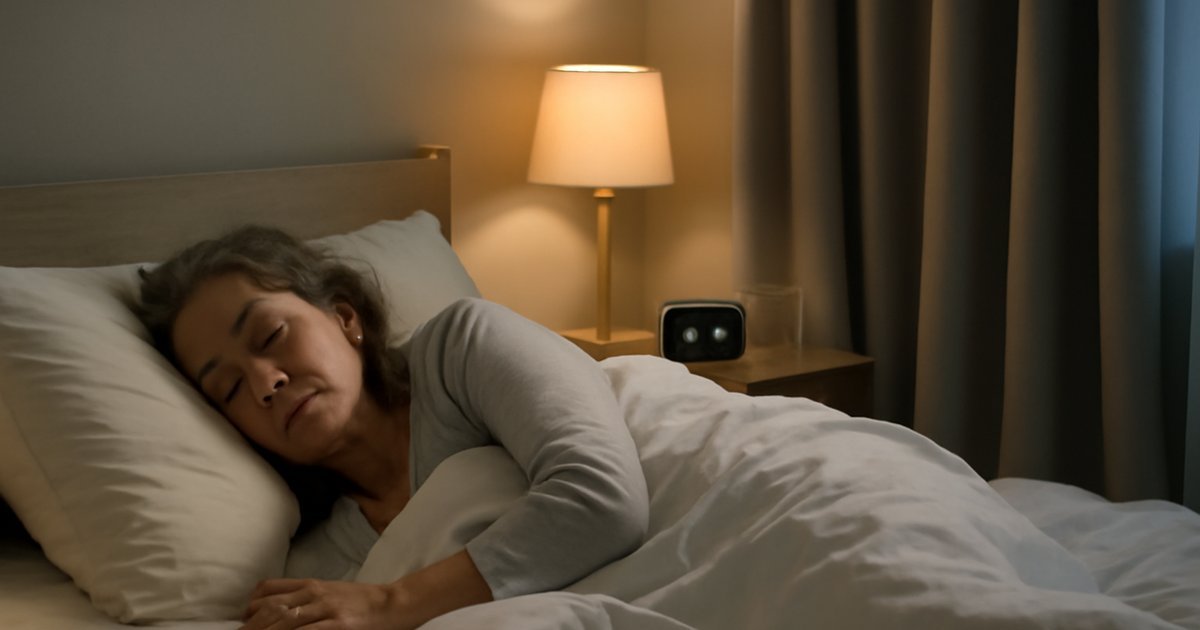
Poor sleep in your 50s and beyond is not a normal part of aging you simply have to accept — it’s a treatable health signal your body is sending.
Introduction
Margaret, 63, used to sleep soundly for seven hours every night. Then, somewhere in her mid-fifties, everything changed. She started waking at 3 a.m. unable to fall back asleep, feeling exhausted by midday, and convinced that poor sleep was just “part of getting older.” Her doctor had a different opinion.
According to the National Institute on Aging, sleep problems affect an estimated 40 to 70 percent of older adults — yet fewer than half ever discuss these issues with their physician. That’s a significant missed opportunity, because disrupted sleep quality after 50 is closely linked to increased risk of cardiovascular disease, cognitive decline, depression, and even type 2 diabetes.
This guide explains exactly why sleep changes as you age, what science says about the causes, what warning signs should prompt a doctor visit, and — most importantly — what practical, evidence-supported strategies can genuinely help you sleep better as you get older. You deserve restful nights, not just exhausted mornings.
What Is Age-Related Sleep Change?
Age-related sleep change refers to the natural shifts in sleep architecture — the internal structure of how you cycle through sleep stages — that begin occurring in most adults around their late 40s and accelerate through the 50s and 60s.
Sleep is not a single state. A healthy night moves through four stages: three stages of non-rapid eye movement (NREM) sleep, including slow-wave deep sleep, and one stage of rapid eye movement (REM) sleep, during which dreaming and memory consolidation primarily occur. Together, these form a cycle that repeats roughly every 90 minutes.
As you age, the proportion of deep slow-wave sleep (stage 3 NREM) decreases significantly. Research published through the NIH’s National Library of Medicine confirms that adults over 60 spend up to 50 percent less time in deep restorative sleep compared to younger adults. This means more time in lighter sleep stages, more frequent awakenings, and less overall sleep efficiency — even if time in bed stays the same.
In the US, the Centers for Disease Control and Prevention (CDC) recommends that adults get seven or more hours of sleep per night. However, surveys show that nearly one in three American adults falls short of this goal, and the proportion is even higher among those over 60.
Importantly, this is not simply about “sleeping less.” The quality and architecture of sleep matter enormously for physical repair, immune function, hormonal regulation, and brain health — all of which become more critical, not less, as you age.
Signs and Symptoms of Sleep Disruption After 50
Sleep problems in older adults don’t always look the same as they do in younger people. Knowing what to watch for — and when it crosses into concerning territory — is essential.
Early and common signs:
- Taking longer to fall asleep (sleep onset latency increasing beyond 20-30 minutes)
- Waking up earlier than intended — often 1 to 2 hours before your alarm
- Waking multiple times during the night and struggling to return to sleep
- Feeling unrefreshed in the morning despite adequate hours in bed
- Increased daytime sleepiness or the need for long naps
- Difficulty concentrating or memory lapses during the day
- Irritability or low mood linked to poor rest
More advanced or concerning signs:
- Loud snoring, gasping, or pauses in breathing during sleep (reported by a partner) — possible signs of sleep apnea
- Uncomfortable, crawling sensations in the legs at night — may indicate restless leg syndrome (RLS)
- Acting out dreams physically (punching, kicking, talking loudly during sleep) — a condition called REM sleep behavior disorder, which may warrant neurological evaluation
- Chronic insomnia lasting more than three months
- Sleeping more than 10 hours regularly without feeling rested
A 2022 meta-analysis published in the journal Sleep Medicine Reviews found that insomnia disorder — defined as persistent difficulty sleeping at least three nights per week for three or more months — affects approximately 20 to 30 percent of older adults, making it one of the most underreported and undertreated conditions in this age group.
Causes and Risk Factors
Sleep disruption after 50 is rarely caused by a single factor. Most often, it’s the intersection of biological, medical, behavioral, and environmental contributors.
Biological and hormonal changes:
Your body’s internal clock — the circadian rhythm — shifts with age, often causing an advance in sleep timing. You may feel sleepy earlier in the evening but then wake up earlier too. Melatonin production, the hormone that signals “time to sleep,” also declines with age. Research from Harvard Medical School indicates that older adults may produce significantly less melatonin than their younger counterparts, contributing to difficulty falling and staying asleep.
For women, menopause is a major disruptor. Hot flashes and night sweats — vasomotor symptoms — interrupt sleep in up to 60 percent of perimenopausal and postmenopausal women, according to data from the North American Menopause Society. Estrogen and progesterone, both of which support sleep quality, decline sharply during this transition.
For men, declining testosterone levels — a condition called male hypogonadism — have also been associated with reduced sleep quality and increased sleep fragmentation. You can read more about how hormonal shifts affect men’s health in our article on Male Hypogonadism: Symptoms, Causes & Treatment.
Chronic health conditions:
Many conditions common in older adults directly impair sleep. These include:
- Chronic pain (arthritis, back pain, neuropathy)
- Gastroesophageal reflux disease (GERD), which worsens when lying flat
- Cardiovascular disease and heart failure
- Obstructive sleep apnea — affecting an estimated 26 percent of adults aged 30 to 70, according to the American Academy of Sleep Medicine
- Anxiety and depression
- Neurodegenerative conditions including early Alzheimer’s disease
- Frequent urination (nocturia), often linked to prostate enlargement in men or bladder changes in women
Medications:
Many medications commonly prescribed to older adults can interfere with sleep, including certain antidepressants, beta-blockers (used for blood pressure and heart conditions), diuretics, corticosteroids, and some medications for asthma or thyroid conditions. This varies from person to person, and your physician can review your specific regimen.
Lifestyle and environmental factors:
- Irregular sleep schedules, including variable bedtimes and wake times
- Excessive screen time before bed (blue light suppresses melatonin)
- Caffeine or alcohol consumption in the afternoon and evening
- Sedentary behavior and lack of physical exercise
- Stress, grief, caregiving burden, and social isolation — all particularly common after 50
Diagnosis: What to Expect
If you’ve been struggling with sleep for more than a few weeks, a conversation with your doctor is the right first step. Many people delay this because they assume poor sleep is inevitable — but sleep disorders are diagnosable and often very treatable.
What your doctor will likely do:
- Take a detailed sleep history — including bedtime routines, wake patterns, daytime function, and how long problems have persisted
- Review your medications and supplements for sleep-disrupting effects
- Screen for underlying conditions such as depression, anxiety, thyroid dysfunction, or cardiovascular disease
- Ask about snoring, breathing interruptions, or leg discomfort — screening for sleep apnea or restless leg syndrome
Diagnostic tools your physician may recommend:
- Sleep diary: A two-week written log of sleep times, awakenings, and daytime energy — often the most informative first tool
- Actigraphy: A wrist-worn device that tracks rest-activity cycles over days to weeks
- Polysomnography (sleep study): The gold standard test for diagnosing sleep apnea, restless leg syndrome, and REM sleep behavior disorder — conducted overnight in a sleep lab or, increasingly, at home
- Blood tests: To rule out thyroid disorders, vitamin D deficiency, anemia, or other metabolic contributors. Our article on Vitamin D Deficiency: Symptoms, Causes & Natural Solutions explains how low vitamin D can affect energy and sleep regulation.
The American Academy of Sleep Medicine recommends that adults experiencing insomnia symptoms at least three nights per week for three months or more seek formal evaluation. Earlier is always better.
Treatment Options
The good news: sleep problems in older adults respond well to treatment. The approach depends on the underlying cause, but evidence supports a clear hierarchy.
Cognitive Behavioral Therapy for Insomnia (CBT-I):
This is considered the first-line treatment for chronic insomnia by both the American Academy of Sleep Medicine and the American College of Physicians. CBT-I is a structured program — typically delivered over six to eight sessions — that targets the thoughts, behaviors, and habits perpetuating poor sleep.
A 2021 systematic review in the journal JAMA Internal Medicine found that CBT-I outperforms sleep medications in long-term outcomes, with remission rates of 50 to 60 percent and effects that persist for years after treatment ends. It does not have the side effects or dependency risks associated with sleeping pills.
CBT-I is now widely available through licensed therapists, sleep specialists, and digital platforms approved for clinical use.
Medical treatments for underlying conditions:
- CPAP therapy for obstructive sleep apnea — highly effective at restoring sleep architecture and reducing cardiovascular risk
- Hormone therapy for menopausal sleep disruption — your gynecologist or internist can assess appropriateness
- Dopaminergic medications for restless leg syndrome — prescribed and monitored by a neurologist or sleep specialist
- Pain management optimization for arthritis or chronic pain disrupting sleep
Prescription sleep aids (used cautiously):
Medications such as low-dose doxepin, suvorexant (Belsomra), or lemborexant may be appropriate for some individuals. Older adults should generally avoid benzodiazepines (like Xanax or Valium) and “Z-drugs” (like Ambien), as these carry significant risks of falls, cognitive impairment, and dependency — particularly after age 65. Always discuss risks and benefits with your physician before starting any medication for sleep.
Supplements with research support (complement, not replace, medical care):
Low-dose melatonin (0.5 to 2 mg taken 30 to 60 minutes before bed) has demonstrated modest benefit for circadian rhythm-related sleep timing issues in older adults, according to NIH-reviewed research. Magnesium glycinate has emerging evidence for supporting sleep quality, though research is still developing. Neither should replace evaluation and treatment of underlying causes.
Living With Sleep Changes and Preventing Further Decline
Regardless of what specific treatment you pursue, strong evidence supports a set of core behaviors — collectively called sleep hygiene — that meaningfully improve sleep quality in adults over 50.
Maintain a consistent schedule:
Go to bed and wake up at the same time every day — including weekends. This reinforces your circadian rhythm and is one of the most effective behavioral interventions for improving sleep efficiency.
Create a sleep-supportive environment:
Keep your bedroom cool (65 to 68°F is optimal for most adults), dark, and quiet. Reserve your bed for sleep and intimacy only — not for screens, work, or reading. This strengthens the mental association between your bed and sleep.
Exercise regularly — but time it wisely:
A systematic review published in Preventive Medicine Reports found that regular aerobic exercise improved sleep quality scores in older adults by a statistically significant margin. Aim for at least 150 minutes of moderate-intensity movement per week, as recommended by the CDC. Avoid vigorous exercise within two to three hours of bedtime, as it can temporarily elevate cortisol and body temperature.
Protecting muscle mass through strength training also supports better sleep by improving metabolic health and reducing pain. Our guide on Sarcopenia: Preventing Age-Related Muscle Loss covers how to build a safe resistance training routine after 50.
Limit caffeine and alcohol:
Caffeine has a half-life of five to seven hours in most adults — meaning that a 2 p.m. coffee could still be measurably active in your system at 9 p.m. Clinical evidence indicates that alcohol, while initially sedating, fragments sleep in the second half of the night and suppresses REM sleep, leading to unrefreshing rest and early morning waking.
Manage stress and mental load:
Anxiety and racing thoughts are among the most common drivers of nighttime wakefulness in older adults. Evidence-based tools include mindfulness-based stress reduction (MBSR), progressive muscle relaxation, and cognitive reframing techniques — all components of CBT-I. A consistent wind-down routine 30 to 60 minutes before bed (dim lighting, light reading, gentle stretching) signals your nervous system that sleep is approaching.
Limit long or late naps:
Short naps (20 to 30 minutes) before 3 p.m. are generally well-tolerated and can improve alertness without disrupting nighttime sleep. Longer naps or napping late in the afternoon can reduce your “sleep pressure” — the biological drive that helps you fall asleep at night — and worsen nighttime insomnia.
When to Call Your Doctor or Seek Emergency Care
While poor sleep is common, certain patterns require prompt medical attention rather than a wait-and-see approach.
Schedule a doctor’s appointment soon if you experience:
- Difficulty sleeping at least three nights per week for more than a month
- Daytime impairment affecting your work, driving, or relationships
- Significant snoring or witnessed breathing pauses during sleep
- Uncomfortable leg sensations that worsen at rest and improve with movement
- New or worsening depression or anxiety alongside sleep changes
- Dependence on alcohol or over-the-counter sleep aids to fall asleep
Seek emergency care immediately if you experience:
- Sudden onset of excessive daytime sleepiness with muscle weakness or sudden collapse (possible narcolepsy with cataplexy)
- Sleepwalking or sleep-driving behaviors involving dangerous activities
- Acute confusion, severe memory loss, or disorientation upon waking — which could signal neurological issues requiring urgent evaluation
- Chest pain, shortness of breath, or irregular heartbeat occurring during the night
What to tell your doctor:
Be specific. Bring a one-to-two-week sleep diary, note any medications you’re taking, and describe your sleep environment and routine. The more precise your information, the faster your care team can identify what’s driving your sleep disruption.
Frequently Asked Questions
Is it normal to need less sleep as you age?
Not exactly. While sleep patterns do change with age, most sleep researchers and clinicians agree that the core need for seven to eight hours remains relatively consistent across adult life. What changes is your ability to achieve that sleep efficiently. Feeling rested on fewer hours may reflect a shift in sleep architecture — but chronic short sleep (under six hours) is linked to measurable health risks at any age, according to CDC data.
Are sleeping pills safe for adults over 60?
This depends heavily on the specific medication. Many older-generation sleep aids — particularly benzodiazepines and certain antihistamines like diphenhydramine (found in many OTC sleep products) — carry increased risks for older adults, including falls, next-day cognitive impairment, and physical dependence. Newer prescription options and behavioral treatments are generally safer. Always discuss this with your physician rather than self-medicating.
Can sleep apnea develop after 50 even without obvious symptoms?
Yes — and this is a critical point. Obstructive sleep apnea often presents subtly in older adults, particularly in women, without the classic loud snoring. Symptoms like unexplained morning headaches, dry mouth upon waking, nighttime heartburn, or persistent daytime fatigue may be the only signs. The American Academy of Sleep Medicine estimates that the majority of sleep apnea cases remain undiagnosed, making evaluation especially important if you have any unexplained sleep complaints.
How long does it take for sleep to improve with behavioral changes?
Most people who consistently apply CBT-I and evidence-based sleep hygiene practices begin noticing improvements within two to four weeks. Full benefit often develops over six to eight weeks. Unlike medications, behavioral approaches build lasting change — clinical evidence suggests that gains from CBT-I are maintained at one-year and two-year follow-ups.
Can heart health affect sleep quality?
Absolutely. Cardiovascular conditions including heart failure, atrial fibrillation, and poorly controlled hypertension can cause nighttime symptoms — including shortness of breath, arrhythmias, and frequent urination — that fragment sleep significantly. If you manage a heart condition alongside sleep problems, discussing both with your cardiologist and your sleep physician together often yields better outcomes. Our guide on Heart Health After 60: Risks, Signs & How to Stay Strong explains the cardiac-sleep connection in more detail.
Conclusion
Sleep is not a luxury — it’s one of the most powerful tools your body has for healing, thinking clearly, managing weight, and protecting your heart and brain as you age. The changes that happen to sleep after 50 are real, but they are not a life sentence of restless nights.
Whether the cause is hormonal, structural, behavioral, or a combination of factors, there are well-established, evidence-backed strategies that genuinely help — from CBT-I to treating underlying conditions to consistent lifestyle practices. The first step is taking your sleep seriously enough to talk about it with your doctor.
You spent decades showing up for work, for your family, for everyone else. Now it’s time to show up for your sleep — because every other part of your health depends on it.
Medical Disclaimer: This article is for informational and educational purposes only. It does not constitute medical advice, diagnosis, or treatment. Always consult your physician or a qualified healthcare provider before making changes to your health routine or treatment plan.
Medically reviewed by our editorial health team. Content follows evidence-based standards aligned with CDC and NIH guidelines.