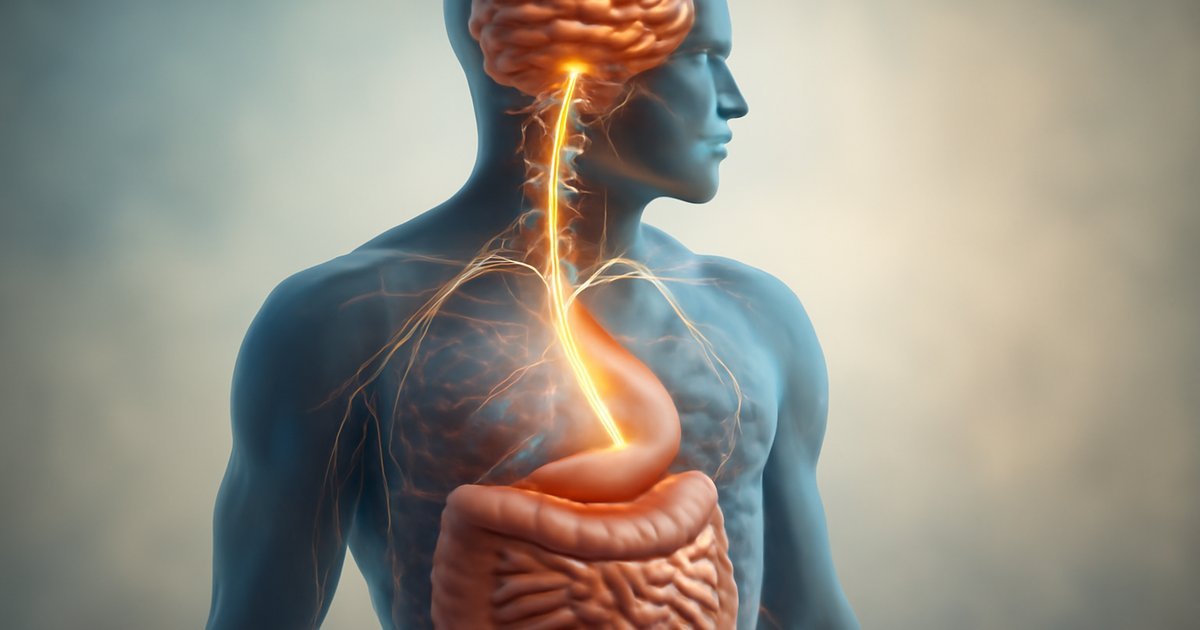
The Gut-Brain Connection: How Your Digestive Health Affects Your Mind
Your second brain may be running more of your life than you think — and the science behind it is reshaping how we understand mood, anxiety, and chronic illness.
Introduction
Michael, 47, had been managing anxiety for years. He tried therapy, adjusted his sleep habits, and even changed careers to reduce stress. But no one had ever asked him about his gut — the chronic bloating, the irregular bowel movements, the way he always felt worse after eating. Then his gastroenterologist mentioned something that changed everything: the gut-brain connection.
According to the National Institutes of Health (NIH), the gastrointestinal tract contains more than 100 million nerve cells — more than the spinal cord — forming what scientists call the enteric nervous system (ENS). This "second brain" communicates constantly with your central nervous system, influencing everything from your mood to your immune response.
In this article, you will learn what the gut-brain axis is, how disruptions in digestive health can affect mental and physical well-being, what research says about this connection, and what practical steps you can take — with your doctor's guidance — to support both systems simultaneously.
What Is the Gut-Brain Connection?
The gut-brain axis refers to the bidirectional communication network linking the enteric nervous system (the nerves embedded throughout your digestive tract) with the central nervous system (your brain and spinal cord). Think of it as a two-way highway where signals travel constantly in both directions.
This communication occurs through several pathways:
- The vagus nerve: The longest cranial nerve in the body, running from the brainstem to the abdomen, transmitting real-time gut status reports to the brain.
- Neurotransmitters: Approximately 90–95% of the body's serotonin is produced in the gut, according to research published in journals supported by the NIH — not in the brain, as commonly assumed.
- The immune system: Roughly 70% of immune cells reside in the gut lining, influencing systemic inflammation that affects brain function.
- The microbiome: Trillions of bacteria, fungi, and other microorganisms living in your digestive tract produce chemicals that interact directly with brain pathways.
This is not a fringe concept. The gut-brain axis is a well-established area of biomedical research, with thousands of peer-reviewed studies exploring its role in conditions ranging from depression to Parkinson's disease.
Clinical evidence indicates that when gut health is disrupted — through poor diet, chronic stress, antibiotic overuse, or disease — those signals traveling to the brain can become dysregulated, contributing to mood disorders, cognitive fog, and heightened stress responses.
Signs and Symptoms of a Disrupted Gut-Brain Axis
One of the most challenging aspects of gut-brain dysfunction is that it shows up in two very different places at once. You may notice digestive symptoms alongside mental or emotional changes — or one may appear without the other.
Digestive Signs:
- Bloating, gas, or abdominal discomfort that worsens during stress
- Alternating constipation and diarrhea (a hallmark of conditions like IBS)
- Nausea without a clear cause
- Feeling unusually full after small meals
- Frequent heartburn or indigestion
Neurological and Mood-Related Signs:
- Persistent anxiety or low mood that seems disproportionate to life circumstances
- Brain fog — difficulty concentrating, poor short-term memory
- Fatigue that is not fully explained by poor sleep
- Heightened sensitivity to stress or emotional triggers
- Sleep disturbances linked to gastrointestinal discomfort
Advanced or Chronic Signs:
- Diagnosed conditions such as IBS, SIBO, or inflammatory bowel disease coexisting with depression or anxiety disorders
- Chronic systemic inflammation markers on bloodwork
- Autoimmune flares that worsen with psychological stress
A landmark meta-analysis published through NIH-supported research found that individuals with functional gastrointestinal disorders — such as irritable bowel syndrome — are 40–60% more likely to also meet diagnostic criteria for anxiety or depressive disorders. This is not coincidence; it reflects the gut-brain axis in action.
Causes and Risk Factors
The gut-brain axis does not become disrupted overnight. Most dysfunction builds gradually through a combination of lifestyle, biological, and environmental factors.
Dietary Patterns
Diets high in ultra-processed foods, refined sugars, and low in fiber reduce microbial diversity in the gut. Research suggests that low microbial diversity is associated with increased intestinal permeability — sometimes called "leaky gut" — allowing bacterial byproducts to enter the bloodstream and trigger brain-affecting inflammation.
Chronic Psychological Stress
When your brain perceives stress, it triggers the release of cortisol and adrenaline, which slow digestion, alter gut motility, and change the composition of your microbiome. Over time, chronic stress can permanently shift the bacterial balance in your gut — and those bacteria will, in turn, send altered chemical signals back to your brain.
Antibiotic Use
While antibiotics are essential and life-saving medications, repeated or long-term use can significantly reduce beneficial gut bacteria. The CDC estimates that 30% of outpatient antibiotic prescriptions in the US may be unnecessary — a concern not just for antibiotic resistance, but for gut microbiome integrity.
Sedentary Lifestyle
Physical activity is one of the most consistent promoters of microbial diversity. A 2022 review supported by the American College of Sports Medicine found that regular moderate exercise significantly increased populations of beneficial gut bacteria, including those linked to serotonin production.
Sleep Deprivation
Poor sleep disrupts the circadian rhythms that govern gut motility and microbiome activity. Research from Harvard Health indicates that even two nights of poor sleep can measurably shift gut bacterial populations in ways that increase inflammation.
Age and Hormonal Changes
Adults over 50 naturally experience reduced microbial diversity. Hormonal shifts — particularly during menopause — also alter the gut environment, which may partly explain why mood and digestive complaints often coincide during this life stage.
Diagnosis: What to Expect
There is no single "gut-brain axis test." Instead, clinicians approach this through a combination of evaluations that look at both systems.
Gastrointestinal Workup
- Stool analysis: Comprehensive stool testing can reveal microbial imbalances, inflammatory markers, and signs of infection or malabsorption.
- Breath testing: Used to detect bacterial overgrowth (SIBO) or carbohydrate intolerances like lactose or fructose malabsorption.
- Endoscopy or colonoscopy: Recommended when structural causes — such as inflammatory bowel disease — need to be ruled out.
- Blood tests: C-reactive protein (CRP) and calprotectin levels can indicate systemic or intestinal inflammation.
Mental Health Screening
Gastroenterologists and internists increasingly use validated screening tools — such as the PHQ-9 for depression and the GAD-7 for anxiety — alongside GI workups. This integrated approach is supported by guidelines from the American College of Gastroenterology.
When to Seek Evaluation
You should consider scheduling a comprehensive evaluation if you experience persistent GI symptoms lasting more than four weeks, if digestive complaints consistently worsen during periods of stress, or if mood changes seem closely tied to meals, bowel habits, or GI discomfort.
If you've already been diagnosed with IBS, you may benefit from discussing the gut-brain axis specifically with your provider. You might also find it helpful to review our guide on GERD: Symptoms, Causes & Treatment Options if reflux is part of your symptom picture, or our overview of Diverticular Disease: Symptoms, Causes & Treatment if you have been told your gut lining is involved.
Treatment Options
Because the gut-brain connection involves two systems simultaneously, the most effective treatment approaches tend to be integrative — addressing both the digestive and neurological components under medical supervision.
Conventional Medical Treatments
Low-dose antidepressants (gut-targeted): Certain tricyclic antidepressants and SSRIs are prescribed in gastroenterology — not primarily for depression, but because they modulate gut nerve sensitivity. Clinical evidence from the American Journal of Gastroenterology supports their use for functional GI disorders when used at appropriate doses under physician supervision.
Gut-directed psychotherapy: Cognitive behavioral therapy (CBT) and gut-directed hypnotherapy have demonstrated meaningful improvement in IBS symptoms in multiple clinical trials. A study published in The Lancet Gastroenterology & Hepatology found that gut-directed hypnotherapy reduced symptom severity in IBS patients even at 12-month follow-up.
Targeted probiotic therapy: While the research is still evolving, specific probiotic strains — particularly Lactobacillus and Bifidobacterium species — have shown promise in clinical trials for reducing anxiety scores alongside gut symptoms. Your physician can guide you on evidence-based options appropriate for your situation.
Dietary Interventions
High-fiber, plant-diverse diet: Research consistently shows that diets rich in diverse plant foods increase microbial diversity. The American Gut Project — one of the largest citizen science microbiome studies — found that people who ate 30 or more different plant species per week had significantly more diverse gut microbiomes.
Fermented foods: A 2021 study from Stanford University, published in Cell, found that a diet high in fermented foods (yogurt, kefir, kimchi, sauerkraut) increased microbiome diversity and reduced inflammatory proteins over a 10-week period.
The Mediterranean diet: Endorsed by the American Heart Association for cardiovascular health, the Mediterranean dietary pattern also shows strong evidence for gut microbiome support and reduced depression risk — a two-for-one benefit increasingly recognized in clinical literature.
Lifestyle Modifications
Regular moderate exercise: Aim for 150 minutes of moderate-intensity movement per week, as recommended by the CDC. Exercise promotes beneficial bacteria, reduces cortisol, and improves vagal tone — the strength of the vagus nerve signal between gut and brain.
Stress reduction practices: Mindfulness-based stress reduction (MBSR), diaphragmatic breathing, and yoga have all been studied for their effects on the gut-brain axis. Research suggests these practices can measurably reduce gut hypersensitivity over time.
Sleep optimization: Prioritizing 7–9 hours of consistent sleep protects circadian rhythm-dependent gut functions and reduces inflammatory signaling between gut and brain.
Living With Gut-Brain Imbalance: Day-to-Day Strategies
Managing the gut-brain connection is less about dramatic interventions and more about consistent daily habits that reinforce both systems.
Keep a symptom journal. Tracking what you eat, your stress levels, sleep quality, bowel habits, and mood can reveal patterns your physician cannot see in a 15-minute appointment. Apps designed for IBS tracking can make this easier.
Eat mindfully and slowly. The cephalic phase digestive response — your gut's preparation for food based on sight and smell — requires mental presence. Eating while distracted impairs this phase and can worsen bloating and poor nutrient absorption.
Limit alcohol and caffeine excess. Both can irritate the gut lining and dysregulate neurotransmitter production. This varies from person to person, but many people with gut-brain symptoms report significant improvement when they moderate intake.
Build a care team. Ideally, your care for gut-brain issues involves both a gastroenterologist and a mental health professional — and ideally, a primary care physician who can coordinate between them. Integrated care models are increasingly available at major health systems across the US.
If stress is a dominant factor in your gut symptoms, you may also benefit from reading about how Magnesium Glycinate supports the nervous system during anxiety — a topic that overlaps meaningfully with gut-brain health for many patients.
When to Call Your Doctor or Seek Emergency Care
While gut-brain symptoms are often manageable with proper care, some signs require prompt medical evaluation.
Call Your Doctor Within Days If You Experience:
- New or worsening abdominal pain that is not explained by stress or diet
- Unintentional weight loss of 5 or more pounds without trying
- Persistent changes in bowel habits lasting more than 3–4 weeks
- Mood changes that are interfering with daily functioning or relationships
- GI symptoms that wake you from sleep regularly
Seek Emergency Care Immediately If You Have:
- Severe abdominal pain, especially with fever or rigid abdomen
- Blood in stool or vomit
- Signs of bowel obstruction (no gas, no bowel movement, severe distension)
- Thoughts of self-harm linked to mood disruption — call 988 (Suicide and Crisis Lifeline) or go to the nearest emergency room
These symptoms are red flags that go beyond gut-brain axis dysfunction and require immediate clinical evaluation. Never delay emergency care based on a belief that your symptoms are "just stress."
Frequently Asked Questions
Q: Can fixing my gut actually improve my anxiety or depression?
A: Research suggests that improving gut health can contribute to better mood regulation in some individuals, particularly those whose anxiety or depression coincides with GI symptoms. However, gut health is one piece of a complex puzzle. Clinical evidence does not support replacing psychiatric care with gut interventions — rather, they may work best together under medical supervision. This varies significantly from person to person.
Q: What probiotic should I take for gut-brain health?
A: There is no single "best" probiotic for gut-brain support. Strains such as Lactobacillus rhamnosus and Bifidobacterium longum have appeared in clinical trials related to mood and gut function, but probiotic recommendations should be personalized by your healthcare provider based on your specific symptoms, medications, and health history.
Q: Is the gut-brain connection related to why I feel sick when I'm nervous?
A: Yes. That familiar "nervous stomach" — nausea, urgency, or cramping before a stressful event — is a direct expression of the gut-brain axis. Stress hormones speed up or disrupt gut motility and sensitize gut nerve endings, producing real physical sensations that are not imagined.
Q: How long does it take to improve gut-brain health?
A: Most clinical dietary and lifestyle studies observe measurable changes in microbiome composition within 4–8 weeks of consistent changes. Symptom improvement timelines vary widely depending on the severity of dysbiosis (imbalanced gut bacteria), underlying conditions, and whether mental health treatment is also being addressed.
Q: Does the gut-brain axis affect children differently than adults?
A: This article focuses on adults aged 30–70, but yes — the gut-brain axis develops early in life and is influenced by birth method, breastfeeding, early antibiotic exposure, and childhood diet. Adults who experienced frequent gut issues in childhood may have long-standing microbiome patterns that require targeted attention. Discuss your full health history with your physician.
Conclusion
The gut-brain connection is not a wellness trend — it is a well-documented physiological reality that is reshaping how modern medicine approaches both digestive and mental health. If you have been bouncing between GI specialists and mental health providers without finding answers, understanding this two-way relationship may be the missing piece.
You have more influence over this system than you may realize. Diet, movement, sleep, stress management, and the right medical partnerships can meaningfully shift how both your gut and your brain function over time.
Start by having an honest conversation with your primary care physician about the full picture — not just your stomach, and not just your mood, but both. Because in this case, the two are never truly separate.
Medical Disclaimer: This article is for informational and educational purposes only. It does not constitute medical advice, diagnosis, or treatment. Always consult your physician or a qualified healthcare provider before making changes to your health routine or treatment plan.
Medically reviewed by our editorial health team. Content follows evidence-based standards aligned with CDC and NIH guidelines.