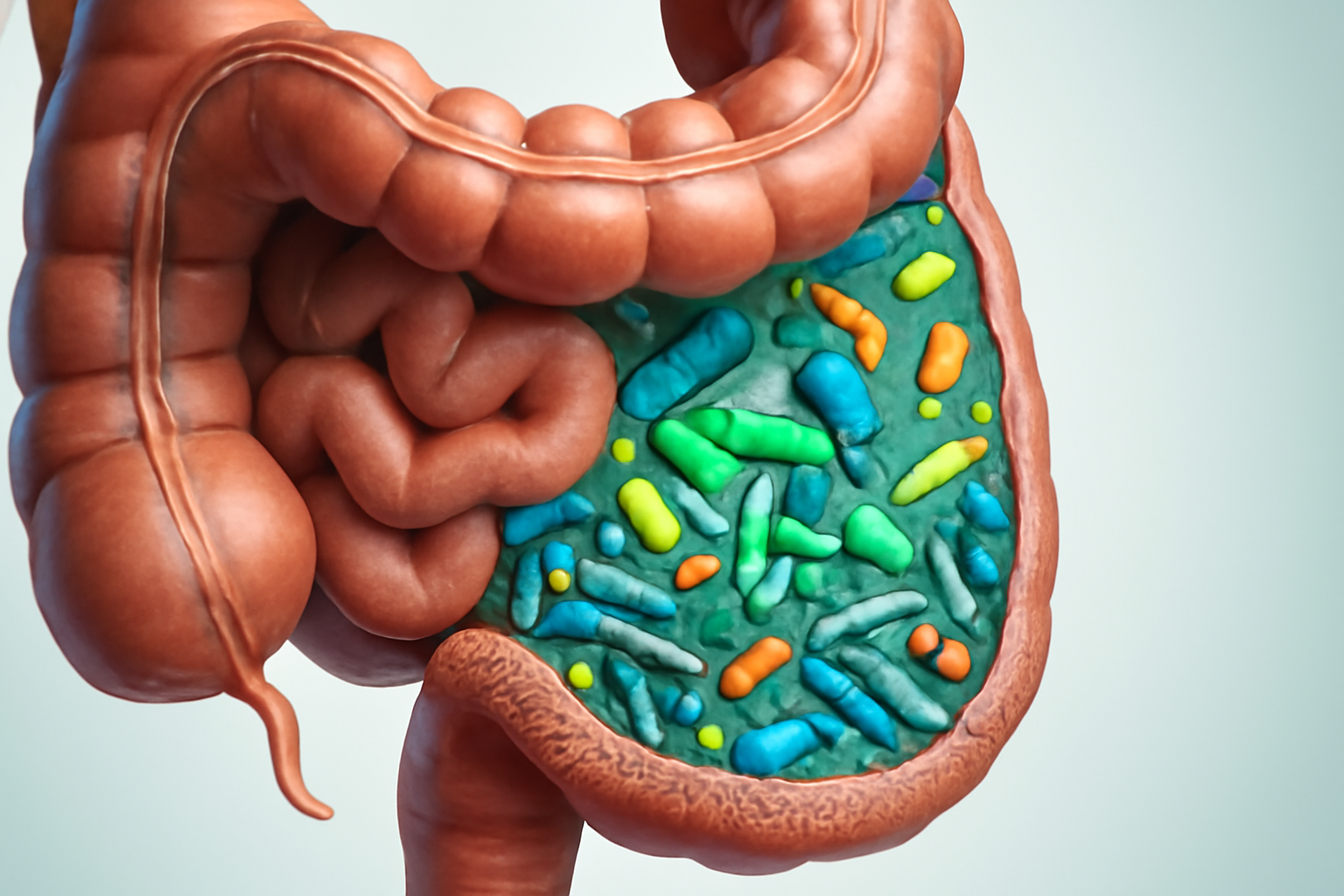
Gut Microbiome: What It Is and Why It Matters
Your gut is home to trillions of microorganisms — and the balance between them may influence everything from your mood to your risk of chronic disease.
Marcus, 47, had dealt with bloating, low energy, and unpredictable digestion for years. His doctor ran the usual tests — everything came back normal. It wasn’t until a gastroenterologist brought up the gut microbiome that things started to make more sense. "Nobody had ever explained that the bacteria living in my gut could affect how I feel every single day," Marcus said later.
According to the National Institutes of Health, the human gut hosts approximately 38 trillion microbial cells — outnumbering human cells in the body. The gut microbiome, which refers to the collective community of bacteria, viruses, fungi, and other microorganisms living in your digestive tract, is now considered one of the most important frontiers in modern medicine.
In this guide, you’ll learn what the gut microbiome actually is, what disrupts it, how an imbalanced microbiome may affect your health, and what evidence-based steps you can take to support it — starting today.
What Is the Gut Microbiome?
The gut microbiome refers to the vast ecosystem of microorganisms — primarily bacteria — that live in your gastrointestinal (GI) tract, especially in the large intestine. Think of it as an internal rainforest: diverse, dynamic, and deeply interconnected with your overall health.
These microbes aren’t passive passengers. They actively participate in digestion, produce vitamins (including B12 and vitamin K), regulate the immune system, and communicate with the brain through what researchers call the gut-brain axis — a two-way signaling pathway between your digestive system and your central nervous system.
According to the NIH Human Microbiome Project, a healthy adult gut can contain over 1,000 different bacterial species. The two dominant bacterial families are Firmicutes and Bacteroidetes, and the ratio between them has been studied extensively in relation to metabolic health, weight regulation, and inflammation.
What makes this topic so relevant for adults aged 30 and older is that the microbiome changes significantly across the lifespan — and many of the lifestyle habits common in midlife (high-stress schedules, processed food diets, antibiotic use) can gradually erode microbial diversity in ways that may affect long-term health.
Signs Your Gut Microbiome May Be Out of Balance
The term dysbiosis refers to an imbalance in the gut microbiome — when harmful microorganisms outnumber or outcompete the beneficial ones. Dysbiosis doesn’t always cause obvious symptoms, but research suggests it may contribute to a wide range of issues.
Early or mild signs may include:
- Frequent bloating or gas after meals
- Loose stools or constipation that comes and goes
- Food sensitivities that seem to be worsening over time
- Mild fatigue not explained by poor sleep
- Brain fog or difficulty concentrating
- Sugar or carbohydrate cravings that feel difficult to control
More significant signs that warrant a medical evaluation:
- Persistent diarrhea lasting more than two weeks
- Recurring abdominal pain or cramping
- Unexplained weight loss or gain
- Symptoms resembling irritable bowel syndrome (IBS), such as alternating bowel habits
- Skin conditions like eczema or rosacea flaring alongside GI symptoms
- Frequent infections or slow recovery from illness
A 2021 meta-analysis published in the journal Gut found that individuals with reduced microbial diversity were significantly more likely to report systemic inflammatory markers — suggesting that what starts in the gut may not stay there. This varies from person to person, and correlation does not imply causation in every individual case.
What Causes Gut Microbiome Disruption?
The gut microbiome is shaped by dozens of factors — some within your control, and some not. Understanding the root causes of dysbiosis helps explain why so many American adults are experiencing gut-related symptoms at higher rates than previous generations.
Antibiotic use: Antibiotics are lifesaving medications, but they are broadly disruptive to the microbiome. Clinical evidence from the Mayo Clinic indicates that a single course of antibiotics can reduce microbial diversity for weeks to months afterward, and in some individuals, certain bacterial strains may not fully recover.
Diet high in ultra-processed foods: According to the CDC, more than 57% of calories consumed by US adults come from ultra-processed foods — items high in refined sugars, artificial additives, and low in dietary fiber. Research suggests this dietary pattern selectively feeds less beneficial bacterial species while starving the fiber-dependent strains associated with gut health.
Chronic stress: The gut-brain axis works in both directions. Chronic psychological stress — a hallmark of midlife in many Americans — elevates cortisol levels, which animal and human studies have linked to shifts in microbial composition. The American Psychological Association reported in 2024 that adults aged 35–54 consistently report the highest stress levels of any age group.
Other contributing factors include:
- Frequent alcohol consumption
- Lack of physical activity
- Chronic sleep deprivation (less than 6 hours per night)
- Use of proton pump inhibitors (PPIs) for acid reflux
- C-section birth and formula feeding in early life (early microbiome seeding)
- Genetic predisposition and immune system conditions
Interestingly, the connection between gut health and conditions like cognitive decline after 50 is an active area of research, with some studies pointing to inflammatory pathways that originate in a dysbiotic gut.
Diagnosis: How Doctors Evaluate Gut Microbiome Health
It’s important to understand that there is currently no single standardized clinical test to definitively diagnose dysbiosis or measure your microbiome’s "health score." This is an area where consumer marketing has outpaced clinical validation.
That said, your physician has several evidence-based tools to evaluate gut health and rule out underlying conditions:
Stool testing: Comprehensive stool analysis can detect bacterial infections (like C. difficile), parasites, blood in the stool, and markers of inflammation such as calprotectin. The FDA has cleared certain microbiome sequencing tests, though their clinical interpretation is still evolving.
Breath tests: Hydrogen and methane breath tests are used to diagnose small intestinal bacterial overgrowth (SIBO) — a condition where bacteria proliferate in the small intestine rather than the large intestine, causing significant bloating and discomfort.
Endoscopy and colonoscopy: For persistent or unexplained GI symptoms, a gastroenterologist may recommend a colonoscopy or upper endoscopy to directly visualize the GI tract and collect tissue samples.
Blood tests: Markers such as C-reactive protein (CRP), complete blood count (CBC), and liver function tests can help paint a picture of systemic inflammation that may be related to gut dysfunction.
If you’re experiencing persistent symptoms, the right first step is a conversation with your primary care physician — not a direct-to-consumer microbiome kit, which the FDA has noted lack standardized reference ranges.
Treatment Options and Evidence-Based Strategies
Supporting a healthy gut microbiome is not about a single supplement or a 30-day cleanse. Research suggests it requires a sustained, multi-pronged approach — primarily centered on diet and lifestyle, with targeted medical interventions when appropriate.
Dietary fiber — the cornerstone of microbiome support: Dietary fiber is the primary fuel source for beneficial gut bacteria. It undergoes fermentation in the colon, producing short-chain fatty acids (SCFAs) like butyrate, which have anti-inflammatory properties. The Academy of Nutrition and Dietetics recommends 25–38 grams of fiber per day for adults, yet most Americans consume fewer than 15 grams. Whole grains, legumes, vegetables, and fruits are the best sources.
Fermented foods: A landmark 2021 Stanford University study published in Cell found that a high-fermented-food diet significantly increased microbiome diversity and reduced markers of inflammation in healthy adults. Foods like plain yogurt with live cultures, kefir, kimchi, sauerkraut, and miso introduce beneficial bacteria directly into the GI tract.
Probiotic supplementation: Probiotics are live microorganisms that, when consumed in adequate amounts, may confer health benefits. Clinical evidence supports specific probiotic strains for conditions like antibiotic-associated diarrhea (Lactobacillus rhamnosus GG) and certain IBS subtypes. However, most physicians recommend a food-first approach, as supplement evidence is strain-specific and not universal.
Prebiotic foods: Prebiotics are non-digestible fibers that selectively feed beneficial gut bacteria. Foods rich in prebiotics include garlic, onions, leeks, asparagus, bananas, and Jerusalem artichokes. Research from the Cleveland Clinic suggests that a consistent prebiotic intake may be more impactful for long-term microbiome diversity than sporadic probiotic supplementation.
Reducing ultra-processed food intake: Replacing highly processed foods with whole, minimally processed alternatives is one of the most direct ways to shift the microbial environment. This doesn’t require a perfect diet — even modest improvements show measurable effects in clinical trials.
Omega-3 fatty acids: Research suggests omega-3s may support microbial diversity while reducing gut inflammation. Learn more about the evidence in our detailed Omega-3 Fatty Acids guide.
Medical interventions: For medically diagnosed dysbiosis-related conditions (such as SIBO, C. difficile infection, or inflammatory bowel disease), your doctor may prescribe targeted antibiotics, antifungals, or in specific cases, fecal microbiota transplantation (FMT) — a procedure now FDA-approved for recurrent C. difficile infection.
Living With Gut Health in Mind: Daily Prevention Strategies
Supporting your microbiome is less about dramatic interventions and more about consistent daily habits. The good news: many of the lifestyle changes that benefit the gut also benefit the heart, brain, and metabolic health simultaneously.
Move your body regularly: A 2019 study in the International Journal of Sport Nutrition and Exercise Metabolism found that regular aerobic exercise — even 30 minutes of brisk walking five days a week — was independently associated with greater gut microbial diversity. You don’t need an elite fitness routine.
Prioritize sleep: Research from the Sleep Foundation indicates that consistently sleeping fewer than 7 hours per night alters the gut microbiome in ways that may increase appetite-regulating hormone disruption and low-grade inflammation.
Manage stress actively: Mindfulness-based stress reduction (MBSR), regular exercise, and adequate social connection have all been linked to healthier microbiome profiles in clinical literature. Chronic stress is not just emotional — it has measurable biological effects on your gut.
Be judicious with antibiotics: Most physicians recommend only using antibiotics when they are clearly indicated. Whenever you do need them, ask your doctor about probiotic use during and after the course to help support microbial recovery.
Limit alcohol: Consistent alcohol consumption — even at moderate levels — has been associated with reduced Bacteroidetes populations and increased gut permeability (often called "leaky gut"). Occasional moderate intake appears less disruptive than daily drinking.
Diversify your plate: Clinical evidence suggests that eating a wider variety of plant-based foods — aiming for 30 or more different plants per week, including herbs and spices — correlates with greater microbial diversity. This doesn’t mean eliminating animal products, but it does mean making plants the anchor of most meals.
When to Call Your Doctor: Red Flags and Next Steps
While many gut health concerns can be addressed through lifestyle changes, certain symptoms demand prompt medical attention. Do not delay care if you experience any of the following:
Seek emergency care immediately if you notice:
- Blood in your stool (red or black, tarry stools)
- Severe abdominal pain that comes on suddenly
- High fever alongside diarrhea or vomiting
- Signs of dehydration: dizziness, rapid heart rate, no urination
Schedule a prompt doctor’s appointment if you have:
- Unexplained weight loss of more than 5% of body weight over 6 months
- Persistent diarrhea or constipation lasting more than two weeks
- Recurring abdominal cramping that interferes with daily life
- Symptoms that fit criteria for IBS or inflammatory bowel disease (IBD)
- New onset of significant food intolerances after age 40
At your next routine appointment, consider asking your doctor:
- "Could my digestive symptoms be related to gut microbiome imbalance?"
- "Should I be tested for SIBO or other bacterial overgrowth conditions?"
- "Are my current medications affecting my gut bacteria?"
- "What dietary changes would you recommend for my specific situation?"
Frequently Asked Questions
Q: Can I improve my gut microbiome quickly?
Research suggests that dietary changes can begin to shift microbial composition within a few days, but meaningful, lasting improvements in diversity typically take weeks to months of consistent effort. There are no shortcuts that replace sustained lifestyle changes.
Q: Are at-home microbiome tests worth buying?
Consumer microbiome tests can provide interesting general information, but the FDA has noted that they currently lack standardized clinical reference ranges. Most physicians do not use them for diagnosis or treatment planning. If you have symptoms, see your doctor rather than relying on a consumer kit.
Q: Do I need a probiotic supplement every day?
Not necessarily. Clinical evidence supports specific probiotic strains for specific conditions (like antibiotic-associated diarrhea), but for general gut health, a diet rich in fermented foods and fiber may be equally or more effective for most people. Discuss with your physician before starting a daily supplement.
Q: Can gut health affect my mental health?
Research suggests it can. The gut-brain axis is a real and increasingly well-documented communication network. Several studies have found correlations between gut dysbiosis and symptoms of anxiety and depression, though causality in humans is still being established. This is one of the most exciting frontiers in both gastroenterology and psychiatry.
Q: Does aging affect the gut microbiome?
Yes. Clinical evidence consistently shows that microbial diversity tends to decline with age, particularly after 65. This is influenced by dietary changes, medication use, reduced physical activity, and immune system shifts that come with aging. Proactively supporting your microbiome in your 40s and 50s may offer long-term protective benefits.
The Bottom Line
Your gut microbiome is one of the most complex and consequential ecosystems in your body — and science is only beginning to understand its full reach. What we do know is this: diversity matters, diet is the most powerful lever you have, and the signals your gut sends deserve to be taken seriously.
You don’t need to overhaul your life overnight. Start by adding more fiber-rich and fermented foods, managing chronic stress, and sleeping consistently. These changes are cumulative, evidence-based, and sustainable.
Most importantly, if you’re experiencing persistent GI symptoms, don’t self-diagnose or rely on supplements alone. A conversation with your physician is always the right first step. Your gut health is worth protecting — and you have more influence over it than you might think.
Medical Disclaimer: This article is for informational and educational purposes only. It does not constitute medical advice, diagnosis, or treatment. Always consult your physician or a qualified healthcare provider before making changes to your health routine or treatment plan.
Medically reviewed by our editorial health team. Content follows evidence-based standards aligned with CDC and NIH guidelines.