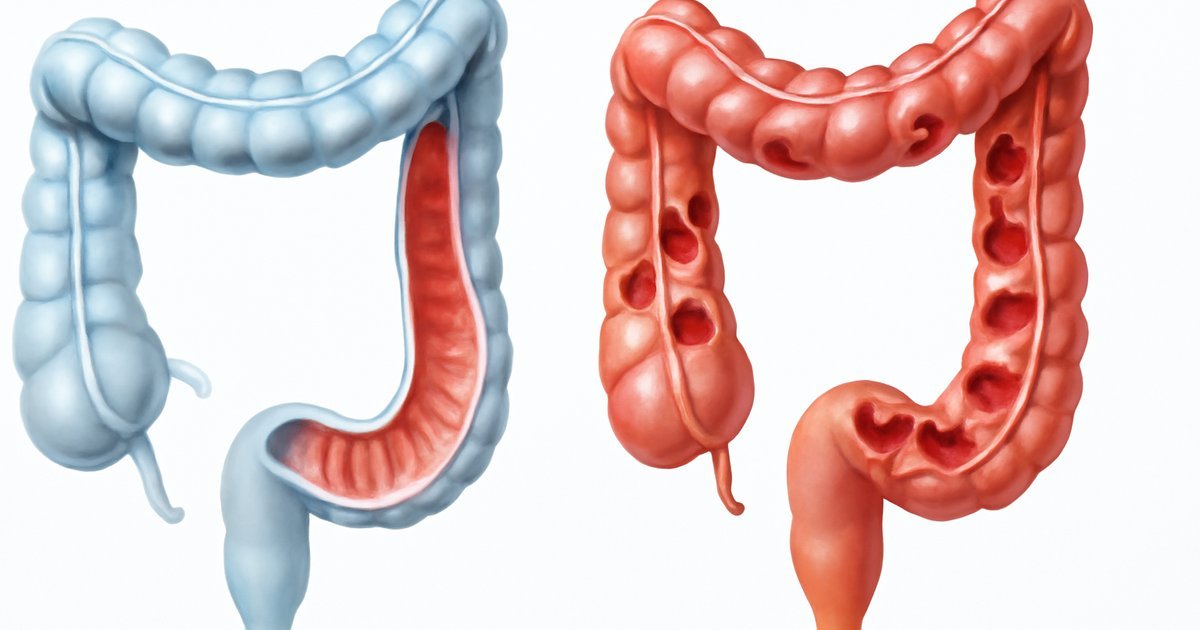
Ulcerative colitis is a chronic inflammatory bowel disease that affects millions of Americans — but with the right diagnosis and management plan, many people live full, active lives.
Marcus, 44, noticed blood in his stool for the third time in two weeks. He chalked it up to hemorrhoids and ignored it — until the cramping became so severe he couldn’t leave his apartment. After an urgent visit to his gastroenterologist and a colonoscopy, he was diagnosed with ulcerative colitis, a condition he’d never heard of before that moment.
He’s far from alone. According to the Crohn’s & Colitis Foundation of America, approximately 907,000 Americans are currently living with ulcerative colitis (UC) — a number that has steadily increased over the past three decades. Despite its prevalence, UC is frequently misdiagnosed or dismissed as a less serious digestive complaint.
In this guide, you’ll learn what ulcerative colitis actually is, how it differs from other gut conditions, what symptoms to watch for, and what the latest evidence says about treatment options. Whether you’ve just received a diagnosis or suspect something isn’t right with your gut, this article will help you have a more informed conversation with your doctor.
What Is Ulcerative Colitis?
Ulcerative colitis is a chronic inflammatory bowel disease (IBD) that causes inflammation and ulcers — open sores — in the inner lining of the large intestine (colon) and rectum. Unlike Crohn’s disease, which can affect any part of the digestive tract, UC is confined to the colon and always starts in the rectum, often spreading upward in a continuous pattern.
The inflammation disrupts how the colon functions, leading to frequent, urgent bowel movements, pain, and bleeding. UC is classified as an autoimmune-related condition, meaning the immune system mistakenly attacks the lining of the colon rather than a foreign invader like a virus or bacteria.
According to the NIH’s National Institute of Diabetes and Digestive and Kidney Diseases (NIDDK), UC can develop at any age, but it most commonly appears between ages 15 and 30, with a second peak in people aged 50 to 70. It affects men and women roughly equally.
UC is not the same as irritable bowel syndrome (IBS). IBS is a functional disorder — it affects how the bowel works without causing visible inflammation or tissue damage. UC involves actual structural changes to the colon lining, which is why proper diagnosis through imaging and endoscopy is essential. If you’ve been managing digestive symptoms and want to understand the broader relationship between gut inflammation and overall health, our article on The Gut-Brain Connection: How Your Digestive Health Affects Your Mind offers important context.
Signs and Symptoms of Ulcerative Colitis
Symptoms of UC can range from mild to debilitating and often come in cycles — periods of active disease called flares, followed by remission when symptoms subside or disappear entirely.
Early or mild symptoms may include:
- Loose or more frequent bowel movements
- Mild abdominal cramping or discomfort
- Rectal bleeding (blood mixed with stool)
- Urgency to have a bowel movement
- Fatigue, especially during flares
- Low-grade fever during active inflammation
Moderate to severe symptoms include:
- Frequent diarrhea — sometimes 10 or more times per day
- Significant rectal bleeding or passing blood clots
- Severe abdominal pain and cramping
- Unintended weight loss
- Anemia due to chronic blood loss
- Dehydration and electrolyte imbalances
- Joints, skin, or eye inflammation (extraintestinal manifestations)
A 2023 analysis published in the journal Gastroenterology found that approximately 25% of UC patients experience at least one extraintestinal manifestation — symptoms outside the colon — including joint pain, skin rashes, and eye inflammation. This underscores that UC is a systemic condition, not just a bowel problem.
Symptoms vary significantly from person to person. This varies from person to person depending on disease extent, severity, and individual immune response.
Causes and Risk Factors
The exact cause of ulcerative colitis is not fully understood, but research suggests it results from a complex interaction between genetic predisposition, immune system dysfunction, environmental triggers, and gut microbiome imbalances.
Genetic factors: Having a first-degree relative with UC raises your risk by 10 to 25 times compared to the general population, according to Johns Hopkins Medicine. Researchers have identified more than 200 genetic variations associated with IBD, many of which affect how the immune system regulates inflammation.
Immune system dysfunction: In UC, the immune system appears to misidentify normal gut bacteria or food as threats, triggering an inflammatory response that damages the colon lining. This immune dysregulation is the central mechanism driving the disease.
Gut microbiome disruption: Clinical evidence indicates that people with UC have altered gut microbiome compositions — specifically, reduced diversity of beneficial bacteria and increased populations of pro-inflammatory microbes. This imbalance, known as dysbiosis, may both trigger and perpetuate inflammation.
Environmental and lifestyle factors:
- Diet: High intake of processed foods, saturated fats, and refined sugars is associated with higher UC risk in observational studies
- NSAIDs: Regular use of nonsteroidal anti-inflammatory drugs (like ibuprofen) may trigger or worsen flares
- Antibiotics: Frequent antibiotic use in early life may disrupt microbiome development and increase IBD risk
- Stress: While stress doesn’t cause UC, it is a well-documented flare trigger
- Smoking: Interestingly, research suggests smoking may have a paradoxical protective effect against UC — though it clearly worsens Crohn’s disease and carries severe health risks
According to CDC data, UC rates are higher in industrialized nations and among people living in urban environments, suggesting that modern lifestyle and environmental exposures play a meaningful role. UC also disproportionately affects people of Jewish Ashkenazi descent, though it occurs across all ethnic groups.
Diagnosis: What to Expect
Getting an accurate diagnosis is critical — and it typically involves more than one test. Many of the symptoms of UC overlap with other conditions like Crohn’s disease, infectious colitis, or even colorectal cancer, which is why thorough evaluation is essential.
What your doctor may order:
- Colonoscopy with biopsy: The gold standard for UC diagnosis. A gastroenterologist uses a flexible camera to examine the entire colon and rectum, taking tissue samples to confirm inflammation and rule out other causes
- Sigmoidoscopy: A less invasive version that examines only the lower portion of the colon — useful for initial evaluation
- Stool tests: To rule out infections, test for fecal calprotectin (a marker of gut inflammation), and check for blood
- Blood tests: Complete blood count (CBC) to detect anemia, inflammatory markers like CRP and ESR, and nutritional deficiencies
- CT or MRI enterography: Imaging scans to assess disease extent and rule out complications like bowel perforation
The Mayo Clinic recommends that anyone experiencing rectal bleeding, persistent diarrhea lasting more than four weeks, or unexplained weight loss seek prompt evaluation from a gastroenterologist. Early and accurate diagnosis leads to significantly better long-term outcomes.
Once diagnosed, UC is classified by how much of the colon is affected: proctitis (rectum only), left-sided colitis, or pancolitis (entire colon). This classification guides treatment decisions.
Treatment Options for Ulcerative Colitis
There is currently no cure for ulcerative colitis through medication alone, but treatment has advanced dramatically in the last decade. The goals of treatment are to induce and maintain remission, prevent complications, and improve quality of life.
Medications — the foundation of UC treatment:
- Aminosalicylates (5-ASAs): Such as mesalamine, these are first-line medications for mild to moderate UC. They work by reducing inflammation directly in the colon lining. Clinical evidence indicates they are effective in inducing remission in up to 70% of patients with mild disease.
- Corticosteroids: Such as prednisone, used short-term to control acute flares. They are not intended for long-term use due to significant side effects including bone loss and adrenal suppression.
- Immunomodulators: Such as azathioprine or 6-mercaptopurine, these medications suppress the overactive immune response. They are typically used when 5-ASAs are insufficient.
- Biologics: A major advance in IBD treatment. These include TNF inhibitors (such as infliximab and adalimumab), integrin blockers (vedolizumab), and IL-12/23 inhibitors. Research published in the New England Journal of Medicine confirms that biologics achieve clinical remission in a significant proportion of patients with moderate-to-severe UC who don’t respond to conventional therapy.
- JAK inhibitors: Small molecule drugs like tofacitinib and upadacitinib represent a newer class of oral medications approved for moderate-to-severe UC when other therapies have failed.
Surgery: When medication fails to control disease or serious complications arise — such as toxic megacolon, bowel perforation, or colorectal cancer — surgery to remove the colon (colectomy) may be recommended. For some patients, this is curative. The Cleveland Clinic notes that approximately 25 to 40% of UC patients will eventually need surgery.
Lifestyle modifications as a complement to medical treatment:
- Anti-inflammatory diet: A diet rich in fruits, vegetables, lean proteins, and omega-3 fatty acids — similar to a Mediterranean-style eating pattern — may help reduce inflammation and support remission maintenance. Processed foods, excessive alcohol, and high-fat meals are common flare triggers.
- Stress management: Techniques such as cognitive behavioral therapy (CBT), mindfulness-based stress reduction, and regular physical activity are supported by research as effective complements to medical treatment for managing flare frequency.
- Probiotics: Research suggests that certain probiotic strains, particularly VSL#3 and Lactobacillus-based formulations, may help maintain remission in mild UC. However, they are not a substitute for prescribed medication. Our guide on Diverticular Disease: Symptoms, Causes & Treatment also explores how gut microbiome health influences inflammatory conditions of the colon.
Living With Ulcerative Colitis: Daily Management & Prevention of Flares
Living with UC requires long-term commitment, but most people — with the right treatment plan — can achieve extended periods of remission and maintain a high quality of life.
Practical day-to-day strategies:
- Take your medications consistently, even during remission — stopping medication is a leading cause of relapse
- Keep a symptom journal to identify personal flare triggers (foods, stress events, sleep disruption)
- Stay adequately hydrated, especially during flares when fluid losses increase
- Work with a registered dietitian familiar with IBD to build a personalized nutrition plan
- Schedule regular follow-up appointments with your gastroenterologist — including surveillance colonoscopies to monitor for colorectal cancer risk
- Don’t skip annual bloodwork — UC patients are at higher risk for anemia, vitamin B12 deficiency, and low vitamin D
Clinical evidence from the American College of Gastroenterology indicates that patients who maintain adherence to their medication regimen are significantly less likely to experience hospitalizations or surgery over a 5-year follow-up period. Consistency is one of the most powerful tools in managing this disease.
Mental health support is also essential. Research suggests that rates of anxiety and depression are notably elevated among people living with IBD. If you’re navigating the emotional weight of a chronic diagnosis, speaking with a therapist or joining an IBD support group can make a meaningful difference. Our article on The Gut-Brain Connection explores how gut inflammation and mental well-being are deeply intertwined.
When to Call Your Doctor — and Emergency Warning Signs
Knowing when to seek care — and when to call 911 — is critical when living with UC.
Call your doctor promptly if you experience:
- A noticeable increase in stool frequency or urgency that lasts more than a few days
- Return of rectal bleeding after a period of remission
- Unexplained weight loss of 5 or more pounds
- Fever above 100.4°F (38°C) during what seems like a flare
- New joint pain, skin lesions, or eye redness (possible extraintestinal symptoms)
- Any medication side effects that concern you
Go to the emergency room immediately if you have:
- Severe abdominal pain or a rigid, board-like abdomen (possible bowel perforation)
- Heavy rectal bleeding that doesn’t stop
- Signs of severe dehydration: dizziness, rapid heartbeat, confusion, inability to keep fluids down
- High fever above 103°F (39.4°C) with abdominal symptoms
- Sudden severe worsening of all symptoms — this may indicate toxic megacolon, a life-threatening complication
Never try to manage a severe UC flare at home with diet changes or over-the-counter remedies alone. This is a condition that requires close medical supervision, especially during active inflammation.
Frequently Asked Questions About Ulcerative Colitis
Is ulcerative colitis the same as Crohn’s disease?
No. Both are inflammatory bowel diseases, but they differ in important ways. UC is confined to the colon and rectum, causes continuous inflammation starting at the rectum, and affects only the innermost lining of the bowel. Crohn’s disease can affect any part of the digestive tract from mouth to anus, may skip sections, and involves deeper layers of the bowel wall. Treatment strategies overlap but are not identical.
Can ulcerative colitis increase my risk of colon cancer?
Yes. People with long-standing UC — particularly pancolitis lasting more than 8 to 10 years — have a statistically elevated risk of colorectal cancer compared to the general population. This is why surveillance colonoscopies (typically every 1 to 3 years, depending on disease extent and duration) are a standard part of UC management, according to the American Cancer Society.
Can diet alone control ulcerative colitis?
No. While diet plays an important supporting role in managing symptoms and reducing flare triggers, clinical evidence is clear that dietary changes alone cannot induce or maintain remission in UC. Medication is the cornerstone of treatment. A registered dietitian can help you build an eating plan that complements your prescribed medications.
Is UC hereditary? Should my children be tested?
UC has a genetic component, and having an affected parent or sibling does increase risk. However, most children of UC patients will not develop the condition. Routine genetic testing is not currently recommended, but if your child develops persistent digestive symptoms, inform their pediatrician of your family history so they can assess appropriately.
Can stress cause a UC flare?
Research suggests that psychological stress does not cause UC, but it is a well-established trigger for flares in people who already have the condition. Stress appears to alter gut motility, immune signaling, and microbiome composition — all of which can worsen inflammation. Managing stress through therapy, exercise, and sleep hygiene is a clinically supported part of UC management.
Moving Forward With Ulcerative Colitis
A diagnosis of ulcerative colitis can feel overwhelming — but it is important to know that treatment options today are far more effective than they were even a decade ago. Biologics, JAK inhibitors, and precision approaches to remission maintenance have transformed what is possible for people living with this disease.
The most important step you can take right now is to build a strong relationship with a gastroenterologist who specializes in inflammatory bowel disease. Be honest about your symptoms, consistent with your medications, and proactive about your monitoring appointments.
UC is a lifelong condition — but for many people, it does not have to be a life-limiting one. With the right support, the right treatment plan, and the right information, you can manage this disease and protect your long-term gut health.
This article is for informational and educational purposes only. It does not constitute medical advice, diagnosis, or treatment. Always consult your physician or a qualified healthcare provider before making changes to your health routine or treatment plan.
Medically reviewed by our editorial health team. Content follows evidence-based standards aligned with CDC and NIH guidelines.