Bone Density After 50: How to Protect Your Skeleton
Bone loss begins silently in your 30s — but the decisions you make after 50 can determine whether your skeleton stays strong for decades.
Introduction
Margaret, 63, had no idea anything was wrong until she slipped on a wet floor and fractured her wrist. The orthopedic surgeon who treated her delivered unexpected news: her bones showed signs of significant density loss — a condition that had been quietly developing for years. She had felt completely fine.
Her story is far from unusual. According to the National Osteoporosis Foundation, approximately 54 million Americans have low bone density or osteoporosis, and a major osteoporotic fracture occurs every three seconds in the US. Yet most people don’t think about bone density until a fracture already happens.
In this guide, you’ll learn what bone density actually means, why it declines after age 50, which risk factors matter most, and — critically — what evidence-based steps you can take right now to slow that decline and protect your long-term mobility, independence, and quality of life.
What Is Bone Density — and Why Does It Decline After 50?
Bone density, also called bone mineral density (BMD), refers to the amount of mineral matter — primarily calcium and phosphate — packed into a given volume of bone tissue. The denser your bones, the stronger and more fracture-resistant they are.
Throughout life, your skeleton is constantly remodeling: old bone is broken down by cells called osteoclasts, and new bone is built by cells called osteoblasts. During childhood and young adulthood, bone formation outpaces breakdown. Most people reach their peak bone mass around age 30.
After that, the balance gradually shifts. By your 40s and into your 50s, breakdown begins to outpace formation — and the gap widens with age. In women, this process accelerates dramatically around menopause due to the sharp decline in estrogen, a hormone that plays a key role in protecting bone density. According to the NIH, women can lose up to 20% of their bone density in the five to seven years following menopause.
Men are not immune. Testosterone also supports bone health, and declining testosterone levels after age 50 contribute to a slower but still significant bone loss in men. Research from the Mayo Clinic indicates that by age 65, men lose bone at a rate comparable to postmenopausal women.
The result is a skeleton that becomes more porous, more brittle, and far more vulnerable to fractures — often from falls or impacts that would barely affect a younger person.
Signs and Symptoms: What Bone Loss Feels and Looks Like
One of the most dangerous aspects of bone density loss is that it produces no pain and no early warning signs. It is often called a "silent disease" for this reason. By the time symptoms appear, significant deterioration may already have occurred.
Early signs (often subtle or overlooked):
- Gradual loss of height (more than 1–1.5 inches over time)
- A slightly stooped posture that develops over years
- Back pain that is unexplained and persistent
- Teeth that feel looser or gum recession (bone loss in the jaw)
- Nails that break more easily than before
Advanced or late-stage signs:
- Fractures from minor falls — especially of the hip, spine, or wrist
- A curved upper spine (kyphosis, sometimes called "dowager’s hump")
- Significant height loss of two inches or more
- Vertebral compression fractures causing acute back pain
- Chronic pain from healed but deformed fractures
A 2021 study published in the Journal of Bone and Mineral Research found that vertebral fractures are the most common osteoporotic fracture, yet up to two-thirds go clinically undiagnosed because many patients and providers attribute the pain to ordinary back problems.
Causes and Risk Factors: Who Is Most Vulnerable?
Bone density loss is driven by a combination of genetic, hormonal, lifestyle, and medical factors. Understanding your personal risk profile is the first step toward meaningful prevention.
Hormonal and biological factors:
- Menopause and the associated drop in estrogen
- Low testosterone in men (hypogonadism)
- Overactive thyroid (hyperthyroidism) or parathyroid glands
- Chronic low levels of vitamin D and calcium
Genetic and demographic risk factors:
- Family history of osteoporosis or hip fractures
- Small, thin body frame
- White and Asian women face the highest risk in the US, though all ethnicities are affected
- Female sex assigned at birth
Lifestyle risk factors:
- Low calcium and vitamin D intake throughout life
- Physical inactivity or a sedentary lifestyle
- Smoking — clinical evidence indicates smoking directly inhibits bone-forming cells
- Heavy alcohol consumption (more than 2 drinks per day regularly)
- Very low body weight or a history of eating disorders
Medical and medication-related factors:
- Long-term use of corticosteroids (such as prednisone)
- Rheumatoid arthritis and other autoimmune diseases
- Celiac disease and inflammatory bowel conditions that impair nutrient absorption
- Certain cancer treatments, including some hormonal therapies
According to the CDC, hip fractures alone result in over 300,000 hospitalizations annually in the US among adults 65 and older — and approximately 25% of older adults who suffer a hip fracture die within 12 months of the injury. This underscores why proactive risk assessment is so essential.
Diagnosis: What to Expect From Your Doctor
The standard diagnostic test for bone density is a DEXA scan (dual-energy X-ray absorptiometry). It is painless, takes about 10–15 minutes, and measures BMD at the hip and lumbar spine — the two sites most predictive of fracture risk.
Your results are reported as a T-score:
- -1.0 or above: Normal bone density
- Between -1.0 and -2.5: Osteopenia (low bone mass, a precursor to osteoporosis)
- -2.5 or lower: Osteoporosis
The US Preventive Services Task Force (USPSTF) recommends DEXA screening for all women age 65 and older, and for younger postmenopausal women whose 10-year fracture risk is equal to or greater than that of a 65-year-old white woman with no additional risk factors. Men at high risk may also be screened, typically starting around age 70 or earlier based on clinical judgment.
Your doctor may also use the FRAX tool — a validated algorithm developed by the World Health Organization — to calculate your 10-year probability of a major osteoporotic fracture based on your age, weight, risk factors, and BMD results.
Blood tests may be ordered alongside DEXA to check vitamin D levels, calcium, parathyroid hormone, thyroid function, and markers of bone turnover. These help identify secondary causes of bone loss that may be treatable on their own.
If you have risk factors and have not yet been screened, this is the time to bring it up with your physician. Early detection gives you the most options for intervention.
Treatment Options: Building Back and Slowing Loss
The treatment approach for bone density loss depends on the severity of the condition, your age, sex, fracture history, and overall health. Most physicians recommend a combination of lifestyle modifications and — when clinically indicated — pharmacological treatment.
Medications approved for osteoporosis:
Several drug classes are FDA-approved for treating osteoporosis and reducing fracture risk. Research suggests that bisphosphonates — including alendronate (Fosamax) and risedronate (Actonel) — remain the most widely prescribed first-line medications. Clinical trials show they can reduce hip fracture risk by up to 40% in high-risk individuals.
Other options include:
- Denosumab (Prolia): An injectable medication given twice yearly that inhibits bone breakdown
- Teriparatide and abaloparatide: Anabolic agents that stimulate new bone formation, used in more severe cases
- Romosozumab (Evenity): A newer dual-action agent that both builds bone and reduces breakdown
- Hormone therapy: Estrogen therapy remains an option for some postmenopausal women, with careful risk-benefit evaluation
Your physician will determine which — if any — medication is right for you based on your T-score, fracture history, and overall health profile.
Nutritional interventions:
Clinical evidence strongly supports adequate calcium and vitamin D intake as foundational to bone health at every age. The National Institutes of Health recommend that adults over 50 consume approximately 1,200 mg of calcium daily through diet and supplements combined, and 800–1,000 IU of vitamin D daily (individual needs vary). Dairy products, fortified foods, leafy greens, and canned fish with bones are excellent dietary sources of calcium.
Exercise and physical activity:
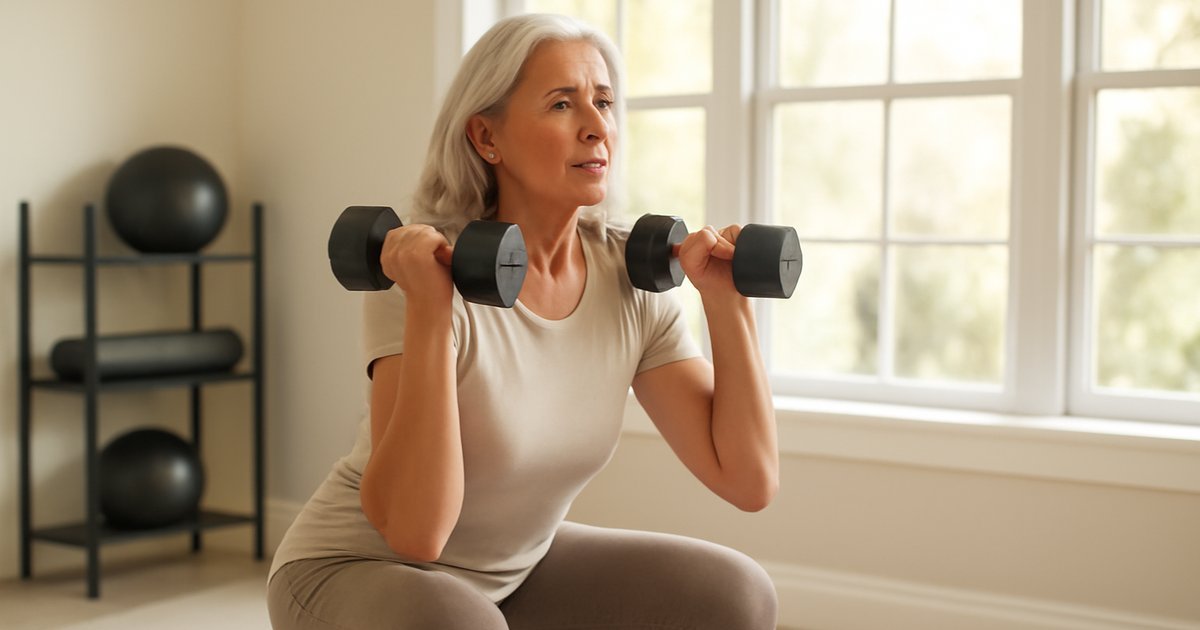
Weight-bearing and resistance exercises are among the most effective evidence-based interventions for slowing bone density loss. A meta-analysis published in Osteoporosis International found that progressive resistance training significantly increased BMD at the hip and spine in postmenopausal women. Activities like brisk walking, jogging, dancing, stair climbing, and strength training all stimulate bone remodeling. Clinical evidence indicates even 30 minutes of weight-bearing activity most days of the week produces measurable benefit.
Living With Low Bone Density: Day-to-Day Prevention Strategies
Whether you’ve been diagnosed with osteopenia, osteoporosis, or simply want to protect your bone health proactively, daily habits matter enormously. Research suggests that consistent lifestyle changes can meaningfully slow the rate of bone loss and significantly reduce fracture risk over time.
Fall prevention is non-negotiable. Most osteoporotic fractures result from falls. Practical steps to reduce fall risk include:
- Removing loose rugs and clutter from walkways at home
- Installing grab bars in bathrooms and shower areas
- Ensuring adequate lighting throughout your home, especially at night
- Getting your vision checked regularly — poor eyesight dramatically increases fall risk
- Reviewing your medications with your doctor for any that cause dizziness or drowsiness
- Practicing balance exercises such as tai chi, which evidence shows reduces fall frequency in older adults by up to 45%, according to research supported by the NIH
Quit smoking. If you smoke, stopping is one of the most impactful things you can do for your bone health. Research from Johns Hopkins indicates that smokers have significantly lower BMD than non-smokers of the same age.
Limit alcohol. Heavy alcohol use interferes with the absorption of calcium and disrupts the hormones that regulate bone formation. Most physicians recommend no more than one standard drink per day for women and two for men.
Maintain a healthy body weight. Being underweight is a significant risk factor for fracture. If you’ve lost a significant amount of weight recently — intentionally or not — discuss the implications for your bone health with your physician. You may also want to explore our guide on CoQ10 Benefits for Energy, Heart Health, and Aging, as mitochondrial health and overall cellular energy play a role in physical resilience as we age.
Track your nutrients. Many adults over 50 are deficient in vitamin D without knowing it. Ask your doctor to include a vitamin D blood test at your next annual visit. Deficiency is common, especially in northern states, during winter months, and in adults with limited sun exposure. For broader context on bone-protective nutrients, our article on Thyroid Health After 50 also covers how thyroid function intersects with bone metabolism — an often-overlooked connection.
When to Call Your Doctor — and Emergency Warning Signs
Bone density decline is a manageable condition when identified early — but there are specific situations that require prompt medical attention.
Schedule an appointment soon if you notice:
- Loss of more than one inch of height compared to your tallest adult measurement
- A new, persistent backache with no obvious cause
- You’ve never had a DEXA scan and are over 65 (or postmenopausal with risk factors)
- You’ve been on corticosteroid medications for more than three months
- A family member was recently diagnosed with osteoporosis or suffered a fragility fracture
Seek emergency care immediately if:
- You fall and experience immediate, severe pain in the hip, spine, or wrist — do not attempt to walk it off
- You experience sudden, severe mid-back or lower back pain (which can signal a vertebral compression fracture even without a fall)
- A limb appears visibly deformed or you cannot bear weight after a fall
- You experience neurological symptoms such as numbness, tingling, or weakness in the legs following a back injury
At your next routine visit, come prepared. Tell your doctor about any falls you’ve had in the past year (even if you weren’t injured), any new balance or coordination concerns, your current calcium and vitamin D intake, and any medications you take regularly. This information directly shapes your fracture risk assessment. You may also find it useful to read our overview of Men’s Mental Health After 40, since chronic pain and mobility limitations from bone conditions can have real psychological consequences that deserve attention too.
Frequently Asked Questions About Bone Density After 50
Can you actually rebuild bone density once you’ve lost it?
To a degree, yes — particularly with the help of anabolic medications like teriparatide or romosozumab, which are designed to stimulate new bone formation. Lifestyle changes such as resistance training and optimizing calcium and vitamin D can also slow further loss and, in some cases, modestly improve density. However, the primary clinical goal for most people is halting or slowing loss rather than fully reversing it. This varies from person to person depending on age, severity, and treatment approach.
Is osteopenia the same as osteoporosis?
Not exactly. Osteopenia refers to below-normal bone density that isn’t yet low enough to be classified as osteoporosis. Think of it as a warning stage. People with osteopenia do have a higher fracture risk than those with normal BMD, but their risk is lower than those with osteoporosis. Many people with osteopenia benefit from lifestyle interventions alone, while others may need medication — your doctor will assess your individual risk using tools like the FRAX calculator.
Are calcium supplements safe for heart health?
This question emerged from studies that suggested high-dose calcium supplements might be associated with increased cardiovascular risk in some populations. Most clinical authorities, including the NIH, continue to recommend meeting calcium needs primarily through food when possible. When supplements are needed to close a gap, they are generally considered safe in recommended amounts — but individual conversations with your physician are important, especially if you have existing heart conditions.
Do men really need to worry about bone density?
Absolutely. While osteoporosis affects women at higher rates, approximately 2 million American men have osteoporosis and another 12 million are at risk, according to the NIH. Men who fracture a hip actually face higher mortality rates in the year following the fracture than women of comparable age. Men over 70, and younger men with risk factors such as low testosterone, long-term steroid use, or smoking history, should discuss bone health screening with their physicians.
How long does a DEXA scan take, and does insurance cover it?
A DEXA scan typically takes 10 to 20 minutes and is painless — no injections or special preparation required. Medicare covers DEXA screening every 24 months for eligible beneficiaries. Many private insurance plans also cover DEXA for women 65 and older and for younger individuals who meet clinical criteria. If cost is a concern, ask your provider’s billing office about coverage before scheduling.
Conclusion
Bone density loss is one of the most prevalent and underdiagnosed aspects of aging in America — but it doesn’t have to determine your future. The science is clear: early screening, consistent nutrition, targeted exercise, fall prevention, and when appropriate, medical treatment can dramatically reduce your fracture risk and preserve the mobility and independence that define quality of life as you age.
You don’t have to wait for a fracture to take action. Talk to your doctor about your personal risk factors, ask whether a DEXA scan is right for you, and take honest stock of the daily habits — smoking, alcohol, physical inactivity — that may be quietly eroding your skeletal foundation.
Your bones have supported you your entire life. With the right knowledge and the right support from your healthcare team, you can protect them for decades to come.
Medical Disclaimer: This article is for informational and educational purposes only. It does not constitute medical advice, diagnosis, or treatment. Always consult your physician or a qualified healthcare provider before making changes to your health routine or treatment plan.
Medically reviewed by our editorial health team. Content follows evidence-based standards aligned with CDC and NIH guidelines.