GERD: Symptoms, Causes & Treatment Options
Chronic acid reflux affects millions of Americans — and knowing when it becomes GERD could protect your esophagus and your quality of life.
Introduction
Mark, 52, thought the burning in his chest after dinner was just "normal heartburn." He kept antacids on his nightstand, propped up his pillow, and avoided spaghetti. But after months of disrupted sleep and a growing feeling that food was stuck in his throat, his doctor delivered a diagnosis he hadn’t expected: gastroesophageal reflux disease, or GERD.
He wasn’t alone. According to the American College of Gastroenterology, GERD affects approximately 20% of adults in the United States — making it one of the most common digestive disorders in the country. Yet millions of people manage it with over-the-counter antacids for years without ever getting a formal evaluation.
In this guide, you’ll learn what distinguishes GERD from occasional heartburn, what causes it, how it’s diagnosed, and what treatment options — from lifestyle changes to prescription medications — can help you manage it effectively. If you’ve been living with persistent reflux symptoms, this article will help you have a more informed conversation with your doctor.
What Is GERD?
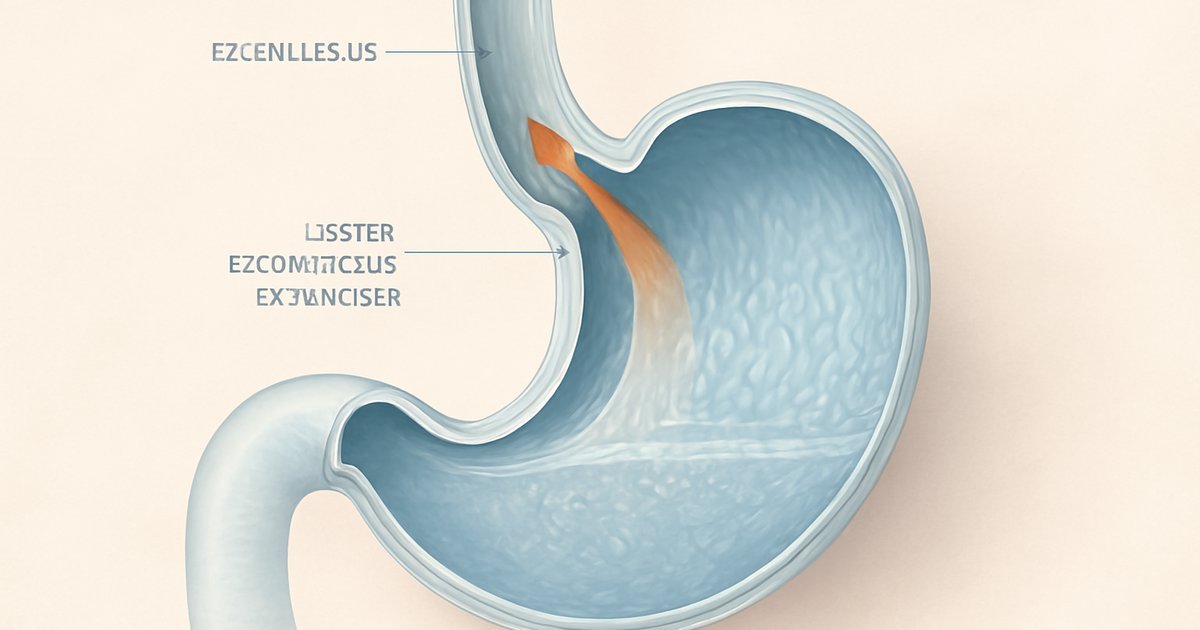
Gastroesophageal reflux disease (GERD) is a chronic digestive condition in which stomach acid — and sometimes stomach contents — flows backward into the esophagus (the tube connecting your throat to your stomach). This backward flow is called acid reflux.
Everyone experiences acid reflux occasionally. GERD is diagnosed when this reflux happens persistently — typically two or more times per week — and begins to cause uncomfortable symptoms or damage to the lining of the esophagus.
The condition occurs when the lower esophageal sphincter (LES), a ring of muscle that acts as a valve between the esophagus and stomach, weakens or relaxes inappropriately. When that valve doesn’t close properly, acid escapes upward.
According to the NIH’s National Institute of Diabetes and Digestive and Kidney Diseases (NIDDK), GERD is one of the most prevalent gastrointestinal conditions in the US, responsible for billions of dollars in healthcare costs annually. Left untreated, it can lead to complications including esophagitis (inflammation of the esophagus), Barrett’s esophagus (a precancerous change in esophageal tissue), and in rare cases, esophageal cancer.
Signs and Symptoms of GERD
GERD symptoms can range from mildly annoying to significantly disruptive. They often worsen after meals, when lying down, or during sleep. This variability can make GERD easy to dismiss — until it starts interfering with daily life.
Common Early Symptoms
- Heartburn — a burning sensation in the chest, often after eating or at night
- Regurgitation — a sour or bitter-tasting fluid rising into the throat or mouth
- Bloating and belching — especially after meals
- Nausea — particularly after large or fatty meals
- Difficulty swallowing (dysphagia) — a sensation of food getting "stuck"
Less Obvious (Atypical) Symptoms
- Chronic dry cough, especially at night
- Hoarseness or a sore throat in the morning
- Frequent throat clearing
- Dental erosion (acid wearing down tooth enamel)
- Worsening asthma or new-onset wheezing
- A persistent sensation of a lump in the throat (globus sensation)
A 2020 review published in the journal Gastroenterology found that atypical presentations of GERD — particularly chronic cough and laryngeal symptoms — are frequently misdiagnosed as asthma or post-nasal drip for months before the underlying reflux is identified. This is why a comprehensive evaluation matters.
Red Flag Symptoms — Seek Medical Attention Promptly
- Difficulty or painful swallowing that is new or worsening
- Unintentional weight loss
- Vomiting blood or seeing dark, tarry stools (signs of bleeding)
- Chest pain that radiates to the arm or jaw — call 911 immediately, as this may indicate a heart attack
Causes and Risk Factors
GERD develops when the lower esophageal sphincter is chronically compromised. Several factors — some within your control and some not — can contribute to this.
Structural Causes
- Hiatal hernia — when the upper portion of the stomach pushes through the diaphragm into the chest cavity, it can weaken the LES. Research from the Cleveland Clinic indicates that hiatal hernias are present in the majority of patients with moderate to severe GERD.
- Weakened lower esophageal sphincter — can be congenital or develop gradually with age
Lifestyle Risk Factors
- Obesity — excess abdominal weight increases pressure on the stomach. According to the CDC, more than 42% of US adults are obese, which partially explains the high prevalence of GERD in this country.
- Diet — fatty foods, chocolate, caffeine, alcohol, citrus, tomatoes, and spicy foods are common triggers
- Eating habits — large meals, eating too quickly, or lying down within 2-3 hours of eating
- Smoking — nicotine relaxes the LES and reduces saliva production, which normally neutralizes acid
Medical and Pharmaceutical Triggers
- Pregnancy — hormonal changes relax the LES and growing uterine pressure pushes stomach contents upward
- Certain medications — including calcium channel blockers, antihistamines, sedatives, and some antidepressants can relax the LES or delay stomach emptying
- Diabetes — gastroparesis (delayed stomach emptying) common in diabetic patients can worsen reflux
It’s worth noting that individual variation plays a significant role. Two people with identical diets and body weights may have very different reflux patterns. This varies from person to person — genetics, esophageal sensitivity, and gut motility all factor in.
Diagnosis: What to Expect
If your symptoms occur more than twice per week, persist despite over-the-counter medications, or include any of the red flags listed above, it’s time to see a physician. Many people live with GERD for years before seeking evaluation — but early diagnosis can prevent long-term esophageal damage.
Clinical Evaluation
Your doctor will begin with a thorough medical history and symptom review. In many straightforward cases, a clinical diagnosis based on symptoms alone is sufficient to begin a trial of treatment.
Diagnostic Tests
- Upper endoscopy (EGD) — a camera is passed through the mouth to visualize the esophagus, stomach, and upper small intestine. This allows the doctor to assess for esophagitis, Barrett’s esophagus, or ulcers.
- Ambulatory acid (pH) monitoring — a small device measures acid exposure in the esophagus over 24-48 hours. This is particularly useful for atypical GERD presentations.
- Esophageal manometry — measures the pressure and function of the esophageal muscles, often used before surgical evaluation.
- Barium swallow X-ray — helps detect structural issues like hiatal hernia or narrowing of the esophagus.
The American Gastroenterological Association recommends endoscopic evaluation for patients with chronic GERD symptoms, particularly those over age 50 or those with risk factors for Barrett’s esophagus, including male sex, obesity, and long-standing reflux history.
Treatment Options for GERD
The good news is that GERD is highly manageable. Treatment typically follows a stepwise approach, beginning with lifestyle changes and escalating to medications or procedures as needed. Most physicians recommend a combination approach for the best long-term outcomes.
Lifestyle and Dietary Modifications
These are the foundation of GERD management and should be implemented regardless of what other treatments are used.
- Elevate the head of your bed by 6-8 inches (using bed risers, not extra pillows, which can worsen neck alignment)
- Avoid eating within 2-3 hours of bedtime
- Eat smaller, more frequent meals to reduce stomach pressure
- Identify and eliminate personal trigger foods — common culprits include coffee, alcohol, chocolate, citrus, tomatoes, garlic, and high-fat meals
- Lose weight if overweight — clinical evidence indicates that even a 10-15% reduction in body weight can significantly reduce GERD symptoms
- Quit smoking
- Wear looser clothing around the abdomen
Over-the-Counter Medications
- Antacids (e.g., calcium carbonate, magnesium hydroxide) — provide rapid but short-lived relief by neutralizing stomach acid
- H2 receptor blockers (e.g., famotidine) — reduce acid production and are more effective than antacids for ongoing symptom control
- Proton pump inhibitors (PPIs) (e.g., omeprazole, esomeprazole) — the most potent acid-reducing medications available OTC; most physicians recommend taking them 30-60 minutes before a meal for optimal effect
Prescription Medications
For moderate to severe GERD, stronger PPI formulations or combination therapies may be prescribed. Research suggests that PPIs are the most effective medical treatment for healing esophagitis and controlling symptoms, according to multiple meta-analyses reviewed by the NIH.
Long-term PPI use carries some considerations — including potential effects on magnesium levels, bone density, and gut microbiome diversity. Your doctor will weigh these risks against the benefits based on your individual case. If you’re curious about the gut microbiome connection, our article on Probiotics for Gut Health: What the Evidence Really Says explores how acid-reducing medications may interact with your gut bacteria.
Surgical and Procedural Options
For patients who don’t respond adequately to medications, or who prefer to avoid long-term drug use, surgical options exist.
- Nissen fundoplication — the most common GERD surgery, in which the top of the stomach is wrapped around the lower esophagus to reinforce the LES. Available as a laparoscopic (minimally invasive) procedure.
- LINX device — a small ring of magnetic beads placed around the LES to strengthen it while still allowing food to pass.
- Transoral incisionless fundoplication (TIF) — a newer, incision-free endoscopic procedure to reconstruct the anti-reflux valve.
The Mayo Clinic reports that surgical treatments for GERD have a high rate of long-term symptom relief, though they carry their own risks and are typically reserved for carefully selected patients.
Living With GERD: Daily Management and Prevention
Managing GERD is an ongoing process, not a one-time fix. The goal is to minimize acid exposure to the esophagus and prevent the condition from progressing.
Practical Day-to-Day Strategies
- Keep a food and symptom diary for 2-3 weeks to identify your personal triggers — not everyone reacts the same way to the same foods
- Chew food slowly and thoroughly; this reduces the volume of air swallowed and aids digestion
- Stay upright after meals — even a short walk can help gravity do its job
- Manage stress actively — stress doesn’t directly cause GERD, but it heightens esophageal sensitivity and can worsen symptom perception. Consider exploring evidence-based stress management strategies alongside your GERD treatment plan.
- Avoid high-impact exercise immediately after meals, which increases intra-abdominal pressure
Monitoring for Complications
If you’ve had GERD for more than 5 years, your doctor may recommend periodic endoscopy to screen for Barrett’s esophagus. According to the American Cancer Society, individuals with Barrett’s esophagus have a significantly elevated risk of developing esophageal adenocarcinoma — though the absolute risk remains low. Regular monitoring makes a real difference in catching changes early.
For patients managing gut health issues alongside GERD, understanding the role of bacterial imbalances can be helpful. Our article on SIBO: Symptoms, Causes, and Treatment Options covers a related condition that sometimes overlaps with reflux symptoms.
When to Call Your Doctor — Emergency Signs
Most GERD symptoms are uncomfortable but not immediately dangerous. However, certain signs require prompt — or emergency — medical attention.
Call Your Doctor Soon If You Notice:
- Symptoms that don’t improve after 2 weeks of OTC treatment
- Heartburn occurring more than twice per week consistently
- Increasing difficulty swallowing
- Unexplained weight loss of more than 5 pounds in a short period
- Persistent hoarseness, cough, or throat symptoms not explained by other conditions
- Symptoms returning after a period of effective treatment
Go to the Emergency Room or Call 911 If You Experience:
- Chest pain that radiates to the arm, jaw, or back — this could be a heart attack, not GERD
- Vomiting blood (bright red or resembling coffee grounds)
- Black, tarry, or bloody stools — signs of gastrointestinal bleeding
- Severe, sudden abdominal pain
- Choking or inability to swallow liquids
Important: Chest pain should never be assumed to be "just reflux" without a proper cardiac evaluation. When in doubt, seek emergency care.
At your next routine visit, consider sharing your complete symptom history with your physician — including atypical symptoms like chronic cough or voice changes. Good gut health also connects to broader wellness. You may find our article on Sleep After 50: Why It Changes and How to Sleep Better helpful, as nighttime reflux is one of the most common reasons adults over 50 experience disrupted sleep.
Frequently Asked Questions About GERD
Is GERD the same as heartburn?
Not exactly. Heartburn is a symptom — the burning sensation in the chest caused by acid reflux. GERD is the chronic medical condition that produces repeated heartburn episodes. You can have occasional heartburn without having GERD, but persistent heartburn is the hallmark symptom of the disease.
Can GERD go away on its own?
In some cases — particularly during pregnancy — GERD symptoms resolve once the underlying cause is removed. For most adults, however, GERD is a chronic condition that requires ongoing management. Research suggests that without treatment, symptoms tend to persist or worsen over time, and esophageal damage can accumulate silently.
Are PPIs safe to take long-term?
Proton pump inhibitors are among the most widely prescribed medications in the US and are generally considered safe for most patients. However, long-term use has been associated with potential effects on magnesium absorption, bone density, vitamin B12 levels, and gut microbiome composition. Most physicians recommend using the lowest effective dose for the shortest necessary duration. Your doctor can help assess your individual risk-benefit profile.
What foods should I avoid if I have GERD?
Common dietary triggers include fatty or fried foods, coffee, alcohol, chocolate, peppermint, citrus fruits and juices, tomato-based products, garlic, and onions. That said, triggers are highly individual — clinical evidence indicates that a personal food diary is more useful than following a generic list. What affects one person significantly may not affect another at all.
Can stress make GERD worse?
Yes — though not in the way many people think. Stress doesn’t directly cause the stomach to produce more acid. However, it heightens the esophagus’s sensitivity to acid, making the same level of reflux feel much more painful. Stress may also change eating behaviors (eating faster, larger meals, more trigger foods) that worsen symptoms. Managing stress is a legitimate and evidence-supported part of comprehensive GERD care.
Conclusion
GERD is far more than an inconvenient case of heartburn. It’s a chronic condition that, when left unmanaged, can quietly damage the lining of your esophagus over months and years. The encouraging reality is that most people with GERD can achieve significant symptom relief — and protect their long-term digestive health — through a combination of targeted lifestyle changes, appropriate medications, and regular monitoring.
Whether you’ve just been diagnosed or have been managing reflux for years, the most important step is an open, ongoing conversation with your healthcare provider. Bring your symptom history, your medication list, and your questions. GERD responds well to individualized care — and the right management plan can make a meaningful difference in how you feel every day.
This article is for informational and educational purposes only. It does not constitute medical advice, diagnosis, or treatment. Always consult your physician or a qualified healthcare provider before making changes to your health routine or treatment plan.
Medically reviewed by our editorial health team. Content follows evidence-based standards aligned with CDC and NIH guidelines.