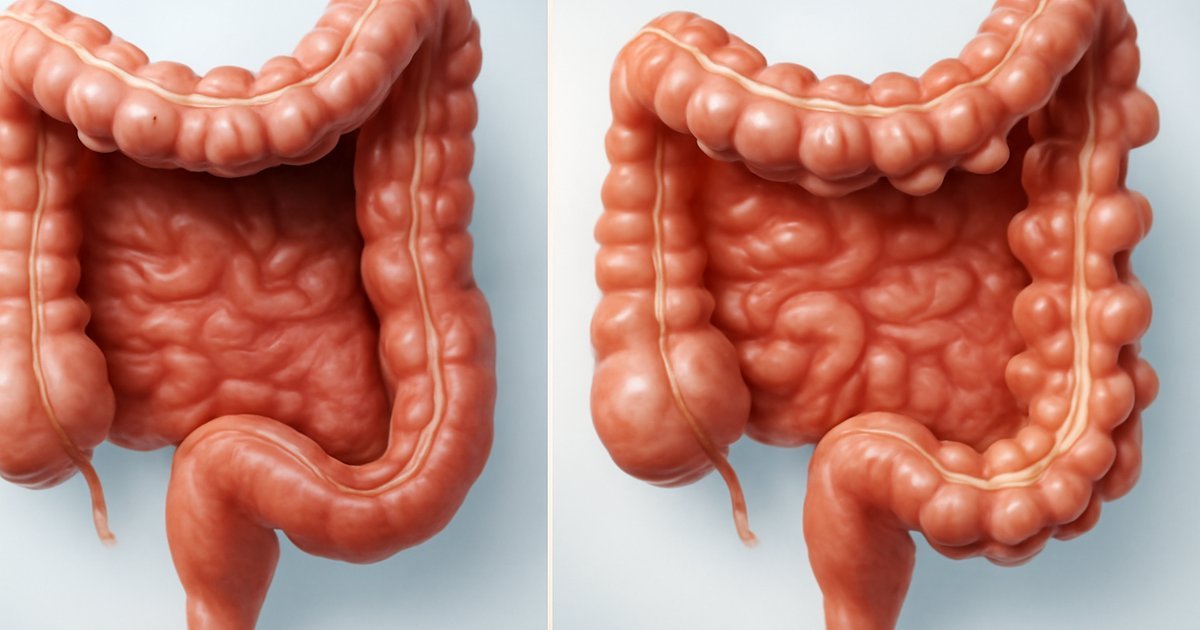
Millions of Americans live with diverticular disease — many without ever knowing it until a flare-up lands them in the ER.
Introduction
Robert, 62, had been experiencing mild left-sided abdominal pain for weeks. He chalked it up to gas or a pulled muscle. One evening, the pain became severe, accompanied by fever and chills — and he found himself in the emergency department being diagnosed with diverticulitis, an inflammation of small pouches that had quietly formed in his colon over years.
According to the National Institutes of Health (NIH), diverticular disease affects approximately 35% of U.S. adults under age 50 and more than 58% of those over 60. It’s one of the most common gastrointestinal conditions in the Western world, yet many people don’t fully understand what it is — or how manageable it can be with the right care.
In this guide, you’ll learn what diverticular disease really is, how to recognize its symptoms, what causes it, and — most importantly — how to work with your doctor to manage it effectively and protect your long-term gut health.
What Is Diverticular Disease?
Diverticular disease is an umbrella term that refers to two related conditions involving the colon (large intestine):
- Diverticulosis — the presence of small, bulging pouches called diverticula that form in weak spots along the lining of the colon. This is extremely common and often causes no symptoms at all.
- Diverticulitis — when one or more of those pouches becomes inflamed or infected. This is the condition that causes significant pain and may require medical treatment.
Think of diverticula like tiny balloons poking through weak points in a garden hose. Most of the time, they just sit there harmlessly. But under certain conditions, they can become inflamed, leading to a range of symptoms from mild discomfort to a medical emergency.
The CDC estimates that diverticular disease accounts for more than 200,000 hospitalizations in the United States each year, making it a significant public health concern — particularly for adults over 50.
Signs and Symptoms
One of the trickiest aspects of diverticular disease is that its presentation varies widely. Research published in the journal Gastroenterology found that up to 80% of people with diverticulosis experience no symptoms at all. However, when symptoms do occur, they can range from subtle to severe.
Early or Mild Signs (Diverticulosis or Mild Diverticulitis)
- Cramping or mild pain, typically on the lower left side of the abdomen
- Bloating and gas
- Changes in bowel habits (constipation or diarrhea)
- Feeling of fullness or pressure in the lower abdomen
- Occasional rectal bleeding (small amounts of bright red blood)
Signs of Moderate to Severe Diverticulitis
- Persistent or intense pain in the lower left abdomen (sometimes the right side)
- Fever and chills
- Nausea and vomiting
- Tenderness when pressing on the abdomen
- Loss of appetite
- Significant change in bowel function
It’s worth noting that this varies from person to person. Some individuals experience frequent flare-ups; others may have a single episode and never experience another one.
Causes and Risk Factors
For decades, a low-fiber diet was considered the primary driver of diverticular disease — and research still strongly supports this connection. A landmark study from Harvard Health found that men who consumed the highest amounts of dietary fiber had a 42% lower risk of developing symptomatic diverticular disease compared to those with the lowest intake.
But the story is more nuanced than fiber alone. Here’s what clinical evidence tells us about the major risk factors:
Lifestyle Factors
- Low dietary fiber intake — Western diets rich in processed foods and low in plant-based fiber are strongly associated with diverticular formation
- Sedentary lifestyle — Physical inactivity is independently linked to higher risk, according to multiple cohort studies
- Obesity — Particularly central (abdominal) obesity increases risk and severity
- Smoking — Associated with increased inflammation and more severe diverticulitis
- Heavy alcohol consumption — Linked to higher complication rates
- Use of NSAIDs or steroids — Some research suggests these medications may increase diverticulitis risk
Biological and Genetic Factors
- Age — The risk rises sharply after age 40 and continues climbing with each decade
- Genetics — Family history appears to play a role; studies suggest a hereditary component of 40-50%
- Changes in colon motility and gut microbiome — Research suggests that altered gut bacteria composition may contribute to inflammation in susceptible individuals
Interestingly, the NIH notes that diverticular disease is rare in Africa and Asia — populations that traditionally consume higher-fiber diets — reinforcing the dietary connection.
Diagnosis: What to Expect
If your doctor suspects diverticular disease, they’ll start with a thorough history and physical examination, paying close attention to where your pain is located and how it behaves. Most cases of acute diverticulitis are diagnosed through a combination of clinical evaluation and imaging.
Common Diagnostic Tools
- CT scan of the abdomen and pelvis — This is the gold standard for diagnosing acute diverticulitis. It allows doctors to visualize the inflamed pouches and assess whether complications are present.
- Blood tests — A complete blood count (CBC) may show elevated white blood cells, indicating infection or inflammation.
- Colonoscopy — Typically not performed during an active flare due to perforation risk, but often recommended 6-8 weeks after recovery to rule out other conditions such as colon cancer.
- Stool tests — To rule out infections that mimic diverticulitis symptoms.
The Mayo Clinic recommends seeking medical evaluation if you experience unexplained abdominal pain lasting more than a day or two, especially if accompanied by fever or significant changes in bowel habits. Early diagnosis leads to better outcomes and reduces the risk of complications.
Treatment Options
The treatment approach for diverticular disease depends heavily on severity. Most cases of uncomplicated diverticulitis can be managed without hospitalization, while complicated cases require more aggressive intervention.
Medical Treatment
Antibiotics have traditionally been the cornerstone of diverticulitis treatment. However, recent clinical evidence — including a landmark randomized trial published in JAMA Surgery — suggests that for mild, uncomplicated diverticulitis, antibiotics may not always be necessary and close monitoring may be sufficient in select patients. Your physician will determine what’s right for your individual case.
Hospitalization is typically required when:
- Oral antibiotics aren’t controlling the infection
- You cannot keep fluids down
- Complications such as abscess, perforation, or fistula are present
Surgery (colon resection) may be recommended for recurrent episodes, persistent complications, or cases that don’t respond to medical management. According to Cleveland Clinic, advances in laparoscopic surgery have made recovery faster and outcomes significantly improved.
Dietary Management
During an acute flare, your doctor will likely recommend a clear liquid or low-fiber diet to give your colon time to rest and heal. Once symptoms resolve, transitioning back to a high-fiber diet is one of the most evidence-backed strategies for reducing future episodes.
Clinical evidence indicates that consuming 25-38 grams of fiber per day — through vegetables, legumes, whole grains, and fruits — may significantly reduce recurrence risk. If you’re looking to support your gut health further, you may find our guide on Probiotics for Gut Health: What the Evidence Really Says helpful as a complementary resource.
Pain Management
- Acetaminophen is generally recommended for pain relief during flare-ups (NSAIDs should be avoided as they may worsen inflammation)
- Heat therapy on the abdomen may provide comfort
- Adequate rest during recovery
Living With Diverticular Disease and Long-Term Prevention
Here’s the genuinely encouraging news: with the right lifestyle habits, many people with diverticulosis never experience a single episode of diverticulitis. And those who have had flare-ups can often significantly reduce recurrence with targeted changes.
Practical Daily Strategies
- Increase fiber gradually — Jumping from a low-fiber to a high-fiber diet too quickly can cause bloating and discomfort. Add fiber-rich foods slowly over several weeks.
- Stay well hydrated — Fiber works best when paired with adequate water intake. Aim for at least 8 cups of water per day.
- Move your body regularly — Research suggests that 30 minutes of moderate exercise most days of the week supports healthy colon motility.
- Maintain a healthy weight — Reducing abdominal obesity can meaningfully lower your risk of complications.
- Avoid smoking — Smoking is independently associated with more frequent and more severe diverticular episodes.
- Manage stress — Chronic stress may affect gut motility and inflammation. Mind-body practices such as yoga and meditation show promise in gut health research.
The Nuts and Seeds Myth
For years, patients with diverticulosis were told to avoid nuts, seeds, and popcorn — the theory being these small particles could lodge in the diverticula and trigger inflammation. However, a major study from Harvard involving over 47,000 men found no evidence to support this restriction. Most gastroenterologists now agree these foods do not need to be avoided unless they cause individual discomfort.
Since gut health involves multiple systems, you may also want to explore our article on GERD: Symptoms, Causes & Treatment Options if you experience overlapping digestive symptoms.
When to Call Your Doctor or Seek Emergency Care
Knowing when to act quickly can make a significant difference in outcomes. Most physicians agree that certain symptoms require immediate emergency evaluation.
🚨 Go to the Emergency Room Immediately If You Experience:
- Sudden, severe abdominal pain that doesn’t ease
- Rigid or board-like abdomen (a sign of possible perforation)
- High fever (above 101°F / 38.3°C) with abdominal pain
- Significant rectal bleeding
- Signs of shock: rapid heart rate, dizziness, pale or clammy skin
- Inability to keep any fluids down for more than 12 hours
📞 Call Your Doctor Within 24 Hours If You Notice:
- Mild to moderate left-sided abdominal pain lasting more than a day
- Low-grade fever with digestive symptoms
- Rectal bleeding that is new or unexpected
- A second or third episode of diverticulitis
At Your Next Scheduled Visit, Tell Your Doctor:
- Any changes in bowel habits lasting more than two weeks
- If you haven’t had a colonoscopy and are over 45
- Your current fiber intake and dietary patterns
- Any medications you’re taking, including NSAIDs and steroids
Frequently Asked Questions
Can diverticular disease be cured permanently?
Diverticulosis — the presence of the pouches — cannot be reversed once they form. However, clinical evidence strongly suggests that lifestyle changes, particularly increasing dietary fiber and staying active, can significantly reduce the risk of diverticulitis flare-ups and complications. Many people with diverticulosis never experience symptoms at all.
Is it safe to exercise during a diverticulitis flare-up?
During an active, symptomatic episode of diverticulitis, rest is generally recommended. Strenuous exercise should be avoided until symptoms resolve and your doctor clears you to resume activity. Once recovered, regular moderate exercise is actually beneficial for long-term colon health.
What foods should I avoid if I have diverticular disease?
Current evidence does not support avoiding nuts, seeds, or popcorn as was previously recommended. However, during an active flare, a low-fiber or liquid diet gives the colon time to recover. Between episodes, most gastroenterologists recommend a high-fiber diet rich in vegetables, fruits, and whole grains. Individual tolerances vary, so it’s best to work with your physician or a registered dietitian.
How is diverticulitis different from IBS?
While both conditions can cause abdominal pain and changes in bowel habits, they are distinct diagnoses. IBS (irritable bowel syndrome) is a functional disorder involving gut-brain interaction and does not cause structural changes like diverticula. Diverticulitis involves actual inflammation or infection of physical pouches in the colon wall. A physician can differentiate between the two through imaging and clinical evaluation. If you want to learn more about IBS, we covered it in detail in a related guide on our site.
Does diverticular disease increase my risk of colon cancer?
Research suggests that diverticular disease itself is not a direct risk factor for colon cancer. However, because the symptoms can overlap, your doctor may recommend a colonoscopy after a diverticulitis episode to rule out other conditions, including colorectal cancer. Keeping up with recommended cancer screenings — starting at age 45 according to the American Cancer Society — remains important for everyone.
Conclusion
Diverticular disease is incredibly common, especially as we age — but it doesn’t have to define your quality of life. With the right medical guidance, a fiber-rich diet, regular movement, and attention to early warning signs, most people manage this condition successfully and comfortably.
The most important step you can take is to stay engaged with your healthcare provider. Don’t dismiss persistent abdominal symptoms or delay care during a suspected flare-up. Understanding your body and building a proactive relationship with your doctor puts you in the strongest possible position — not just for managing diverticular disease, but for supporting your overall gut health for years to come.
If you’re also working on your broader digestive wellness, consider exploring our evidence-based article on Probiotics for Gut Health for complementary strategies your doctor can help you evaluate.
Medical Disclaimer: This article is for informational and educational purposes only. It does not constitute medical advice, diagnosis, or treatment. Always consult your physician or a qualified healthcare provider before making changes to your health routine or treatment plan.
Medically reviewed by our editorial health team. Content follows evidence-based standards aligned with CDC and NIH guidelines.